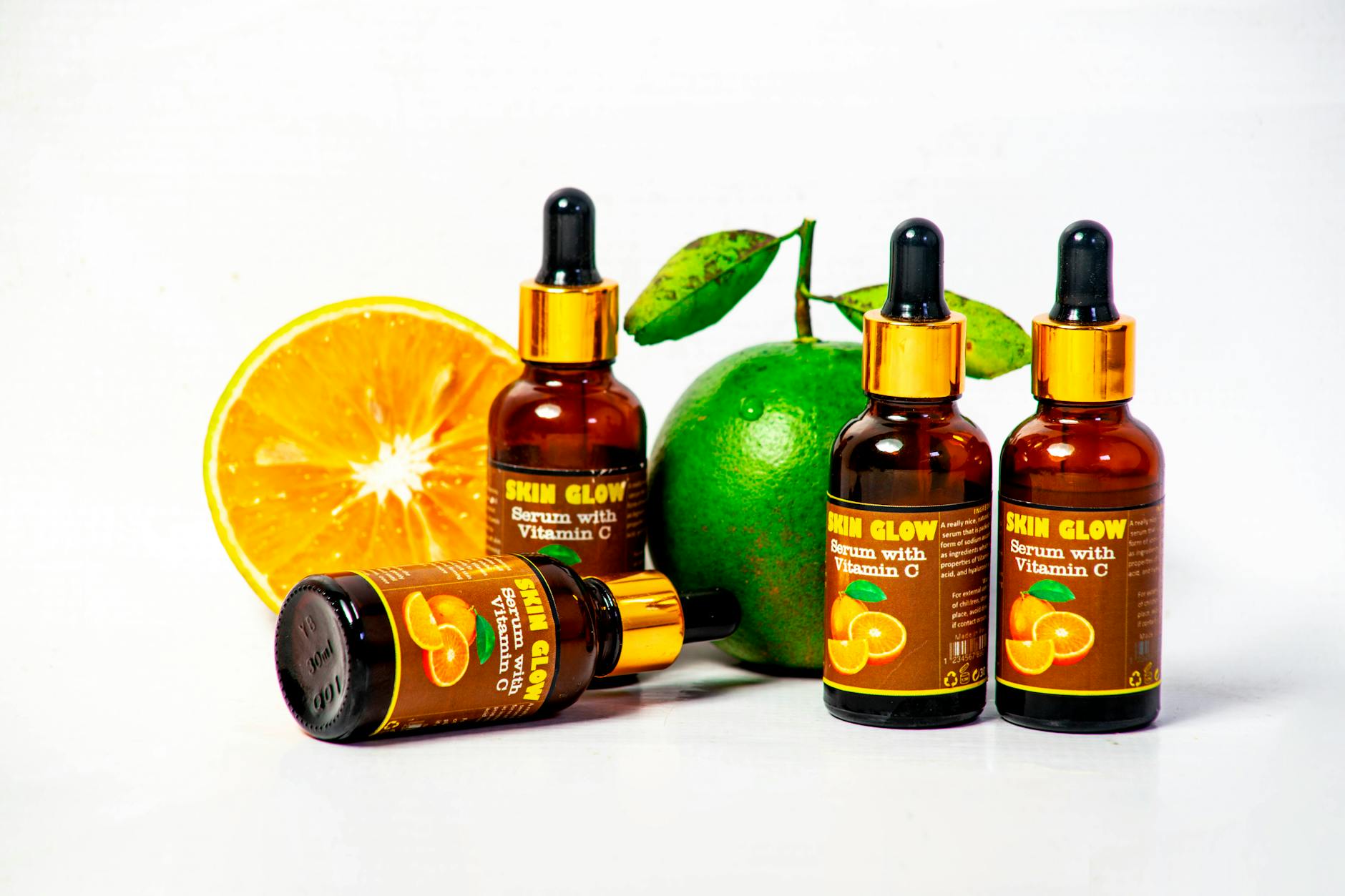
Is vitamin C safe for sensitive skin?

Yes, vitamin C can be safe for sensitive skin, but choosing the right form matters significantly. The most potent form, L-Ascorbic Acid, delivers powerful results for brightening skin and reducing hyperpigmentation but can cause irritation, redness, or stinging in sensitive individuals.
“The key to vitamin C success lies in matching the right derivative to your skin's tolerance level.”
Gentler vitamin C derivatives like magnesium ascorbyl phosphate or sodium ascorbyl phosphate offer similar benefits with reduced irritation potential. These stable forms convert to active vitamin C once absorbed, providing the antioxidant protection and collagen-stimulating effects without the harsh sting.
Always patch test any new vitamin C product before full application. Apply a small amount behind your ear or on your inner wrist, wait 24 hours, and watch for reactions. If you experience persistent redness or burning, this indicates your skin needs a gentler formulation.
Start with lower concentrations (5-10%) and use every other day initially. Your skin will gradually build tolerance, allowing you to increase frequency without triggering the irritation that leads to temporary redness or discomfort.
How long does it take to see results from vitamin C?
Vitamin C delivers results on different timelines depending on your specific skin concerns. You'll notice the first improvements in overall radiance and brightness within 2-4 weeks of consistent use. Your skin will look more luminous and healthier as the antioxidant begins neutralizing free radicals and protecting against environmental damage.
“Dark spots and acne scars require patience, but vitamin C consistently delivers visible fading results within 8-12 weeks.”
For stubborn dark spots, acne marks, and hyperpigmentation, expect to wait 8-12 weeks for noticeable fading. This longer timeline shouldn't discourage you from pursuing clear skin. The L-Ascorbic Acid works by inhibiting melanin production and promoting cell turnover, processes that naturally take time.
Collagen synthesis benefits develop over several months of regular application. Fine lines soften and skin texture improves gradually as vitamin C stimulates your body's natural collagen production.
Consistency determines your success more than any other factor. Skipping days or using vitamin C sporadically will delay results significantly. Apply your vitamin C serum every morning after cleansing for optimal effectiveness.
Can I use vitamin C with other active ingredients?

Vitamin C pairs beautifully with many popular skincare actives when you know the right combinations. Understanding which ingredients work well together helps you build an effective routine without causing irritation or reducing the potency of your products.
Hyaluronic Acid and Niacinamide are excellent partners for Vitamin C. Hyaluronic Acid, which holds up to 1000 times its weight in water, provides deep hydration that complements Vitamin C's brightening effects. Niacinamide strengthens your skin barrier and controls oil production while working synergistically with Vitamin C to fade dark spots and prevent future breakouts.
Retinol requires more careful timing. Never layer Retinol directly with Vitamin C, as this can cause irritation and reduce effectiveness. Use Vitamin C in the morning and save Retinol for evening application. This schedule maximizes the antioxidant protection during the day while allowing Retinol to stimulate cell turnover overnight.
Salicylic Acid, the beta hydroxy acid that dissolves dead skin cells and unclogs pores, can be used with Vitamin C but needs strategic spacing. Apply Salicylic Acid in the evening and Vitamin C in the morning to prevent over-exfoliation that could lead to redness or sensitivity.
Start slowly when introducing multiple actives to avoid overwhelming your skin and potentially causing the irritation that worries many patients about their skincare routine.
Why does my vitamin C serum turn brown?
Your Vitamin C serum turns brown because L-Ascorbic Acid oxidizes when exposed to light, air, and heat. This chemical reaction breaks down the active ingredient, making your serum less effective and potentially irritating to your skin. Think of it like an apple browning after you cut it—the same oxidation process happens to your skincare product.
Watch for color changes from clear or light yellow to orange, brown, or dark amber. These are clear signs your serum has degraded and won't deliver the brightening and protective benefits you're seeking. Using oxidized products won't cause permanent scarring, but they can irritate sensitive skin.
Store your serum in a cool, dark place—ideally your refrigerator. Keep the bottle tightly sealed and replace products that have changed color or developed a strange smell. Most Vitamin C serums last 6-12 months when stored properly, but check the expiration date and monitor for visual changes regularly.
Should I use vitamin C morning or night?
Use Vitamin C in the morning for maximum protection against environmental damage. This powerful antioxidant works best when applied before sun exposure, creating a protective barrier against free radicals and pollution throughout the day. Your skin faces constant assault from UV rays and environmental stressors that can worsen existing breakouts and create new scarring.
Use 2-3 drops on clean skin after cleansing but before moisturizer.
Allow 10-15 minutes for absorption, then apply SPF 30 or higher sunscreen.
Evening use works if morning application irritates your skin or conflicts with other treatments like retinol. However, you miss the protective benefits that prevent the scarring you're worried about. Some people alternate morning and evening use to avoid over-irritation while maintaining consistent results.
Choose the timing that fits your routine best, but morning application offers superior protection for achieving clear skin faster.
What concentration of vitamin C should I start with?

Starting with the right Vitamin C concentration prevents irritation and ensures your skin adjusts properly without causing permanent damage or scarring. Beginners should start with 10-15% Vitamin C serums, which provide effective results while minimizing risk of redness or peeling.
Begin with 10% L-Ascorbic Acid if you have normal skin or 5-8% for sensitive skin types.
Use every other day for two weeks before increasing frequency or concentration.
Move to 15-20% only after your skin tolerates lower concentrations for at least a month.
Experienced users can handle 20% concentrations, but rushing to higher percentages often backfires with increased breakouts and irritation that delays your clear skin goals.
Does vitamin C help with acne scars?
Vitamin C can help with certain types of acne scars, but managing expectations is important. This antioxidant excels at fading post-inflammatory hyperpigmentation—those dark spots left behind after breakouts heal. The L-Ascorbic Acid form works by inhibiting melanin production while promoting cell turnover to reveal fresh, even-toned skin.
For deeper textural scars like ice pick or rolling scars, Vitamin C offers limited improvement. While it stimulates collagen synthesis, which can gradually soften shallow indentations, dramatic textural changes require more intensive treatments like microneedling or laser therapy.
The best approach combines Vitamin C with other treatments. Use it consistently for pigmentation issues while consulting a dermatologist for comprehensive scar treatment plans. Remember that scar improvement takes months, not weeks, so patience prevents disappointment.
Start with a gentle Vitamin C serum at 10-15% concentration and patch test before applying to your entire face.
Frequently Asked Questions
Is vitamin C safe for sensitive skin?
Yes, vitamin C can be safe for sensitive skin if you choose the right form. While L-Ascorbic Acid is potent but can cause irritation, gentler derivatives like magnesium ascorbyl phosphate or sodium ascorbyl phosphate offer similar benefits with reduced irritation potential. Start with lower concentrations (5-10%) and use every other day initially to build tolerance.
How long does it take to see results from vitamin C?
You'll notice improved radiance and brightness within 2-4 weeks of consistent use. For dark spots, acne marks, and hyperpigmentation, expect to wait 8-12 weeks for noticeable fading. Collagen synthesis benefits develop over several months, with fine lines softening and skin texture improving gradually.
Can I use vitamin C with retinol?
Vitamin C and retinol should not be layered directly together as this can cause irritation and reduce effectiveness. Instead, use vitamin C in the morning for antioxidant protection and save retinol for evening application. This schedule maximizes benefits while allowing retinol to stimulate cell turnover overnight.
What ingredients work well with vitamin C?
Hyaluronic acid and niacinamide are excellent partners for vitamin C. Hyaluronic acid provides deep hydration that complements vitamin C's brightening effects, while niacinamide strengthens the skin barrier and works synergistically to fade dark spots. These combinations enhance effectiveness without causing irritation.
Disclaimer: This content is for informational purposes only and does not constitute medical advice. Always consult a qualified healthcare provider before making health decisions.