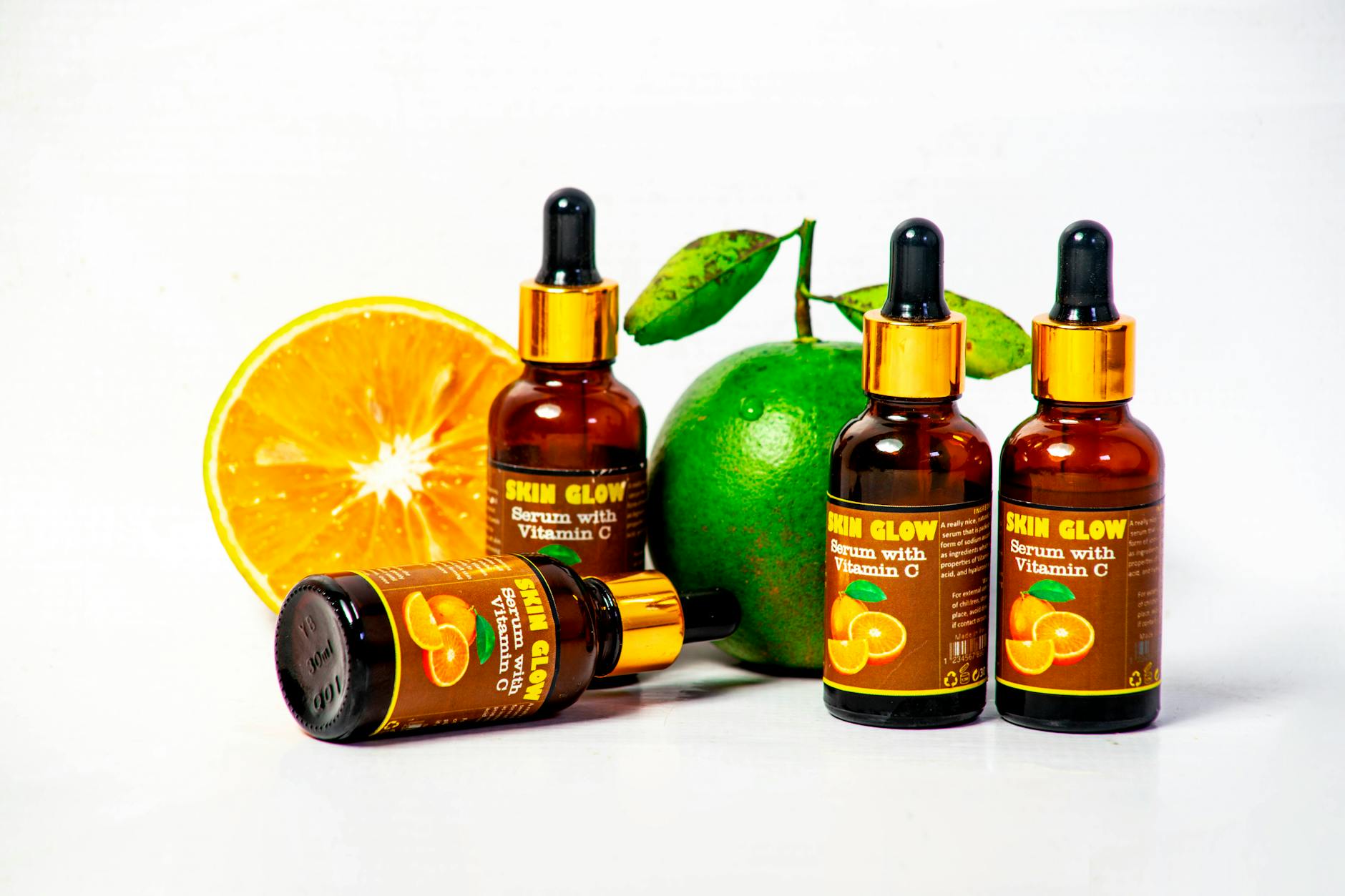
How Vitamin C Helps with Acne

Understanding how Vitamin C works against acne can help you make informed decisions about your skincare routine. This powerful nutrient, also known as L-Ascorbic Acid, targets acne through three distinct mechanisms that address both active breakouts and the scarring that often follows.
The anti-inflammatory properties of Vitamin C directly reduce the redness and swelling associated with acne lesions. When your pores become clogged and bacteria multiply, your immune system responds with inflammation. Vitamin C helps calm this inflammatory response, making existing pimples less angry and painful while preventing new ones from becoming severely inflamed.
“Vitamin C works as a powerful antioxidant, neutralizing free radicals that can worsen acne inflammation and delay healing.”
Free radicals from pollution, UV exposure, and stress can damage your skin cells and worsen acne inflammation. Vitamin C acts as a protective shield, neutralizing these harmful molecules before they can cause additional damage to already compromised skin. This antioxidant action helps prevent acne from spreading and becoming more severe.
Perhaps most importantly for those worried about permanent scarring, Vitamin C stimulates collagen synthesis. Collagen is the protein that helps your skin heal properly from acne wounds. When your body produces adequate collagen with Vitamin C's help, acne marks fade more quickly and completely. This means less risk of the deep, lasting scars that cause social embarrassment and long-term skin concerns.
These three mechanisms work together to not only treat existing acne but also prevent future breakouts while minimizing the scarring potential that makes acne particularly distressing.
Vitamin C for Post-Acne Dark Spots

Those stubborn dark marks that linger after pimples heal can feel like permanent reminders of past breakouts. The good news is that Vitamin C (L-Ascorbic Acid) specifically targets this post-acne hyperpigmentation through proven biological mechanisms.
Vitamin C works by inhibiting tyrosinase, the key enzyme responsible for melanin production in your skin. When acne causes inflammation, your skin responds by producing excess melanin, creating those frustrating dark spots. By blocking this process, Vitamin C prevents new discoloration from forming while you treat active breakouts.
“Vitamin C not only prevents new dark spots but actively lightens existing ones by breaking down melanin clusters already present in the skin.”
For existing dark spots, Vitamin C acts as a gentle brightening agent, gradually breaking down melanin clusters that have already formed. This process takes patience—most people see noticeable improvement in 4-8 weeks with consistent use.
Consider Sarah, who developed several dark spots after a hormonal breakout on her cheeks. After using a 10% Vitamin C serum daily for six weeks, the marks faded from deep brown to barely visible pink. Her dermatologist explained that the antioxidant properties of Vitamin C also protected her healing skin from environmental damage that could worsen pigmentation.
The key is starting treatment early, ideally as soon as acne begins healing, to minimize how dark the spots become initially.
Best Vitamin C Ingredients for Acne-Prone Skin
Choosing the right form of Vitamin C matters when dealing with acne-prone skin. The wrong concentration or type can trigger irritation and worsen breakouts, which is the last thing you want when you're already concerned about scarring.
L-Ascorbic Acid remains the gold standard for effectiveness. Start with 10-15% concentrations to build tolerance before moving to 20%. This potent form delivers maximum brightening power for post-acne marks but requires careful introduction to prevent irritation.
For sensitive or reactive acne-prone skin, stable derivatives work better. Magnesium ascorbyl phosphate and sodium ascorbyl phosphate convert to active Vitamin C more gently. These forms reduce the risk of irritation while still providing antioxidant benefits and gradual brightening of dark spots.
Ascorbyl glucoside offers another gentle option. It penetrates slowly and releases Vitamin C gradually, making it perfect for beginners or those with persistent sensitivity. While less potent than L-Ascorbic Acid, it still supports collagen production and helps prevent future hyperpigmentation from forming.
Combining Vitamin C with Other Acne Treatments

Layering vitamin C with other acne-fighting ingredients requires careful timing to prevent irritation that could worsen breakouts and potentially lead to scarring. The key lies in understanding which combinations work together and which need separation.
Layer vitamin C with niacinamide and hyaluronic acid in your AM routine for maximum anti-inflammatory and hydrating benefits.
Use salicylic acid or retinol in your PM routine while keeping vitamin C for mornings to prevent potential irritation.
Niacinamide pairs perfectly with vitamin C, despite old myths claiming they cancel each other out. This combination regulates sebum production while providing antioxidant protection. Hyaluronic acid acts as the perfect hydrating partner, holding up to 1000 times its weight in water to keep skin plump and healthy.
Salicylic acid requires more careful timing. This beta hydroxy acid works inside pores to dissolve dead skin cells and unclog them, but combining it directly with vitamin C can cause excessive irritation. Use salicylic acid in the evening and vitamin C in the morning, allowing your skin to recover between applications.
Retinol demands the most cautious approach. This vitamin A derivative stimulates rapid cell turnover, which combined with vitamin C's potential for irritation can overwhelm sensitive acne-prone skin. Start by using retinol three nights per week and vitamin C on alternate mornings. Monitor your skin's response carefully, as overuse of active ingredients can trigger more breakouts rather than clearing them.
What to Expect: Timeline and Results
Understanding realistic timelines helps prevent frustration and keeps you committed to your Vitamin C routine. Most people see initial improvements in skin texture and brightness within 2-3 weeks of consistent use.
For inflammation reduction, Vitamin C's antioxidant properties begin calming active breakouts within the first week. You'll notice existing pimples healing faster and appearing less red. Dark spots and acne scars require more patience – post-inflammatory hyperpigmentation typically starts fading after 4-6 weeks of regular application.
The most significant transformation happens between weeks 8-12, when Vitamin C's collagen-boosting effects create smoother, more resilient skin. This is when you'll see real prevention benefits – fewer new breakouts and faster healing when they do occur. Remember, preventing permanent scarring takes time, but consistent Vitamin C use builds the healthy skin foundation that stops future damage.
Consistent daily Vitamin C use delivers visible improvements within 2-3 weeks, with maximum acne-fighting and scar-preventing benefits appearing after 8-12 weeks.
Frequently Asked Questions
How does vitamin C help with acne?
Vitamin C helps with acne through three main mechanisms: reducing inflammation to calm redness and swelling, acting as an antioxidant to neutralize free radicals that worsen acne, and stimulating collagen synthesis to help skin heal properly. These properties work together to treat existing breakouts while preventing future ones and minimizing scarring potential.
Can vitamin C help fade acne scars and dark spots?
Yes, vitamin C can effectively fade post-acne dark spots by inhibiting tyrosinase, the enzyme responsible for melanin production that creates discoloration after breakouts. It also breaks down existing melanin clusters in the skin, gradually lightening dark marks. Most people see noticeable improvement in 4-8 weeks with consistent use, and starting treatment early as acne heals can minimize how dark spots become initially.
What type of vitamin C is best for acne-prone skin?
L-Ascorbic Acid is considered the gold standard for acne-prone skin due to its maximum effectiveness in brightening and treating breakouts. It's recommended to start with 10-15% concentrations to build tolerance before moving to 20% to avoid irritation that could worsen breakouts.
How long does it take for vitamin C to work on acne marks?
Most people see noticeable improvement in post-acne dark spots within 4-8 weeks of consistent vitamin C use. The timeline depends on starting treatment early, ideally as soon as acne begins healing, to minimize how dark the spots become initially. Vitamin C works gradually by breaking down melanin clusters and preventing new discoloration from forming.
Disclaimer: This content is for informational purposes only and does not constitute medical advice. Always consult a qualified healthcare provider before making health decisions.