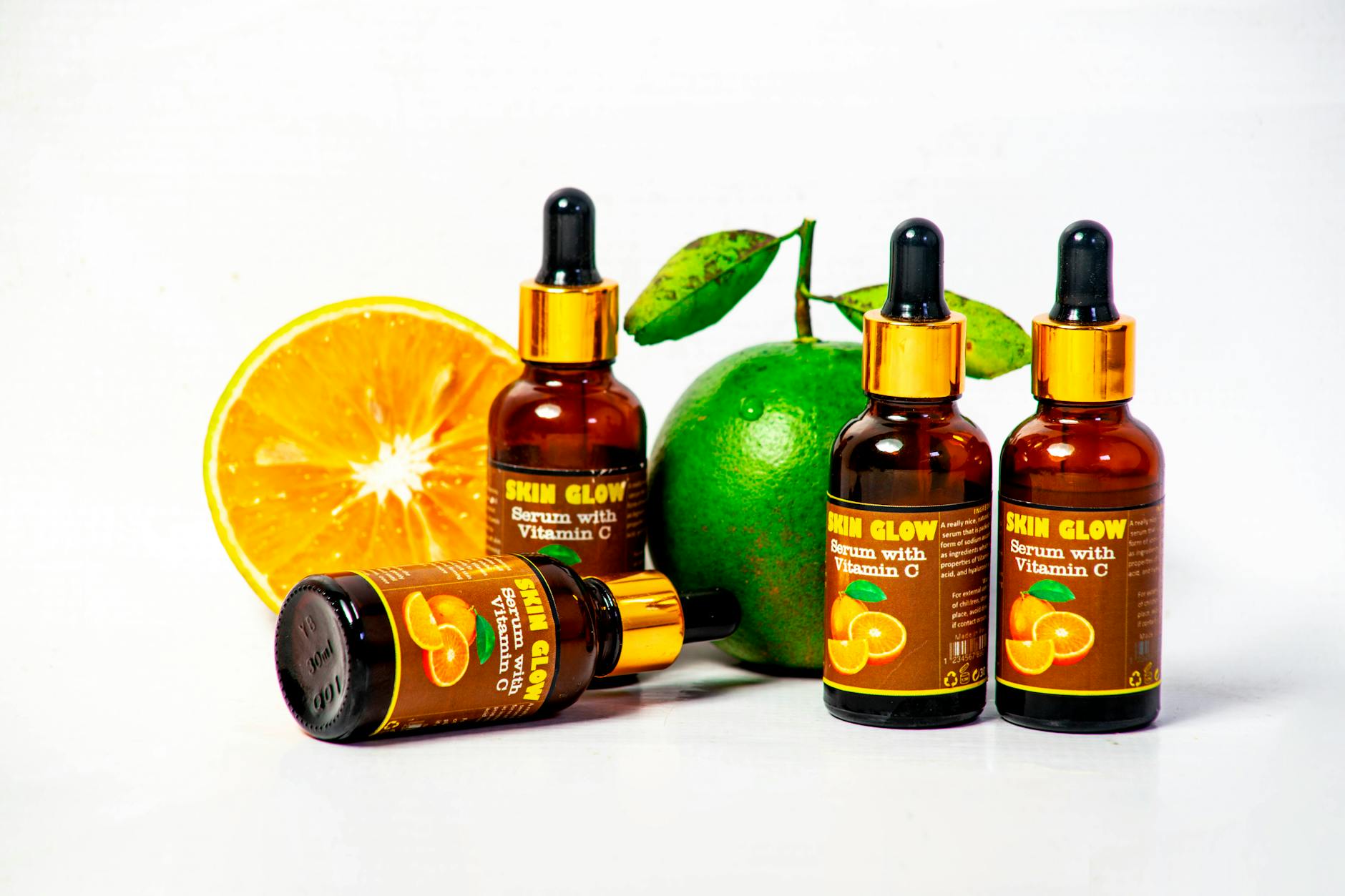
Common Vitamin C Serum Side Effects

Vitamin C serums can cause several side effects, particularly when you first introduce this potent antioxidant into your routine. Understanding these reactions helps you distinguish between normal adjustment periods and signs that require attention.
Skin irritation and redness represent the most frequent side effects. Your skin may appear flushed or develop red patches, especially around sensitive areas like the eyes and mouth. This reaction typically occurs because Vitamin C (L-Ascorbic Acid) has an acidic pH that can temporarily disrupt your skin's natural barrier.
“Most Vitamin C side effects are temporary and indicate your skin is adjusting to this powerful active ingredient.”
A stinging or burning sensation often accompanies initial use. You might feel a mild tingling that lasts several minutes after application. While concerning, this sensation usually diminishes as your skin builds tolerance over two to three weeks of consistent use.
Dryness and peeling can occur as Vitamin C accelerates cell turnover. Your skin may feel tight or develop small flakes, similar to mild sunburn peeling. This effect tends to be more pronounced with higher concentrations above 15%.
Allergic reactions, while rare, can manifest as widespread redness, swelling, or hives. These symptoms appear within hours of application and worsen with continued use rather than improving over time.
Photosensitivity concerns arise because Vitamin C can temporarily increase sun sensitivity. Your skin becomes more vulnerable to UV damage, making sunscreen absolutely essential during treatment.
Most side effects resolve without permanent scarring when you follow proper introduction protocols and discontinue use if severe reactions occur.
Why Vitamin C Side Effects Occur

Understanding why Vitamin C (L-Ascorbic Acid) causes side effects helps you prevent them without abandoning this powerful ingredient entirely. The science behind these reactions reveals simple patterns that become manageable once you know what to expect.
“Most Vitamin C side effects stem from pH disruption rather than the vitamin itself being harmful to your skin.”
pH levels play the biggest role in side effects. Vitamin C serums typically have a pH between 3.5 and 4.0, which is much more acidic than your skin's natural pH of 5.5. This sudden acid shock disrupts your protective skin barrier, causing redness, stinging, and peeling that can feel alarming but rarely causes permanent damage.
Concentration sensitivity creates another common problem. Starting with high concentrations like 20% L-Ascorbic Acid overwhelms unprepared skin. Your skin needs time to build tolerance to any active ingredient, and rushing this process triggers irritation responses.
Oxidation issues compound these problems. When Vitamin C products turn brown or yellow, they become more unstable and irritating. Oxidized vitamin C loses effectiveness while becoming harsher on sensitive skin.
Individual skin sensitivity varies dramatically between people. Those with naturally sensitive skin, existing conditions like rosacea, or compromised barriers react more strongly to the same products that others tolerate easily.
Interactions with other active ingredients amplify side effects significantly. Combining Vitamin C with Retinol (Vitamin A alcohol) or Salicylic Acid (2-hydroxybenzoic acid) without proper timing creates chemical conflicts. These ingredients compete for pH balance and can neutralize each other while irritating your skin.
Weather and seasonal changes also influence how your skin responds to Vitamin C, making winter applications often more tolerable than summer use when skin is already stressed from sun exposure.
Who Is Most at Risk for Side Effects
Certain skin types and circumstances increase your likelihood of experiencing side effects from Vitamin C. Understanding these risk factors helps you approach vitamin C use more strategically and avoid potential irritation that could worsen your skin concerns.
People with sensitive skin face the highest risk of adverse reactions. This includes those with naturally thin skin, rosacea, or a history of product sensitivity. Your skin produces less natural protective oils and has weaker barrier function, making it more vulnerable to the acidic nature of L-Ascorbic Acid formulations.
First-time vitamin C users often experience temporary stinging or redness as their skin adjusts to the active ingredient. Your skin needs time to build tolerance, and starting with high concentrations increases side effect risk significantly.
Combining vitamin C with other active ingredients creates additional challenges. Using retinoids, AHA acids, or benzoyl peroxide alongside vitamin C can overwhelm your skin's barrier function. However, gentler combinations like vitamin C with Niacinamide typically work well together and may actually reduce irritation risk.
Those with compromised skin barriers from over-exfoliation, recent treatments, or inflammatory conditions like eczema should exercise extra caution. Active breakouts, fresh wounds, or recently treated acne scars are particularly vulnerable to irritation, though proper vitamin C use won't cause permanent scarring when applied to intact skin.
How to Prevent Vitamin C Side Effects
Preventing Vitamin C (L-Ascorbic Acid) side effects requires a strategic approach that respects your skin's tolerance while maximizing benefits. The key lies in gradual introduction and proper application techniques that minimize irritation risk.
Begin with 5-10% concentration products and use them every other day for two weeks before increasing frequency.
Apply a small amount behind your ear or on your inner wrist, wait 24-48 hours, and check for redness or irritation.
Apply Vitamin C to clean, dry skin, then wait 10-15 minutes before adding other products like moisturizer or sunscreen.
Proper skin preparation creates the foundation for successful Vitamin C use. Cleanse gently with a mild, pH-balanced cleanser before application. Avoid using Vitamin C immediately after exfoliating treatments or harsh scrubs, as this combination increases irritation risk significantly.
Timing your application correctly prevents many common side effects. Apply Vitamin C in the morning for maximum antioxidant protection, but never layer it with retinoids or benzoyl peroxide, which can cause chemical reactions. If you experience stinging, reduce frequency to every third day until your skin adapts.
Combining Vitamin C with complementary ingredients enhances tolerance while maintaining effectiveness. Hyaluronic Acid (Sodium Hyaluronate) works exceptionally well underneath Vitamin C serums, providing hydration that reduces potential dryness and flaking. This moisture barrier helps prevent the tight, uncomfortable feeling some people experience.
Storage and product selection matter tremendously for preventing oxidation-related irritation. Choose stable Vitamin C forms like magnesium ascorbyl phosphate if you have sensitive skin, and store products in cool, dark places. Brown or yellow-tinted serums indicate oxidation and should be discarded immediately.
Watch for early warning signs that indicate you should adjust your routine. Mild tingling during the first few uses is normal, but persistent burning, peeling, or red patches signal the need to reduce concentration or frequency. These precautions help prevent more serious reactions that could temporarily worsen your skin's appearance.
What to Do If You Experience Side Effects

If you're experiencing irritation from Vitamin C (L-Ascorbic Acid), the most important step is to stop using the product immediately. Don't worry about permanent damage—most reactions resolve within a few days with proper care. Your skin's barrier function needs time to recover, and continuing to use the irritating product will only prolong healing.
Use a mild, fragrance-free cleanser with lukewarm water twice daily.
Choose products with ceramides or Hyaluronic Acid (Sodium Hyaluronate) to restore hydration.
Avoid retinoids, AHA, BHA, and other active ingredients until skin heals.
For immediate relief, apply a cold compress for 10-15 minutes to reduce inflammation. Hyaluronic Acid serums work particularly well during recovery because they provide intense hydration without irritation. Look for products containing at least 1% concentration for optimal healing benefits.
Consider switching to magnesium ascorbyl phosphate, a gentler Vitamin C derivative, once your skin recovers. This form provides similar brightening benefits with significantly less irritation risk. Start with 2-3 times per week rather than daily application.
Contact a dermatologist if you experience severe burning, blistering, or symptoms lasting longer than one week. Professional treatment may include prescription anti-inflammatory medications or barrier repair therapies. Don't attempt to self-treat severe reactions with over-the-counter products, as this can worsen the condition and delay proper healing.
Safe Vitamin C Alternatives
If traditional Vitamin C serums cause irritation, gentler alternatives can provide similar benefits without the harsh side effects. These stabilized forms of Vitamin C work more slowly but offer better tolerance for sensitive skin types.
Magnesium ascorbyl phosphate represents one of the most stable and gentle Vitamin C derivatives available. This water-soluble form converts to active Vitamin C once absorbed, delivering antioxidant benefits while minimizing irritation risks. Sodium ascorbyl phosphate offers similar stability with excellent compatibility for acne-prone skin, as it provides antimicrobial properties alongside brightening effects.
Ascorbyl glucoside combines Vitamin C with glucose, creating a particularly mild derivative that works well for beginners. This form penetrates slowly, reducing the likelihood of redness or stinging sensations that concern many users about permanent damage to their skin barrier.
Consider formulations that pair Vitamin C derivatives with soothing ingredients. Niacinamide strengthens skin barrier function while reducing inflammation, making it an ideal companion for sensitive skin. Hyaluronic Acid provides deep hydration that helps buffer potential irritation from active ingredients.
Start with lower concentrations around 5-10% and apply every other day initially. Look for serums with pH levels above 5, which tend to be less irritating than highly acidic formulations. Many people find that gentle alternatives deliver the clear, bright skin they want without the discomfort that makes them avoid Vitamin C entirely.
Gentle Vitamin C derivatives like magnesium ascorbyl phosphate can provide skin benefits without irritation when traditional serums cause problems.
Frequently Asked Questions
What are the most common side effects of vitamin C serum?
The most frequent side effects include skin irritation and redness, particularly around sensitive areas like the eyes and mouth. You may also experience a stinging or burning sensation that typically lasts several minutes after application. Dryness and peeling can occur as vitamin C accelerates cell turnover, especially with concentrations above 15%.
Why does vitamin C serum cause skin irritation?
Vitamin C serums cause irritation primarily due to their acidic pH of 3.5-4.0, which is much more acidic than your skin's natural pH of 5.5. This sudden acid shock disrupts your protective skin barrier, causing redness, stinging, and peeling. Starting with high concentrations like 20% L-Ascorbic Acid can overwhelm unprepared skin that needs time to build tolerance.
How long do vitamin C serum side effects last?
Most vitamin C side effects are temporary and indicate your skin is adjusting to the active ingredient. The stinging or burning sensation usually diminishes as your skin builds tolerance over two to three weeks of consistent use. Most side effects resolve without permanent scarring when you follow proper introduction protocols.
Does vitamin C serum make your skin more sensitive to the sun?
Yes, vitamin C can temporarily increase sun sensitivity, making your skin more vulnerable to UV damage. This photosensitivity concern makes sunscreen absolutely essential during vitamin C treatment. The increased sun sensitivity is temporary and occurs while your skin is adjusting to the active ingredient.
What should I do if I have an allergic reaction to vitamin C serum?
Allergic reactions to vitamin C serum can manifest as widespread redness, swelling, or hives that appear within hours of application. Unlike normal adjustment reactions, allergic symptoms worsen with continued use rather than improving over time. You should discontinue use immediately if you experience these severe reactions.
Disclaimer: This content is for informational purposes only and does not constitute medical advice. Always consult a qualified healthcare provider before making health decisions.