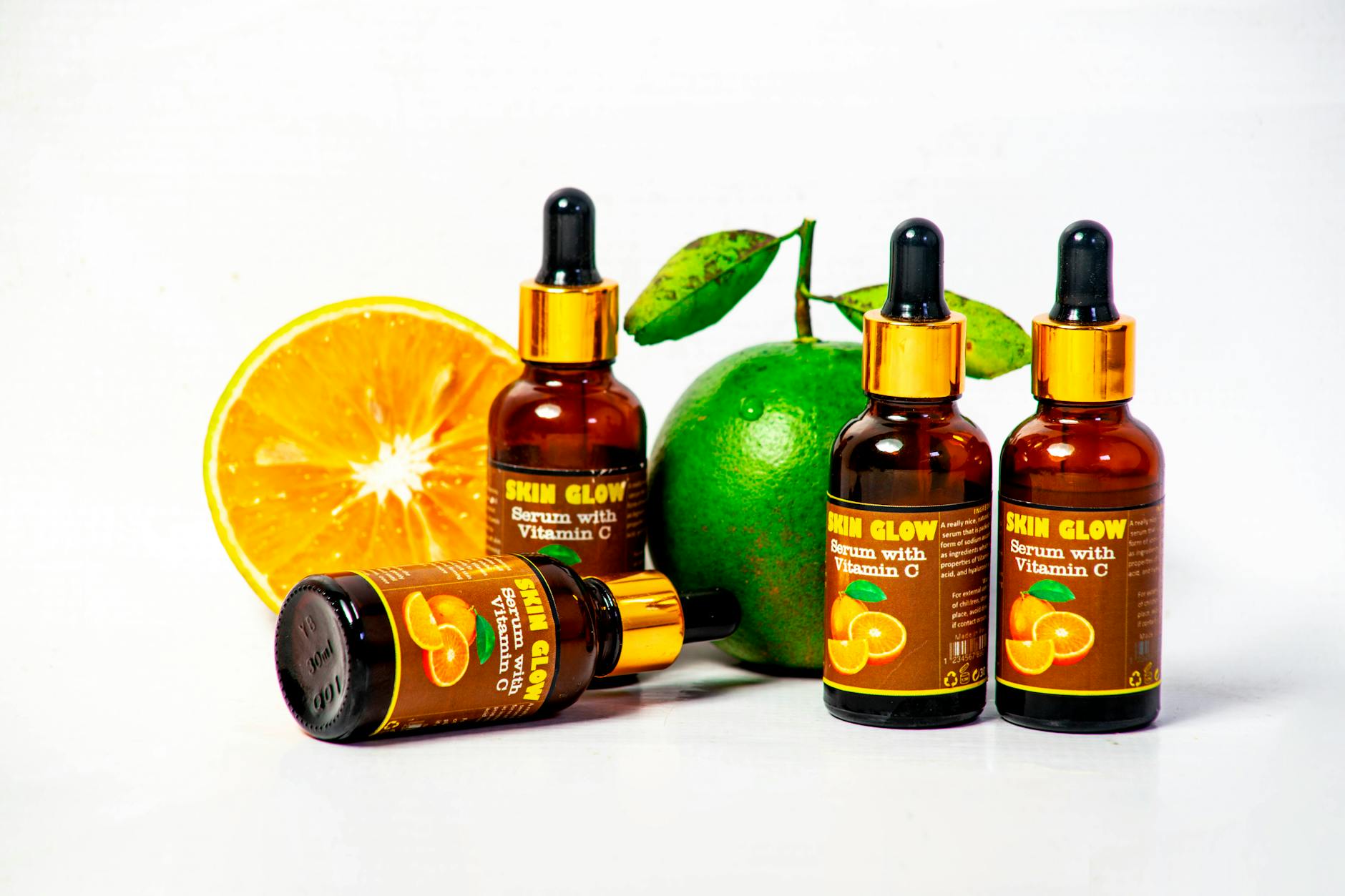
What Is Vitamin C Serum Oxidation

Vitamin C oxidation happens when your serum reacts with oxygen in the air, fundamentally changing its chemical structure. This process transforms the beneficial L-Ascorbic Acid into less effective compounds that can't deliver the same skin-brightening and collagen-boosting results you're counting on for clearer skin.
“Oxidized vitamin C loses its potency and can even cause skin irritation instead of the healing benefits you need.”
You'll know your Vitamin C serum has oxidized when it changes from clear or light yellow to brown, orange, or dark amber. This color shift signals that the active ingredient has degraded significantly. L-Ascorbic Acid proves particularly vulnerable because it readily gives up electrons when exposed to light, air, and heat.
The impact on your skin goals can be devastating. Oxidized serums lose their ability to fade dark spots, reduce inflammation, and protect against environmental damage that leads to breakouts. Instead of helping prevent the scarring and discoloration you're worried about, degraded products may actually irritate sensitive skin and worsen existing issues.
For example, a fresh Vitamin C serum should remain pale yellow for months when stored properly. If your month-old bottle has turned brown, it's lost most of its therapeutic value and should be replaced immediately.
Signs Your Vitamin C Serum Has Oxidized

Recognizing oxidized vitamin C serum protects your skin from ineffective products that could potentially cause irritation. The most obvious sign is color change—fresh vitamin C serum appears clear or very light yellow, but oxidation turns it dark yellow, orange, or brown. This dramatic color shift signals the vitamin C has broken down and lost its effectiveness.
“Once your vitamin C serum turns brown, it's doing more harm than good.”
Texture changes also indicate oxidation. Your serum might become thicker, sticky, or develop a gritty feeling. The scent transforms too—oxidized serums often smell metallic, rancid, or distinctly unpleasant compared to their original neutral or citrusy fragrance.
Discard any serum showing these signs immediately. Using oxidized products won't improve your skin and may cause irritation or staining. For example, a popular vitamin C serum that starts clear but turns amber after three weeks should be replaced, not used until empty. Your skin deserves active, effective ingredients.
What Causes Vitamin C Oxidation
Understanding why Vitamin C (L-Ascorbic Acid) breaks down helps you protect your investment and maintain clear skin. Several environmental factors work against this powerful antioxidant, turning it from a skin-brightening ally into an ineffective brown liquid.
Light exposure is Vitamin C's biggest enemy. UV rays and even indoor lighting trigger chemical reactions that break down the active compounds. This is why quality serums come in dark amber or opaque bottles.
Air exposure accelerates oxidation through contact with oxygen molecules. Every time you open the bottle, you introduce more air that speeds up deterioration.
Heat increases molecular movement, causing faster breakdown. Room temperatures above 75°F significantly reduce your serum's lifespan, while refrigeration can extend it.
pH changes also matter. Vitamin C requires an acidic environment around 3.5 to remain stable. When pH shifts higher, oxidation happens rapidly, potentially causing irritation that could worsen existing skin concerns rather than improving them.
How to Store Vitamin C Serum Properly
Proper storage protects your vitamin C serum investment and prevents the oxidation that turns your skincare routine into a waste of time and money. Your serum's potency depends entirely on how you store it after opening.
Store your vitamin C serum in the refrigerator between 35-40°F to slow chemical breakdown.
Keep serums away from windows and bright lights that accelerate vitamin degradation.
Close caps immediately after use to prevent oxygen exposure that causes browning.
Steam and humidity from showers create the perfect environment for serum breakdown.
Keep your serum in its original dark glass bottle whenever possible. These containers block harmful light better than clear plastic alternatives. Never transfer vitamin C serum to decorative containers, no matter how Instagram-worthy they look.
For example, The Ordinary Vitamin C Suspension comes in a dark amber bottle specifically designed to protect the formula. Moving it to a clear dropper bottle exposes the serum to light damage within days.
Your bathroom medicine cabinet seems convenient, but the temperature fluctuations and humidity destroy vitamin C faster than leaving it on a sunny windowsill.
Choosing Stable Vitamin C Formulations

Not all Vitamin C (L-Ascorbic Acid) formulations are created equal when it comes to stability. The pure form of Vitamin C breaks down easily, but certain derivatives maintain their potency much longer while delivering similar benefits to your skin.
Magnesium ascorbyl phosphate represents one of the most stable Vitamin C derivatives available. This water-soluble form resists oxidation and works effectively in higher pH formulations. Unlike pure Vitamin C, it won't destabilize when exposed to light or air, making it ideal for daily use without the constant worry about degradation.
Sodium ascorbyl phosphate offers another excellent stable option, particularly for acne-prone skin. This derivative provides antimicrobial benefits while delivering the brightening effects you want. It's gentler than pure Vitamin C and less likely to cause irritation or contribute to scarring concerns.
Look for dark glass packaging that blocks UV light exposure. Amber or cobalt blue bottles protect the formula from photodegradation better than clear containers. Products combining Vitamin C with Hyaluronic Acid and Niacinamide create synergistic effects while the additional ingredients help stabilize the overall formula. These combinations often perform better than single-ingredient serums while addressing multiple skin concerns simultaneously.
Maximizing Your Vitamin C Serum's Lifespan
Simple habits can double your vitamin C serum's effectiveness and protect your investment in clearer skin. Start by washing your hands thoroughly before each application—bacteria and oils from your fingers can contaminate the bottle and accelerate breakdown.
Keep air exposure minimal by working quickly when the bottle is open. Press the dropper once to get your dose, then immediately replace the cap. Air introduces oxygen that turns your serum brown and ineffective.
Buy 15ml or 30ml sizes that you'll finish within 2-3 months.
Always verify dates before purchase and use opened serums within 6 months.
Replace dropper tops tightly after each use. A loose cap allows air to seep in overnight, gradually destroying the active vitamin C that helps prevent the scarring you're working to avoid.
Store your vitamin C serum properly to maintain its potency and achieve the clear, healthy skin results you're seeking.
Frequently Asked Questions
What is vitamin C serum oxidation?
Vitamin C serum oxidation occurs when the serum reacts with oxygen in the air, changing its chemical structure and transforming beneficial L-Ascorbic Acid into less effective compounds. This process significantly reduces the serum's ability to brighten skin and boost collagen production. Oxidized vitamin C loses its potency and can even cause skin irritation instead of providing healing benefits.
How do I know if my vitamin C serum has oxidized?
The most obvious sign of oxidation is color change - fresh vitamin C serum appears clear or very light yellow, but oxidized serum turns dark yellow, orange, or brown. You may also notice texture changes like becoming thicker or sticky, and the scent may become metallic, rancid, or unpleasant. Any serum showing these signs should be discarded immediately as it won't improve your skin and may cause irritation.
What causes vitamin C serum to oxidize?
Light exposure is vitamin C's biggest enemy, as UV rays and indoor lighting trigger chemical reactions that break down active compounds. Air exposure accelerates oxidation through contact with oxygen molecules every time you open the bottle. Heat above 75°F significantly reduces the serum's lifespan, while pH changes also affect stability.
Can I still use vitamin C serum if it has turned brown?
No, you should not use vitamin C serum that has turned brown as it indicates the product has oxidized and lost its effectiveness. Using oxidized serums won't improve your skin and may actually cause irritation or staining. Once your vitamin C serum turns brown, it's doing more harm than good and should be replaced immediately.
Disclaimer: This content is for informational purposes only and does not constitute medical advice. Always consult a qualified healthcare provider before making health decisions.