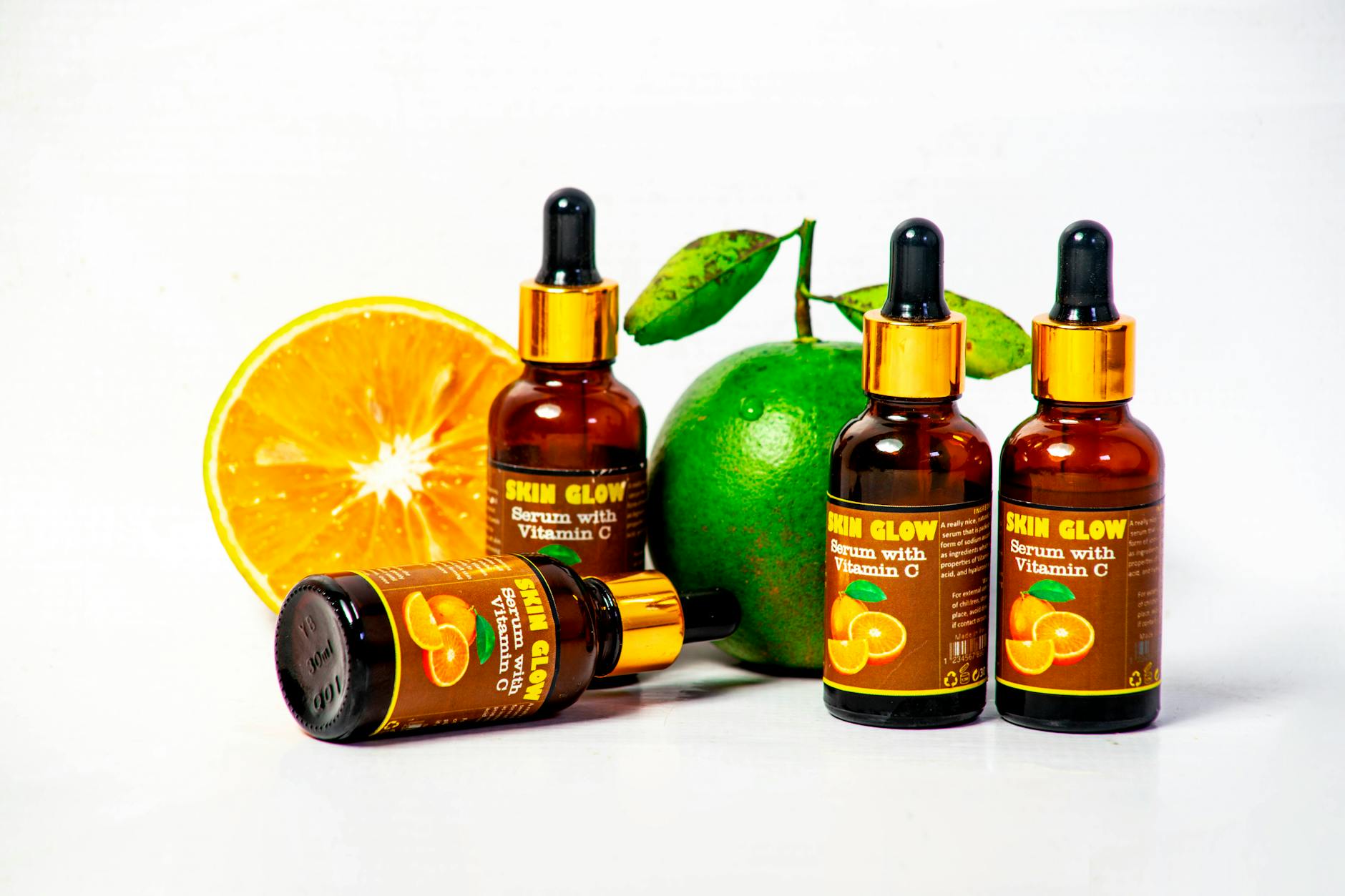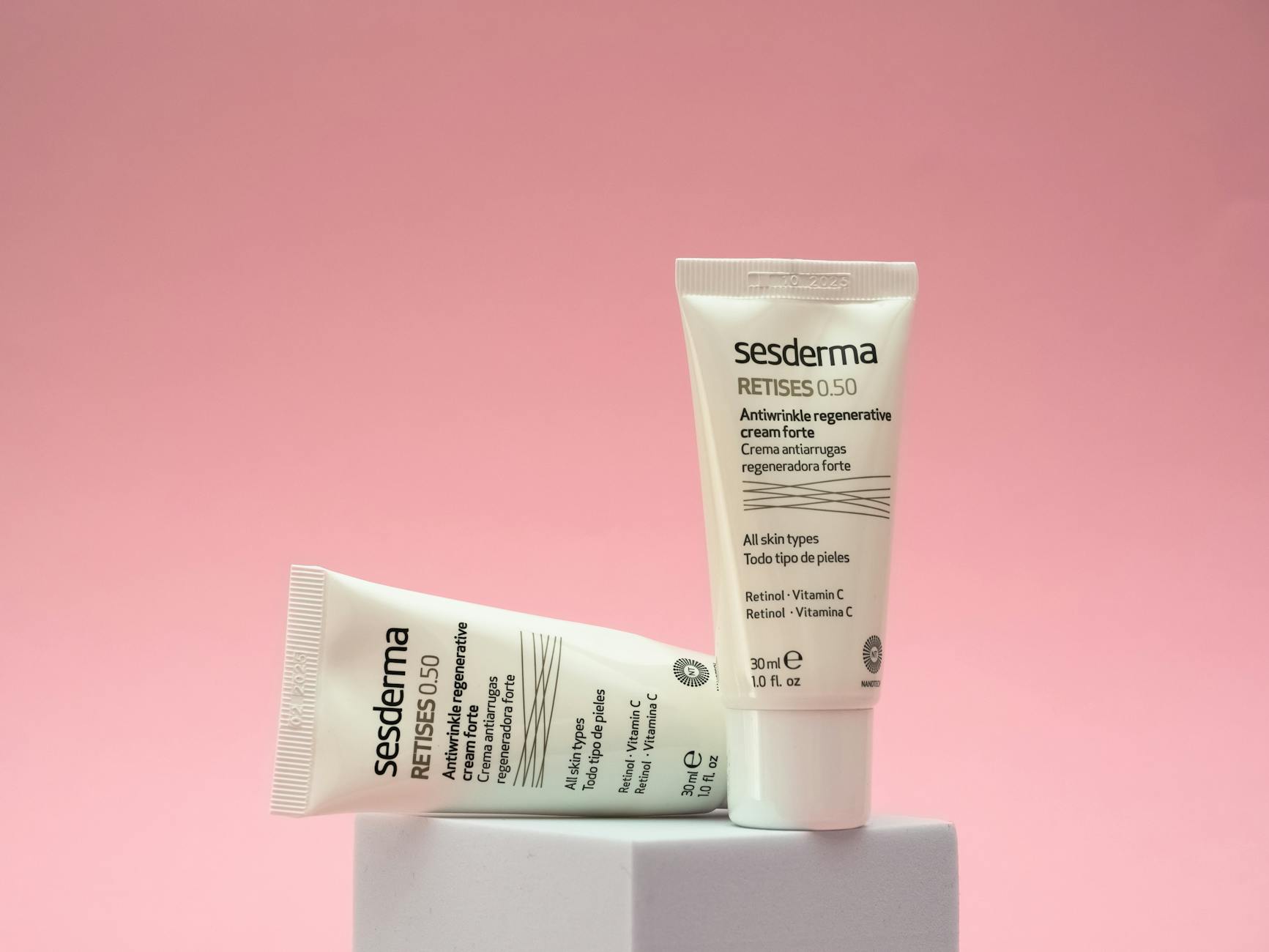
The Quick Verdict

For clear skin without scarring, Vitamin C takes the morning shift while Retinol works nights. Vitamin C, a potent antioxidant, brightens skin and protects against daily damage that can worsen breakouts and dark spots. Apply it each morning under sunscreen to prevent the hyperpigmentation that leads to lasting marks.
“Most people can safely use both ingredients with proper timing to maximize results.”
Retinol, a vitamin A derivative, accelerates cell turnover and unclogs pores while you sleep. This powerhouse ingredient prevents future breakouts and smooths existing texture issues. Start with retinol twice weekly to avoid irritation that could temporarily worsen your skin's appearance. The good news? These ingredients complement each other perfectly when used at different times, giving you comprehensive protection and treatment without the social anxiety of prolonged breakout periods.
What Each Ingredient Does
Understanding how Vitamin C and Retinol work helps you make informed decisions about your skincare routine. These ingredients tackle skin concerns through completely different mechanisms, making them powerful allies when used correctly.
Vitamin C (L-Ascorbic Acid) functions as a potent antioxidant that brightens skin, reduces hyperpigmentation, stimulates collagen synthesis, and protects against environmental damage and free radicals. Think of it as your skin's shield against daily pollution and UV damage. When you apply a Vitamin C serum in the morning, you're creating a protective barrier that helps prevent the dark spots and premature aging that can lead to long-term skin concerns.
“Vitamin C and Retinol work through entirely different pathways, making them complementary rather than competing ingredients.”
Retinol (Vitamin A alcohol) takes a different approach by stimulating cell turnover, reducing fine lines and wrinkles, improving skin texture, and helping treat acne by unclogging pores. It works overnight to accelerate your skin's natural renewal process. For example, while Vitamin C prevents new damage during the day, Retinol repairs existing damage while you sleep by encouraging damaged cells to shed faster and revealing fresh, healthy skin underneath.
The key difference lies in timing and function: Vitamin C protects and brightens, while Retinol renews and repairs.
Vitamin C vs Retinol: Side-by-Side Comparison

Understanding the key differences between Vitamin C and Retinol helps you choose the right ingredient for your skin concerns. These two powerhouse ingredients work in fundamentally different ways and require different approaches to use safely and effectively.
Application timing creates the biggest difference between these ingredients. Vitamin C works best during morning routines, providing antioxidant protection against daily environmental damage. Retinol, however, belongs in your nighttime routine since sunlight breaks down its effectiveness and increases photosensitivity.
Their skin benefits target different concerns. Vitamin C excels at brightening dark spots, protecting against free radical damage, and stimulating collagen production for prevention. Retinol focuses on cellular renewal, reducing existing fine lines, improving texture, and treating acne through pore unclogging.
Side effects vary significantly between the two. Vitamin C typically causes minimal irritation, though some people experience mild tingling with higher concentrations. Retinol often triggers initial dryness, redness, and peeling as skin adjusts - a process called retinization that can last several weeks.
Cost and accessibility favor Vitamin C for beginners. Effective Vitamin C serums start around $15 at drugstores, while quality retinol products often cost $30 or more. Both ingredients come in various strengths, but Vitamin C offers more beginner-friendly options that won't cause the adjustment period concerns that worry many people about permanent skin damage.
When to Choose Vitamin C
Choose Vitamin C when dark spots and hyperpigmentation are your primary concerns. This powerful antioxidant excels at fading post-acne marks and sun damage that can lead to permanent scarring if left untreated. Vitamin C works by inhibiting melanin production while brightening existing discoloration, making it ideal for achieving clear, even-toned skin.
Environmental protection makes Vitamin C perfect for morning routines. It shields your skin from pollution and UV damage that can worsen acne and cause premature aging. Unlike harsh treatments, Vitamin C (L-Ascorbic Acid) suits sensitive skin types when used in lower concentrations.
For example, if you work outdoors or live in a polluted city, morning Vitamin C application creates a protective barrier against free radicals. Start with 10% concentration serums and apply them before sunscreen for maximum effectiveness in preventing future breakouts and skin damage.
When to Choose Retinol
Retinol works best for specific skin concerns that require cellular renewal and deep pore cleansing. This vitamin A derivative excels at addressing aging signs and stubborn acne that hasn't responded to gentler treatments.
Choose retinol if you're battling fine lines and wrinkles around your eyes, mouth, or forehead. The ingredient stimulates cell turnover, pushing newer skin cells to the surface while reducing the appearance of existing lines. You'll typically see improvements in 6-12 weeks with consistent use.
Retinol also targets acne and clogged pores effectively by unclogging follicles and preventing new breakouts. Unlike harsh spot treatments that can cause permanent scarring, retinol works gradually to clear skin while improving overall texture.
This ingredient fits perfectly into evening routines since sunlight breaks down retinol's effectiveness. Start with lower concentrations (0.25% to 0.5%) to build tolerance, then gradually increase strength as your skin adapts to prevent irritation.
Can You Use Both Together?

You can safely combine Vitamin C and Retinol in your routine, but timing matters. These powerful ingredients work best when used separately—Vitamin C in the morning and Retinol at night. This schedule prevents potential irritation while maximizing each ingredient's benefits.
Begin with Vitamin C every other morning and Retinol twice weekly at night.
Increase frequency over 4-6 weeks as your skin adjusts to both ingredients.
Use Hyaluronic Acid and Niacinamide to boost hydration and reduce irritation.
Hyaluronic Acid works perfectly with both ingredients, providing the moisture your skin needs during adjustment. Niacinamide also pairs well, helping control oil production and minimizing redness. This combination approach prevents the irritation that could worsen existing breakouts or cause new ones.
Final Recommendation
Your primary skin concern determines which ingredient to prioritize. For dark spots, dullness, or preventing environmental damage, start with Vitamin C in the morning. For acne, fine lines, or rough texture, begin with Retinol at night. Both ingredients can work together effectively once your skin adapts.
Beginners should introduce one ingredient at a time. Start with Vitamin C every other morning or Retinol twice weekly at night. Wait four weeks before adding the second ingredient. This approach minimizes irritation while helping you understand how each affects your skin.
Consult a dermatologist if you experience persistent irritation, worsening acne, or no improvement after three months of consistent use. Professional guidance prevents permanent scarring and ensures you're using the right products for your specific skin type and concerns.
Start with one ingredient based on your primary concern, introduce slowly, and seek professional help if problems persist.
Frequently Asked Questions
Can I use vitamin C and retinol together?
Yes, most people can safely use both ingredients with proper timing to maximize results. Use vitamin C in your morning routine and retinol at night, as they complement each other perfectly when used at different times. This approach gives you comprehensive protection and treatment without causing irritation.
When should I use vitamin C vs retinol?
Vitamin C should be applied each morning under sunscreen to protect against daily environmental damage and brighten skin. Retinol belongs in your nighttime routine since sunlight breaks down its effectiveness and it works while you sleep to accelerate cell turnover. The key difference is that vitamin C protects and brightens during the day, while retinol renews and repairs at night.
What does vitamin C do for your skin?
Vitamin C functions as a potent antioxidant that brightens skin, reduces hyperpigmentation, and stimulates collagen synthesis. It protects against environmental damage and free radicals, acting like a shield against daily pollution and UV damage. When applied in the morning, it helps prevent dark spots and premature aging that can lead to long-term skin concerns.
How often should I use retinol?
Start with retinol twice weekly to avoid irritation that could temporarily worsen your skin's appearance. Retinol accelerates cell turnover and unclogs pores while you sleep, making it a powerful ingredient for preventing future breakouts and smoothing texture issues. Gradual introduction helps your skin adjust to this potent vitamin A derivative.
What's the difference between vitamin C and retinol?
Vitamin C and retinol work through entirely different pathways, making them complementary rather than competing ingredients. Vitamin C protects against daily damage and brightens skin, while retinol stimulates cell turnover and repairs existing damage like fine lines and acne. They target different concerns - vitamin C focuses on prevention and brightening, while retinol concentrates on cellular renewal and treating existing skin issues.
Disclaimer: This content is for informational purposes only and does not constitute medical advice. Always consult a qualified healthcare provider before making health decisions.