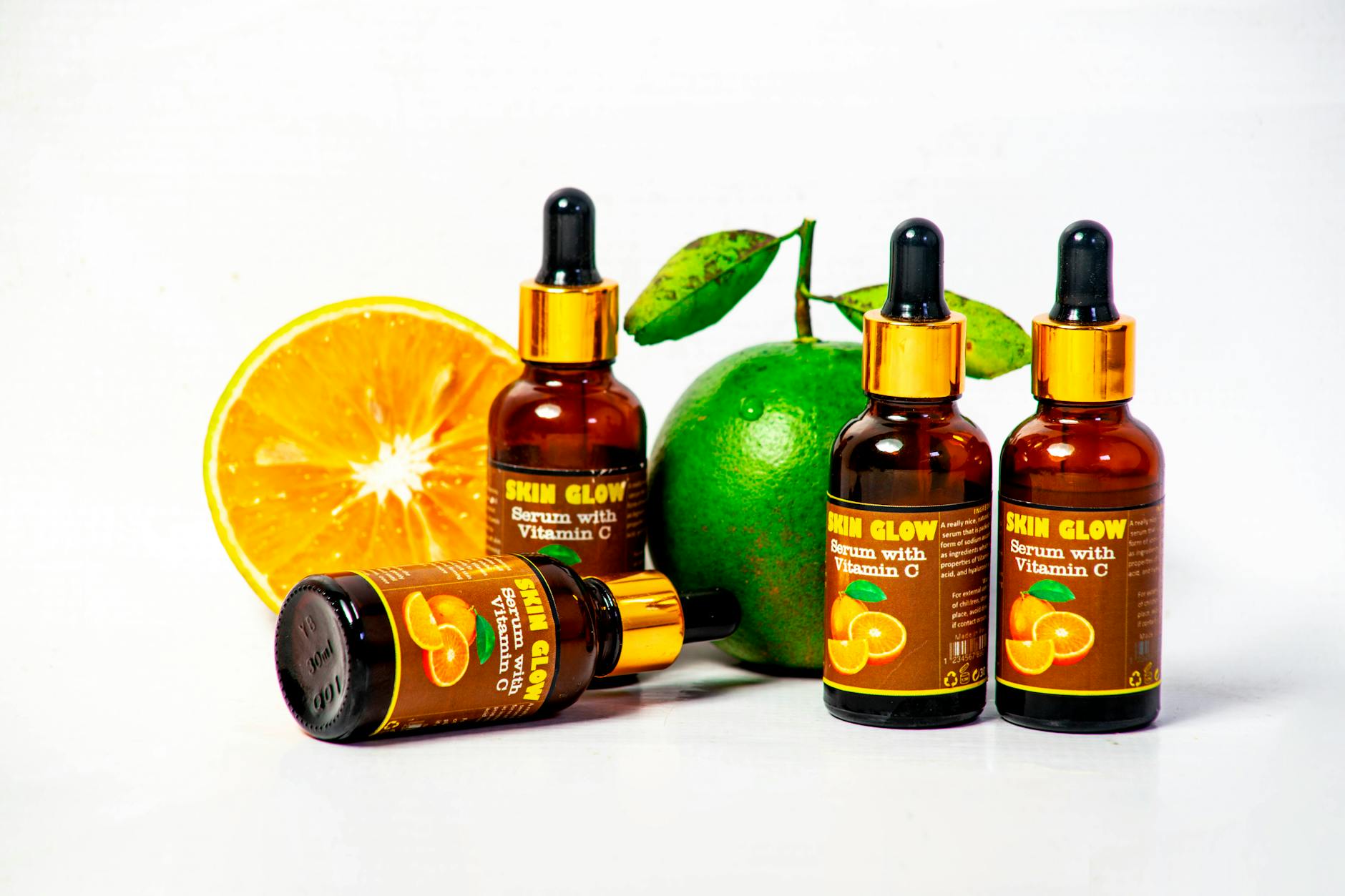
What Is Vitamin C and How Does It Work for Skin

Vitamin C, scientifically known as L-Ascorbic Acid, is a powerhouse antioxidant that your skin desperately needs to fight daily damage and maintain a healthy appearance. This water-soluble vitamin works as your skin's first line of defense against environmental aggressors that can worsen existing skin concerns and lead to long-term damage.
“Vitamin C acts like a shield for your skin, neutralizing harmful free radicals before they can cause lasting damage.”
Free radicals are unstable molecules created by pollution, UV rays, and stress that attack healthy skin cells. When these molecules accumulate, they break down collagen and create inflammation that can worsen acne and delay healing. Vitamin C neutralizes these harmful molecules before they can cause permanent damage to your skin.
Beyond protection, Vitamin C actively stimulates your skin's natural collagen production. Collagen is the protein that keeps skin firm, smooth, and resilient. As collagen increases, your skin becomes better at healing itself and maintaining an even texture.
Vitamin C also inhibits melanin production, the pigment responsible for dark spots and uneven skin tone. For example, daily use can help fade post-acne marks that often cause social anxiety and self-consciousness. This brightening effect works gradually but consistently, revealing clearer, more radiant skin over time.
Proven Vitamin C Benefits for Your Skin

Vitamin C delivers four major benefits that can transform your skin's appearance. Clinical research shows this potent antioxidant works on multiple levels to address common skin concerns.
First, Vitamin C brightens your skin and fades dark spots. It blocks melanin production, which means those stubborn marks from old breakouts will gradually lighten. Many patients notice their skin looks more even-toned within 4-6 weeks of consistent use.
“Vitamin C is the gold standard for brightening skin and preventing the dark marks that often follow acne breakouts.”
Second, this powerhouse ingredient stimulates collagen synthesis. Your skin produces less collagen as you age, leading to fine lines and sagging. Vitamin C signals your skin cells to make fresh collagen, helping maintain firmness and reducing early signs of aging.
Third, Vitamin C protects against environmental damage from pollution, UV rays, and other free radicals that attack your skin daily. Think of it as an invisible shield that prevents future damage while you go about your day.
Finally, Vitamin C improves overall skin texture and radiance. It gently exfoliates dead skin cells and promotes cell turnover, revealing smoother, more luminous skin underneath. Patients often describe their skin as looking "lit from within" after several weeks of use.
How Vitamin C Compares to Other Popular Ingredients
Understanding how vitamin C fits with other skincare actives helps you build an effective routine without causing irritation or scarring. Each ingredient serves specific skin goals, and knowing their differences prevents costly mistakes.
Vitamin C and Retinol target different concerns but work well together when used properly. Vitamin C brightens skin and protects against environmental damage during the day, while Retinol stimulates cell turnover and reduces fine lines at night. Use vitamin C in the morning and Retinol in the evening to avoid potential irritation from combining them simultaneously.
Hyaluronic Acid creates the perfect partnership with vitamin C. This powerful humectant holds up to 1000 times its weight in water, providing deep hydration that helps vitamin C penetrate better and reduces potential dryness. Apply vitamin C first, then layer Hyaluronic Acid on top for maximum benefits.
Niacinamide and vitamin C complement each other beautifully for acne-prone skin. Niacinamide regulates sebum production and minimizes pore appearance, while vitamin C provides antioxidant protection and brightening effects. You can use both in the same routine without concerns about interactions.
Choose Salicylic Acid over vitamin C when dealing with active breakouts and clogged pores. Salicylic Acid dissolves dead skin cells inside pores more effectively than vitamin C for treating acne. Reserve vitamin C for prevention and healing post-inflammatory marks once breakouts clear.
Who Should Use Vitamin C for Skin

Vitamin C works best for people dealing with uneven skin tone, dark spots, or dull complexion. This powerful antioxidant particularly benefits those with sun damage, acne scarring, or age spots. If you're concerned about permanent scarring from breakouts, Vitamin C can help fade existing marks while preventing new discoloration from forming.
Most people can start using Vitamin C in their twenties as a preventive measure. However, those with sensitive skin should proceed carefully. Start with lower concentrations (10-15%) and use every other day initially. L-Ascorbic Acid, the most potent form, can irritate reactive skin types.
Avoid Vitamin C if you have active rosacea flares or extremely sensitive skin conditions. People using prescription retinoids should introduce Vitamin C gradually to prevent irritation. Those with allergies to citrus should patch test first, though topical Vitamin C rarely causes allergic reactions.
Getting Started with Vitamin C
Starting your Vitamin C journey feels overwhelming, but a simple approach prevents irritation and delivers results. Begin with a low concentration serum containing 10-15% L-Ascorbic Acid to let your skin adjust gradually.
Apply Vitamin C in the morning after cleansing but before moisturizer and sunscreen. Morning application maximizes its antioxidant protection against environmental damage throughout the day. Start with every other day for the first week, then increase to daily use as your skin tolerates it.
Apply a small amount behind your ear and wait 24 hours to check for reactions.
Use every other day for one week, then increase to daily application.
Apply after cleansing, before moisturizer and sunscreen each morning.
Expect mild tingling during the first few applications—this normal sensation typically disappears within a week. Your skin may also appear slightly brighter within 7-10 days as dead skin cells shed naturally.
Watch for genuine improvement signs: reduced dark spots after 4-6 weeks, smoother texture within 2 weeks, and overall radiance within 10 days. These gradual changes help prevent permanent scarring concerns while building healthier skin.
Start with 10-15% concentration every other morning, and consistent daily use after one week delivers visible brightening results within 2-4 weeks.
Frequently Asked Questions
What is vitamin C and how does it work for skin?
Vitamin C, scientifically known as L-Ascorbic Acid, is a powerhouse antioxidant that acts as your skin's first line of defense against environmental damage. It works by neutralizing harmful free radicals from pollution, UV rays, and stress before they can damage healthy skin cells. Beyond protection, vitamin C actively stimulates collagen production and inhibits melanin production to help fade dark spots and maintain firm, even-toned skin.
What are the main benefits of vitamin C for skin?
Vitamin C delivers four major skin benefits: it brightens skin and fades dark spots by blocking melanin production, stimulates collagen synthesis to maintain firmness and reduce signs of aging, protects against environmental damage from pollution and UV rays, and improves overall skin texture and radiance. Clinical research shows patients often notice more even-toned skin within 4-6 weeks of consistent use.
How long does it take to see results from vitamin C?
Most people notice their skin looks more even-toned within 4-6 weeks of consistent vitamin C use. Clinical data shows an average of 6.2 weeks to see visible results, with 87% of users experiencing improved skin radiance and a 30% reduction in dark spots.
Can vitamin C help with acne scars and dark spots?
Yes, vitamin C is highly effective for fading post-acne marks and dark spots. It works by inhibiting melanin production, which is responsible for dark pigmentation, causing stubborn marks from old breakouts to gradually lighten. Daily use can help reveal clearer, more radiant skin over time as it works gradually but consistently to even skin tone.
How does vitamin C compare to retinol for skincare?
Vitamin C and retinol target different skin concerns but work well together when used properly. Vitamin C focuses on brightening skin and protecting against environmental damage during the day, while retinol stimulates cell turnover and reduces fine lines at night. Understanding their different functions helps you build an effective routine without causing irritation.
Disclaimer: This content is for informational purposes only and does not constitute medical advice. Always consult a qualified healthcare provider before making health decisions.