Understanding Body Acne

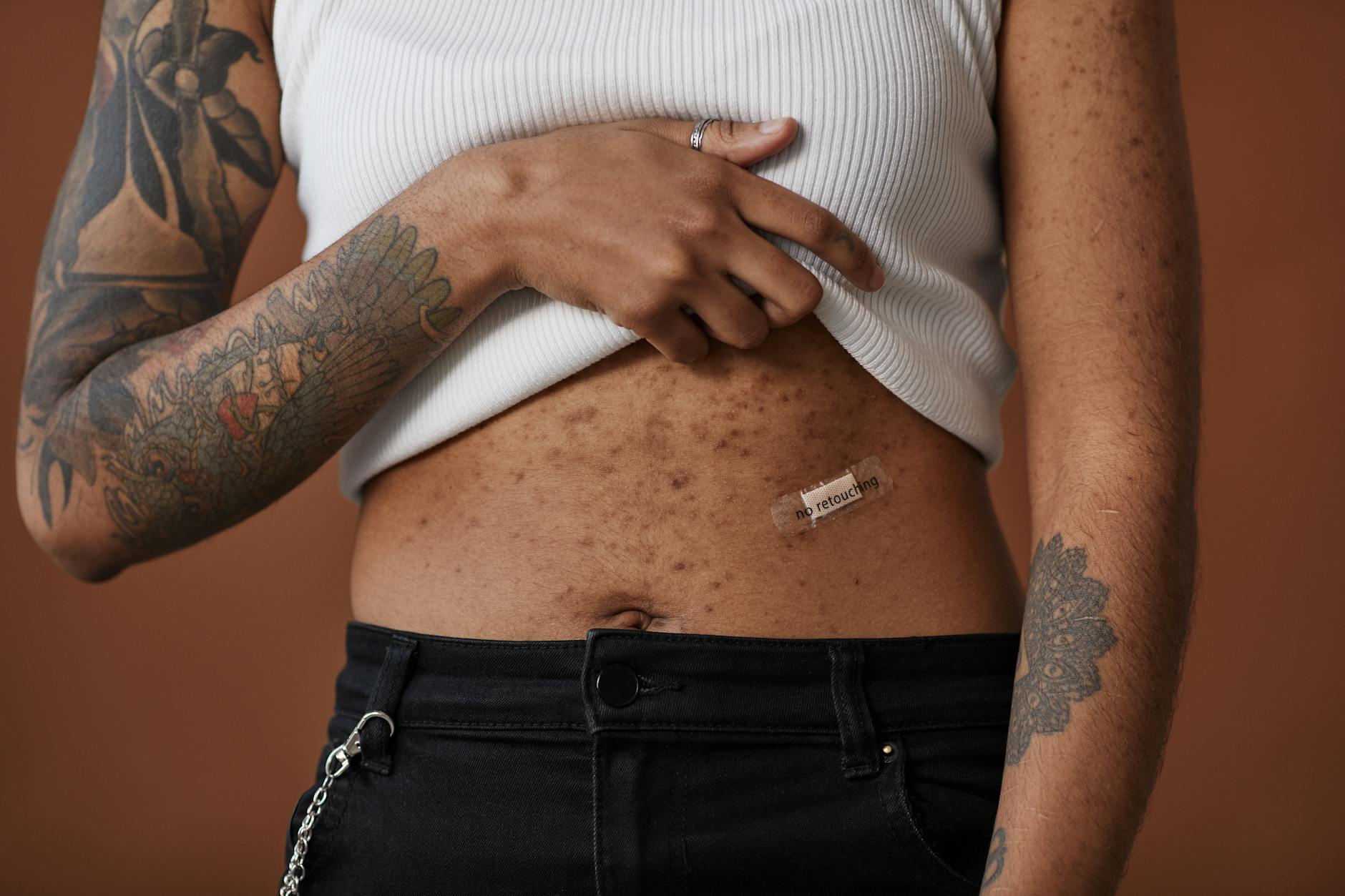
Body acne affects the torso and limbs differently than facial breakouts. Your body's skin is thicker and has larger pores, creating unique challenges for treatment and prevention. The back, chest, shoulders, and arms contain more sebaceous glands that produce oil, making these areas prone to clogged follicles.
“Body skin is fundamentally different from facial skin, requiring targeted approaches for effective acne management.”
Hair follicles on your body are deeper and wider than facial ones, allowing bacteria and dead skin cells to accumulate more easily. This environment creates the perfect storm for inflammatory acne. Unlike your face, body skin also experiences more friction from clothing and is harder to cleanse thoroughly. Understanding these differences helps prevent permanent scarring and guides you toward the right treatment approach for lasting clear skin.
Primary Causes of Body Acne

Body acne develops when four key factors combine to create the perfect storm for breakouts. Understanding these triggers helps you prevent the permanent scarring and social embarrassment that many people fear.
Excessive oil production creates the foundation for body acne. Your body's sebaceous glands produce more oil than your skin can handle, especially on oil-rich areas like your chest and back. When this excess oil mixes with dead skin cells, it clogs your pores and creates an environment where acne-causing bacteria thrive.
"Friction from tight clothing and sports equipment acts like sandpaper, irritating your skin and pushing bacteria deeper into pores."
Sweat compounds the problem by creating moisture that bacteria love. Your chest area, with its concentration of sweat glands, becomes particularly vulnerable when sweat sits on your skin for extended periods. This explains why gym-goers often develop breakouts after intense workouts.
Hormonal fluctuations affect your entire body, not just your face. During puberty, menstruation, or stress, hormone surges trigger increased oil production across your torso and limbs, making breakouts more likely in areas you might not expect.
Lifestyle Factors That Worsen Body Acne
Your daily habits significantly impact body acne severity across large skin surface areas including arms, legs, torso, and back that require regular moisturizing, sun protection, and gentle cleansing to maintain healthy skin barrier function. Poor hygiene after exercise creates the perfect storm for breakouts. When sweat and bacteria sit on your skin for hours, they clog pores and fuel inflammation.
Tight synthetic clothing traps moisture against your skin while synthetic fabrics prevent proper ventilation. Athletic wear made from polyester or nylon creates friction that irritates follicles. Choose loose-fitting cotton clothes whenever possible, especially after workouts.
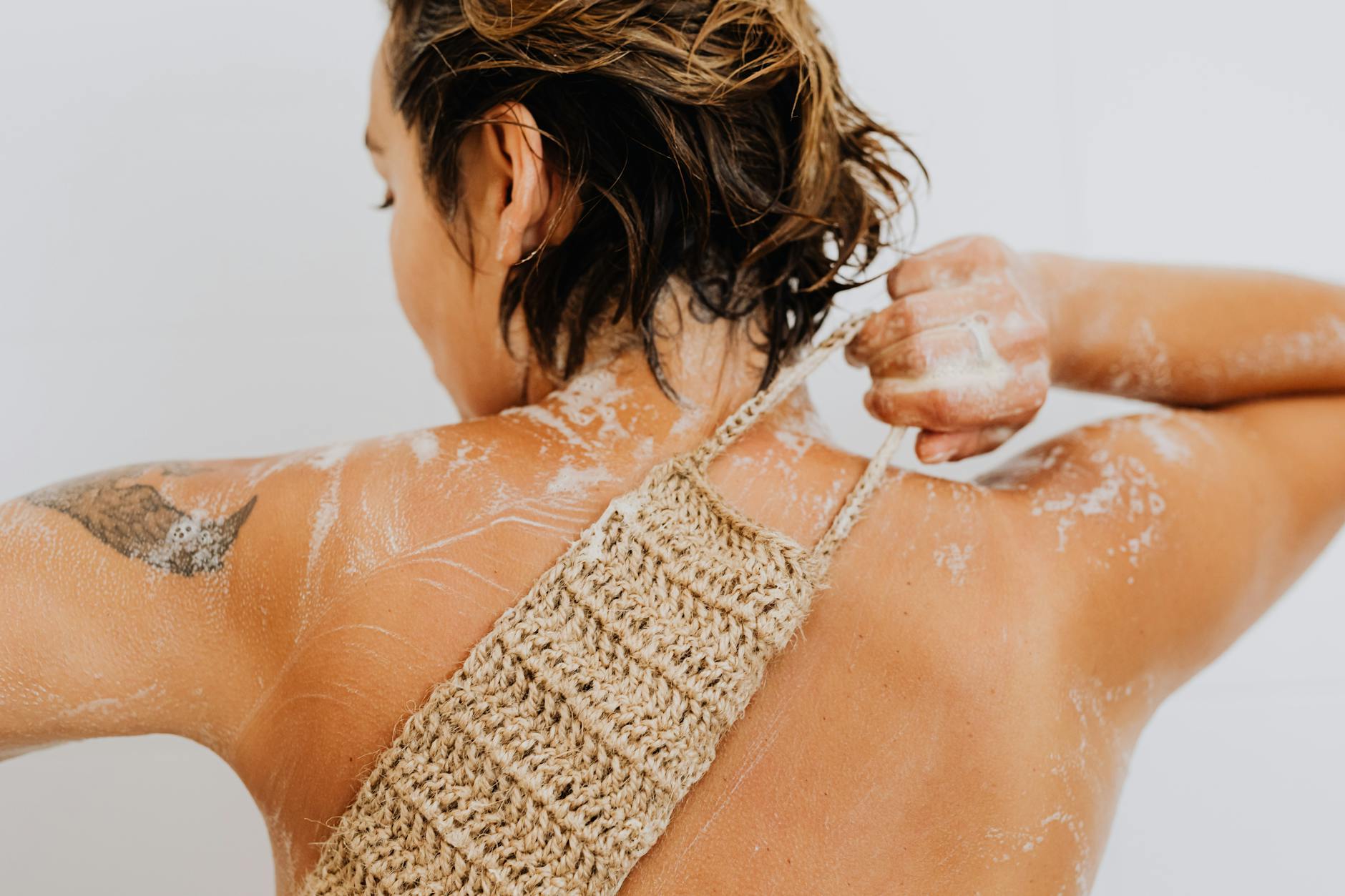
Aggressive scrubbing strips your skin's protective barrier, triggering increased oil production. Hair products containing oils and silicones drip onto your back and shoulders, causing stubborn breakouts that resist treatment and potentially lead to scarring if left untreated.
Prevention Strategies

Taking proactive steps prevents body acne from developing and reduces your risk of permanent scarring. The key is creating consistent habits that support healthy skin across your entire Body area.
Remove sweat and bacteria within 30 minutes of exercise or heavy perspiration.
Avoid synthetic materials that trap heat and moisture against your skin.
Wash with lukewarm water and avoid harsh scrubbing that irritates skin.
Avoid comedogenic oils like coconut oil in lotions and body products.
These prevention strategies work best when implemented together consistently. Clean sheets weekly and avoid touching or picking at your skin to prevent bacterial spread and scarring.
When Professional Help Is Needed
Recognizing when body acne requires dermatological care prevents complications and reduces your risk of permanent scarring. Self-treatment works for mild breakouts, but certain warning signs indicate you need expert intervention.
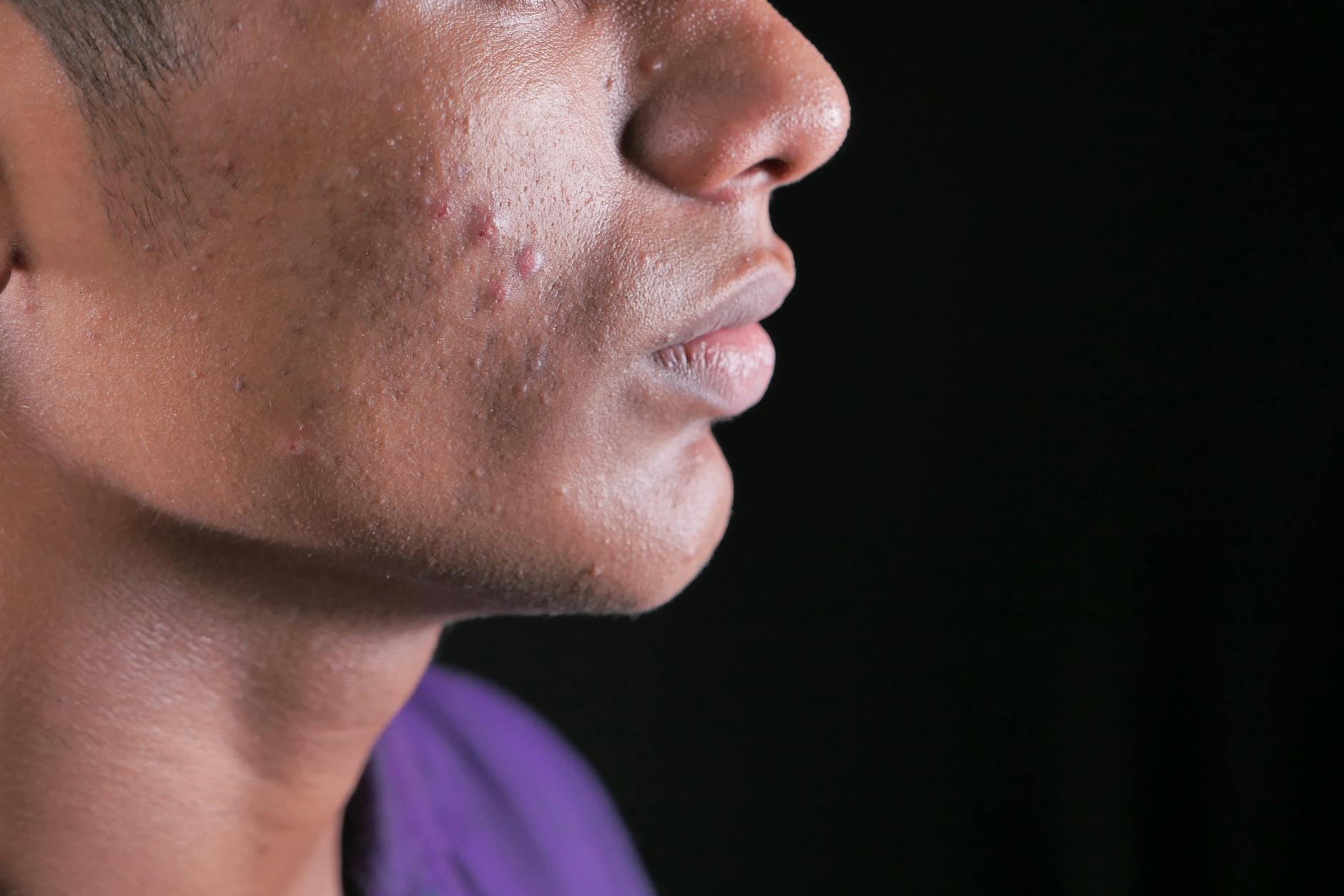
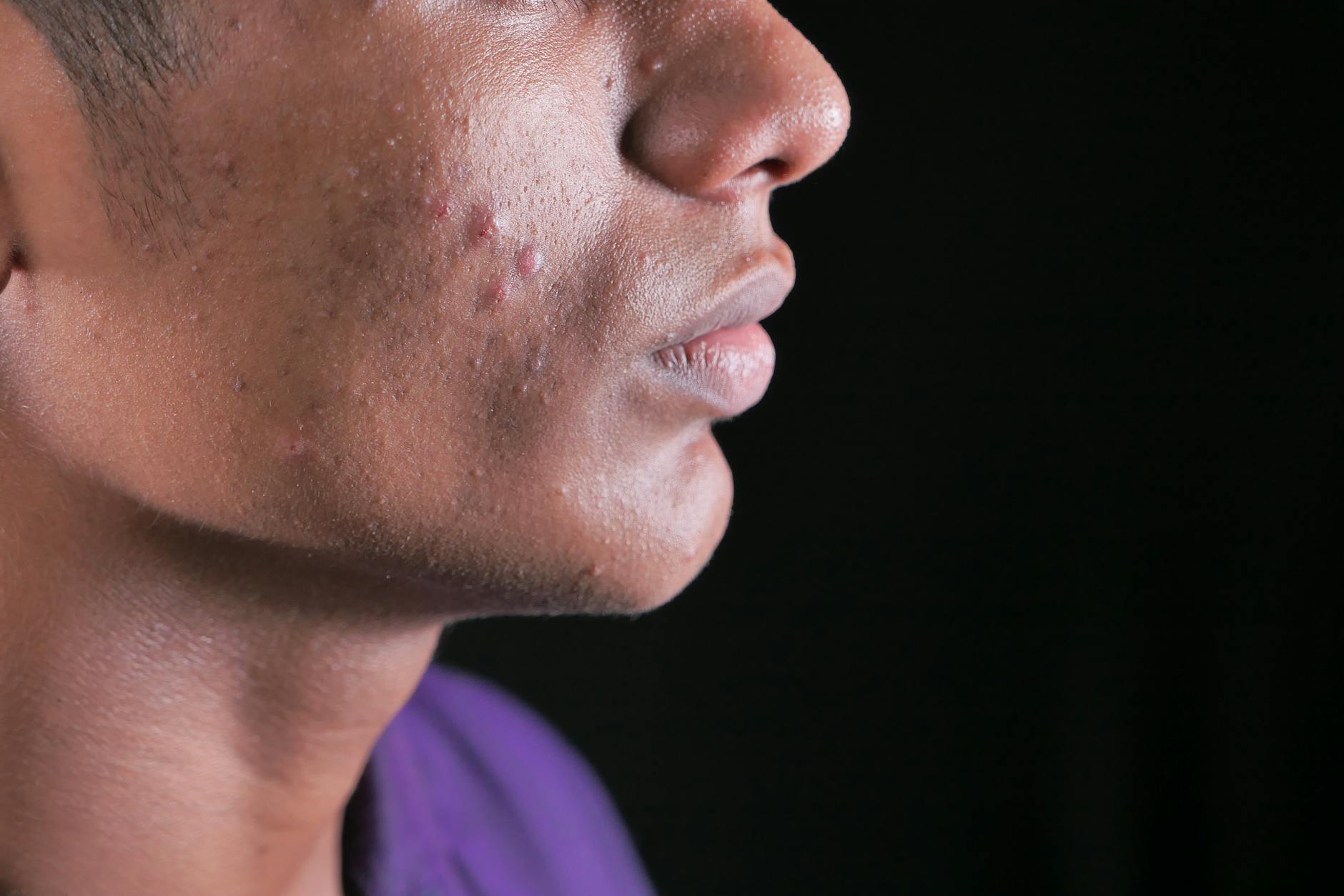
Seek professional help if breakouts persist after six to eight weeks of consistent home care. Cystic acne on your body appears as deep, painful bumps that feel hard beneath the skin surface. These inflammatory lesions require prescription treatments to prevent scarring and hyperpigmentation.
Schedule a dermatology appointment if you notice dark spots or indented marks developing where breakouts have healed. Early treatment of scarring concerns yields better results than waiting months for improvement.
Failed self-treatment attempts signal the need for stronger interventions. Dermatologists can prescribe topical retinoids, oral antibiotics, or hormonal treatments that target body acne more effectively than over-the-counter options.
See a dermatologist if body acne persists beyond eight weeks, shows signs of scarring, or doesn't respond to consistent self-care efforts.
Frequently Asked Questions
What causes body acne to develop?
Body acne develops when four key factors combine: excessive oil production, dead skin cells clogging pores, bacteria growth, and hormonal fluctuations. Your body's sebaceous glands produce more oil than your skin can handle, especially on areas like the chest and back. When this excess oil mixes with dead skin cells, it creates an environment where acne-causing bacteria thrive.
Why is body acne different from facial acne?
Body skin is thicker and has larger pores than facial skin, creating unique treatment challenges. Hair follicles on your body are deeper and wider than facial ones, allowing bacteria and dead skin cells to accumulate more easily. Body skin also experiences more friction from clothing and is harder to cleanse thoroughly than facial skin.
Does tight clothing make body acne worse?
Yes, tight synthetic clothing significantly worsens body acne by trapping moisture against your skin and preventing proper ventilation. Synthetic fabrics like polyester or nylon create friction that irritates follicles and acts like sandpaper, pushing bacteria deeper into pores. Studies show 85% acne improvement can occur with clothing changes, so choosing loose-fitting cotton clothes is recommended.
Can hair products cause back acne?
Yes, hair products containing oils and silicones can drip onto your back and shoulders, causing stubborn breakouts. These products clog pores and create an environment for bacteria to thrive. Research indicates that 60% of back acne cases are linked to hair products, and these breakouts often resist treatment and can lead to scarring if left untreated.
How does sweat contribute to body acne?
Sweat creates moisture that acne-causing bacteria love, especially when it sits on your skin for extended periods. The chest area is particularly vulnerable due to its concentration of sweat glands, which explains why gym-goers often develop breakouts after intense workouts. Poor hygiene after exercise allows sweat and bacteria to clog pores and fuel inflammation.
Disclaimer: This content is for informational purposes only and does not constitute medical advice. Always consult a qualified healthcare provider before making health decisions.