Understanding Body Acne

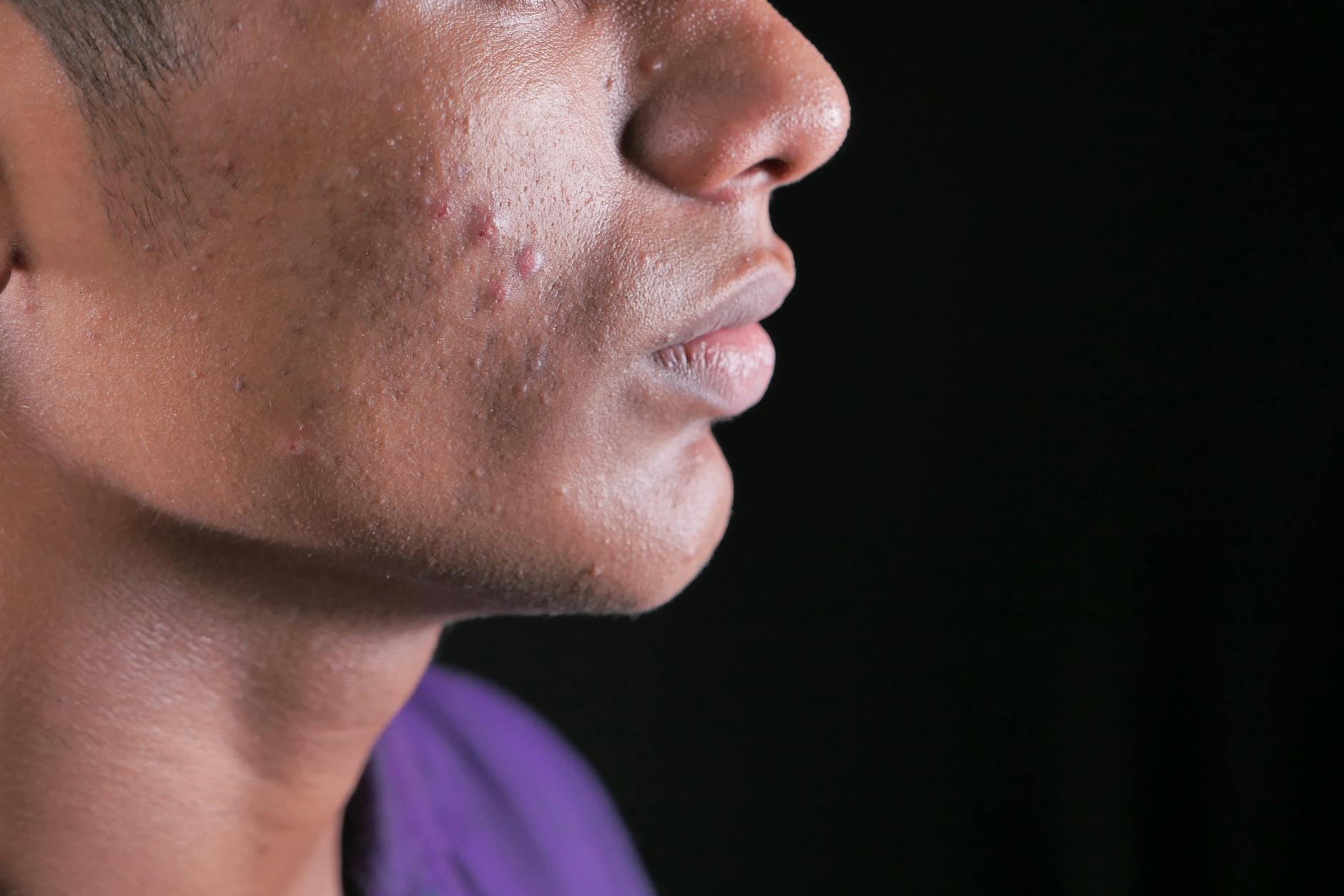
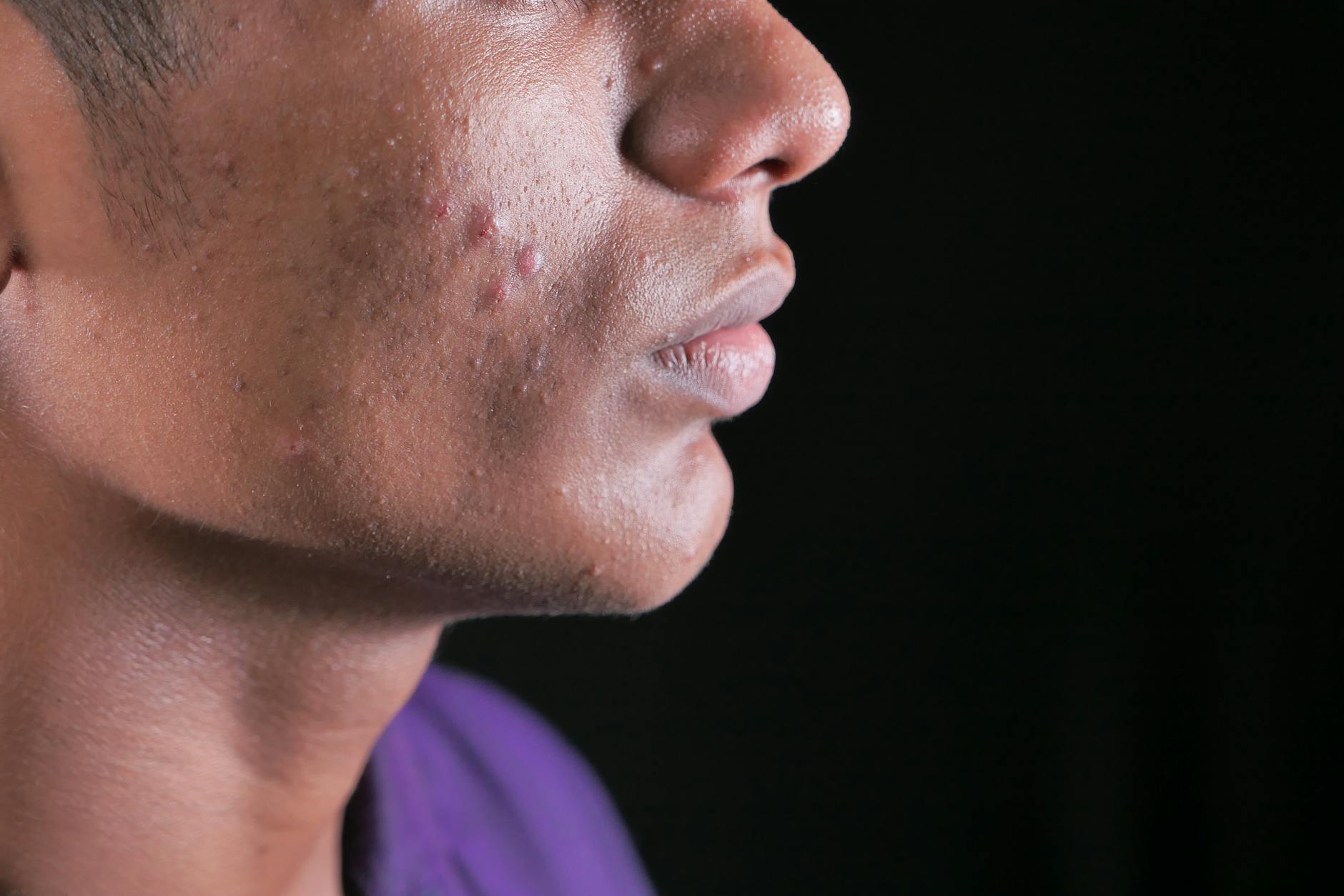
Body acne affects your torso and limbs differently than facial breakouts, requiring a specialized approach to treatment. The skin on your body is significantly thicker than facial skin and contains sebaceous glands distributed in unique patterns, particularly concentrated on your chest, back, and shoulders.
“Body acne forms when thicker skin traps oil and bacteria more readily than the delicate facial area.”
Several factors make body acne particularly stubborn. Friction from tight clothing creates constant irritation, while sweat trapped under synthetic fabrics feeds acne-causing bacteria. Your chest and back bear the brunt of these issues because they produce more oil and experience more friction from bras, backpacks, and fitted shirts.
Unlike facial acne that responds quickly to gentle treatments, body breakouts need stronger ingredients to penetrate thicker skin. The good news? With proper care, body acne rarely causes the deep scarring that many people fear, making it highly treatable when you understand these fundamental differences.
Daily Body Acne Skincare Routine

Building an effective daily routine for body acne requires specific techniques that work across the large skin surface areas of your torso and limbs. Unlike facial skincare, treating body acne means covering more ground with products designed for these unique needs.
"Consistency with your body acne routine matters more than expensive products when it comes to preventing permanent scarring."
Use a gentle, non-comedogenic body wash with salicylic acid in the shower, focusing on affected areas like your back, chest, and shoulders.
Pat skin dry and apply a thin layer of benzoyl peroxide or retinoid cream to acne-prone areas while skin is still slightly damp.
Use an oil-free body moisturizer on treated areas to prevent excessive dryness that can worsen breakouts.
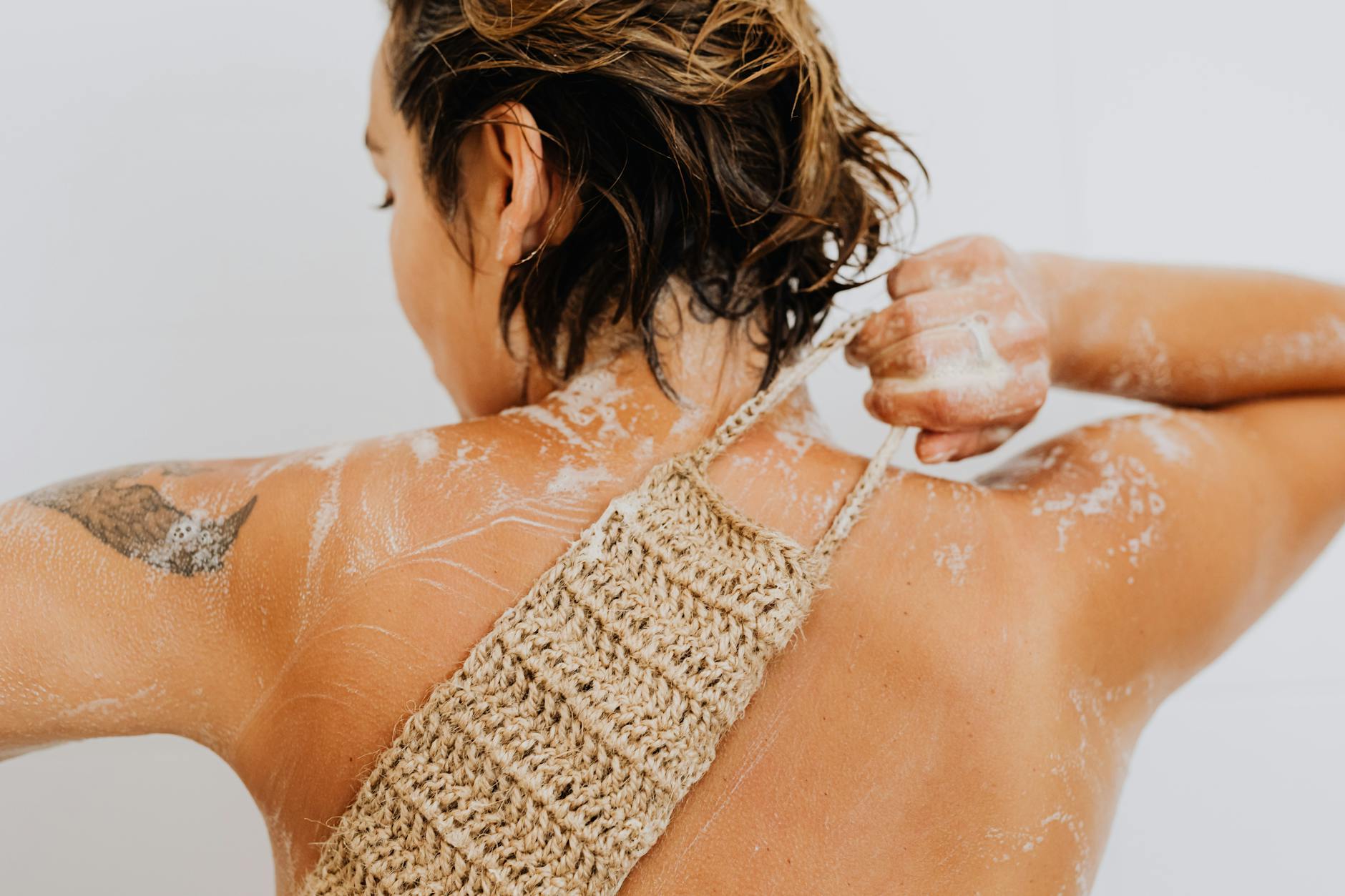
Repeat cleansing after workouts or at bedtime, using a soft cloth to gently remove dead skin cells without scrubbing harshly.
When applying products to your body, work in sections rather than trying to cover everything at once. Start with your back using a long-handled applicator, then move to your chest and arms. This systematic approach ensures even coverage and prevents missed spots that could harbor bacteria.
Remember that body skin is thicker than facial skin, so products may take longer to show results. Most people see improvement within 6-8 weeks of consistent use. The key is maintaining this routine even when your skin looks clear to prevent future breakouts and avoid the social embarrassment that comes with visible body acne.
Best Ingredients for Body Acne
Three powerhouse ingredients can transform your body acne situation when used correctly. Understanding how these actives work on large skin surface areas helps you clear breakouts without causing irritation or the scarring you're worried about.
Salicylic acid serves as your gentle exfoliation champion for the Body. This beta-hydroxy acid penetrates oil-clogged pores on your back, chest, and shoulders, dissolving dead skin cells that trap bacteria. Start with 0.5% concentration products and apply them to clean, dry skin. The Neutrogena Body Clear Body Wash contains 2% salicylic acid and works well for daily use across large areas without over-drying.
Benzoyl peroxide kills acne-causing bacteria effectively but requires careful application on body areas. This ingredient works by releasing oxygen that destroys P. acnes bacteria living in your pores. Use 2.5% strength initially and apply only to affected areas, never your entire torso. Always follow with moisturizer since benzoyl peroxide can bleach clothing and bed sheets.
Safety matters when treating large surface areas. Apply actives to one section at a time, wait 48 hours to check for reactions, then gradually expand coverage. Never combine salicylic acid and benzoyl peroxide in the same routine without dermatologist guidance. Your skin barrier needs protection while fighting breakouts.
Common Mistakes to Avoid

Even with the best intentions, many people unknowingly sabotage their body acne treatment through common errors that can worsen breakouts and potentially lead to scarring.
Over-scrubbing large skin surface areas ranks as the most frequent mistake. Your body covers significantly more area than your face, making aggressive scrubbing particularly damaging. Using rough loofahs, pumice stones, or harsh brushes on acne-prone areas creates micro-tears in the skin, allowing bacteria to spread and inflammation to worsen. Instead, use gentle circular motions with your hands or a soft washcloth.
Using harsh products destroys your skin's natural barrier function. Many people assume stronger means better, reaching for products with high alcohol content or multiple active ingredients. This approach strips away protective oils, triggering your skin to produce even more sebum. Your hands should be the primary tools for applying gentle, pH-balanced cleansers to your body.
Neglecting post-workout care creates perfect conditions for acne bacteria to thrive. Sweat mixed with dead skin cells and workout gear friction clogs pores rapidly. Change out of sweaty clothes immediately after exercise and shower within 30 minutes when possible. If immediate showering isn't feasible, use gentle cleansing wipes on affected areas.
When to See a Dermatologist
Persistent body acne that doesn't respond to over-the-counter treatments after 6-8 weeks signals it's time for professional help. Your regular skincare routine may not be strong enough to tackle stubborn breakouts across your body's large surface areas.
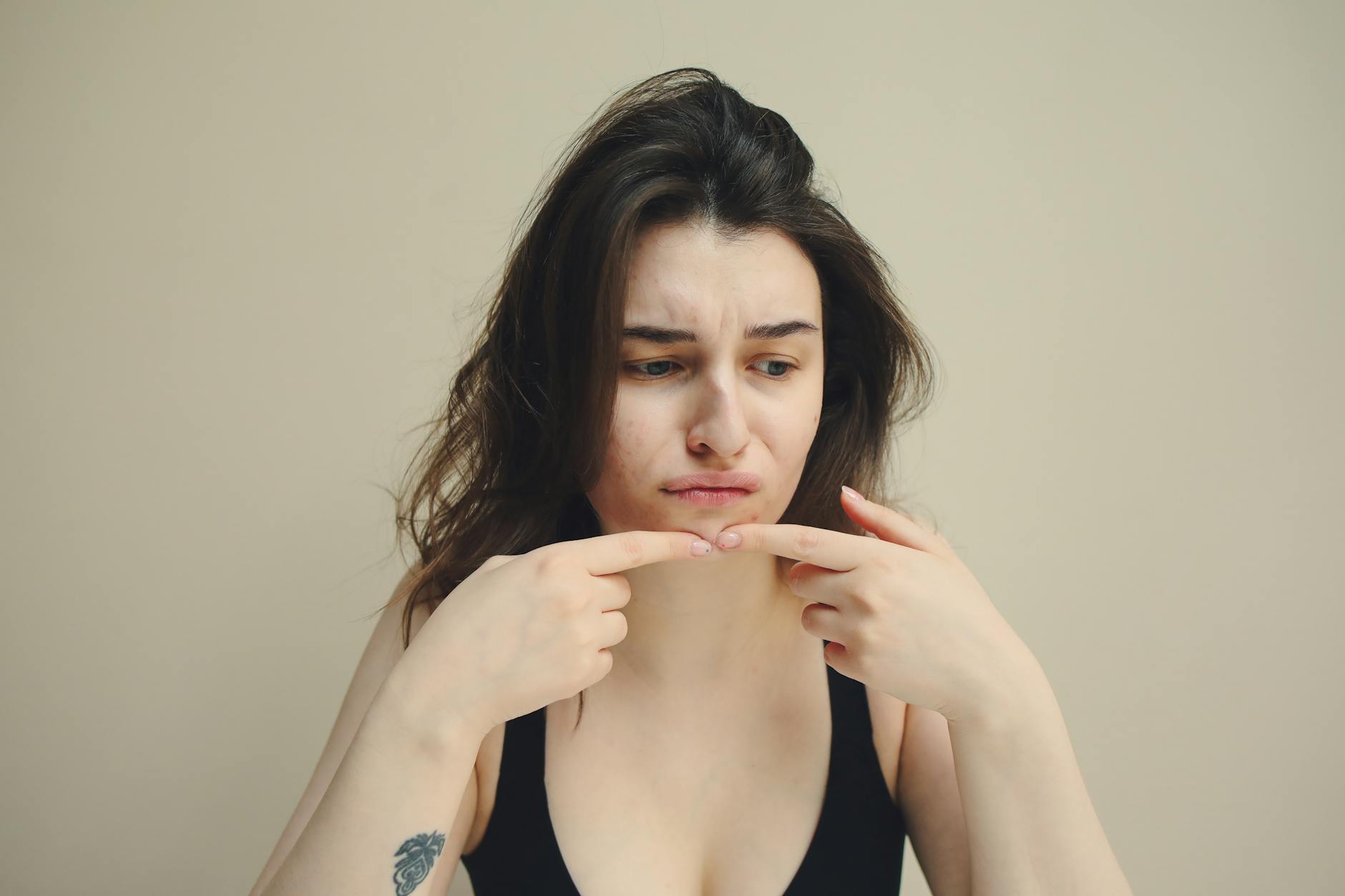
Watch for these warning signs that require dermatological intervention: deep, painful cysts on your chest, back, or shoulders; widespread inflammation covering multiple body areas; or acne leaving dark marks or permanent scarring. These symptoms indicate your condition has progressed beyond what drugstore products can handle effectively.
Dermatologists offer powerful prescription treatments unavailable over-the-counter, including topical antibiotics, retinoids, and oral medications like isotretinoin for severe cases. They can also perform professional extractions and provide cortisone injections for large, painful cysts that refuse to heal.
Don't wait until scarring becomes permanent—early professional intervention prevents long-term skin damage and gets you back to clear, healthy skin faster than struggling alone with ineffective treatments.
See a dermatologist when over-the-counter treatments fail after 6-8 weeks or when you notice painful cysts and potential scarring.
Frequently Asked Questions
Why is body acne harder to treat than facial acne?
Body skin is 2-3 times thicker than facial skin and contains sebaceous glands concentrated on the chest, back, and shoulders. This thicker skin traps oil and bacteria more readily, while friction from clothing and trapped sweat under synthetic fabrics make the problem worse. Unlike facial acne that responds to gentle treatments, body breakouts need stronger ingredients to penetrate the thicker skin.
What percentage of adults have body acne?
54% of adults experience body acne, with 80% of cases occurring on the back and chest areas. These areas are particularly prone to breakouts because they produce more oil and experience more friction from bras, backpacks, and fitted shirts.
How long does it take to see results from body acne treatment?
Most people see improvement within 6-8 weeks of consistent use of proper body acne treatments. Body skin is thicker than facial skin, so products may take longer to show results compared to facial acne treatments. Consistency with your routine matters more than expensive products when it comes to preventing permanent scarring.
What should I use to cleanse body acne?
Use a gentle, non-comedogenic body wash with salicylic acid in the shower, focusing on affected areas like your back, chest, and shoulders. For evening deep cleaning, repeat cleansing after workouts or at bedtime using a soft cloth to gently remove dead skin cells without scrubbing harshly.
Does body acne cause permanent scarring?
Body acne rarely causes the deep scarring that many people fear, making it highly treatable when you understand the fundamental differences from facial acne. With proper care and consistent treatment routines, body acne can be effectively managed without permanent damage.
Disclaimer: This content is for informational purposes only and does not constitute medical advice. Always consult a qualified healthcare provider before making health decisions.