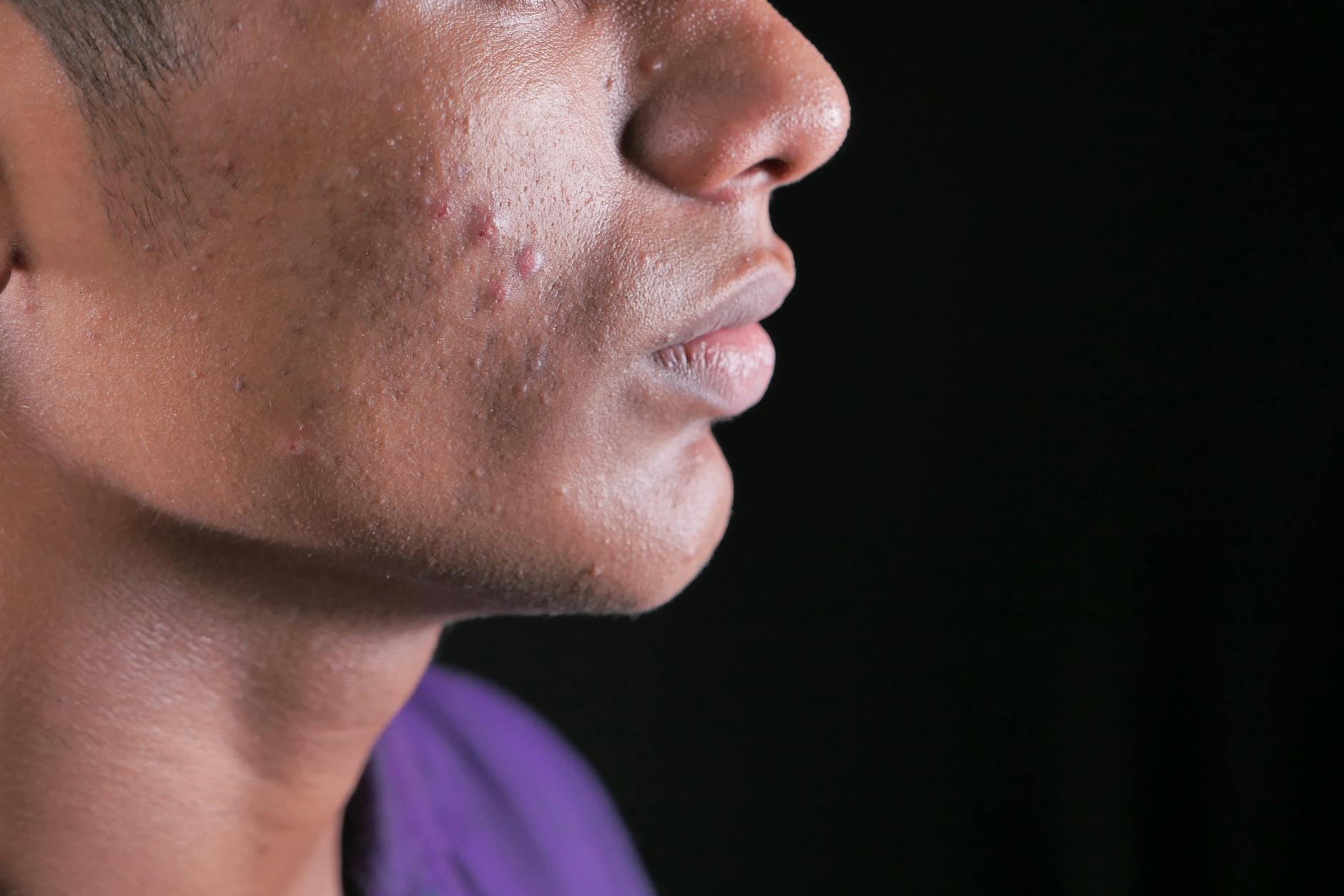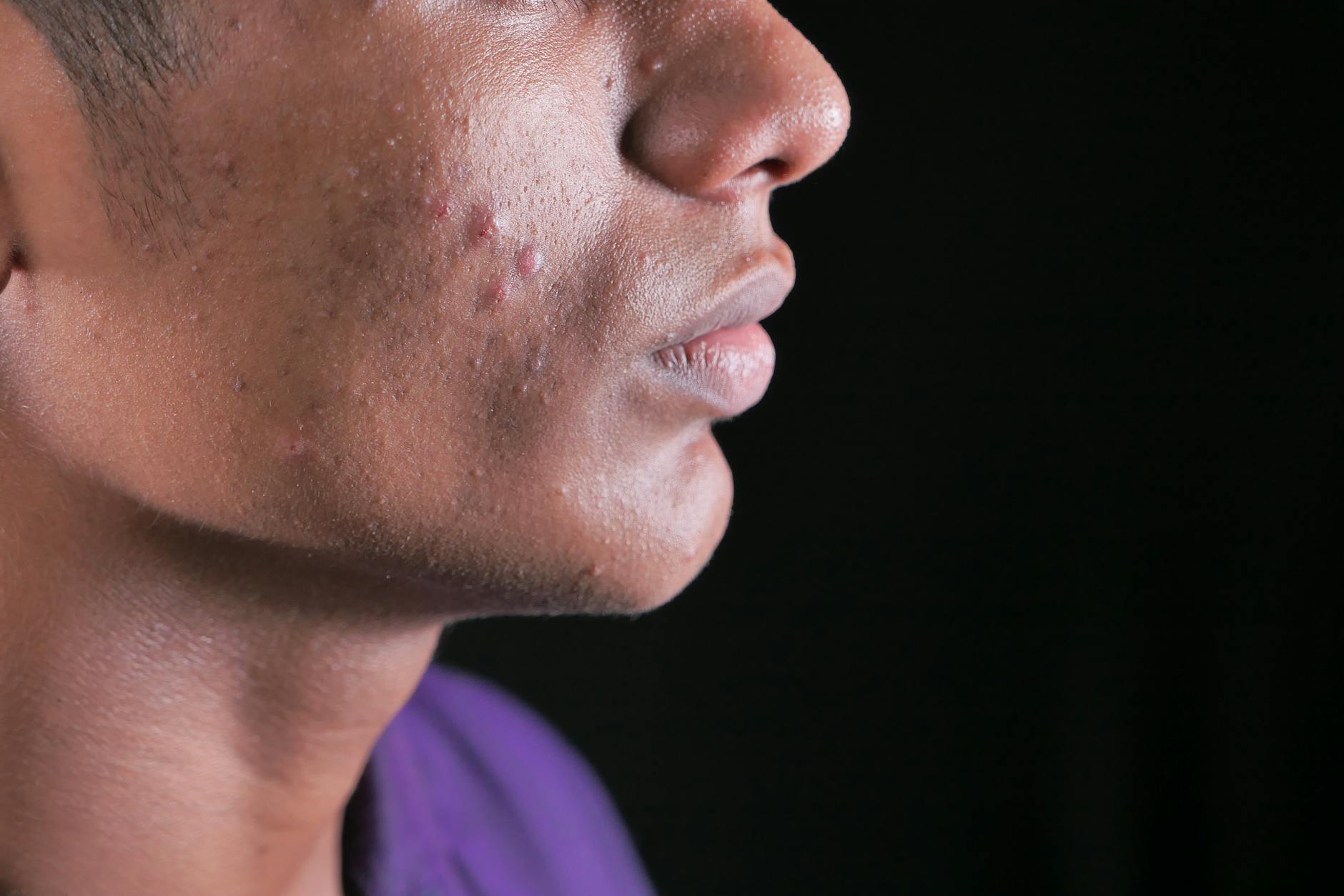
Quick Verdict: Face vs Body Acne

Face and body acne stem from the same clogged pore mechanism, but they require different treatment strategies due to distinct skin characteristics. Facial skin is thinner and more sensitive, demanding gentler formulations and careful product selection to prevent irritation that could worsen breakouts or lead to scarring.
“Body acne affects thicker skin that can tolerate stronger treatments, while facial acne requires precision and gentleness to prevent permanent damage.”
Body acne occurs on larger skin surface areas including arms, legs, torso, and back that have thicker, more resilient skin. This allows for stronger concentrations of active ingredients like salicylic acid or benzoyl peroxide. Body-specific products also address friction from clothing and increased sweat production in these areas. Choose face-specific products for delicate facial skin and body-targeted treatments for trunk and limb breakouts to achieve faster, safer results.
What Makes Face and Body Acne Different

Your facial skin differs dramatically from your body skin in ways that directly impact acne formation. Face skin measures only 1.5-2mm thick, while body areas like your chest and back have skin that's 3-4mm thick. This thickness difference affects how quickly treatments penetrate and how visible breakouts appear.
“Facial skin contains 900 sebaceous glands per square centimeter compared to just 100 on your back.”
Oil gland density varies significantly between areas. Your face produces the most sebum, particularly in the T-zone, creating ideal conditions for clogged pores. Your chest has moderate oil production, while your back produces less but covers a larger surface area.
Environmental factors create unique challenges for body acne. Your chest faces constant sun exposure, leading to hyperpigmentation that makes scars more visible—addressing your concern about permanent marking. Meanwhile, tight clothing traps sweat and bacteria against your back and shoulders, creating friction that irritates existing breakouts.
Fabric occlusion plays a major role in body acne development. Synthetic materials prevent proper air circulation, while natural fibers like cotton allow your skin to breathe. This explains why athletes often develop back acne despite having clear faces.
Face vs Body Acne: Side-by-Side Comparison
Understanding the key differences between facial and body acne helps you choose the right treatment approach and avoid costly mistakes that could worsen your breakouts.
Face acne typically appears as smaller whiteheads and blackheads around the T-zone, while body acne often presents as larger, deeper cysts on the chest, back, and shoulders. Your facial skin tolerates gentler ingredients like 0.5% salicylic acid, but your body can handle stronger formulations up to 2.5% without irritation.
Treatment timelines differ significantly between areas. Facial breakouts usually clear within 6-8 weeks with consistent care, while body acne requires 12-16 weeks due to thicker skin that slows product penetration. The chest area falls somewhere between, responding in 8-12 weeks.
Prevention strategies also vary by location. Your face needs lightweight, non-comedogenic moisturizers and gentle cleansing twice daily. Your body benefits from exfoliating body washes, breathable fabrics, and immediate post-workout showers. Both areas require consistent sunscreen to prevent post-inflammatory hyperpigmentation that can cause permanent dark spots and scarring concerns.
Treatment Approaches: Why One Size Doesn't Fit All
Your face and body require completely different acne treatment strategies. Face skin measures only 0.1-0.2 millimeters thick, making it extremely sensitive to harsh ingredients. Body skin runs 2-3 times thicker, especially on areas like your back and shoulders, which means it can handle stronger formulations without irritation.
Facial treatments focus on gentle, pH-balanced products with lower concentrations of active ingredients. Salicylic acid works well at 0.5-1% for face acne, while benzoyl peroxide should stay under 2.5%. Your face also produces more oil per square inch, requiring lightweight, non-comedogenic moisturizers that won't clog pores.
Body acne responds better to stronger formulations. You can safely use 5-10% benzoyl peroxide or 2% salicylic acid on your torso and back. Body treatments also require different application methods - spray bottles work better for hard-to-reach areas, while face products need precise application with clean hands.
Treatment frequency differs too. Face products typically start with every-other-day application, while body treatments can often begin with daily use due to thicker skin tolerance.
Who Should Focus on Face vs Body Acne Treatment

Prioritizing face treatment makes sense when breakouts appear primarily around your T-zone, jawline, or cheeks. Your face requires immediate attention if acne affects your daily confidence or if you notice inflammatory papules and pustules that could lead to permanent scarring. Since facial skin heals faster due to increased blood flow, you'll see results more quickly here.
Focus on body acne first when severe breakouts cover large areas of your chest, back, or shoulders. Body acne often indicates hormonal imbalances or friction from clothing that needs addressing systemically. The chest area, particularly the décolletage, deserves priority if you experience painful cystic lesions that interfere with sleep or clothing choices.
Many people benefit from concurrent treatment since face and body acne often share root causes like hormonal fluctuations or dietary triggers. However, avoid overwhelming your skin with too many new products simultaneously.
Seek professional consultation immediately if you develop nodular acne anywhere on your body, notice rapid spreading of breakouts, or experience emotional distress that affects your daily activities. A dermatologist can create a targeted treatment hierarchy that addresses your most pressing concerns while preventing future scarring.
Our Recommendation: Tailored Treatment Strategy
Success comes from treating Face and Body acne as distinct conditions requiring different approaches. Your face needs gentler products with lower concentrations of active ingredients, while your Body can tolerate stronger formulations due to thicker skin.
Use facial cleansers on your face and body washes on your torso to avoid irritation.
Select 2% salicylic acid for face and up to 10% benzoyl peroxide for body breakouts.
Track which areas improve faster and modify your approach accordingly.
See a dermatologist if over-the-counter treatments fail after 12 weeks, or if you develop cystic acne that could lead to scarring. Professional intervention prevents permanent skin damage and addresses your concerns about lasting marks.
Long-term maintenance requires consistent daily routines rather than sporadic intensive treatments. Focus on prevention through proper cleansing, moisturizing, and sun protection across both areas.
Treat face and body acne separately with area-specific products and seek professional help before scarring develops.
Frequently Asked Questions
What is the difference between face and body acne?
Face and body acne stem from the same clogged pore mechanism, but require different treatment strategies due to distinct skin characteristics. Facial skin is thinner (1.5-2mm) and more sensitive, while body skin is thicker (3-4mm) and can tolerate stronger treatments. Face acne typically appears as smaller whiteheads and blackheads in the T-zone, while body acne often presents as larger, deeper cysts on the chest, back, and shoulders.
Why does body acne take longer to clear than face acne?
Body acne requires 12-16 weeks to clear compared to 6-8 weeks for facial breakouts due to thicker skin that slows product penetration. The thicker skin on your body (3-4mm versus 1.5-2mm on face) creates a barrier that makes it harder for treatments to reach clogged pores effectively. Your chest area falls somewhere between, typically responding in 8-12 weeks.
Can I use the same acne products on my face and body?
No, you should use face-specific products for delicate facial skin and body-targeted treatments for trunk and limb breakouts to achieve faster, safer results. Facial skin tolerates gentler ingredients like 0.5% salicylic acid, while your body can handle stronger formulations up to 2.5% without irritation. Using body products on your face can cause irritation and potentially worsen breakouts or lead to scarring.
Why do I get more body acne when I exercise?
Athletes often develop back acne despite having clear faces because tight clothing traps sweat and bacteria against your back and shoulders, creating friction that irritates existing breakouts. Synthetic materials prevent proper air circulation, while fabric occlusion plays a major role in body acne development. This explains why you might notice more breakouts in areas covered by workout gear or tight clothing.
How many oil glands are on my face compared to my body?
Facial skin contains 900 sebaceous glands per square centimeter compared to just 100 on your back. Your face produces the most sebum, particularly in the T-zone, creating ideal conditions for clogged pores. Your chest has moderate oil production, while your back produces less oil but covers a larger surface area.
Disclaimer: This content is for informational purposes only and does not constitute medical advice. Always consult a qualified healthcare provider before making health decisions.