Understanding Chest Acne

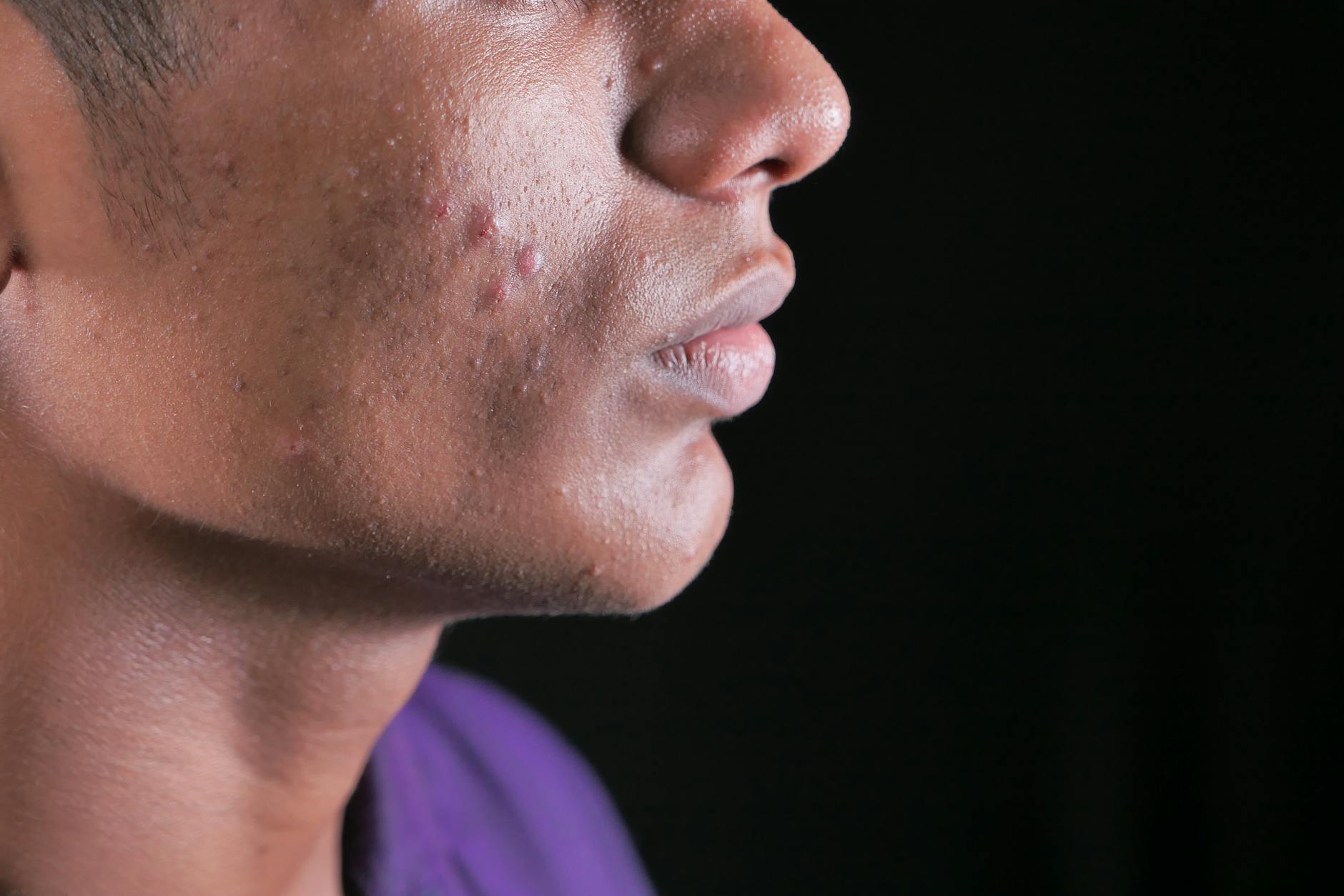
Chest acne affects a surprisingly large area of your body and behaves differently than the breakouts you might experience on your face. The décolletage region has thicker skin with larger pores and more sebaceous glands, making it particularly susceptible to clogged follicles and inflammatory acne.
“The chest area produces more oil than facial skin but receives less daily attention, creating perfect conditions for persistent breakouts.”
Several factors make your chest especially vulnerable to acne formation. Sweat and friction from clothing trap bacteria against your skin, while hair products and body lotions can migrate down from your scalp and neck, clogging pores. The constant exposure to UV rays also damages this delicate area, leading to hyperpigmentation that can persist long after breakouts heal.
Your chest connects to broader body acne patterns that often include your back and shoulders. Hormonal fluctuations, particularly during menstruation or stress, trigger oil production across these interconnected areas simultaneously. For example, if you notice breakouts starting along your jawline, they frequently spread down to your chest within days.
Understanding these unique characteristics helps explain why generic facial acne treatments often fail on chest breakouts. The skin here requires targeted approaches that address its specific thickness, oil production, and exposure patterns while preventing the scarring and discoloration that many people fear most.
Daily Chest Acne Treatment Routine

Creating a consistent daily routine targets chest acne at the source while preventing future breakouts. The chest and décolletage area requires specific care techniques that differ from facial skincare due to the larger surface area and unique skin characteristics.
“Consistency in your daily routine prevents minor breakouts from becoming permanent scars.”
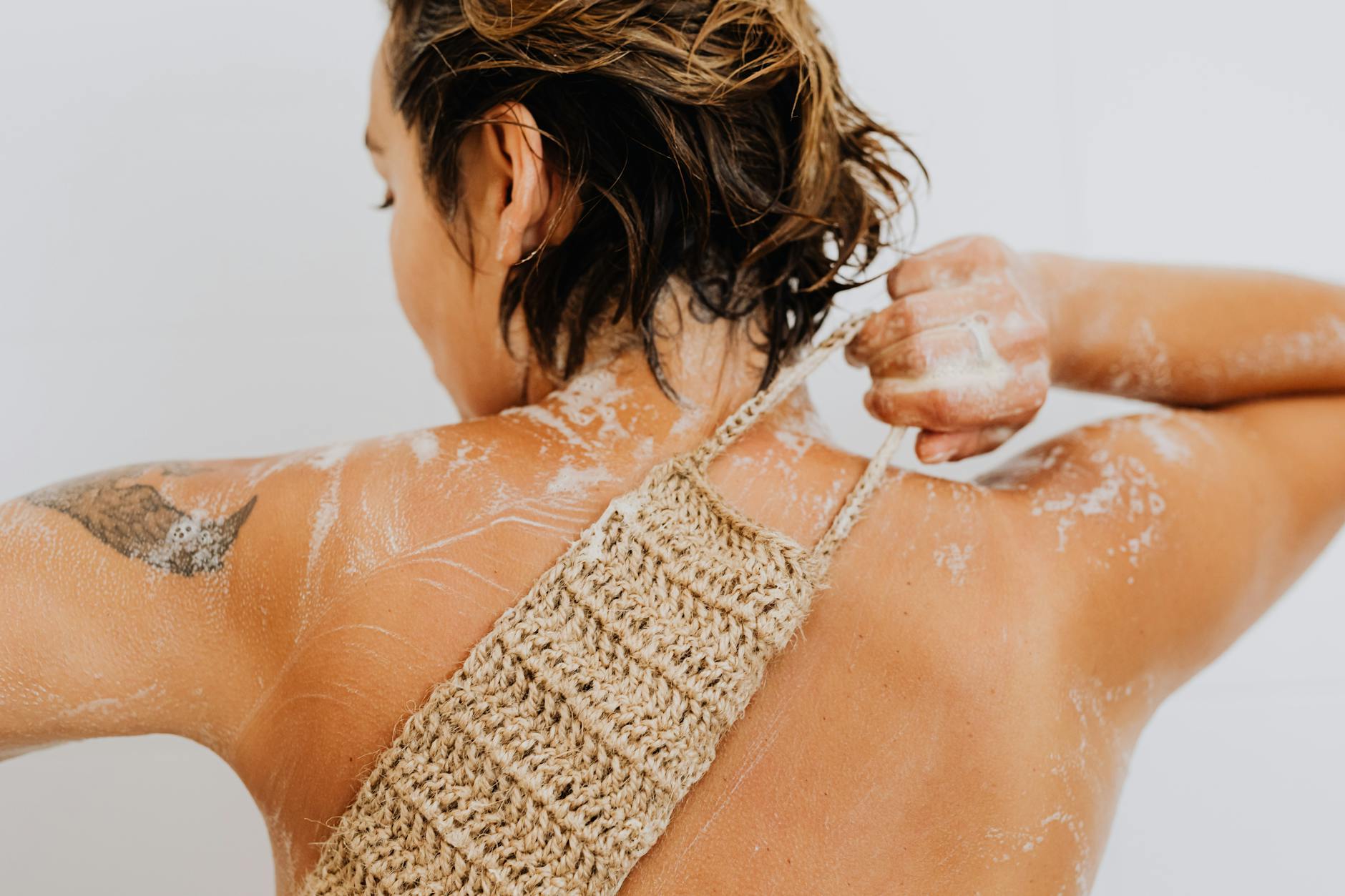
Your morning routine starts with gentle cleansing using lukewarm water and a non-comedogenic body wash. Apply the cleanser with your hands in circular motions across the entire chest area, avoiding harsh scrubbing that can irritate already inflamed skin. Rinse thoroughly to remove all product residue.
Use a salicylic acid body wash with gentle circular motions for 30 seconds.
Gently pat skin dry with a clean towel to avoid friction and irritation.
Use a thin layer of benzoyl peroxide gel on affected areas only.
Apply oil-free, non-comedogenic moisturizer to maintain skin barrier function.
Evening treatment focuses on deeper cleansing and active ingredients. After cleansing, apply topical treatments like benzoyl peroxide or retinoids to affected areas only. Wait 10-15 minutes before applying a lightweight, oil-free moisturizer designed for acne-prone skin.
The body's larger surface area means products spread differently than on facial skin. Use gentle, sweeping motions rather than rubbing to cover the chest area effectively without over-stimulating oil production or causing irritation.
Best Ingredients for Chest Acne
The chest area requires specific ingredients that can handle this large exposed area prone to acne, sun damage, hyperpigmentation, and premature aging due to UV exposure. Unlike facial treatments, chest acne products need to work effectively across broader surfaces while being gentle enough for daily use.
Salicylic acid stands as the gold standard for body acne treatment. This beta-hydroxy acid penetrates deep into pores to dissolve oil buildup and dead skin cells that clog follicles across your chest. Start with 0.5% to 2% concentrations in body washes or leave-on treatments. CeraVe SA Body Wash provides an excellent example of effective salicylic acid formulation for chest application.
Benzoyl peroxide kills acne-causing bacteria effectively on chest skin. Begin with 2.5% concentrations to avoid irritation, applying thin layers to clean, dry skin. This ingredient prevents the bacterial overgrowth that leads to inflammatory breakouts and potential scarring.
Gentle retinoids like retinyl palmitate help accelerate cell turnover without the harsh effects of prescription-strength retinoids. These vitamin A derivatives smooth skin texture and prevent future breakouts when used consistently.
Sun protection becomes crucial for preventing post-acne hyperpigmentation. Zinc oxide and titanium dioxide provide broad-spectrum protection without clogging pores, essential for maintaining clear chest skin long-term.
Common Mistakes to Avoid

Even with the right ingredients, certain mistakes can sabotage your progress and potentially lead to permanent scarring. Understanding these pitfalls helps you avoid setbacks that could prolong your journey to clear skin.
Over-scrubbing the chest area ranks as the most damaging mistake. The skin on your body can handle more aggressive cleansing than your face, but excessive scrubbing with washcloths or harsh exfoliants creates micro-tears that invite bacteria. This irritation triggers inflammation and can worsen existing breakouts while creating new ones.
Many people mistakenly apply facial products to their chest without adjusting application methods. Face products often require smaller amounts and gentler application. When treating larger body surface areas, you need more product coverage but still gentle techniques to avoid overwhelming the skin barrier.
Skipping sun protection during acne treatment creates a double problem. Active ingredients increase photosensitivity, making hyperpigmentation more likely. Inconsistent application on hard-to-reach areas between your shoulder blades or lower chest creates uneven results. Use a long-handled applicator or ask for help rather than leaving spots untreated.
When to See a Dermatologist
Knowing when to seek professional help can prevent permanent scarring and accelerate your path to clear skin. Several warning signs indicate it's time to schedule a dermatology appointment for your chest acne.
Severe chest acne requires immediate professional attention. Look for deep, painful cysts larger than a pencil eraser, widespread inflammation across your décolletage area, or any lesions that feel warm to the touch. These symptoms suggest cystic acne that won't respond to over-the-counter treatments.
If you've used drugstore treatments consistently for 6-8 weeks without improvement, professional intervention becomes necessary. Your dermatologist can prescribe stronger topical medications, oral antibiotics, or hormonal treatments that target acne from multiple angles.
Professional treatments include prescription retinoids, chemical peels, and laser therapy specifically designed for the sensitive chest area. Early intervention prevents the dark spots and textural changes that make many people self-conscious about wearing low-cut clothing.
Seek professional help when chest acne is severe, painful, or hasn't improved after two months of consistent over-the-counter treatment.
Frequently Asked Questions
Why is chest acne different from facial acne?
Chest acne affects a larger area with thicker skin, larger pores, and more sebaceous glands than facial skin. The chest area produces more oil but receives less daily attention, creating perfect conditions for persistent breakouts. Additionally, sweat and friction from clothing trap bacteria against the skin, while hair products and body lotions can migrate down and clog pores.
What causes chest acne to spread to other areas?
Your chest connects to broader body acne patterns that often include your back and shoulders. Hormonal fluctuations, particularly during menstruation or stress, trigger oil production across these interconnected areas simultaneously. For example, breakouts starting along your jawline frequently spread down to your chest within days.
How should I cleanse my chest for acne treatment?
Start with gentle cleansing using lukewarm water and a non-comedogenic body wash, specifically a salicylic acid body wash. Apply the cleanser with your hands in circular motions for 30 seconds across the entire chest area, avoiding harsh scrubbing that can irritate inflamed skin. Always rinse thoroughly to remove all product residue.
What is the correct daily routine for treating chest acne?
Morning routine includes gentle cleansing with salicylic acid body wash, patting dry with a clean towel, applying a thin layer of benzoyl peroxide gel on affected areas, and moisturizing with oil-free products. Evening treatment focuses on deeper cleansing and active ingredients like benzoyl peroxide or retinoids, followed by waiting 10-15 minutes before applying lightweight, oil-free moisturizer. Consistency in your daily routine prevents minor breakouts from becoming permanent scars.
Disclaimer: This content is for informational purposes only and does not constitute medical advice. Always consult a qualified healthcare provider before making health decisions.