Understanding Cystic Body Acne

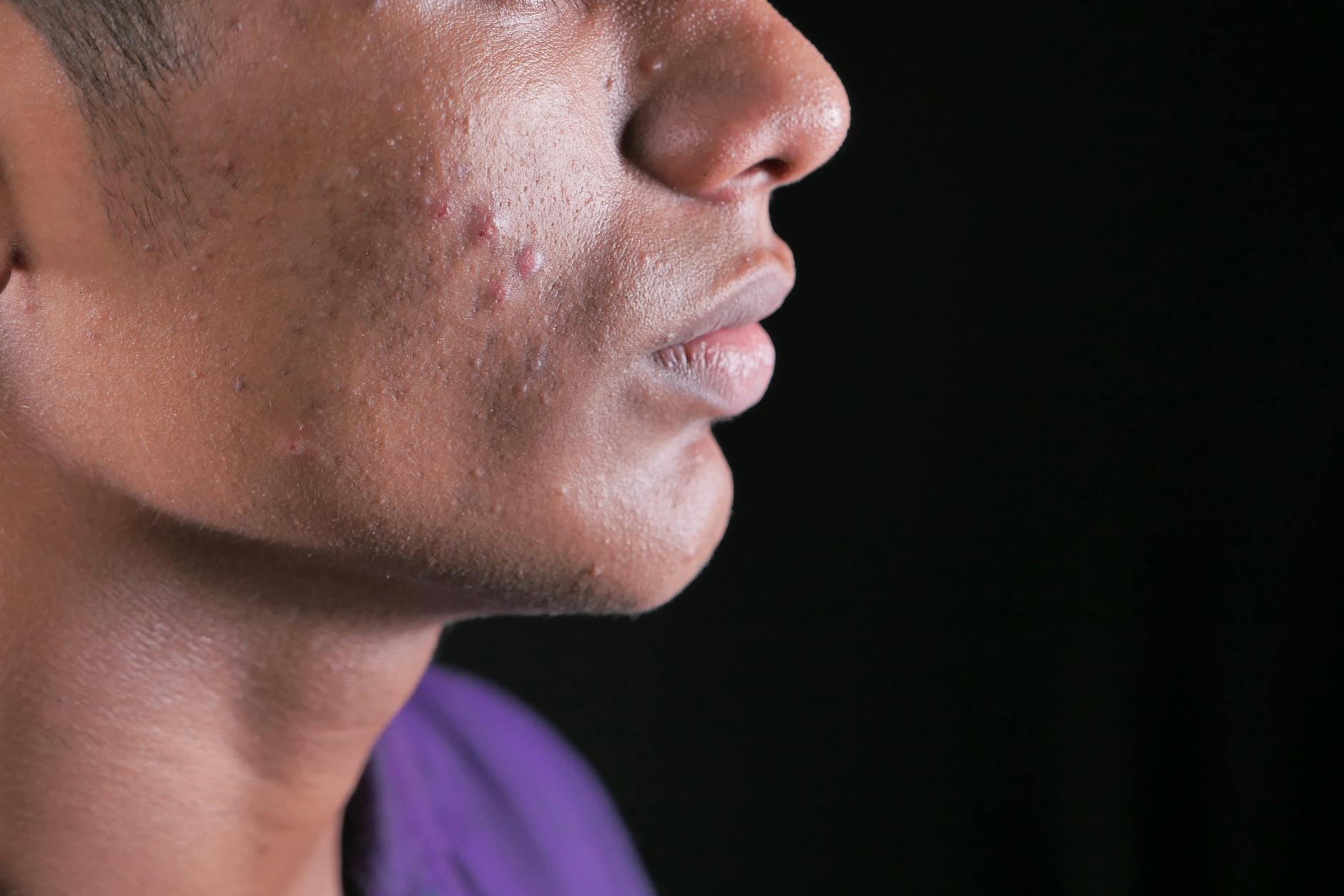
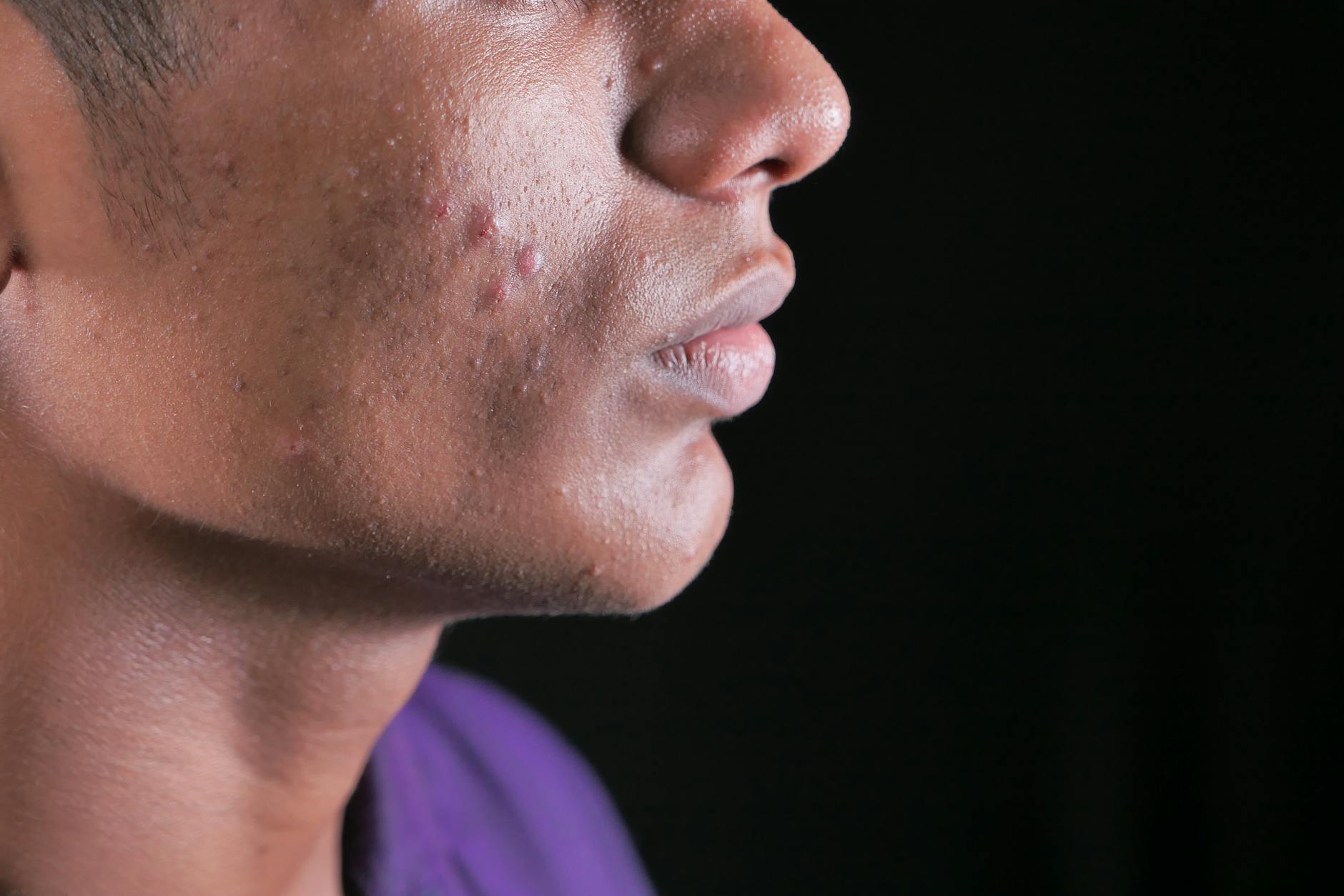
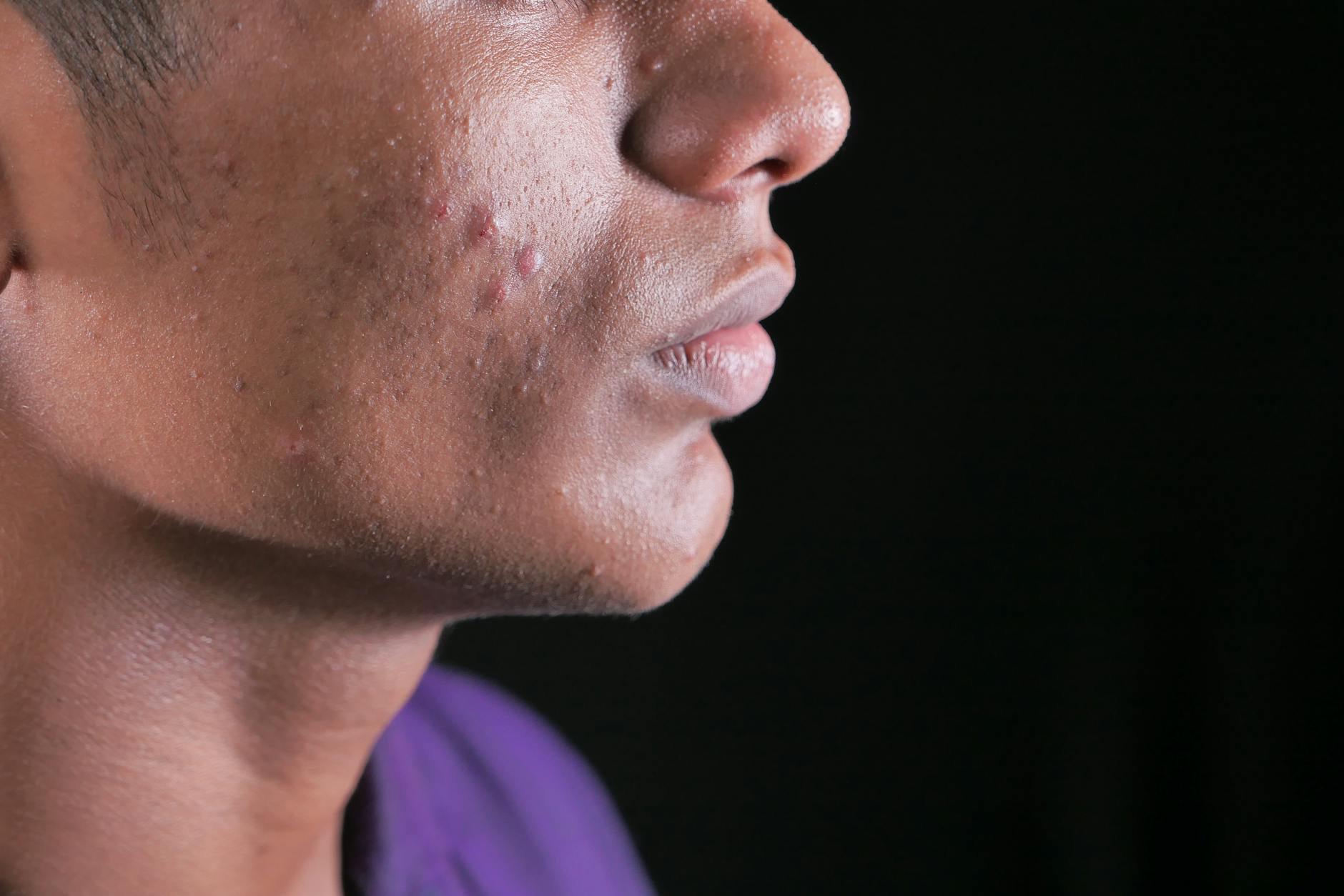
Cystic acne represents the most severe form of acne, characterized by deep, painful, inflamed cysts and nodules that form beneath the skin's surface. Unlike regular pimples, these lesions develop when bacteria, oil, and dead skin cells become trapped deep within pores, creating large, tender bumps that can persist for weeks or months.
“Cystic acne affects 1-2% of adolescents and young adults, with males experiencing higher rates than females.”
While facial acne gets the most attention, cystic acne commonly affects the neck, chest, back, and shoulders. The chest area, or décolletage, proves particularly susceptible due to its high concentration of oil glands and frequent exposure to sweat and friction from clothing. These body areas present unique treatment challenges compared to facial acne.
Body skin differs significantly from facial skin—it's approximately three times thicker and contains more sebaceous glands that produce oil. This thickness makes topical treatments less penetrable while the increased oil production creates an ideal environment for cyst formation. Understanding these differences helps explain why body acne often requires specialized treatment approaches and why scarring concerns are particularly valid for those dealing with cystic lesions on larger body areas.
Daily Cystic Body Acne Treatment Routine

Managing cystic body acne requires a consistent daily routine that targets the unique challenges of treating large skin surface areas. Unlike facial acne treatments, body acne care must address sweat buildup, friction from clothing, and the difficulty of reaching areas like your back.
“Consistency beats intensity when treating cystic body acne.”
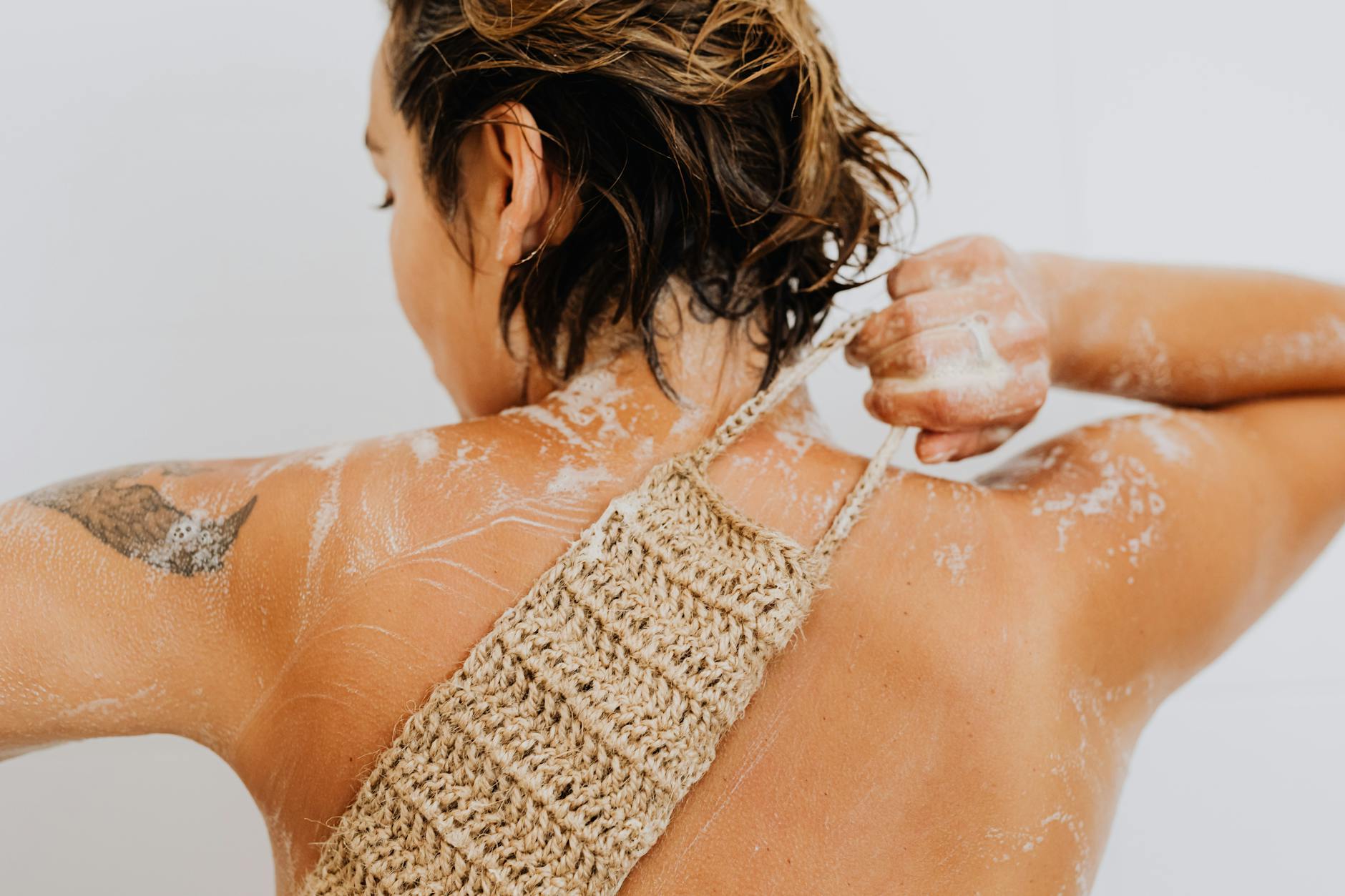
Start each morning and evening with a gentle, antimicrobial body cleanser containing salicylic acid or benzoyl peroxide. Apply the cleanser to wet skin using your hands rather than rough washcloths or loofahs, which can irritate inflamed cysts. Focus on acne-prone areas like your chest and back, allowing the cleanser to sit for 30 seconds before rinsing thoroughly.
Use antimicrobial body wash with hands, not abrasive tools.
Pat dry and apply prescribed topical medications to affected areas.
Use non-comedogenic moisturizer on your entire body to prevent overdrying.
Post-workout care prevents new breakouts from forming. Change out of sweaty clothes immediately and shower within 30 minutes of exercising. If immediate showering isn't possible, use body wipes containing salicylic acid on your chest and back.
Moisturizing remains crucial even with active breakouts. Choose oil-free, non-comedogenic formulas that won't clog pores across large surface areas. Apply moisturizer while your skin is still slightly damp to lock in hydration without creating the heavy, occlusive layer that worsens cystic acne.
This routine prevents the cycle of over-drying and compensatory oil production that often leads to scarring and persistent breakouts.
Best Ingredients for Cystic Body Acne
Understanding which active ingredients target cystic acne most effectively can save months of trial and error. The Body's thick skin requires stronger formulations than facial products to penetrate deeply enough to reach inflamed cysts.
Isotretinoin remains the gold standard for severe cystic acne that doesn't respond to other treatments. This oral medication reduces oil production by up to 80% and prevents future cyst formation. Your dermatologist will carefully monitor blood work throughout treatment, as isotretinoin requires close supervision but delivers lasting results for most patients.
Topical retinoids like tretinoin and adapalene address the root cause of cystic acne by preventing dead skin cells from clogging pores. These prescription medications normalize skin cell turnover, reducing the thick plugs that trap bacteria and create painful cysts.
Oral antibiotics such as doxycycline or minocycline target the bacterial infection component of cystic acne. These work best when combined with topical treatments and typically require 3-6 months of use to see significant improvement.
Chemical peels containing salicylic acid or glycolic acid penetrate the Body's thicker skin more effectively than gentle exfoliants. Professional-strength peels performed monthly can accelerate healing and prevent the permanent scarring that many patients fear most about cystic acne.
Common Mistakes to Avoid

When treating cystic acne on your body, avoiding common mistakes can prevent the permanent scarring you fear most. The first major error is aggressive scrubbing. Many people think thick body skin can handle harsh treatment, but over-scrubbing actually increases inflammation and damages the protective barrier.
Using facial products on your body creates another problem entirely. Facial formulations contain different concentrations designed for smaller surface areas. When you apply these products across your arms, legs, and torso, you risk irritation and inadequate coverage that leaves some areas undertreated.
Never pick or squeeze deep cysts, especially on your back and shoulders where you can't see properly. This behavior leads directly to permanent scarring and potential infection.
Finally, neglecting hand hygiene while treating body acne spreads bacteria. Wash your hands thoroughly before and after applying treatments to prevent cross-contamination between different areas of your body.
When to See a Dermatologist
Deep cysts that remain inflamed for weeks despite proper care need professional attention. Dermatologists can inject corticosteroids directly into stubborn cysts, reducing inflammation within 24-48 hours and preventing the permanent scarring you're worried about.
Hormonal patterns indicate when specialized treatment becomes necessary. If your cystic acne worsens during menstrual cycles, appears along the jawline and back simultaneously, or started during hormonal changes like puberty or pregnancy, hormonal therapy may be essential for long-term control.
Certain warning signs point toward isotretinoin treatment. Seek dermatologic care if you develop five or more deep cysts monthly, notice existing scars darkening or becoming raised, or experience significant emotional distress about your appearance. Multiple failed over-the-counter treatments also signal the need for prescription intervention.
Early professional intervention prevents psychological impact and permanent skin damage. Dermatologists can create comprehensive treatment plans combining topical medications, oral treatments, and in-office procedures. Don't wait until scarring becomes severe—effective prescription options exist that can clear your skin and restore your confidence within months.
See a dermatologist immediately if cysts persist beyond two weeks or cause emotional distress to prevent permanent scarring.
Frequently Asked Questions
What is cystic body acne and how is it different from regular acne?
Cystic acne is the most severe form of acne, characterized by deep, painful, inflamed cysts and nodules that form beneath the skin's surface. Unlike regular pimples, these lesions develop when bacteria, oil, and dead skin cells become trapped deep within pores, creating large, tender bumps that can persist for weeks or months. Body skin is approximately three times thicker than facial skin and contains more sebaceous glands that produce oil, making it more prone to cyst formation.
What areas of the body are most affected by cystic acne?
Cystic acne commonly affects the neck, chest, back, and shoulders, with the chest area (décolletage) being particularly susceptible. These areas have a high concentration of oil glands and frequent exposure to sweat and friction from clothing. The chest and back areas present unique treatment challenges compared to facial acne due to their larger surface area and skin thickness.
How should I cleanse my body when I have cystic acne?
Use a gentle, antimicrobial body cleanser containing salicylic acid or benzoyl peroxide both morning and evening. Apply the cleanser to wet skin using your hands rather than rough washcloths or loofahs, which can irritate inflamed cysts. Allow the cleanser to sit for 30 seconds before rinsing thoroughly, focusing on acne-prone areas like your chest and back.
What should I do after working out to prevent cystic body acne?
Change out of sweaty clothes immediately after exercising and shower within 30 minutes of your workout. If immediate showering isn't possible, use body wipes containing salicylic acid on your chest and back. This post-workout care helps prevent new breakouts from forming by removing sweat and bacteria that can clog pores.
Should I moisturize my body if I have cystic acne?
Yes, moisturizing remains crucial even with active breakouts to prevent overdrying of the skin. Choose oil-free, non-comedogenic formulas that won't clog pores across large surface areas. Apply moisturizer while your skin is still slightly damp to lock in hydration without creating a heavy, occlusive layer that could worsen cystic acne.
Disclaimer: This content is for informational purposes only and does not constitute medical advice. Always consult a qualified healthcare provider before making health decisions.