Understanding Hormonal Body Acne

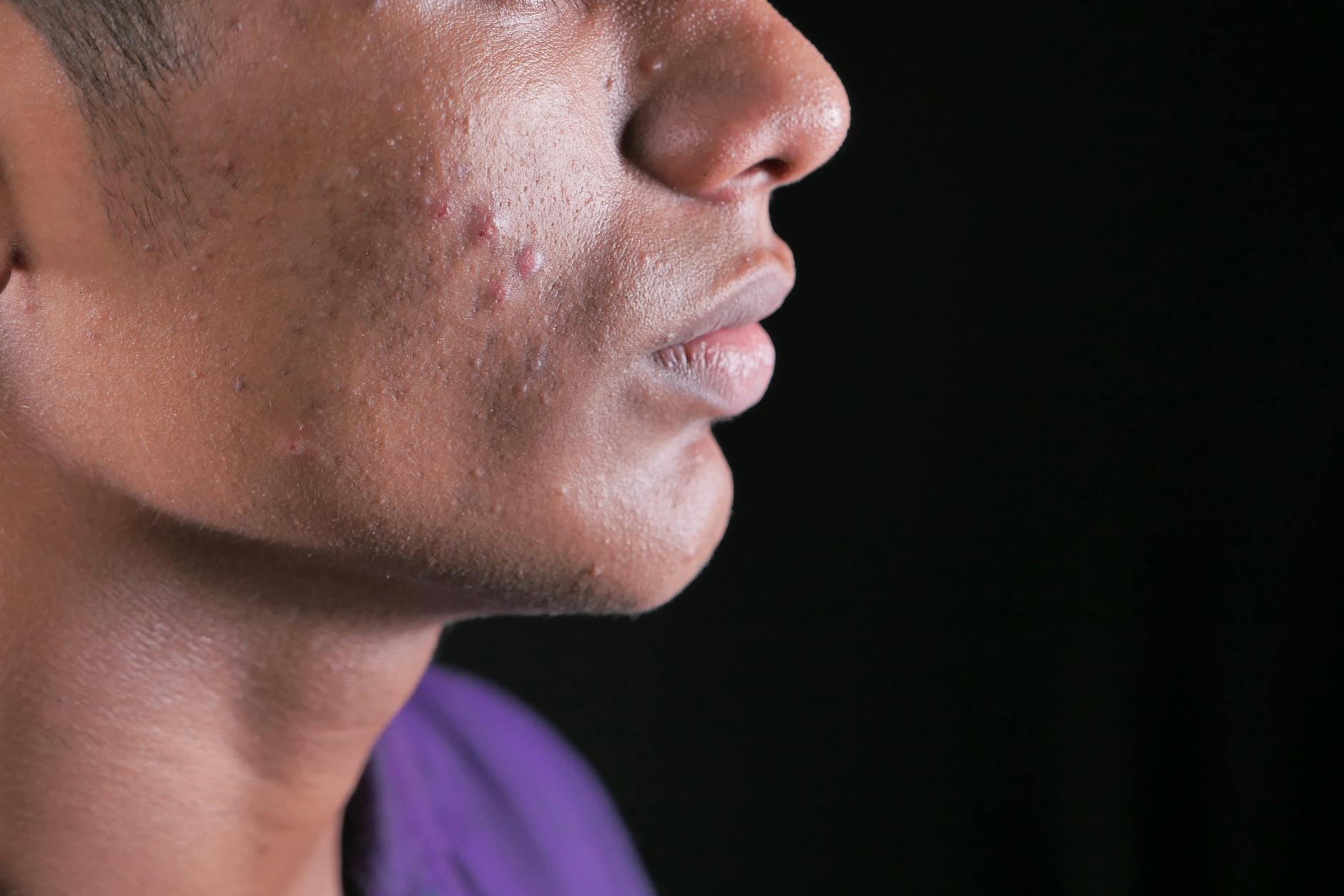
Hormonal body acne differs significantly from facial breakouts because body skin has larger pores, thicker texture, and different oil production patterns. Your body produces more sebum in certain areas, creating ideal conditions for acne bacteria to thrive.
“Body acne affects up to 45% of adults and requires specialized treatment approaches.”
The chest and back are particularly vulnerable due to high concentrations of sebaceous glands. These areas also trap sweat, bacteria, and dead skin cells under clothing, worsening breakouts. Your chest area, also called the décolletage, experiences frequent friction from bras, tight shirts, and backpack straps.
Body skin requires different treatment because it's less sensitive than facial skin but harder to reach for daily care. The thicker skin texture means topical treatments need stronger formulations to penetrate effectively, while the larger surface area makes preventing future breakouts more challenging than facial acne management.
Daily Hormonal Body Acne Treatment Routine

Creating a consistent daily routine prevents scarring and keeps breakouts under control. The Body requires gentle care across its large surface areas, including arms, legs, torso, and back, which need regular attention to maintain healthy skin barrier function.
“Consistency beats intensity when treating hormonal body acne across large skin areas.”
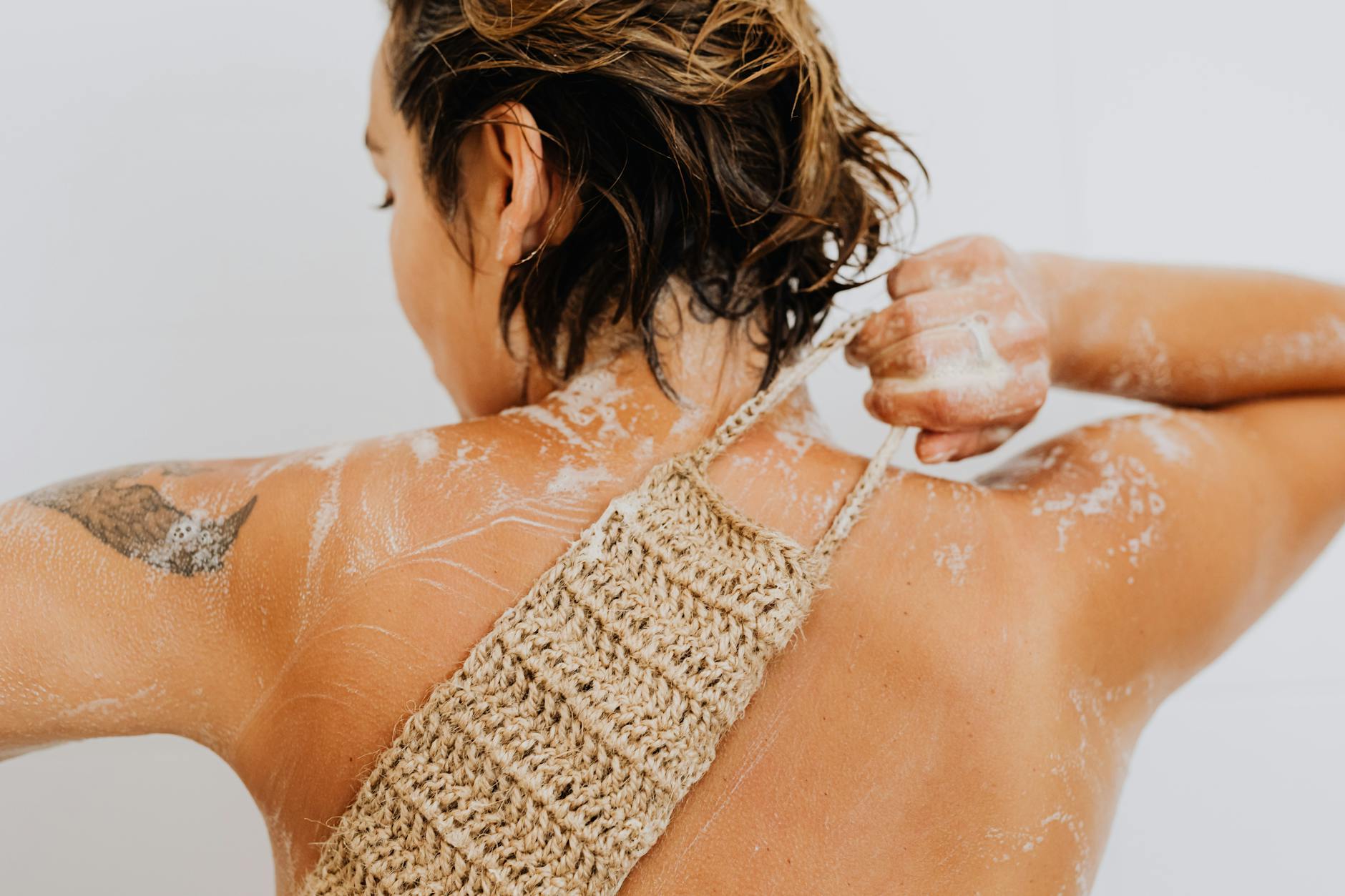
Use a non-comedogenic body wash with salicylic acid, focusing on affected areas like chest and back.
Gently pat skin dry with a clean towel to avoid irritation and micro-tears.
Use benzoyl peroxide or retinoid cream on active breakouts, avoiding healthy skin.
Apply oil-free moisturizer to maintain skin barrier function and prevent overdrying.
Start treatments every other day, then gradually increase frequency as your skin adjusts to prevent irritation.
Best Ingredients for Hormonal Body Acne
Hormonal acne on your Body and Chest responds best to specific active ingredients that target inflammation and oil production without over-drying larger skin surfaces. Salicylic acid (0.5-2%) works effectively for body acne by unclogging pores and reducing inflammation across broad areas like your back and shoulders.
Benzoyl peroxide (2.5-10%) kills acne-causing bacteria but can bleach clothing, so apply carefully on your Chest area. Retinoids like adapalene help prevent future breakouts and reduce scarring risks that worry many patients. Avoid high-concentration glycolic acid and fragranced products on sensitive body areas.
Niacinamide (5-10%) reduces redness and oil production while being gentle enough for daily use on larger body areas prone to hormonal fluctuations.
Common Mistakes to Avoid

Many people unknowingly sabotage their hormonal body acne treatment through well-intentioned but harmful practices. The most damaging mistake is over-cleansing large body surface areas. Scrubbing your torso and limbs multiple times daily strips away protective oils, triggering increased sebum production and worsening breakouts.
Using facial products on your body creates another common pitfall. Face cleansers and treatments are formulated for thinner, more delicate facial skin. When applied to thicker body skin, they often prove too weak to penetrate effectively or contain inappropriate concentrations for larger surface areas.
Neglecting sun protection ranks as the third critical error. UV exposure darkens acne marks and can lead to permanent scarring—your biggest fear realized. Always apply broad-spectrum SPF 30 before outdoor activities, and reapply with clean hands every two hours to prevent lasting damage while your skin heals.
When to See a Dermatologist
Several warning signs indicate your hormonal body acne needs professional attention. If cysts and nodules develop on your body, causing pain or potential scarring, schedule an appointment immediately. Persistent breakouts that don't respond to over-the-counter treatments after 6-8 weeks also warrant dermatological care.
Your dermatologist may recommend hormonal testing to identify underlying imbalances contributing to acne on your body and other areas. Blood tests can reveal elevated androgens or insulin resistance that require targeted treatment approaches.
Prescription options include topical retinoids, oral antibiotics, and hormonal therapies like spironolactone or birth control pills. For severe cases, isotretinoin may be necessary. Early professional intervention prevents permanent scarring and addresses the root hormonal causes rather than just surface symptoms.
Seek dermatological care immediately if you develop painful cysts, experience persistent breakouts after two months, or notice any signs of scarring.
Frequently Asked Questions
How is body acne different from facial acne?
Body acne differs significantly from facial breakouts because body skin has larger pores, thicker texture, and different oil production patterns. The chest and back are particularly vulnerable due to high concentrations of sebaceous glands that trap sweat, bacteria, and dead skin cells under clothing. Body skin requires stronger formulations to penetrate effectively since it's less sensitive than facial skin but harder to reach for daily care.
What is the best daily routine for treating hormonal body acne?
Start with a non-comedogenic body wash containing salicylic acid, focusing on affected areas like chest and back. Pat skin dry gently, then apply benzoyl peroxide or retinoid cream on active breakouts only, avoiding healthy skin. Finish with an oil-free moisturizer to maintain skin barrier function and prevent overdrying. Begin treatments every other day and gradually increase frequency as your skin adjusts.
What are the best ingredients for hormonal body acne?
Salicylic acid (0.5-2%) works effectively for body acne by unclogging pores and reducing inflammation across broad areas like your back and shoulders. Benzoyl peroxide (2.5-10%) kills acne-causing bacteria but can bleach clothing, while retinoids like adapalene help prevent future breakouts and reduce scarring risks. Niacinamide (5-10%) reduces redness and oil production while being gentle enough for daily use on larger body areas.
Why does body acne form on the chest and back?
The chest and back are particularly vulnerable to acne due to high concentrations of sebaceous glands that produce more sebum in these areas. These areas also trap sweat, bacteria, and dead skin cells under clothing, worsening breakouts. The chest area experiences frequent friction from bras, tight shirts, and backpack straps, creating ideal conditions for acne bacteria to thrive.
How common is body acne in adults?
Body acne affects up to 45% of adults and requires specialized treatment approaches. This high prevalence occurs because body skin has different characteristics than facial skin, including larger pores and thicker texture. The condition requires consistent care across large surface areas to prevent scarring and keep breakouts under control.
Disclaimer: This content is for informational purposes only and does not constitute medical advice. Always consult a qualified healthcare provider before making health decisions.