Understanding Shoulder Acne

Shoulder acne develops differently than breakouts on your chest or other body areas due to unique friction and pressure points. Sports bras, backpack straps, and tight clothing create constant rubbing against shoulder skin, trapping sweat and bacteria in hair follicles. This mechanical irritation makes shoulders particularly vulnerable to inflammatory acne.
“Shoulder skin experiences more friction and pressure than any other body area, making it a prime target for persistent breakouts.”
The skin on your shoulders differs from your chest in thickness and oil production patterns. Shoulder skin tends to be thicker and has more hair follicles, creating additional opportunities for clogged pores. Equipment like gym bags, purse straps, and even long hair consistently touching this area compounds the problem. Understanding these shoulder-specific triggers helps prevent the scarring and embarrassment many people fear, allowing you to target treatments more effectively than generic body acne approaches.
Daily Shoulder Acne Treatment Routine

Establishing a consistent daily routine targets shoulder acne effectively while preventing the permanent scarring that causes lasting skin damage. Your Body requires specialized care techniques since shoulder skin stays covered most of the day, creating ideal conditions for bacterial growth.
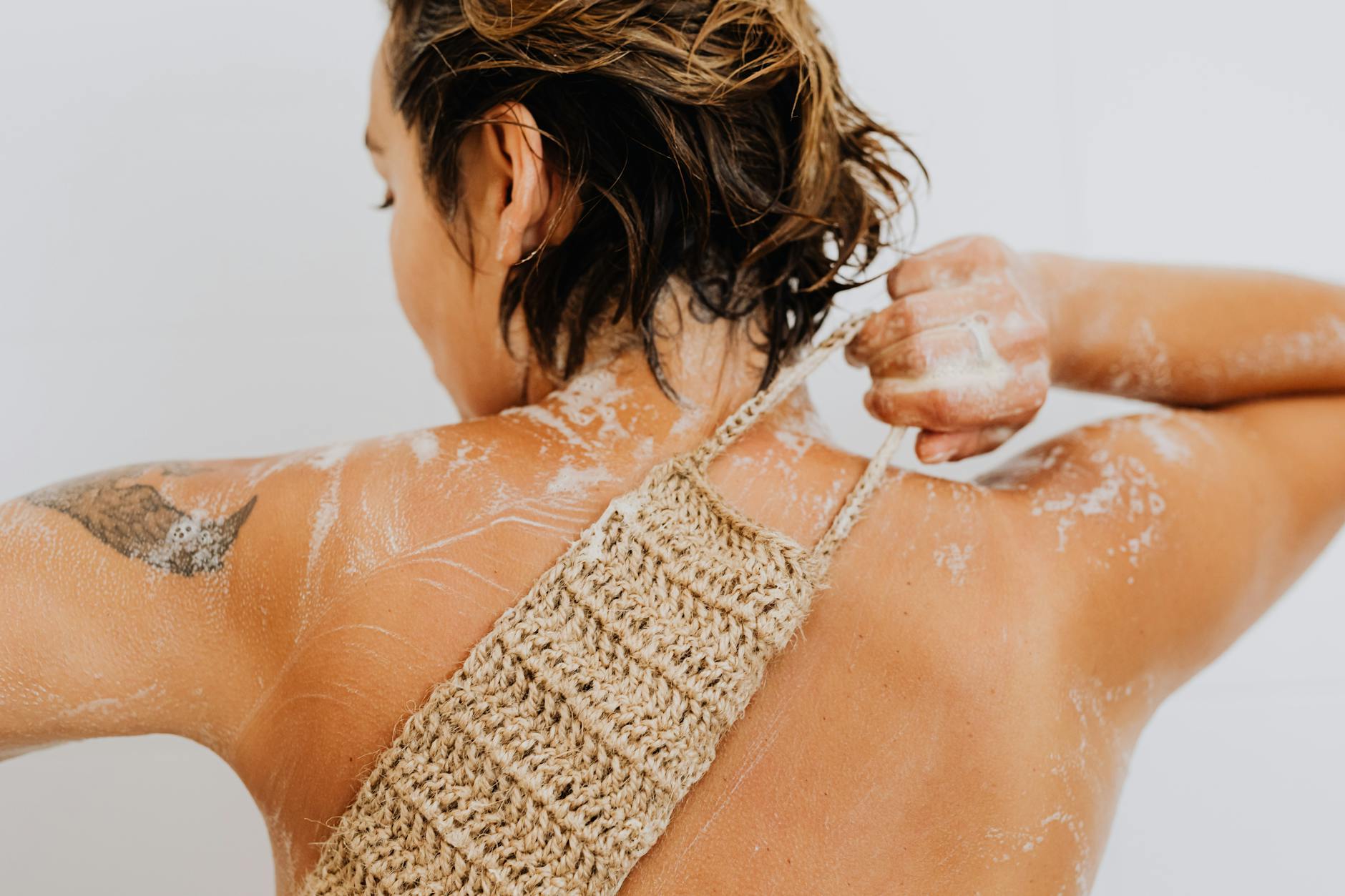
Use a gentle salicylic acid body wash, applying with long circular motions from neck to mid-back.
Apply benzoyl peroxide gel using a long-handled applicator or asking someone to help reach your shoulder blades.
Shower immediately after workouts, then apply retinoid cream to clean, dry skin.
“Consistency beats intensity when treating shoulder acne.”
Choose loose-fitting, breathable fabrics like cotton during treatment. Tight synthetic materials trap sweat and medication residue against your skin. Wash workout clothes after each use and change shirts if you sweat heavily throughout the day.
Best Ingredients for Shoulder Acne
Finding the right active ingredients makes a significant difference in clearing shoulder acne without causing permanent scarring. Your body's skin differs from facial skin—it's thicker and produces more oil, requiring specific ingredients that can penetrate effectively.
Salicylic acid works as your primary exfoliant, dissolving dead skin cells that clog pores across large body areas. Start with 2% concentration products designed for body use. Benzoyl peroxide targets acne-causing bacteria effectively—begin with 2.5% strength to avoid excessive dryness.
Retinoids accelerate cell turnover, preventing future breakouts and reducing scarring risk. Look for adapalene-based body products for gentler introduction. Always pair these active ingredients with ceramide or hyaluronic acid moisturizers to maintain your skin barrier during treatment.
Common Mistakes to Avoid

Many people unknowingly sabotage their shoulder acne treatment through everyday habits. Over-scrubbing with loofahs or rough towels damages your skin barrier, triggering more oil production and inflammation. This aggressive approach often leads to the scarring you're trying to prevent.
Hair products pose another hidden threat. Conditioners, oils, and styling products rinse down your back during showers, clogging shoulder pores. Switch to sulfate-free formulas and rinse hair before washing your body.
Tight synthetic fabrics trap sweat and bacteria against your skin, creating the perfect environment for breakouts. Choose loose, breathable cotton clothing instead.
Most importantly, keep your hands off breakouts. Picking transfers bacteria and can cause permanent scarring. Your hands carry countless germs that worsen inflammation and delay healing.
When to See a Dermatologist
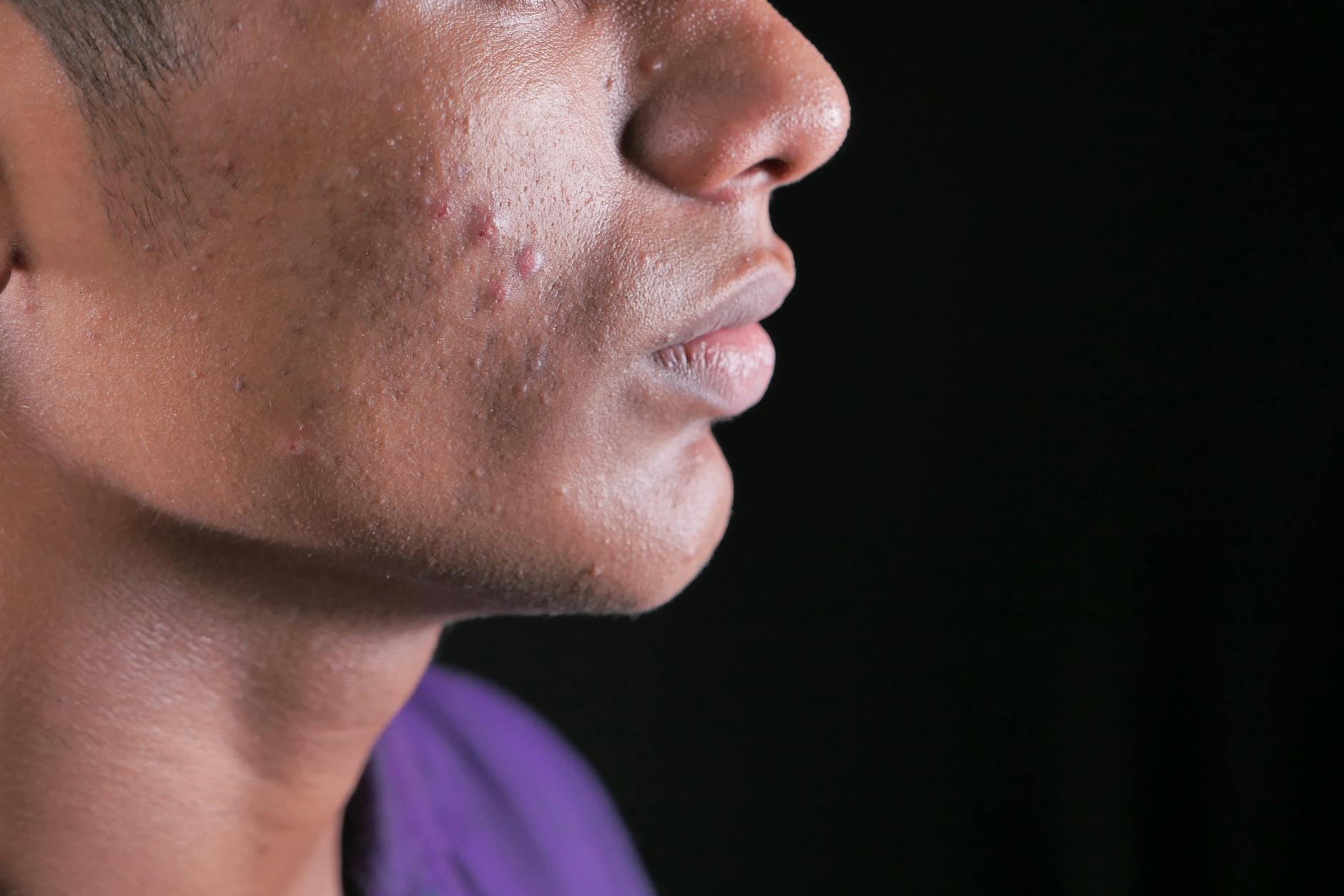
Most shoulder acne responds well to consistent home care, but certain warning signs indicate you need professional help. Deep, painful cysts that feel like hard lumps under your skin require dermatological treatment to prevent permanent scarring. These lesions often leave dark marks or pitted scars that become harder to treat over time.
Schedule an appointment if over-the-counter treatments show no improvement after six to eight weeks of consistent use. Dermatologists can prescribe stronger topical medications like tretinoin or benzoyl peroxide combinations that aren't available in stores.
Professional treatments include cortisone injections for individual cysts, oral antibiotics for widespread inflammation, and chemical peels for stubborn comedones. Early intervention prevents the emotional impact of visible scarring and gets you back to feeling confident in sleeveless tops.
See a dermatologist immediately for painful cysts or when home treatments fail after eight weeks to prevent permanent scarring.
Frequently Asked Questions
Why do I get acne on my shoulders but not other body areas?
Shoulder acne develops due to unique friction and pressure points from sports bras, backpack straps, and tight clothing that create constant rubbing against the skin. This mechanical irritation traps sweat and bacteria in hair follicles, making shoulders particularly vulnerable to inflammatory acne. The shoulder skin is also thicker with more hair follicles than other body areas, creating additional opportunities for clogged pores.
What ingredients should I use to treat shoulder acne?
The most effective ingredients for shoulder acne are salicylic acid at 2% concentration, benzoyl peroxide starting at 2.5% strength, and adapalene retinoid at 0.1% strength. Salicylic acid works as an exfoliant to dissolve dead skin cells that clog pores, while benzoyl peroxide targets acne-causing bacteria. Retinoids like adapalene accelerate cell turnover to prevent future breakouts and reduce scarring risk.
How should I treat shoulder acne daily?
Start with a morning cleanse using gentle salicylic acid body wash applied in circular motions from neck to mid-back. Apply benzoyl peroxide gel using a long-handled applicator, then shower immediately after workouts and apply retinoid cream to clean, dry skin in the evening. Consistency is more important than intensity when treating shoulder acne.
What clothing should I wear when treating shoulder acne?
Choose loose-fitting, breathable fabrics like cotton during treatment to allow proper air circulation. Avoid tight synthetic materials that trap sweat and medication residue against your skin. Wash workout clothes after each use and change shirts if you sweat heavily throughout the day.
Disclaimer: This content is for informational purposes only and does not constitute medical advice. Always consult a qualified healthcare provider before making health decisions.