Understanding Eczema and Atopic Dermatitis

Eczema and atopic dermatitis are often used interchangeably, though eczema is the broader term describing various inflammatory skin conditions. Atopic dermatitis represents the most common type, affecting millions worldwide with chronic inflammation, intense itching, and visible red patches that can appear anywhere on your body.
“A damaged skin barrier loses moisture 75 times faster than healthy skin, making consistent moisturizing essential for healing.”
The root problem lies in your compromised skin barrier. Think of healthy skin as a brick wall where cells act as bricks and natural oils serve as mortar. With atopic dermatitis, this protective wall develops gaps, allowing irritants to penetrate while precious moisture escapes. This creates the painful cycle of dryness, inflammation, and itching that defines the condition.
Regular moisturizing rebuilds this barrier, preventing flare-ups before they start and reducing the visible scarring that causes social anxiety.
Key Ingredients to Look For
Finding the right moisturizer for your eczema-prone skin starts with understanding which ingredients actually work. The wrong products can worsen flare-ups and delay healing, so knowing what to look for becomes essential for managing your condition effectively.
“Ceramides act like mortar between skin cells, rebuilding your body's natural protective barrier.”
Ceramides serve as your first line of defense, helping repair the compromised skin barrier that characterizes eczema. These lipid molecules work particularly well on large body areas including arms, legs, and torso where eczema commonly appears.
Hyaluronic acid draws moisture from the environment into your skin, providing deep hydration without clogging pores. Niacinamide reduces inflammation and redness while strengthening skin function. Colloidal oatmeal offers immediate soothing relief from itching and irritation.
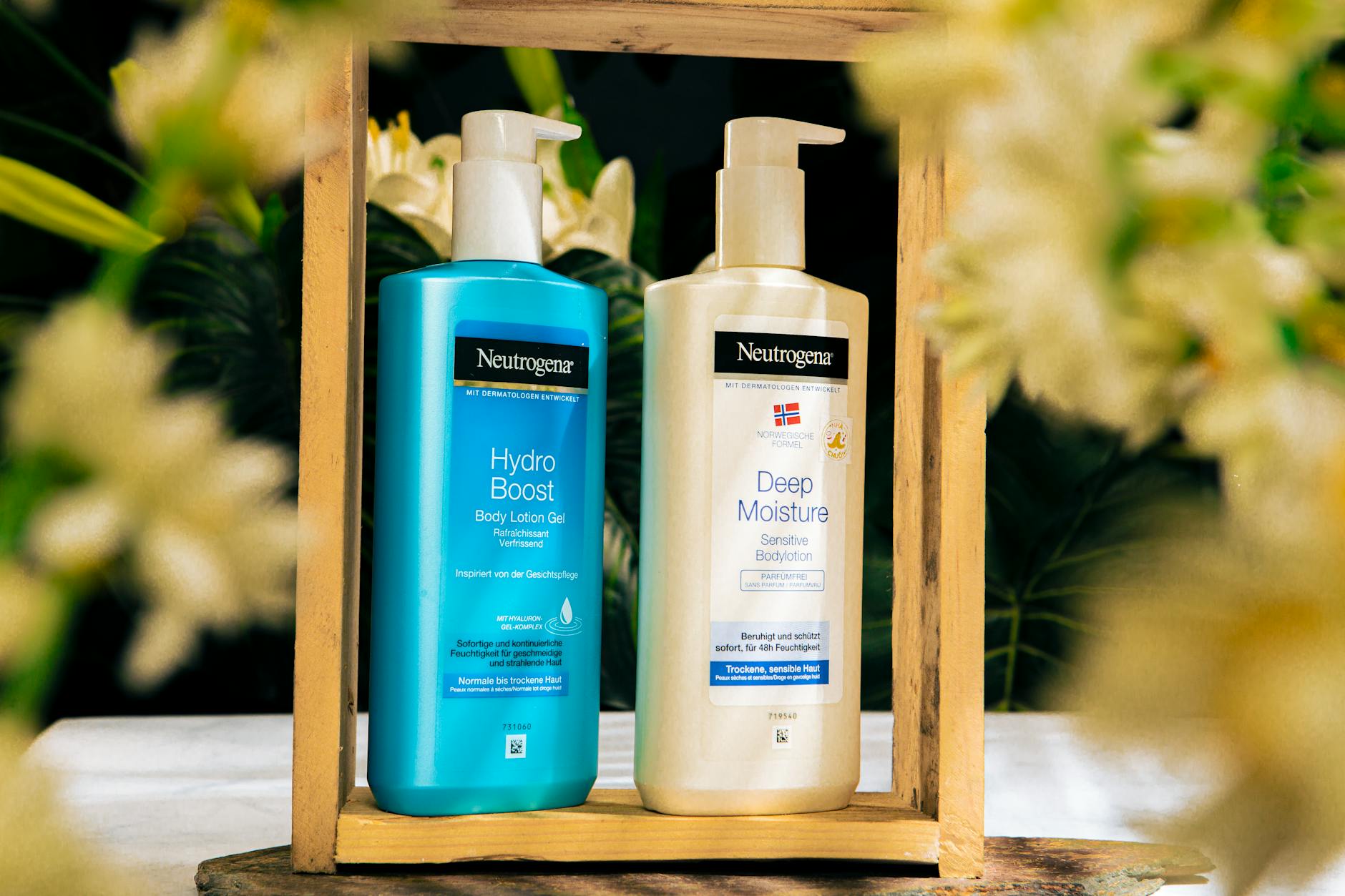
Look for moisturizers containing these proven ingredients. CeraVe Daily Moisturizing Lotion combines ceramides and hyaluronic acid, while Aveeno Eczema Therapy features colloidal oatmeal for sensitive skin relief.
Ingredients to Avoid

Certain ingredients can trigger flare-ups and worsen eczema symptoms across your body's large surface areas, including arms, legs, and torso. Understanding these potential irritants helps prevent setbacks that can delay your progress toward clear skin.
Fragrances and essential oils top the list of common triggers. Even "natural" scents like lavender or tea tree oil can cause inflammation in sensitive skin. Many people mistakenly believe natural ingredients are always safe, but essential oils are potent allergens for eczema-prone individuals.
Harsh preservatives like formaldehyde-releasing agents and parabens can irritate compromised skin barriers. Alcohol-based formulas strip natural oils and increase dryness. Watch for denatured alcohol listed in the first few ingredients, as this indicates high concentrations that worsen inflammation.
Best Moisturizer Types for Eczema
Choosing the right moisturizer consistency can make the difference between calm, healthy skin and frustrating flare-ups that leave you worried about permanent damage. Understanding when to use each type helps prevent the embarrassment and discomfort of visible eczema patches.
Ointments provide the strongest barrier protection with their thick, greasy texture. Use these on severely dry areas of your body and hands at bedtime when the sticky feel won't interfere with daily activities. Creams offer moderate hydration with better absorption, making them perfect for daytime use on your torso and arms.
Lotions work best for mild dryness and humid climates. During winter months, upgrade to thicker formulations as heating systems strip moisture from both air and skin. Your hands need extra protection year-round due to frequent washing and environmental exposure.
Proper Application Techniques
Proper moisturizer application can significantly reduce eczema flare-ups and prevent the scarring that worries many patients. The key lies in timing and technique rather than simply slathering on more product.
Moisturize damp skin immediately after bathing to trap water and maximize hydration.
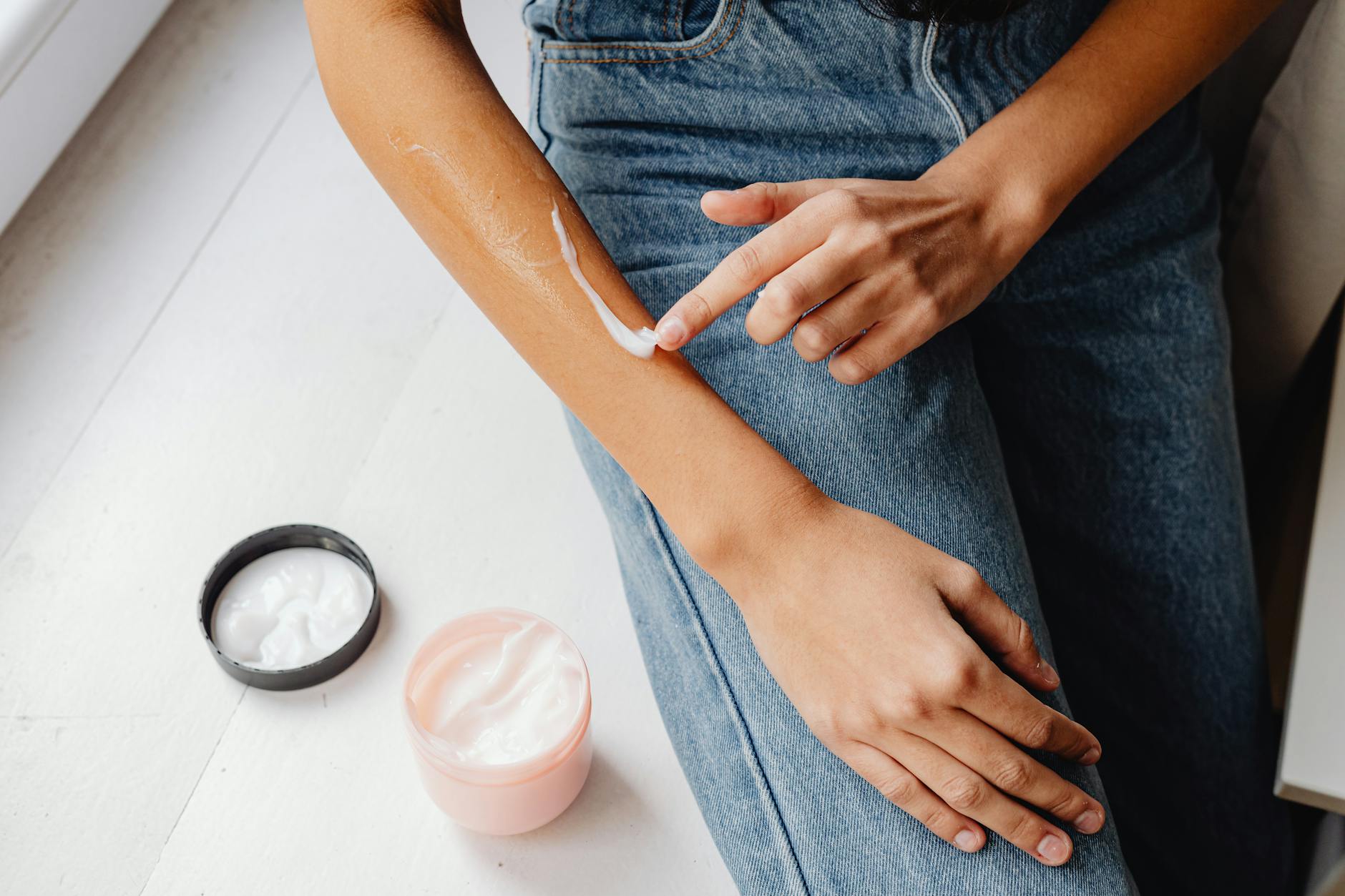
Apply moisturizer in the direction of hair growth using light, upward motions to avoid irritation.
Pay extra attention to hands, feet, and body areas prone to dryness like elbows and knees.
Use approximately one teaspoon of moisturizer per body area. Apply twice daily minimum, increasing frequency during flare-ups. Your hands and feet need special attention since they lose moisture rapidly through frequent washing and friction.
Building Your Eczema Skincare Routine

Creating a consistent routine helps prevent flare-ups and reduces your fear of permanent scarring. Morning routines focus on protection: apply moisturizer to your body and chest, then sunscreen before dressing. Evening routines emphasize repair and hydration with thicker creams after gentle cleansing.
Apply prescription treatments first, wait 15 minutes, then moisturize over them.
Bring travel-sized moisturizers and keep your routine consistent away from home.
See a dermatologist if you experience severe itching, open wounds, signs of infection, or if over-the-counter treatments fail after four weeks. Professional guidance prevents complications and ensures you're using the most effective treatments for your specific condition.
Common Mistakes to Avoid
Even with the best intentions, simple mistakes can sabotage your eczema moisturizing routine and worsen body skin irritation. Over-cleansing strips away natural oils that protect your skin barrier, making eczema flares more likely. Hot showers followed by aggressive towel drying compound this damage.
Timing matters crucially. Waiting more than three minutes after bathing allows moisture to evaporate, defeating the purpose of your routine. Your skin needs immediate hydration when it's still damp.
Using too little moisturizer leaves patches of unprotected skin vulnerable to irritation. Apply generously to cover all affected body areas completely. Switching products frequently prevents your skin from adapting and can introduce new allergens that trigger flares.
Apply moisturizer within three minutes of bathing to damp skin, use generous amounts, and stick with products that work for at least four weeks.
Frequently Asked Questions
What is the difference between eczema and atopic dermatitis?
Eczema is the broader term describing various inflammatory skin conditions, while atopic dermatitis is the most common specific type of eczema. Atopic dermatitis affects millions worldwide with chronic inflammation, intense itching, and visible red patches that can appear anywhere on your body. Both terms are often used interchangeably in common usage.
What ingredients should I look for in an eczema moisturizer?
Look for ceramides, which help repair the compromised skin barrier, and hyaluronic acid, which draws moisture from the environment into your skin without clogging pores. Niacinamide reduces inflammation and redness while strengthening skin function, and colloidal oatmeal offers immediate soothing relief from itching and irritation. Products like CeraVe Daily Moisturizing Lotion and Aveeno Eczema Therapy contain these proven ingredients.
What ingredients should I avoid if I have eczema?
Avoid fragrances and essential oils, including "natural" scents like lavender or tea tree oil, as these can cause inflammation in sensitive skin. Harsh preservatives like formaldehyde-releasing agents and parabens can irritate compromised skin barriers. Also avoid alcohol-based formulas, particularly those with denatured alcohol listed in the first few ingredients, as these strip natural oils and increase dryness.
Why does moisturizing help with eczema?
Eczema involves a compromised skin barrier that develops gaps, allowing irritants to penetrate while precious moisture escapes at a rate 75 times faster than healthy skin. Regular moisturizing rebuilds this protective barrier by acting like mortar between skin cells, preventing flare-ups before they start. This breaks the painful cycle of dryness, inflammation, and itching while reducing visible scarring.
Disclaimer: This content is for informational purposes only and does not constitute medical advice. Always consult a qualified healthcare provider before making health decisions.