What Makes Skin Sensitive and How to Identify It

Sensitive skin reacts easily to common products, environmental factors, or ingredients that most people tolerate without problems. You might notice stinging, burning, redness, itching, or dryness when using certain skincare products, soaps, or even after exposure to weather changes. These reactions happen because your skin barrier is compromised or naturally thinner, making it more permeable to irritants.
“Sensitive skin isn't a permanent condition—understanding your triggers helps you regain control.”
Common triggers include fragrances, alcohol-based products, harsh detergents, extreme temperatures, and certain preservatives like parabens. Your skin might react immediately or hours after contact, appearing as patches of redness, small bumps, or areas that feel tight and uncomfortable. While concerning, these reactions rarely cause permanent scarring when managed properly.
Sensitive skin differs from allergic reactions in important ways. Sensitivity causes immediate irritation from direct contact, while allergies involve your immune system and can cause more severe symptoms like hives or swelling. Allergic reactions often worsen with repeated exposure, whereas sensitive skin typically calms down once you remove the irritant.
To identify if you have sensitive skin, notice patterns in your reactions. Do new products often cause discomfort? Does your skin feel tight after cleansing? These signs indicate sensitivity rather than other skin conditions.
Essential Criteria for Choosing Body Moisturizers for Sensitive Skin
Selecting the right moisturizer for sensitive skin requires understanding which ingredients calm irritation and which trigger flare-ups. Your skin's defensive barrier needs gentle support, not harsh chemicals that could worsen existing sensitivity or create new reactions.
“The wrong moisturizer can transform minor sensitivity into persistent inflammation that takes weeks to heal.”
Fragrance-free formulations represent your first line of defense. Synthetic fragrances contain dozens of undisclosed chemical compounds that frequently cause contact dermatitis. Even "natural" essential oils like lavender or citrus can trigger allergic reactions in sensitive individuals.
Hypoallergenic ingredients minimize your risk of developing new sensitivities. Look for ceramides, which repair skin barrier function, and niacinamide, which reduces redness and inflammation. Avoid common irritants including alcohol denat, sulfates, and dyes that serve no therapeutic purpose.
pH-balanced formulas maintain your skin's natural acidity level between 4.5 and 5.5. This slightly acidic environment supports beneficial bacteria while preventing harmful microorganisms from colonizing damaged skin. Alkaline products disrupt this balance and increase irritation.
Gentle preservatives like phenoxyethanol prevent bacterial growth without causing widespread sensitivity. Avoid formaldehyde-releasing preservatives such as DMDM hydantoin, which can cause delayed allergic reactions that appear days after application, making the culprit difficult to identify.
Best Gentle Body Moisturizers for Daily Use

Finding the right daily moisturizer for your Body can feel overwhelming when you're dealing with sensitive skin reactions. The fear of triggering more irritation or creating lasting damage makes every product choice feel risky. These dermatologist-tested formulas offer gentle relief without compromising on effectiveness.
CeraVe Daily Moisturizing Lotion
This lightweight formula contains three essential ceramides that restore your skin's natural protective barrier. The non-comedogenic formula won't clog pores across your arms, legs, torso, and back, making it safe for acne-prone sensitive skin. The patented MVE technology releases moisturizing ingredients throughout the day.
Best for: Normal to dry sensitive skin seeking all-day hydration
Pros: Dermatologist-developed, fragrance-free, contains beneficial niacinamide
Cons: May feel slightly heavy for very oily skin types
Aveeno Daily Moisturizing Lotion
Formulated with colloidal oatmeal, this gentle moisturizer soothes irritated skin while providing 24-hour hydration. The lightweight texture absorbs quickly without leaving residue, making it perfect for daily use on large body areas. Clinical studies show it's suitable for sensitive skin prone to eczema.
Best for: Eczema-prone or chronically dry sensitive skin
Pros: Fast-absorbing, clinically proven gentle formula, readily available
Cons: Contains dimethicone, which some people prefer to avoid
Vanicream Moisturizing Lotion
This dermatologist-recommended formula contains only essential ingredients, eliminating common irritants like dyes, fragrance, and preservatives. The simple ingredient list makes it ideal for extremely reactive skin. Pump packaging maintains product stability and prevents contamination.
Best for: Extremely sensitive or allergic-prone skin
Pros: Minimal ingredient list, hypoallergenic, pump dispenser
Cons: Basic formula may not provide enough hydration for very dry skin
Eucerin Daily Protection Face Lotion
Though labeled for face use, this gentle formula works excellently on sensitive body areas. It provides broad-spectrum SPF 30 protection while moisturizing, addressing both hydration and sun protection needs. The non-greasy formula won't interfere with clothing.
Best for: Sensitive skin needing daily sun protection
Pros: Built-in SPF, lightweight feel, dermatologist-tested
Cons: Higher price point than basic moisturizers
Rich Body Creams for Extra-Sensitive and Reactive Skin
When your Body skin reacts to seemingly everything, therapeutic-grade moisturizers become essential allies in rebuilding your compromised skin barrier. These intensive formulations go beyond basic hydration to actively repair damage and prevent future reactions.
Therapeutic-grade body creams contain higher concentrations of active ingredients than drugstore alternatives. CeraVe Therapeutic Hand Cream, despite its name, works exceptionally well on larger body areas with its 3% ceramide complex and hyaluronic acid. The thick, occlusive texture may feel heavy initially, but this protective layer prevents moisture loss while damaged skin heals.
Barrier repair ingredients target the root cause of sensitivity rather than masking symptoms. Eucerin Advanced Repair Cream combines ceramides with natural moisturizing factors that restore your skin's protective function. Many users notice reduced redness and irritation within one week of consistent use.
Clinical-strength options like Vanicream Moisturizing Cream offer pharmaceutical-grade purity without common irritants. This fragrance-free, dye-free formula contains only essential ingredients, making it suitable for skin that reacts to preservatives or botanical extracts. The pump dispenser minimizes contamination risk that tube packaging presents.
For severely compromised skin, apply these rich creams immediately after bathing while skin remains damp. The combination of wet skin and occlusive ingredients creates an optimal healing environment. Patch test new products on a small area first—even therapeutic formulations can trigger reactions in hypersensitive individuals.
Remember that healing takes time. While these intensive moisturizers work faster than gentle alternatives, expect gradual improvement over several weeks rather than overnight transformation. Consistent application matters more than expensive ingredients when rebuilding damaged skin barriers.
Specialized Moisturizers for Sensitive Areas
Certain body areas require targeted care because their unique characteristics make them more vulnerable to irritation and sensitivity reactions. Understanding how to properly moisturize these zones helps prevent the scarring and discomfort that many people with sensitive skin fear most.
Hands face constant challenges from frequent washing, sanitizing, and environmental exposure. The skin barrier weakens with repeated water contact, making hands prone to dermatitis and painful cracking. Choose hand creams with ceramides and hyaluronic acid that absorb quickly without leaving residue. Apply immediately after washing while skin remains slightly damp to lock in moisture. Fragrance-free formulas prevent contact reactions that can worsen with repeated exposure throughout the day.
The chest area presents unique sensitivity concerns due to its large surface area and frequent sun exposure. This delicate skin often shows the first signs of aging and hyperpigmentation, which can cause significant social anxiety. Use lightweight, non-comedogenic moisturizers that won't clog pores or trigger breakouts. Look for formulas containing niacinamide to reduce redness and zinc oxide for gentle sun protection during daily activities.
Feet require specialized attention because their thick skin tends toward extreme dryness while remaining susceptible to fungal infections. The plantar surface develops calluses and cracks that can become painful and infected. Choose urea-based foot creams that soften thick skin without over-moisturizing between toes. Apply heavier creams at night and lighter formulas during the day to maintain proper moisture balance while preventing fungal growth in warm, enclosed shoes.
Application Tips and Common Mistakes to Avoid

Proper application makes the difference between successful moisturizing and irritation. Many people unknowingly worsen their sensitive skin through poor technique, but simple adjustments can prevent reactions that might otherwise leave you feeling self-conscious about your skin's appearance.
Moisturize within three minutes after showering while skin retains water for maximum absorption.
Apply in smooth, light motions following your body's natural contours without excessive rubbing.
Use a quarter-sized amount per limb and add more gradually if needed.
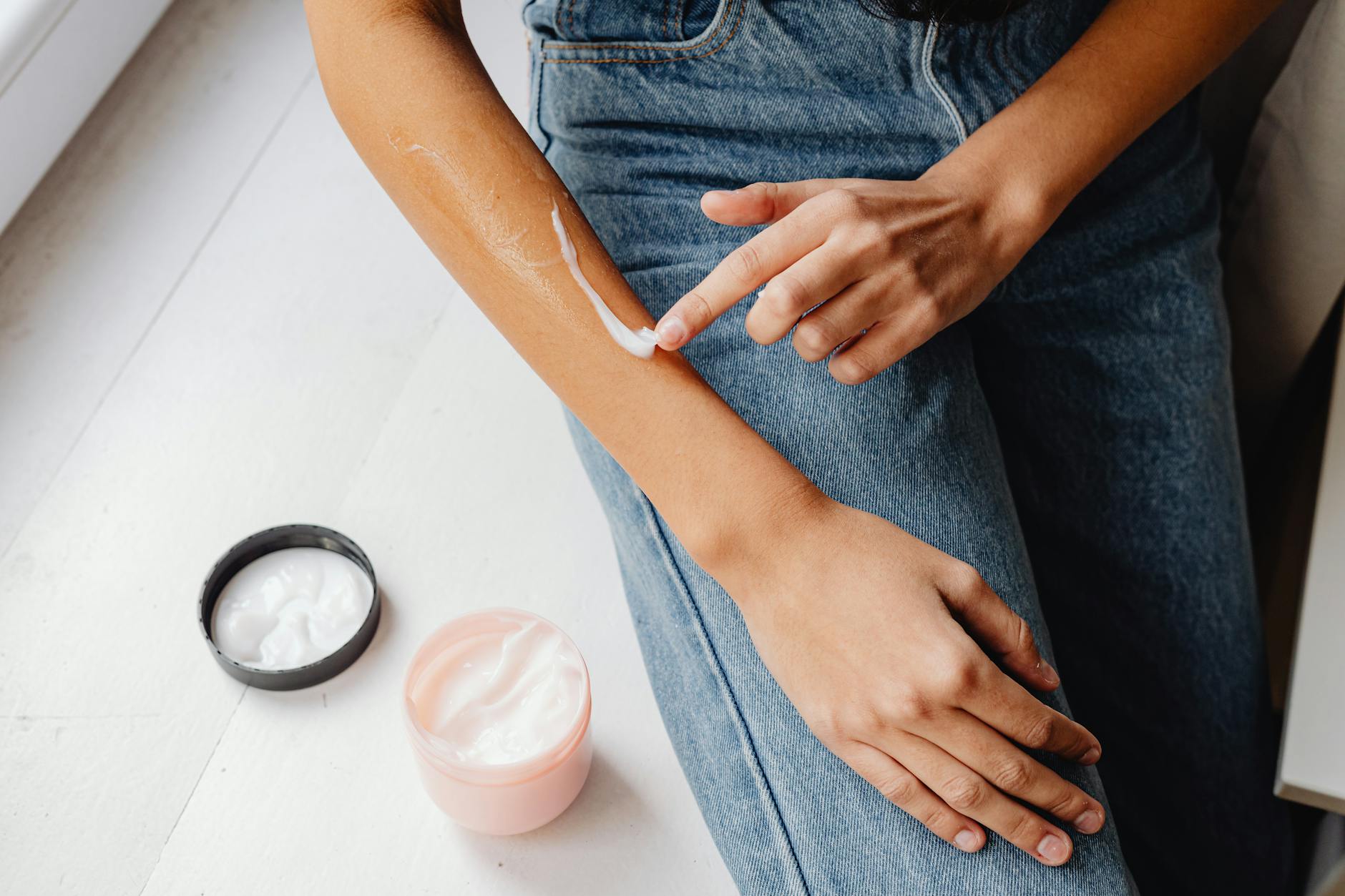
Always patch test new products on your inner wrist for 48 hours before full body application. This simple step prevents widespread reactions that could take weeks to heal. Avoid common mistakes like applying moisturizer to broken skin, mixing different active ingredients without dermatologist guidance, or using products past their expiration dates.
Never layer multiple new products simultaneously. Introduce one product at a time over several weeks. For example, if switching from your current moisturizer to a ceramide-based formula, use it on alternating days initially. This approach helps identify any problematic ingredients while protecting your skin's healing progress.
Quick Comparison Guide
Choosing the right moisturizer prevents irritation that could worsen existing skin concerns. CeraVe Daily Moisturizing Lotion ($12-15) offers ceramides and hyaluronic acid for normal to dry sensitive skin. Vanicream Moisturizing Lotion ($8-12) provides petrolatum-based protection for very sensitive or eczema-prone skin. Aveeno Daily Moisturizing Lotion ($6-10) combines colloidal oatmeal with dimethicone for soothing inflammation.
CeraVe works best for daily maintenance, Vanicream excels during flare-ups, and Aveeno targets irritated or inflamed areas. All three avoid common triggers like fragrances and dyes. Price differences reflect formulation complexity rather than effectiveness.
Start with fragrance-free, dermatologist-tested formulas and patch test before applying to larger areas.
Frequently Asked Questions
How do I know if I have sensitive skin?
You might have sensitive skin if you notice stinging, burning, redness, itching, or dryness when using certain skincare products or soaps. Pay attention to patterns in your reactions - if new products often cause discomfort or your skin feels tight after cleansing, these are signs of sensitivity. These reactions happen because your skin barrier is compromised or naturally thinner, making it more permeable to irritants.
What ingredients should I avoid in body moisturizers for sensitive skin?
Avoid fragrances, alcohol-based products, harsh detergents, and preservatives like parabens, as these are common triggers for sensitive skin reactions. Stay away from alcohol denat, sulfates, dyes, and formaldehyde-releasing preservatives such as DMDM hydantoin. Even natural essential oils like lavender or citrus can trigger allergic reactions in sensitive individuals, so fragrance-free formulations are your safest choice.
What's the difference between sensitive skin and allergic reactions?
Sensitive skin causes immediate irritation from direct contact with certain products or ingredients, while allergies involve your immune system and can cause more severe symptoms like hives or swelling. Allergic reactions often worsen with repeated exposure, whereas sensitive skin typically calms down once you remove the irritant. Sensitive skin reactions appear as patches of redness, small bumps, or areas that feel tight and uncomfortable, but rarely cause permanent scarring when managed properly.
What ingredients are best for sensitive skin moisturizers?
Look for ceramides, which repair skin barrier function, and niacinamide, which reduces redness and inflammation. Choose pH-balanced formulas that maintain your skin's natural acidity level between 4.5 and 5.5, as this supports beneficial bacteria while preventing harmful microorganisms from colonizing damaged skin. Gentle preservatives like phenoxyethanol are also preferable as they prevent bacterial growth without causing widespread sensitivity.
Why is pH balance important for sensitive skin products?
pH-balanced formulas maintain your skin's natural acidity level between 4.5 and 5.5, which is crucial for sensitive skin health. This slightly acidic environment supports beneficial bacteria while preventing harmful microorganisms from colonizing damaged skin. Alkaline products disrupt this natural balance and can increase irritation in people with sensitive skin.
Disclaimer: This content is for informational purposes only and does not constitute medical advice. Always consult a qualified healthcare provider before making health decisions.