Understanding Your Skin Type and Concerns

Before selecting a moisturizer, you need to accurately assess your body's unique skin characteristics. Your body skin can differ significantly from your facial skin, and different areas require tailored approaches to prevent issues that might cause lasting damage or visible marks.
Start by examining your skin after a shower when it's clean and makeup-free. Normal body skin feels comfortable without tightness or excess oil. Dry skin appears flaky, feels rough, and may crack in severe cases. Oily skin looks shiny and feels greasy, particularly on your back and chest area. Combination skin shows both dry patches (often on arms and legs) and oily zones (typically the chest and back).
“Your body skin type isn't permanent—it changes with age, weather, and hormones.”
Pay special attention to problem-prone areas. Your chest is particularly susceptible to acne breakouts and sun damage due to its exposure and oil production. This area often shows early signs of aging and hyperpigmentation that can become permanent without proper care. Your feet present opposite challenges—the thick skin here becomes extremely dry, develops calluses, and cracks easily.
Consider seasonal variations in your assessment. Winter air strips moisture from your body, making even normal skin feel tight and look dull. Summer heat and humidity can trigger more oil production and breakouts. Finally, test your sensitivity by noting how your skin reacts to new products, fragrances, or environmental changes—sensitive skin shows redness, itching, or burning quickly.
Key Ingredients to Look For

Understanding moisturizer ingredients helps you select products that actually work for your body's unique needs. The right combination of active ingredients can transform dry, irritated skin into healthy, smooth skin across your arms, legs, torso, and back.
“The best body moisturizers combine three types of ingredients: humectants that draw moisture in, emollients that smooth rough patches, and occlusives that lock everything in place.”
Humectants are moisture magnets that pull water from the environment into your skin. Hyaluronic acid tops this category, holding up to 1,000 times its weight in water. Glycerin and sodium hyaluronate work similarly, making them excellent choices for dehydrated skin. These ingredients prevent the tight, uncomfortable feeling that comes with moisture loss.
Emollients fill in the gaps between skin cells, creating that silky-smooth texture you want. Look for ingredients like squalane, shea butter, and jojoba oil. These components soften rough patches and reduce the appearance of flaky skin that can cause self-consciousness about your appearance.
Occlusives form a protective barrier on your skin's surface, sealing in moisture for hours. Petrolatum remains the gold standard, though dimethicone and mineral oil work effectively too. This barrier function prevents water loss throughout the day.
Ceramides deserve special attention for barrier repair. These naturally occurring lipids restore your skin's protective function, particularly important if you have sensitive or damaged skin. Products containing ceramide NP, AP, or EOP help rebuild compromised skin barriers.
Avoid moisturizers with fragrances, alcohol denat, or essential oils if you have sensitive skin, as these can trigger irritation and worsen existing skin concerns.
Choosing the Right Formula Type
Understanding different moisturizer textures helps you match the right product to your skin's specific needs and the areas you're treating. The consistency of your moisturizer directly impacts how much hydration it delivers and how well it suits different skin conditions.
Lotions work best for normal to slightly dry skin on your Body areas like arms and legs. These lightweight formulas absorb quickly without leaving a greasy residue, making them perfect for daily use. CeraVe Daily Moisturizing Lotion exemplifies this category with its non-comedogenic formula that won't clog pores or cause breakouts that could lead to scarring concerns.
Creams provide more intensive moisture for dry to very dry skin conditions. Their thicker consistency creates a better barrier to prevent water loss, particularly important for Hands that face frequent washing and environmental exposure. Eucerin Original Healing Cream demonstrates this heavier texture that stays on skin longer.
Body butters offer maximum hydration for extremely dry patches like elbows and knees. These rich formulations contain higher concentrations of oils and butters. Gels suit oily or acne-prone skin since they provide moisture without heavy oils that might trigger breakouts.
Special Considerations for Problem Areas

Different areas of your body have unique moisturizing needs that require targeted approaches. Understanding these variations helps you avoid common mistakes that could worsen skin conditions or create new problems.
Your hands face constant challenges from frequent washing, sanitizing, and environmental exposure. They need lightweight, fast-absorbing formulas that won't interfere with daily activities. Reapply moisturizer immediately after washing and keep a travel-size tube in your bag for touch-ups throughout the day.
Your feet require thicker, more intensive formulas to penetrate callused skin and heel cracks. Look for moisturizers containing urea or lactic acid to break down dead skin buildup. Apply at bedtime and wear cotton socks to lock in moisture overnight.
The chest area demands non-comedogenic formulas since this region has active sebaceous glands. Heavy creams can clog pores and trigger breakouts that might lead to permanent scarring. Choose lightweight lotions labeled "won't clog pores" to maintain hydration without causing acne flares.
Elbows and knees benefit from extra-rich formulas due to constant friction and naturally thicker skin in these areas.
Testing and Making Your Final Choice
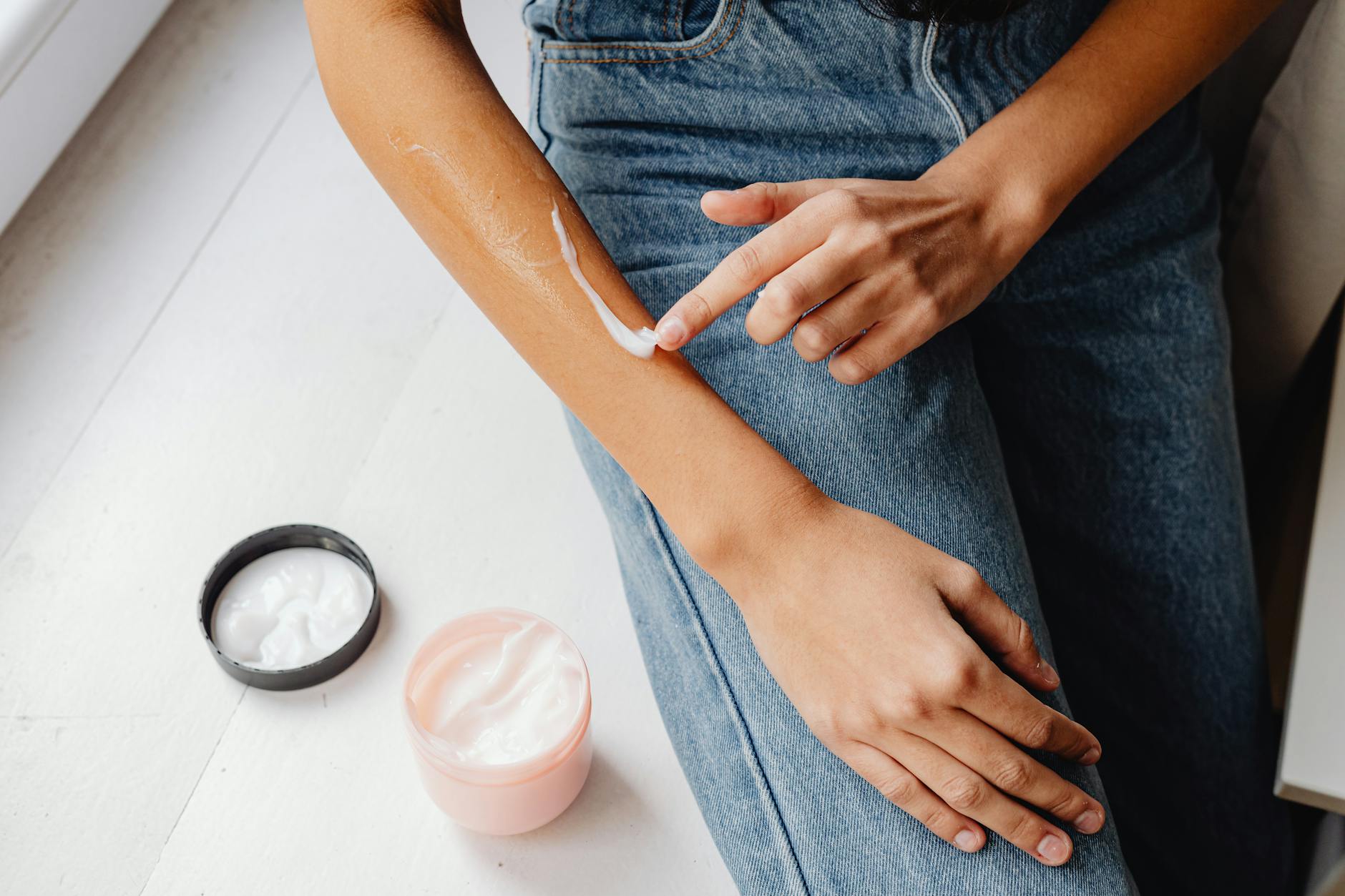
Apply a small amount to your inner forearm and wait 24-48 hours to check for reactions.
Use your chosen moisturizer consistently for 2-3 weeks to see real results on your Body.
Switch to lighter formulas in summer and richer creams in winter as your skin needs change.
Don't worry about making the perfect choice immediately. Your skin's needs will evolve, and what works now might need adjusting later. If you experience persistent irritation, unusual breakouts, or worsening skin conditions despite proper moisturizing, consult a dermatologist promptly.
Always patch test new moisturizers and give them adequate time to work before switching products.
Frequently Asked Questions
How do I determine my body skin type?
Examine your skin after a shower when it's clean and makeup-free. Normal body skin feels comfortable without tightness or excess oil, while dry skin appears flaky and feels rough. Oily skin looks shiny and feels greasy, particularly on your back and chest area, and combination skin shows both dry patches on arms and legs and oily zones on the chest and back.
What are the best moisturizer ingredients for dry skin?
Look for humectants like hyaluronic acid and glycerin that pull water into your skin, holding up to 1,000 times their weight in water. Emollients such as squalane, shea butter, and jojoba oil fill gaps between skin cells to create smooth texture. Occlusives like petrolatum and dimethicone form a protective barrier to seal in moisture for hours.
Why does my skin get drier in winter?
Winter air strips moisture from your body, causing up to 60% skin moisture loss and making even normal skin feel tight and look dull. The seasonal humidity drop of 25% contributes to this increased dryness. Your skin type isn't permanent and changes with weather conditions, requiring adjusted moisturizing routines during colder months.
What ingredients should I avoid in body moisturizers?
Avoid moisturizers with fragrances, alcohol denat, or essential oils if you have sensitive skin. These ingredients can cause irritation, redness, itching, or burning reactions. Test your sensitivity by noting how your skin reacts to new products or environmental changes before committing to a full-size product.
What are ceramides and why are they important for skin?
Ceramides are naturally occurring lipids that restore your skin's protective function and are particularly important for sensitive or damaged skin. Products containing ceramide NP, AP, or EOP help rebuild compromised skin barriers. They work as barrier repair ingredients to maintain healthy skin function across your body.
Disclaimer: This content is for informational purposes only and does not constitute medical advice. Always consult a qualified healthcare provider before making health decisions.