Why Timing Matters for Moisturizer Effectiveness

Your skin's barrier function operates on a natural rhythm, making timing crucial for moisturizer absorption. Throughout the day, your skin's water content fluctuates, directly impacting how well products penetrate and protect your skin barrier.
“Your skin's water content fluctuates throughout the day, directly impacting how well moisturizer penetrates and protects.”
The Body requires different moisturizing schedules than facial skin due to its thicker stratum corneum and lower sebaceous gland density. This means your arms, legs, and torso need strategic application timing to maximize hydration benefits.
Understanding these natural fluctuations helps prevent the dry, irritated skin that can lead to lasting texture changes and visible imperfections many people worry about developing.
The Best Times to Apply Body Moisturizer

Timing your moisturizer application correctly transforms your skin care routine from mediocre to highly effective. Your body responds differently to hydration throughout the day, making certain moments ideal for maximum absorption and protection.
“Apply moisturizer within three minutes of showering to trap moisture when your skin is most receptive.”
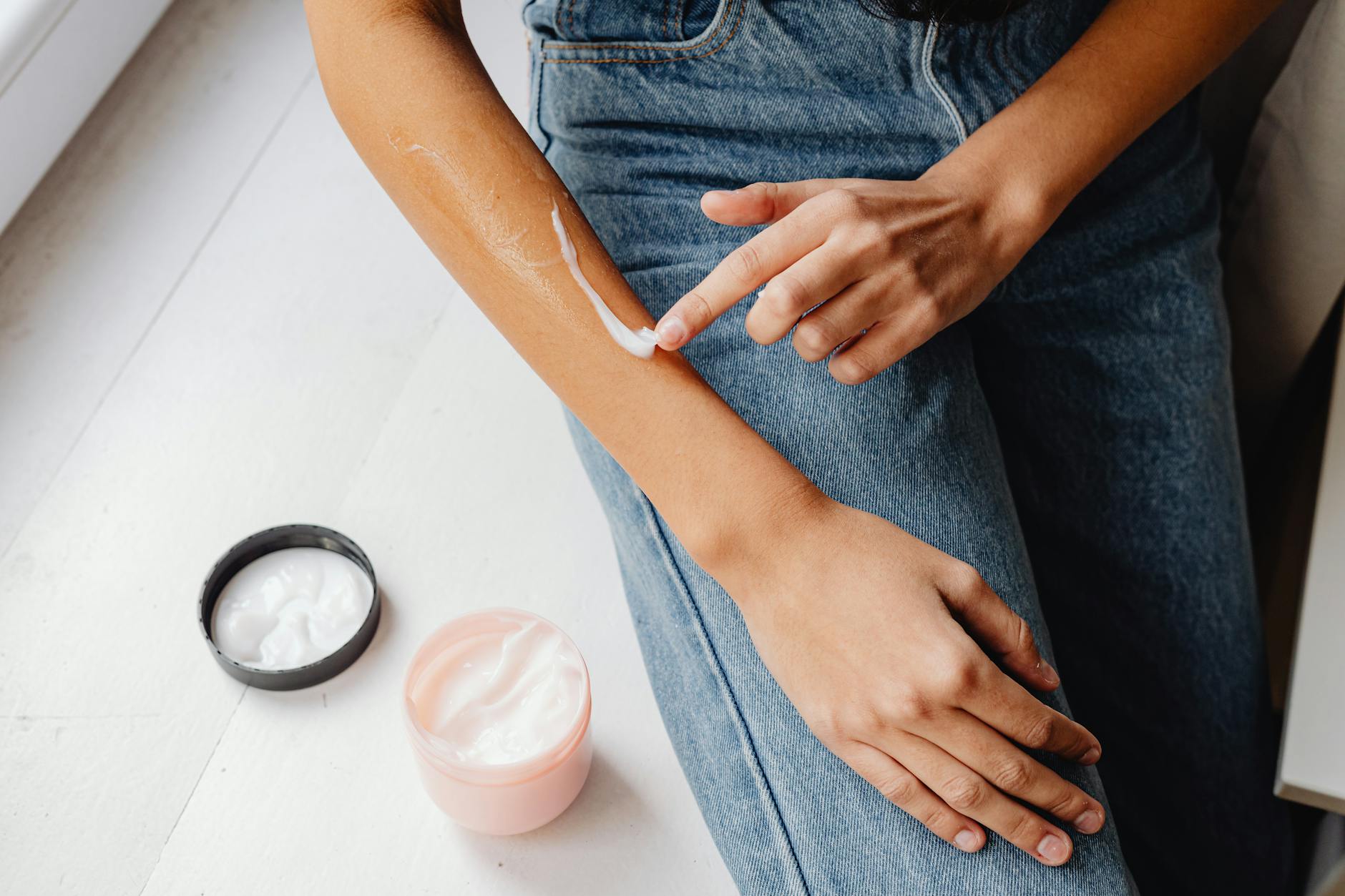
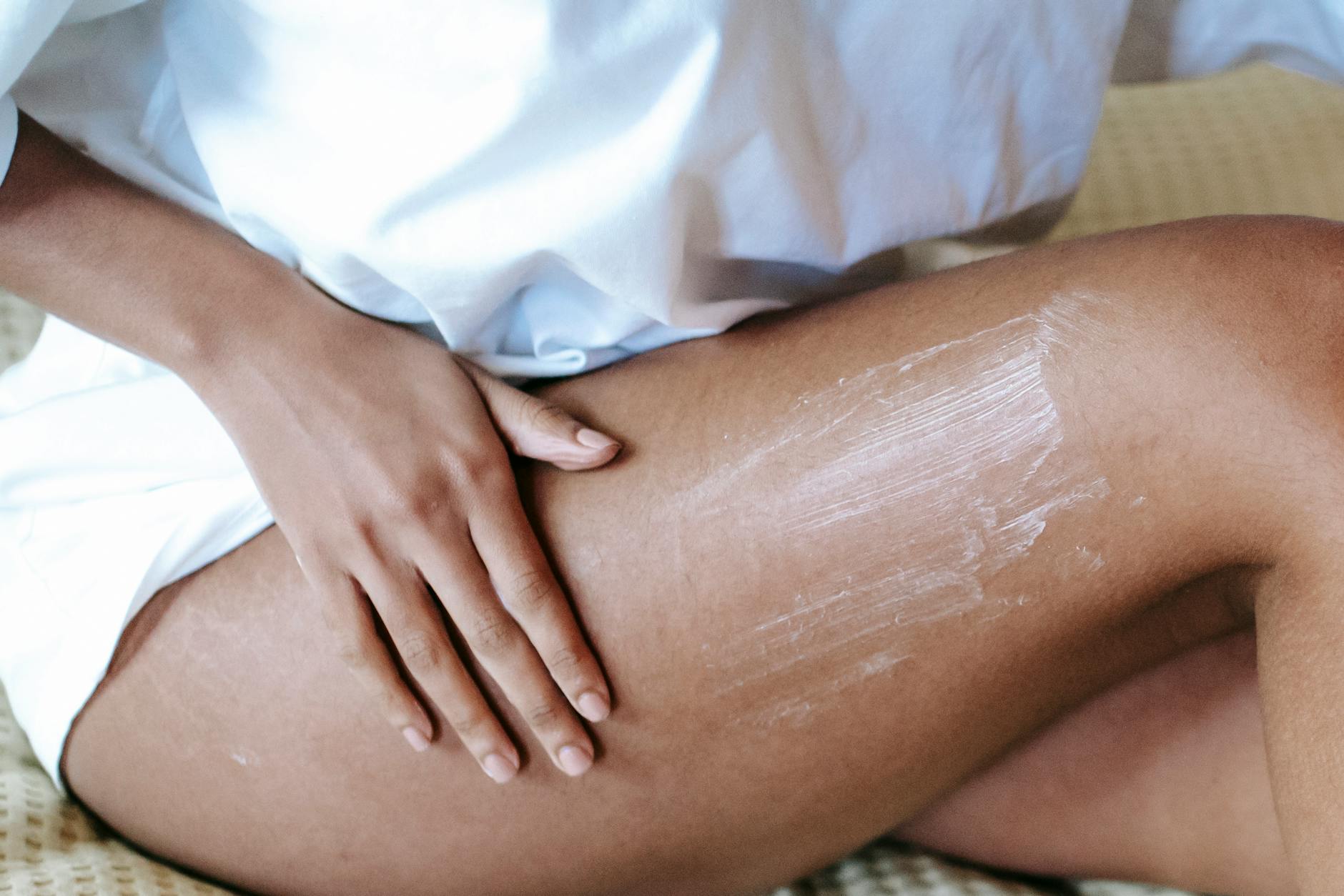
Right after showering represents the golden window for moisturizing your body. Your skin contains water from the shower, and applying moisturizer to damp skin creates a seal that locks in hydration. This technique, called wet skin moisturizing, can increase effectiveness by up to 300% compared to applying on completely dry skin.
Bedtime application serves as your overnight repair session. While you sleep, your skin enters recovery mode, making it the perfect time for deeper moisturizers to work without interference from environmental stressors or clothing friction.
After swimming or sun exposure, your skin desperately needs immediate moisture replacement. Chlorine strips natural oils, while UV exposure damages the skin barrier. Quick moisturizer application prevents the tight, uncomfortable feeling that often leads to visible skin issues.
Special Timing for Different Body Areas
Different body areas require unique moisturizing schedules based on their exposure patterns and skin thickness. Understanding these specific needs helps prevent skin damage and maintains healthy barriers across your entire body.
Your hands need moisturizer after every wash, which can be 8-10 times daily for most people. The frequent exposure to soap, sanitizers, and environmental irritants strips natural oils quickly. Keep hand cream accessible and apply immediately after drying to lock in moisture and prevent cracking.
Your feet benefit most from evening application when you can allow thick creams to absorb without shoes interfering. The plantar surface has the thickest skin on your body, requiring heavier formulations that need time to penetrate properly.
Your chest area needs morning moisturizer application before sun exposure to create a protective barrier. This large exposed area is particularly vulnerable to UV damage and premature aging without proper preparation.
Common Timing Mistakes to Avoid

Many people unknowingly sabotage their moisturizing routine through poor timing choices. These mistakes reduce product effectiveness and can worsen existing skin concerns that might lead to visible irritation or uneven texture.
Applying moisturizer to completely dry skin represents the most frequent error. Your body skin absorbs products better when slightly damp, as water helps carry moisturizing ingredients deeper into skin layers. Waiting more than three minutes after showering allows your skin to lose crucial moisture that the moisturizer could have sealed in.
Rushing out the door without moisturizing creates another problem. Skipping this step leaves your skin vulnerable to environmental damage and dehydration throughout the day. For example, winter air can quickly strip unprotected skin, causing visible flaking or tightness that becomes noticeable to others.
Set a consistent routine where moisturizing becomes automatic, not optional, to maintain healthy skin barriers.
How to Build an Effective Moisturizing Routine
Creating a consistent moisturizing schedule for your body requires strategic timing that fits your daily activities. Your skin's natural rhythm and environmental factors determine when moisturizing delivers maximum benefits.
Apply moisturizer within three minutes after showering to lock in moisture before your skin dries completely.
Use thicker formulations at bedtime when your skin naturally repairs itself and won't rub off on clothing.
Switch to lighter lotions in summer humidity and richer creams during dry winter months to match your skin's changing needs.
Proper timing prevents the dry, flaky patches that can lead to scratching and potential scarring. Start with twice-daily applications and adjust frequency based on how your skin responds to different weather conditions.
Apply body moisturizer within three minutes after bathing and adjust your routine seasonally for optimal skin health.
Frequently Asked Questions
When is the best time to apply body moisturizer?
The best time to apply body moisturizer is within three minutes of showering when your skin is still damp. This technique, called wet skin moisturizing, can increase effectiveness by up to 300% compared to applying on completely dry skin. Bedtime application is also ideal as your skin enters recovery mode overnight, allowing deeper moisturizers to work without environmental interference.
Why does timing matter for moisturizer effectiveness?
Timing matters because your skin's water content fluctuates throughout the day, directly impacting how well moisturizer penetrates and protects your skin barrier. Your skin's barrier function operates on a natural rhythm, and the body requires different moisturizing schedules than facial skin due to its thicker stratum corneum and lower sebaceous gland density. Understanding these natural fluctuations helps prevent dry, irritated skin that can lead to lasting texture changes.
How often should I moisturize my hands?
You should moisturize your hands after every wash, which can be 8-10 times daily for most people. The frequent exposure to soap, sanitizers, and environmental irritants strips natural oils quickly. Keep hand cream accessible and apply immediately after drying to lock in moisture and prevent cracking.
When should I apply moisturizer to my feet?
Your feet benefit most from evening application when you can allow thick creams to absorb without shoes interfering. The plantar surface has the thickest skin on your body, requiring heavier formulations that need time to penetrate properly. This timing allows the moisturizer to work effectively overnight without disruption.
Should I moisturize after swimming or sun exposure?
Yes, you should apply moisturizer immediately after swimming or sun exposure as your skin desperately needs moisture replacement. Chlorine strips natural oils, while UV exposure damages the skin barrier. Quick moisturizer application prevents the tight, uncomfortable feeling that often leads to visible skin issues.
Disclaimer: This content is for informational purposes only and does not constitute medical advice. Always consult a qualified healthcare provider before making health decisions.