Understanding Sensitive Chest Skin

The chest area represents one of your body's most vulnerable zones for skin sensitivity and irritation. This large exposed area faces constant challenges from sun damage, friction from clothing, and environmental pollutants that can compromise your skin's protective barrier.
“The chest's thin skin barrier makes it particularly susceptible to irritation and premature aging.”
Your chest skin differs significantly from facial skin in barrier function and thickness. The décolletage area produces less natural oil, making it prone to dryness and sensitivity. Common triggers include harsh fabrics, fragranced products, excessive heat, and chemical irritants from laundry detergents.
Understanding these vulnerabilities helps prevent the permanent scarring and discoloration you're concerned about. Recognizing early sensitivity signs like redness, burning sensations, or rough texture allows for prompt intervention before minor irritation becomes a lasting problem.
Gentle Cleansing for Sensitive Chest Skin

Proper cleansing forms the foundation of sensitive chest care, preventing irritation while removing daily buildup of oils and environmental pollutants. The chest area requires specialized attention due to its vulnerability and exposure to friction from clothing.
"Gentle cleansing protects your skin barrier while preventing the irritation that leads to lasting damage."
Select mild, pH-balanced formulas specifically labeled for sensitive skin to avoid chemical irritation.
Hot water strips natural oils and increases inflammation in sensitive chest skin.
Massage cleansers with fingertips using circular motions, avoiding harsh scrubbing that damages the skin barrier.
Avoid exfoliating scrubs, washcloths, or loofahs on sensitive chest skin. These tools create micro-tears that worsen sensitivity and increase infection risk. Pat dry with a clean towel instead of rubbing to minimize friction and preserve your skin's protective barrier.
Moisturizing and Barrier Protection
Regular moisturizing prevents the dryness and irritation that can worsen chest sensitivity and lead to lasting skin damage. Your chest area requires consistent hydration to maintain its protective barrier, especially since this large exposed area faces daily environmental stressors.
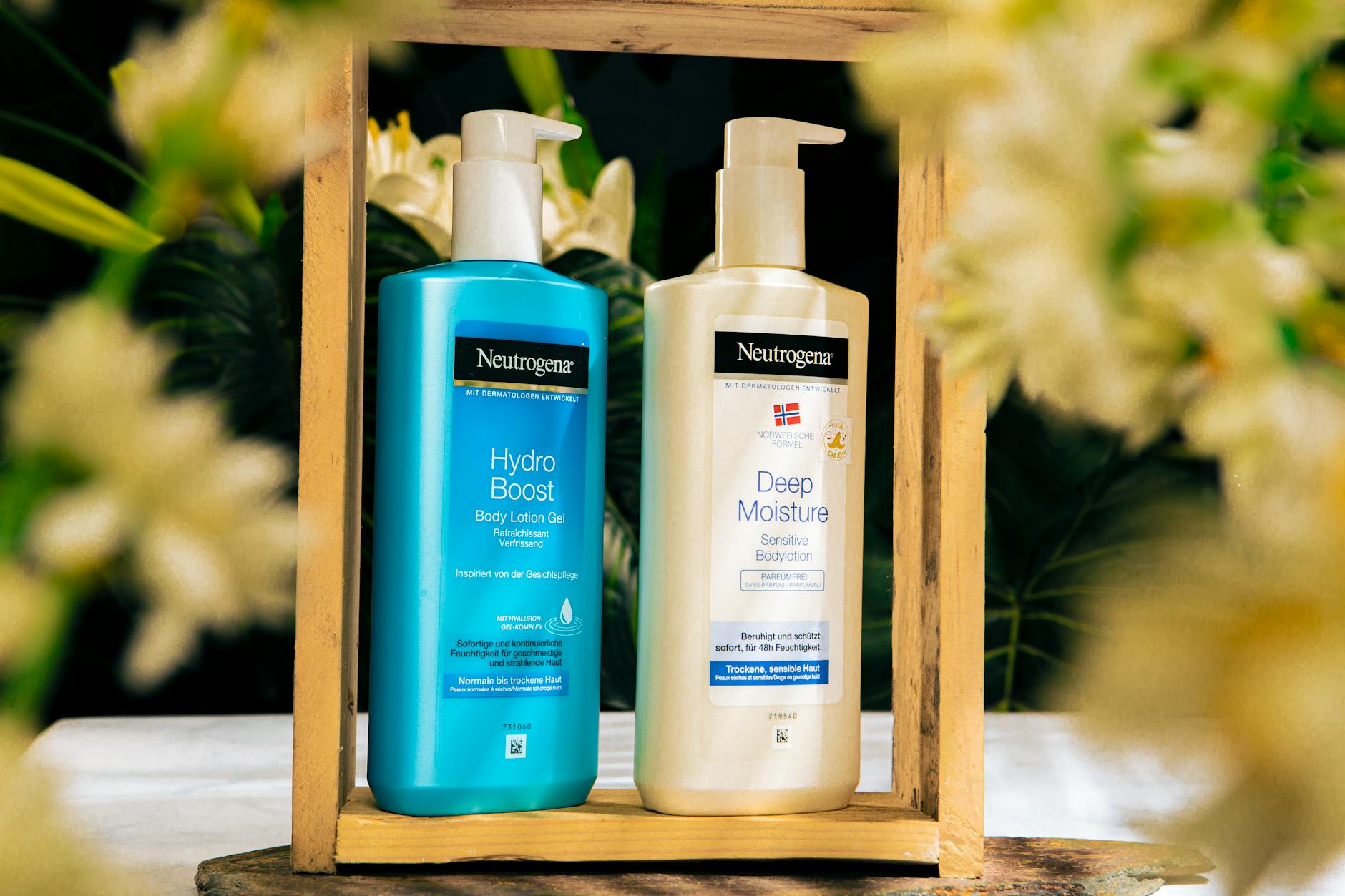
Choose fragrance-free moisturizers containing ceramides, hyaluronic acid, or niacinamide. These ingredients strengthen your skin barrier without triggering reactions. Avoid products with alcohol, essential oils, or harsh preservatives that can inflame sensitive skin.
Moisturize within three minutes after cleansing to lock in hydration.
Apply moisturizer from your collarbone upward using light pressure to avoid irritation.
Moisturize twice daily, morning and evening. For example, CeraVe Daily Moisturizing Lotion provides effective barrier repair for sensitive chest skin without clogging pores or causing breakouts.
Daily Protection Strategies
Your chest area requires consistent protection from UV rays and environmental stressors that can worsen sensitive skin conditions. Sun exposure represents the single greatest threat to chest skin health, accelerating aging and triggering inflammatory responses that lead to lasting damage.
Apply broad-spectrum sunscreen with SPF 30 or higher to your chest daily, extending coverage from your collarbone to the top of your bra line. Choose loose-fitting, breathable fabrics like cotton that allow air circulation while providing physical barriers against environmental pollutants. Avoid synthetic materials that trap heat and moisture against sensitive skin.
Indoor environments matter too. Air conditioning, heating systems, and pollution create drying conditions that compromise your skin's natural protective barrier, making breakouts more likely and healing slower.
Common Mistakes to Avoid

Several well-intentioned practices can worsen sensitive chest skin, potentially leading to the persistent irritation and marks you're working to prevent. Understanding these pitfalls helps protect your Body's delicate skin barrier.
Harsh ingredients pose the biggest threat to chest skin health. Fragranced body washes, alcohol-based toners, and products containing sulfates strip natural oils and trigger inflammatory reactions. Many people unknowingly use laundry detergents with optical brighteners that remain on clothing fibers, causing contact dermatitis when fabric touches sensitive chest skin.
Over-cleansing ranks as the second most damaging mistake. Scrubbing twice daily or using exfoliating brushes removes protective lipids faster than your skin can replace them. This creates microscopic tears that invite bacteria and worsen existing sensitivity.
Friction from tight clothing, rough towel drying, and sleeping positions creates mechanical irritation. Sports bras worn too long and synthetic fabrics trap moisture against skin, creating ideal conditions for inflammation and breakouts.
When to Seek Professional Help
Persistent chest irritation lasting more than two weeks despite gentle care requires dermatological evaluation. Worsening symptoms like spreading redness, severe burning, or unusual bumps warrant immediate professional attention to prevent potential scarring.
Dermatologists offer targeted treatments including prescription topical medications, chemical peels, and specialized procedures for sensitive chest skin. Professional intervention becomes essential when over-the-counter products fail to provide relief or symptoms interfere with daily activities.
Seek dermatological help when chest sensitivity persists beyond two weeks or worsens despite proper care.
Frequently Asked Questions
Why is chest skin more sensitive than other areas?
The chest area has a thinner skin barrier and produces less natural oil than facial skin, making it more vulnerable to irritation. This large exposed area faces constant challenges from sun damage, friction from clothing, and environmental pollutants that can compromise the skin's protective barrier. The décolletage area is particularly prone to dryness and sensitivity due to its reduced oil production.
What type of cleanser should I use on sensitive chest skin?
Choose mild, pH-balanced cleansers that are specifically labeled for sensitive skin and completely fragrance-free to avoid chemical irritation. Use lukewarm water instead of hot water, which can strip natural oils and increase inflammation. Apply the cleanser with gentle fingertip pressure using circular motions, avoiding harsh scrubbing that can damage the skin barrier.
How should I moisturize my sensitive chest area?
Apply fragrance-free moisturizers containing beneficial ingredients like ceramides, hyaluronic acid, or niacinamide to strengthen your skin barrier. Moisturize within three minutes after cleansing while skin is still damp to lock in hydration, using gentle upward motions from your collarbone. Apply moisturizer twice daily, both morning and evening, to maintain consistent hydration and barrier protection.
What ingredients should I avoid for sensitive chest skin?
Avoid products containing alcohol, essential oils, fragrances, or harsh preservatives that can inflame sensitive skin and trigger reactions. Stay away from exfoliating scrubs, washcloths, or loofahs as these tools create micro-tears that worsen sensitivity and increase infection risk. Hot water should also be avoided as it strips natural oils and increases inflammation in the delicate chest area.
Disclaimer: This content is for informational purposes only and does not constitute medical advice. Always consult a qualified healthcare provider before making health decisions.