Understanding Athlete's Foot (Tinea Pedis)

Athlete's foot, medically known as tinea pedis, is a common fungal infection that affects the skin on your feet. This condition develops when dermatophyte fungi, primarily Trichophyton rubrum and T. mentagrophytes, invade the thick skin of your feet that is naturally prone to dryness and fungal infections.
“Athlete's foot rarely causes permanent scarring when treated properly, making early intervention your best defense against prolonged discomfort.”
The infection typically manifests through persistent itching, burning sensations, visible scaling, and peeling skin. These symptoms most commonly appear between your toes, on the soles of your feet, and along the sides of your feet where moisture tends to accumulate.
The warm, moist environment inside shoes creates ideal conditions for fungal growth, explaining why this infection specifically targets foot skin rather than other body areas.
Effective Treatment Options

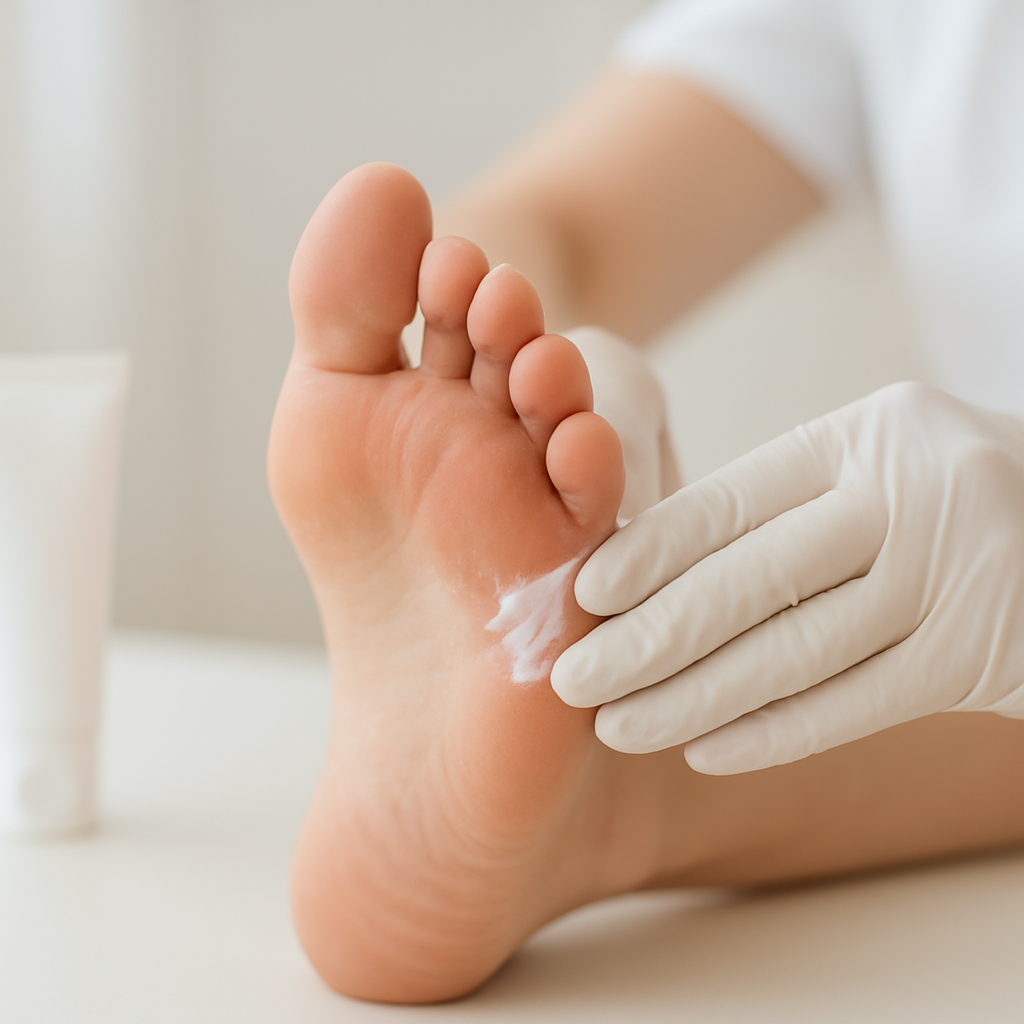
Most athlete's foot infections respond well to topical antifungal creams, which serve as the first-line treatment recommended by dermatologists. Over-the-counter options like terbinafine (Lamisil) and clotrimazole (Lotrimin) effectively eliminate fungal infections when applied twice daily for 2-4 weeks. These medications penetrate the skin to target the root cause without causing permanent damage or scarring.
“Consistent daily treatment with antifungal creams clears most athlete's foot cases within two to four weeks.”
Antifungal powders work best for prevention and mild infections, absorbing moisture while delivering medication. For severe or persistent infections that don't respond to topical treatments, oral antifungal medications like fluconazole may be necessary, though these require prescription monitoring.
Keeping feet completely dry and clean accelerates healing significantly. Wash feet daily with antibacterial soap, dry thoroughly between toes, and change socks twice daily. Most patients see improvement within one week of consistent treatment, with complete clearing in 2-4 weeks when following proper protocols.
Prevention Strategies
Preventing athlete's foot requires creating an environment where fungus cannot thrive. The key is eliminating the warm, moist conditions that allow infection to take hold and spread to other areas of your body.
Avoid walking barefoot in public pools, locker rooms, and showers where infected skin cells accumulate. Choose breathable shoes made from natural materials like leather or canvas, and rotate pairs daily to allow complete drying. Synthetic materials trap moisture and create ideal breeding conditions.
Wash feet daily with antifungal soap, dry thoroughly between toes, and apply antifungal powder to feet and shoes. Change socks immediately when they become damp from sweating. People with diabetes or compromised immune systems should inspect feet daily and seek immediate medical attention for any suspicious symptoms, as infections can lead to serious complications without proper prevention measures.
When to See a Doctor

Most athlete's foot cases respond well to over-the-counter treatments, but certain warning signs require professional medical attention. Seek immediate care if you notice spreading redness beyond the infected area, pus-filled blisters, red streaks extending up your leg, or a foul odor that doesn't improve with treatment.
Secondary bacterial infections can develop when the skin barrier is compromised, creating complications that need prescription antibiotics. If your symptoms worsen or fail to improve after two to four weeks of consistent treatment, schedule an appointment with a healthcare provider.
People with diabetes or compromised immune systems should consult a doctor at the first sign of athlete's foot, as they face higher risks of serious complications and slower healing times.
Complete Foot Care Integration
Athlete's foot treatment works best when integrated into a comprehensive foot care routine rather than treated as an isolated problem. Your feet require specialized attention due to their thick skin that's prone to dryness, calluses, and fungal infections, making daily moisturizing and antifungal care essential for maintaining a healthy skin barrier.
Fungal infections often develop alongside other foot problems like excessive dryness, calluses, or poor circulation. Addressing these underlying issues creates an environment less favorable to fungal growth. Regular exfoliation removes dead skin where fungi thrive, while proper moisturizing prevents cracks that allow infections to penetrate deeper.
Your hands play a crucial role in foot care success. Always wash your hands thoroughly after touching infected feet to prevent spreading the fungus. This simple habit protects both your hands and prevents reinfection of treated areas.
Integrate antifungal treatment with daily foot hygiene, moisturizing, and proper hand washing for lasting results.
Frequently Asked Questions
What is athlete's foot and what causes it?
Athlete's foot, medically known as tinea pedis, is a common fungal infection that affects the skin on your feet. This condition develops when dermatophyte fungi, primarily Trichophyton rubrum and T. mentagrophytes, invade the thick skin of your feet. The warm, moist environment inside shoes creates ideal conditions for fungal growth, explaining why this infection specifically targets foot skin rather than other body areas.
How long does it take to treat athlete's foot?
Most athlete's foot infections can be treated in 2-4 weeks with consistent use of topical antifungal creams. Over-the-counter options like terbinafine (Lamisil) and clotrimazole (Lotrimin) should be applied twice daily throughout this period. Most patients see improvement within one week of consistent treatment, with complete clearing in 2-4 weeks when following proper protocols.
What are the symptoms of athlete's foot?
The infection typically manifests through persistent itching, burning sensations, visible scaling, and peeling skin. These symptoms most commonly appear between your toes, on the soles of your feet, and along the sides of your feet where moisture tends to accumulate. About 70% of cases occur between the toes where moisture is most likely to build up.
How can I prevent athlete's foot?
Prevention requires creating an environment where fungus cannot thrive by eliminating warm, moist conditions. Avoid walking barefoot in public pools, locker rooms, and showers where infected skin cells accumulate. Choose breathable shoes made from natural materials like leather or canvas, rotate pairs daily to allow complete drying, and wash feet daily with antifungal soap while drying thoroughly between toes.
What is the best treatment for athlete's foot?
Topical antifungal creams serve as the first-line treatment recommended by dermatologists for most athlete's foot infections. Over-the-counter options like terbinafine (Lamisil) and clotrimazole (Lotrimin) effectively eliminate fungal infections when applied twice daily. For severe or persistent infections that don't respond to topical treatments, oral antifungal medications like fluconazole may be necessary, though these require prescription monitoring.
Disclaimer: This content is for informational purposes only and does not constitute medical advice. Always consult a qualified healthcare provider before making health decisions.