Why Daily Foot Care Matters

Your feet endure more stress than any other part of your body, yet they're often the most neglected in skincare routines. The thick skin on your feet is naturally prone to dryness, calluses, and fungal infections, making them vulnerable to uncomfortable problems that can affect your daily life.
“Daily prevention is always easier than treating established foot problems.”
Unlike facial skin concerns that might worry you about social embarrassment, foot problems can cause genuine physical discomfort that impacts your mobility and quality of life. Cracked heels, painful calluses, and fungal infections don't just look unsightly—they can become serious medical issues if left untreated.
A simple five-minute daily routine prevents most common foot issues before they start. Regular moisturizing maintains your skin barrier, gentle exfoliation prevents callus buildup, and proper hygiene stops fungal growth in its tracks.
Step 1: Daily Washing and Inspection
Start your foot care routine with proper cleaning using lukewarm water and a mild, fragrance-free soap. Hot water strips natural oils from your feet, which have thick skin prone to dryness, calluses, and fungal infections. This specialized skin requires gentle care to maintain a healthy barrier that protects against infections and cracking.
Use lukewarm water and gentle soap to clean all surfaces of your feet for 30-60 seconds.
Check every inch of your feet for cuts, sores, discoloration, or unusual changes in skin texture.
Gently wash and dry the spaces between your toes where moisture and bacteria accumulate.
During your daily inspection, look for early signs of problems like small cuts that could become infected, changes in skin color, or new growths. Pay special attention to areas between your toes where fungal infections commonly start. Early detection prevents minor issues from becoming serious problems that could lead to permanent damage or embarrassing conditions.
"Daily inspection catches problems when they're still easily treatable."
Step 2: Thorough Drying Technique

After washing your feet, proper drying becomes your strongest defense against fungal infections that thrive in moist environments. The thick skin of your feet, particularly between the toes, creates perfect breeding grounds for bacteria and fungi when left damp.
Use gentle patting motions rather than aggressive rubbing to avoid skin irritation.
Pay special attention to the areas between each toe where moisture commonly gets trapped.
Let your feet breathe for 2-3 minutes before putting on socks or shoes.
For example, after your morning shower, sit on your bed edge and thoroughly pat each toe space dry before getting dressed. This simple habit prevents the uncomfortable itching and potential scarring that fungal infections can cause, protecting both your foot health and confidence.
Step 3: Moisturizing for Healthy Skin
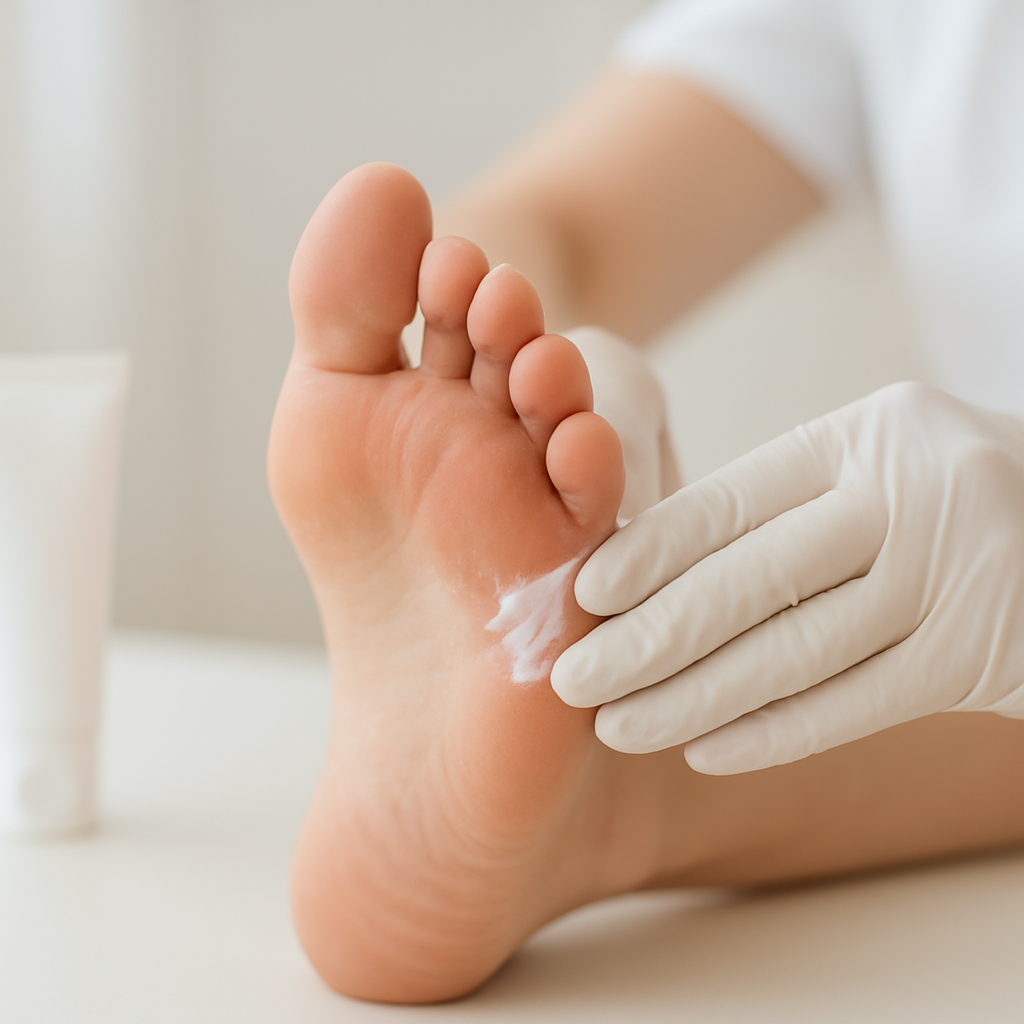
Proper moisturizing prevents the thick skin on your feet from developing painful cracks that could lead to scarring or infections. Your feet naturally produce less oil than other body areas, making them particularly vulnerable to dryness and callus formation.
Select moisturizers designed for feet, which contain higher concentrations of urea or lactic acid to penetrate thick skin.
Focus on heels, balls of feet, and other dry areas while completely avoiding the spaces between toes.
Never moisturize between your toes, as trapped moisture creates an ideal environment for fungal growth. Instead, concentrate on problem areas like your heels where cracks commonly develop. A thick cream containing 10-20% urea works best for stubborn dry patches.
Apply moisturizer immediately after drying your feet, when your skin is still slightly warm. This timing helps the product absorb better and creates a protective barrier that lasts throughout the day.
Step 4: Nail Care and Trimming
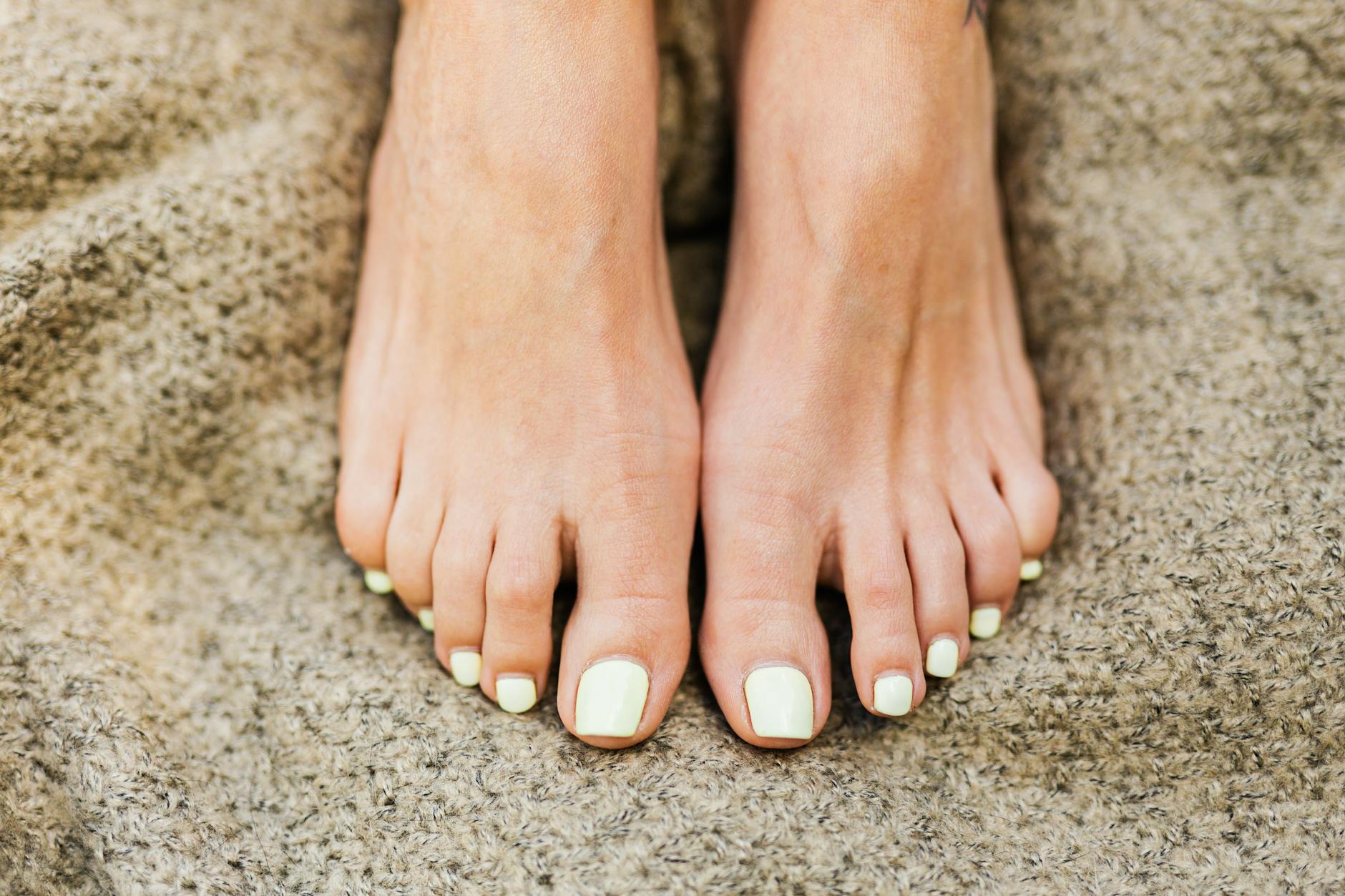
Proper toenail trimming prevents painful ingrown nails and reduces infection risk. Many people cut their nails incorrectly, which can lead to discomfort and complications that take weeks to heal.
Use clean nail clippers to trim nails in a straight line, not curved.
Keep nails level with or slightly longer than your toe tips.
Gently file any sharp corners with an emery board.
Trim your nails when they're dry for cleaner cuts. For example, cut nails after your morning shower rather than immediately after soaking. Never tear or bite toenails, as this creates jagged edges that can catch on socks and grow into surrounding skin.
When to See a Professional

While daily foot care prevents most problems, certain warning signs require immediate medical attention. Watch for persistent pain, unusual swelling, or discoloration that doesn't improve with home care. Open wounds, cuts that won't heal, or signs of infection like warmth, redness, and pus demand prompt professional evaluation.
Recurring ingrown toenails, thick fungal infections, and stubborn calluses often need specialized treatment beyond home remedies. Diabetics should seek regular podiatric care regardless of symptoms, as poor circulation affects healing throughout the body and increases infection risk.
Professional treatments include custom orthotics, laser therapy for fungal infections, and surgical correction of structural problems. Early intervention prevents complications and maintains mobility. Your feet support your entire body, making professional care an investment in overall health rather than vanity.
Building Your Sustainable Routine
Creating a consistent foot care routine starts with timing. The best moments are after your evening shower when skin is clean and slightly damp, making moisturizer absorption more effective. Your hands benefit from the same approach—apply hand cream immediately after washing while skin retains moisture.
Apply sunscreen to exposed areas and lightweight moisturizer to prevent dryness throughout the day.
Cleanse thoroughly, exfoliate 2-3 times weekly, and apply rich moisturizer or overnight treatment.
Essential products include a gentle cleanser, moisturizer with ceramides or urea, and broad-spectrum sunscreen. Start with just these three items rather than overwhelming yourself with complex routines.
Build the habit by linking foot care to existing routines like brushing teeth. Set phone reminders for the first month until consistency becomes automatic. Remember that healthy skin develops gradually—consistent daily care prevents the scarring and complications that worry many patients.
Start with evening moisturizing after showering and gradually add morning protection once the habit sticks.
Frequently Asked Questions
Why is daily foot care important?
Your feet endure more stress than any other part of your body but are often neglected in skincare routines. The thick skin on feet is naturally prone to dryness, calluses, and fungal infections that can cause genuine physical discomfort and impact mobility. Daily prevention through a simple five-minute routine is always easier than treating established foot problems that could become serious medical issues.
What water temperature should I use to wash my feet?
You should use lukewarm water when washing your feet, not hot water. Hot water strips natural oils from your feet, which have thick skin that's already prone to dryness, calluses, and fungal infections. Lukewarm water with mild, fragrance-free soap provides gentle care that maintains your skin's healthy protective barrier.
What should I look for when inspecting my feet daily?
During daily inspection, look for early signs of problems like small cuts that could become infected, changes in skin color, or new growths. Pay special attention to areas between your toes where fungal infections commonly start. Early detection prevents minor issues from becoming serious problems that could lead to permanent damage.
How should I dry my feet properly after washing?
Use gentle patting motions with a clean towel rather than aggressive rubbing to avoid skin irritation. Pay special attention to the areas between each toe where moisture commonly gets trapped, as the thick skin of your feet creates perfect breeding grounds for bacteria and fungi when left damp. Thorough drying is your strongest defense against fungal infections that thrive in moist environments.
How much do adults typically spend on foot problems annually?
The average annual foot treatment cost is $200, which highlights the financial impact of neglecting proper foot care. This statistic demonstrates why daily prevention through a simple routine is more cost-effective than treating established problems. With 75% of adults experiencing foot problems, investing in daily care can save both money and discomfort.
Disclaimer: This content is for informational purposes only and does not constitute medical advice. Always consult a qualified healthcare provider before making health decisions.