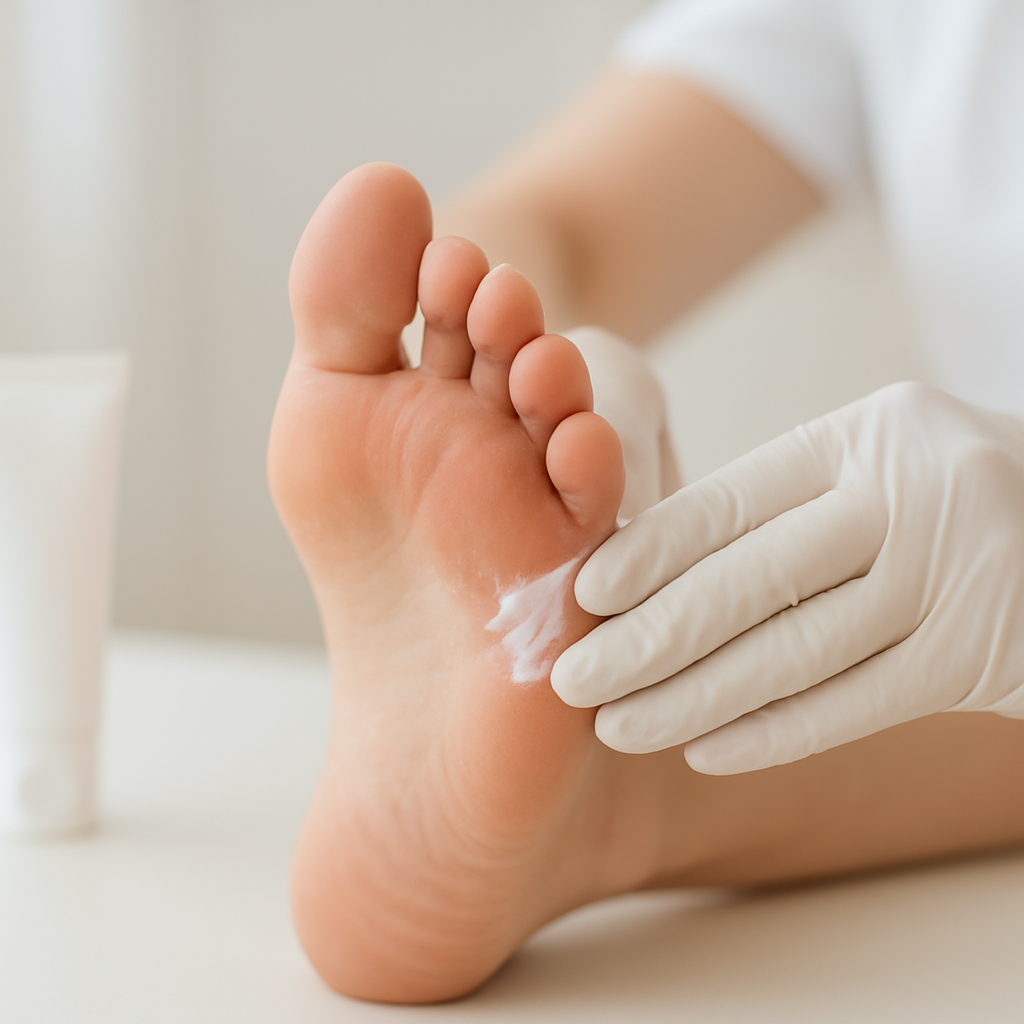
Why Diabetic Foot Care Is Critical

Diabetes creates a perfect storm of conditions that put your feet at serious risk. High blood sugar levels damage blood vessels and nerves throughout your body, but your feet bear the brunt of these complications. Poor circulation reduces the oxygen and nutrients your foot tissues need to stay healthy and heal properly.
“Diabetic foot complications are entirely preventable with proper daily care and attention.”
Nerve damage, called diabetic neuropathy, poses an even greater threat. When sensation decreases in your feet, you won't feel cuts, blisters, or pressure sores developing. What starts as a minor injury can quickly become a serious infection. The thick skin of your feet is already prone to dryness and calluses, making it easier for bacteria to enter through cracks.
Your compromised immune system struggles to fight infections, and slower healing means wounds stay open longer. Early detection and prevention protect you from permanent complications that could affect your mobility and independence.
Daily Foot Inspection Routine

A daily foot inspection prevents small problems from becoming serious complications that could lead to permanent damage. Your feet require specialized attention due to their thick skin that's prone to dryness, calluses, and fungal infections.
Check the tops, bottoms, and between each toe for cuts, blisters, or unusual markings.
Place a mirror on the floor to see your heel and sole clearly, or ask a family member to help.
Notice any areas that feel unusually warm, cold, or numb compared to the rest of your foot.
Take photos of any concerning areas to track healing progress over time.
"Early detection through daily inspection prevents 85% of diabetes-related foot complications."
Seek immediate medical attention if you notice open wounds, red streaks, pus, or areas that don't heal within 24 hours. These signs require professional treatment to prevent serious infection.
Proper Diabetic Foot Hygiene
Maintaining clean, healthy feet requires a gentle approach that protects your skin's natural barrier. The thick skin on your feet is prone to dryness and infections, making proper hygiene essential for preventing complications that could lead to permanent damage.
Use mild soap and test water temperature with your elbow to avoid burns.
Pat feet dry with a clean towel, paying special attention to spaces between toes.
Use diabetic-safe moisturizer on feet but avoid applying between toes to prevent fungal growth.
Avoid soaking your feet, as prolonged water exposure weakens skin and increases infection risk. The large surface areas of your body require similar gentle care, but feet need extra attention due to reduced sensation and slower healing in diabetes.
Choosing the Right Footwear

Your feet deserve protection that prevents complications while maintaining skin health. Well-fitting shoes form your first line of defense against pressure sores, blisters, and infections that could lead to permanent scarring.
Select shoes with adequate toe room and no internal seams that create pressure points. Leather and breathable mesh materials allow air circulation, preventing moisture buildup that encourages fungal growth on your foot skin. Avoid synthetic materials that trap heat and humidity.
Choose seamless, moisture-wicking socks that don't bunch or create wrinkles. White or light colors help you spot bleeding or discharge immediately. Replace shoes every six to eight months or when tread wears down, as worn footwear loses protective cushioning your feet need.
When to See a Healthcare Provider
Knowing when to seek medical attention can prevent serious complications and permanent scarring. Your feet require immediate professional care if you notice any signs of infection, including redness, warmth, swelling, pus, or red streaks extending from wounds. Slow-healing cuts or sores that don't improve within a few days also need medical evaluation.
Schedule an appointment if you experience changes in foot sensation, such as increased numbness, tingling, or loss of feeling. New foot deformities, unusual color changes, or persistent pain warrant professional assessment. For example, a small blister that becomes increasingly painful and develops a foul odor requires urgent care.
Even without symptoms, visit your healthcare provider every three months for diabetic foot examinations. These regular check-ups help detect problems early, before they become serious complications that could affect your confidence and daily activities.
Seek immediate medical care for any signs of infection, changes in sensation, or wounds that don't heal within a few days.
Frequently Asked Questions
Why is foot care so important for diabetics?
Diabetes creates a perfect storm of conditions that put your feet at serious risk. High blood sugar levels damage blood vessels and nerves, reducing circulation and sensation in your feet. Poor circulation reduces oxygen and nutrients needed for healing, while nerve damage means you won't feel cuts, blisters, or pressure sores developing. What starts as a minor injury can quickly become a serious infection due to your compromised immune system and slower healing.
How often should diabetics inspect their feet?
Diabetics should inspect their feet daily to prevent small problems from becoming serious complications. Daily foot inspection prevents permanent damage and early detection through daily inspection prevents 85% of diabetes-related foot complications. You should examine all surfaces including tops, bottoms, and between each toe for cuts, blisters, or unusual markings.
What should I look for during a diabetic foot inspection?
During your daily foot inspection, check for cuts, blisters, unusual markings, and feel for temperature changes on all surfaces of your feet. Use a mirror to see your heel and sole clearly, and notice any areas that feel unusually warm, cold, or numb. Document any changes by taking photos of concerning areas to track healing progress over time.
When should diabetics seek medical attention for foot problems?
Seek immediate medical attention if you notice open wounds, red streaks, pus, or areas that don't heal within 24 hours. These signs require professional treatment to prevent serious infection. Early detection and prevention protect you from permanent complications that could affect your mobility and independence.
How should diabetics properly wash their feet?
Wash your feet with lukewarm water and mild soap, testing the water temperature with your elbow to avoid burns. After washing, pat your feet dry thoroughly with a clean towel, paying special attention to the spaces between your toes. This gentle approach protects your skin's natural barrier and prevents infections that the thick skin on your feet is prone to developing.
Disclaimer: This content is for informational purposes only and does not constitute medical advice. Always consult a qualified healthcare provider before making health decisions.