The Basics of Healthy Toenail Care

Your toenails serve as protective shields for the sensitive tips of your toes, but they require consistent care to function properly. Neglected toenails can become breeding grounds for bacteria and fungi, leading to painful infections that may cause permanent damage or social embarrassment.
“Healthy toenails are your first line of defense against foot injuries and infections.”
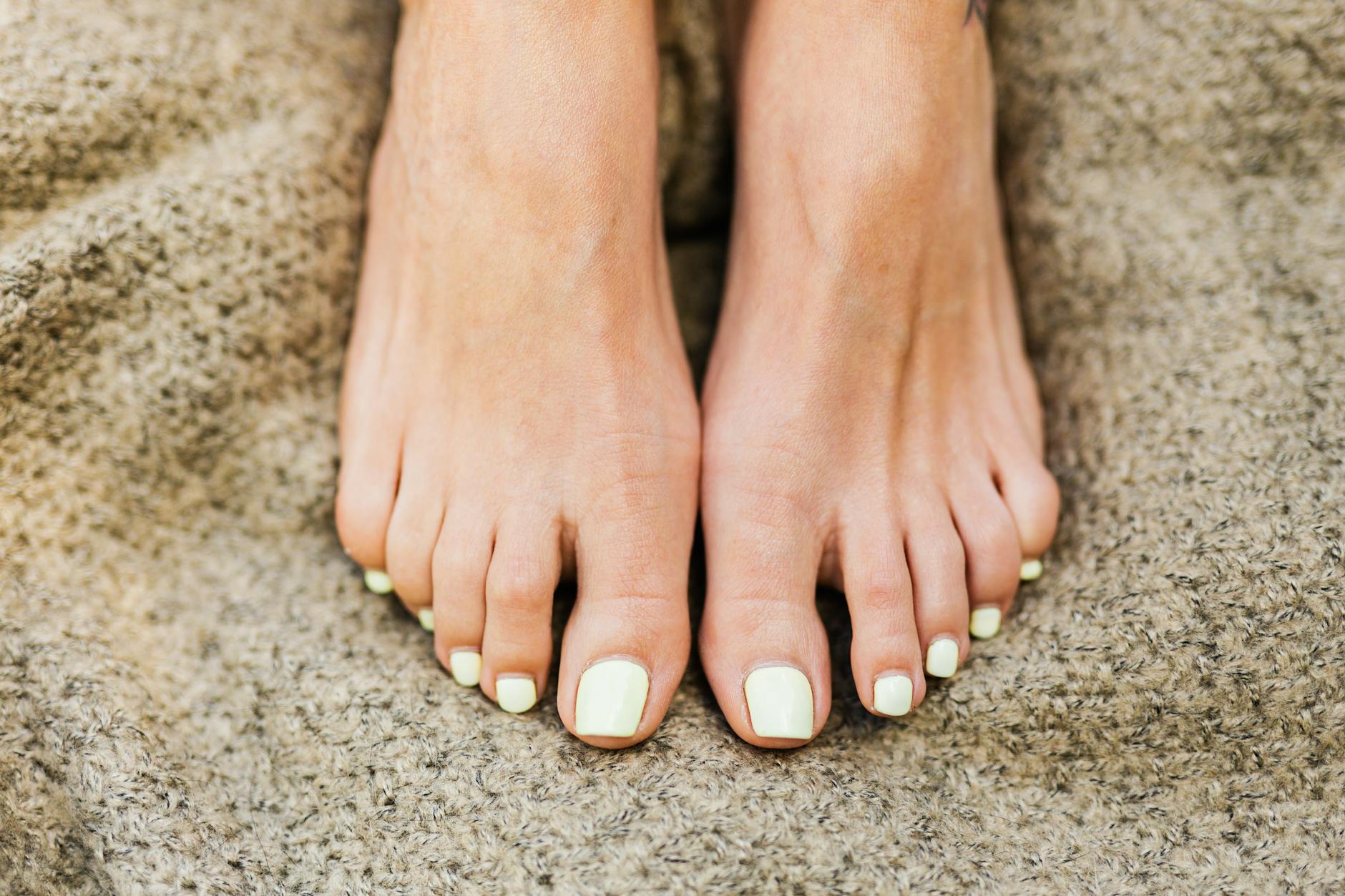
Understanding basic toenail anatomy helps you recognize problems early. Healthy nails appear pink with white tips, grow straight forward, and feel firm but flexible. The nail plate protects the nail bed underneath, while the cuticle seals out harmful microorganisms.
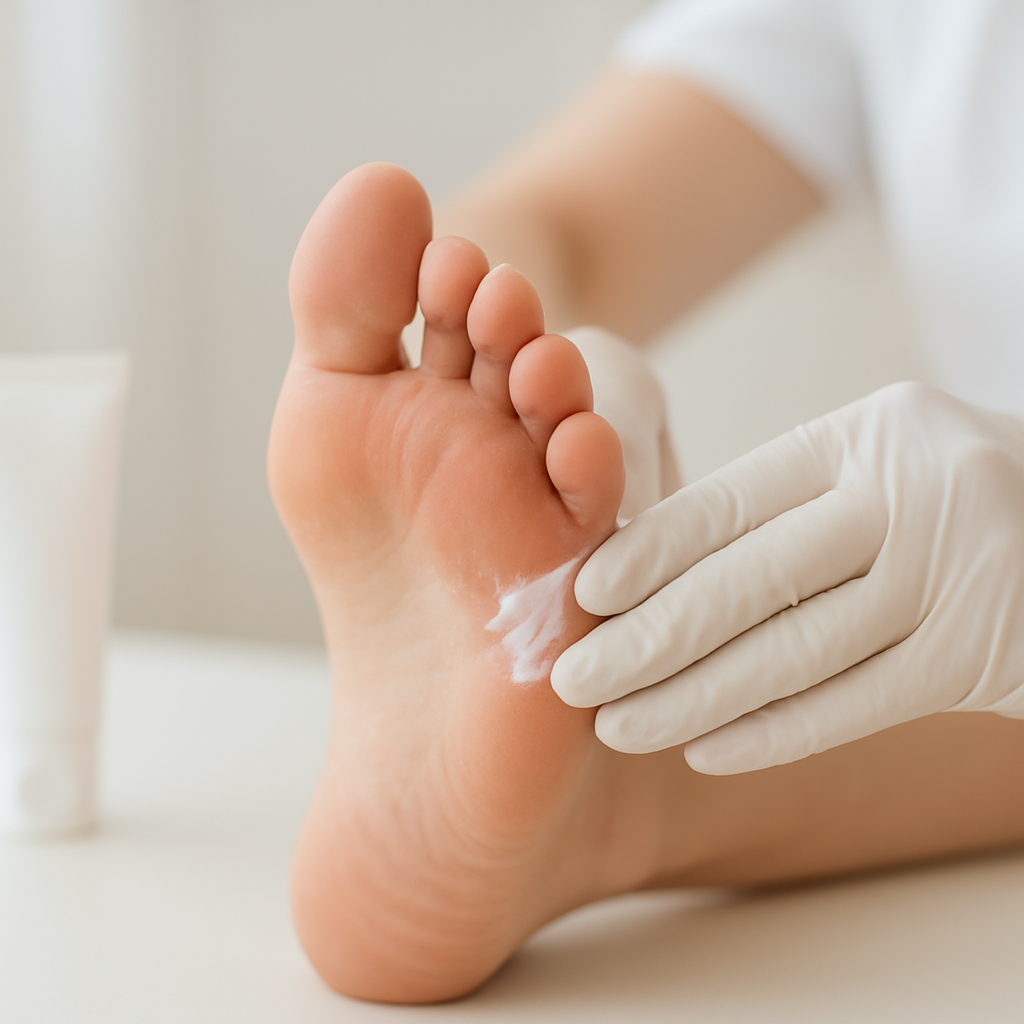
Your feet have thick skin that's naturally prone to dryness, calluses, and fungal infections. This specialized skin requires targeted moisturizing care and antifungal treatments to maintain a healthy barrier. Poor toenail hygiene directly impacts your foot skin health, creating entry points for infections that can spread throughout the foot area and cause lasting complications.
Proper Toenail Trimming Technique

Learning the correct way to trim your toenails prevents painful problems that can lead to infections and permanent damage. Many people unknowingly create issues by cutting nails too short or rounding the edges, which increases the risk of ingrown toenails.
“Proper toenail trimming is your first line of defense against ingrown nails and infections.”
Trim your toenails every 2-3 weeks, or when they extend beyond your toe tips. Clean nail clippers with rubbing alcohol before use to prevent bacteria transfer.
Make one clean cut from side to side, leaving the nail edge flat rather than curved.
Keep nails long enough to protect your toe tip but short enough to stay clean under the nail.
Use a nail file to gently round only the very corners to prevent snagging on socks.
Avoid cutting nails too short, rounding the entire edge, or tearing instead of cutting cleanly. These mistakes create entry points for bacteria and encourage nails to grow into surrounding skin.
Common Toenail Problems and Prevention
Understanding common toenail problems helps you prevent issues before they become serious concerns that might cause scarring or embarrassment. The most frequent problems include ingrown toenails, fungal infections, and nail discoloration.
Ingrown toenails develop when nail edges grow into surrounding skin, often from improper trimming or tight shoes. Prevent them by cutting nails straight across and wearing properly fitted footwear. Nail fungus thrives in warm, moist environments like gym showers. Keep feet clean and dry, wear breathable socks, and avoid walking barefoot in public areas.
Thick or discolored nails may indicate underlying health conditions or poor circulation. Just as your Body requires regular moisturizing and protection for healthy skin barrier function, your toenails need consistent care. Maintain good hygiene practices that extend to your Hands as well, since touching infected nails can spread fungus to other areas.
Watch for persistent changes in nail color, texture, or thickness, which warrant professional evaluation.
Warning Signs That Need Professional Care

Recognizing when toenail problems require professional intervention can prevent serious complications and permanent damage. While minor issues often resolve with home care, certain symptoms demand immediate medical attention to avoid lasting scarring or deformity.
Seek professional care if you notice severe redness spreading beyond the nail area, pus discharge, red streaking up your foot or leg, or fever accompanying nail problems. These signs indicate infection that could spread to other areas, including sensitive skin on your chest or elsewhere. Persistent pain that worsens despite home treatment also warrants medical evaluation.
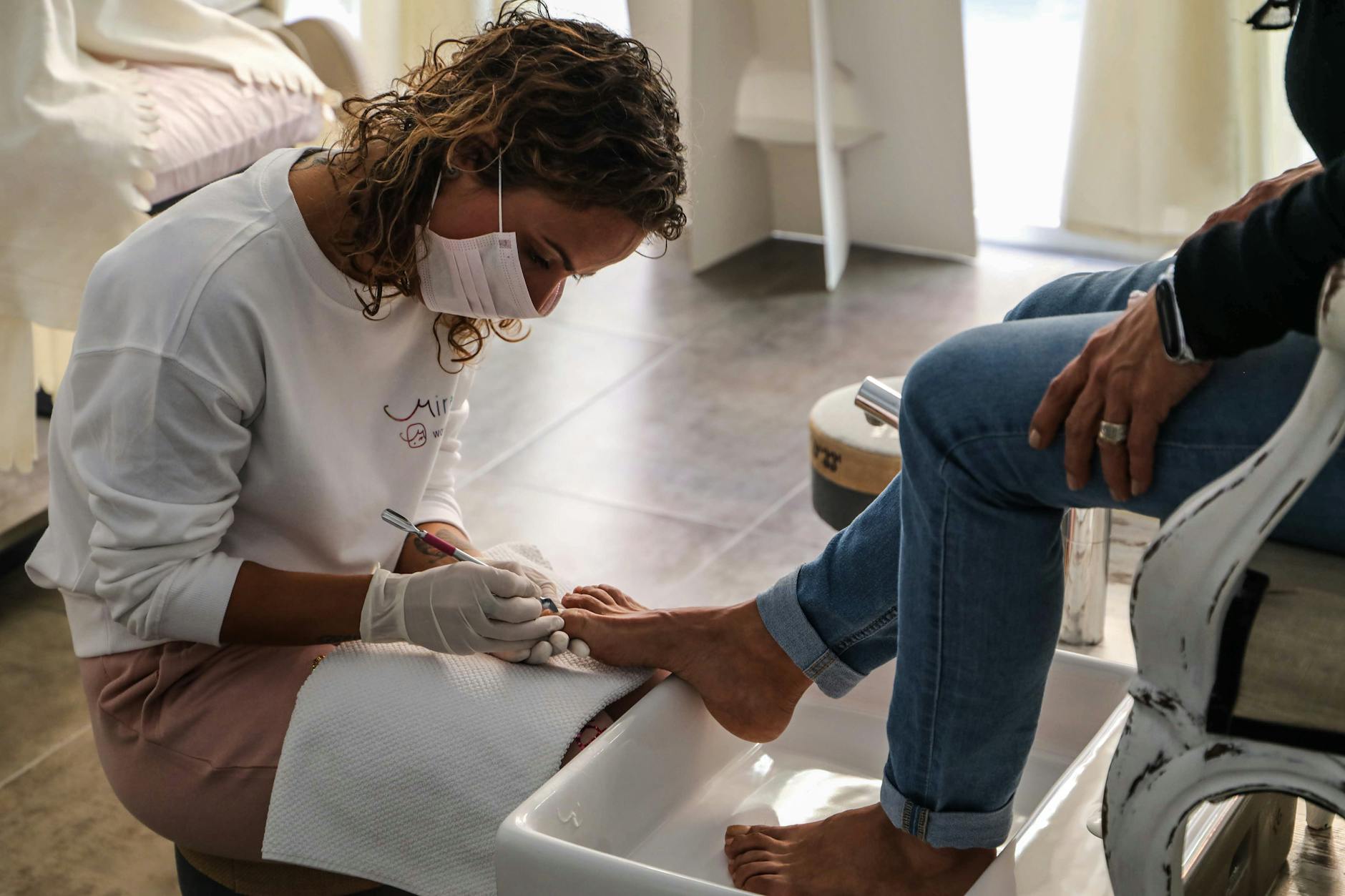
Professional treatment typically involves prescription antibiotics for infections, surgical nail removal for severe ingrown nails, or antifungal medications for stubborn fungal infections. Dermatologists use specialized tools and techniques unavailable at home, ensuring proper healing while minimizing scarring risks that concern many patients.
Building Your Toenail Care Routine
Consistent daily care prevents problems that lead to scarring and embarrassment. Start each morning by inspecting your toenails for changes in color, thickness, or texture while washing your feet with warm water and mild soap.
Wash feet thoroughly and dry between toes completely.
Cut nails straight across, never rounded, using clean clippers.
Apply foot cream avoiding between toes where moisture breeds bacteria.
Healthy toenails require daily inspection and weekly maintenance to prevent serious complications.
Frequently Asked Questions
How often should I trim my toenails?
You should trim your toenails every 2-3 weeks, or when they extend beyond your toe tips. This frequency helps maintain proper nail length while preventing overgrowth that can lead to problems. Clean your nail clippers with rubbing alcohol before use to prevent bacteria transfer.
What is the correct way to cut toenails?
Cut your toenails straight across in one clean motion from side to side, leaving the nail edge flat rather than curved. Keep nails long enough to protect your toe tip but short enough to stay clean underneath. Use a nail file to gently round only the very corners to prevent snagging on socks.
How can I prevent ingrown toenails?
Prevent ingrown toenails by cutting your nails straight across instead of rounding the entire edge. Wear properly fitted footwear that doesn't squeeze your toes. Avoid cutting nails too short or tearing them instead of making clean cuts, as these mistakes create entry points for bacteria and encourage nails to grow into surrounding skin.
What do healthy toenails look like?
Healthy toenails appear pink with white tips and grow straight forward. They should feel firm but flexible to the touch. The nail plate protects the nail bed underneath, while the cuticle seals out harmful microorganisms.
How can I prevent toenail fungus?
Prevent nail fungus by keeping your feet clean and dry, as fungus thrives in warm, moist environments like gym showers. Wear breathable socks and avoid walking barefoot in public areas. Nail fungus affects 20% of adults and results in 2.5 million cases yearly, making prevention crucial for foot health.
Disclaimer: This content is for informational purposes only and does not constitute medical advice. Always consult a qualified healthcare provider before making health decisions.