What Is Cystic Acne?

Cystic acne represents the most severe form of acne, far more intense and damaging than the typical breakouts most people experience. This condition creates deep, painful cysts and nodules beneath the skin's surface that can measure several centimeters across. Unlike regular pimples that form closer to the surface, these inflammatory lesions develop deep within hair follicles and can persist for weeks or months.
"Cystic acne affects not just your skin, but your confidence and quality of life in ways that common acne simply doesn't."
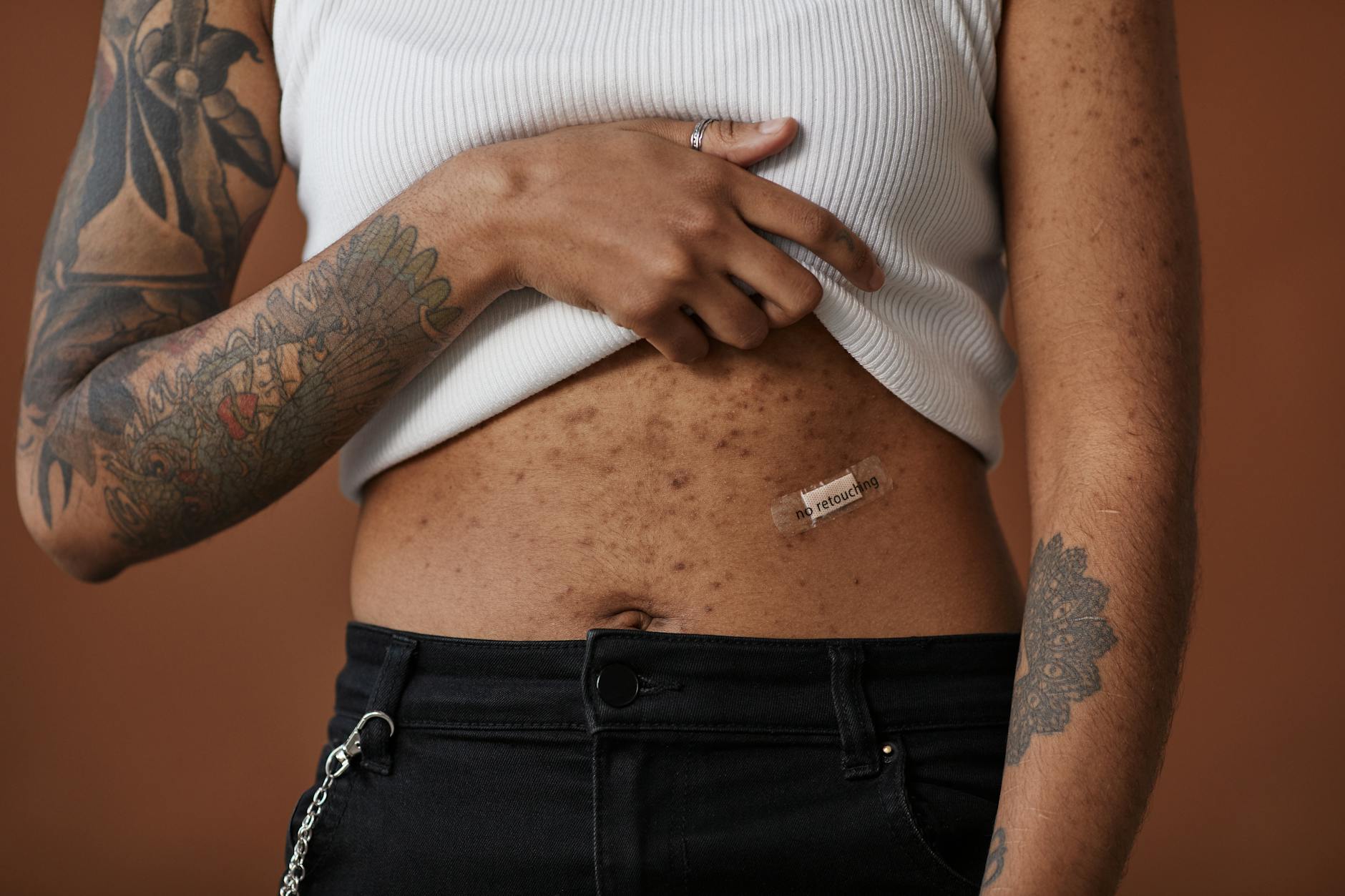
Medical professionals classify this condition under code L70.0 and may refer to it as nodulocystic acne or severe acne. While standard Acne Vulgaris typically presents as blackheads, whiteheads, and smaller inflamed bumps, cystic acne produces large, tender nodules filled with pus and inflammatory fluid. These lesions most commonly appear on the face, neck, chest, back, and shoulders.
Males experience cystic acne more frequently during their teenage years, though women can develop it later due to hormonal fluctuations. The condition carries significant risk for permanent scarring, making early recognition and proper treatment crucial. Understanding this distinction helps patients seek appropriate medical intervention rather than attempting to treat severe cystic lesions with over-the-counter products designed for milder acne forms.
Symptoms and Appearance

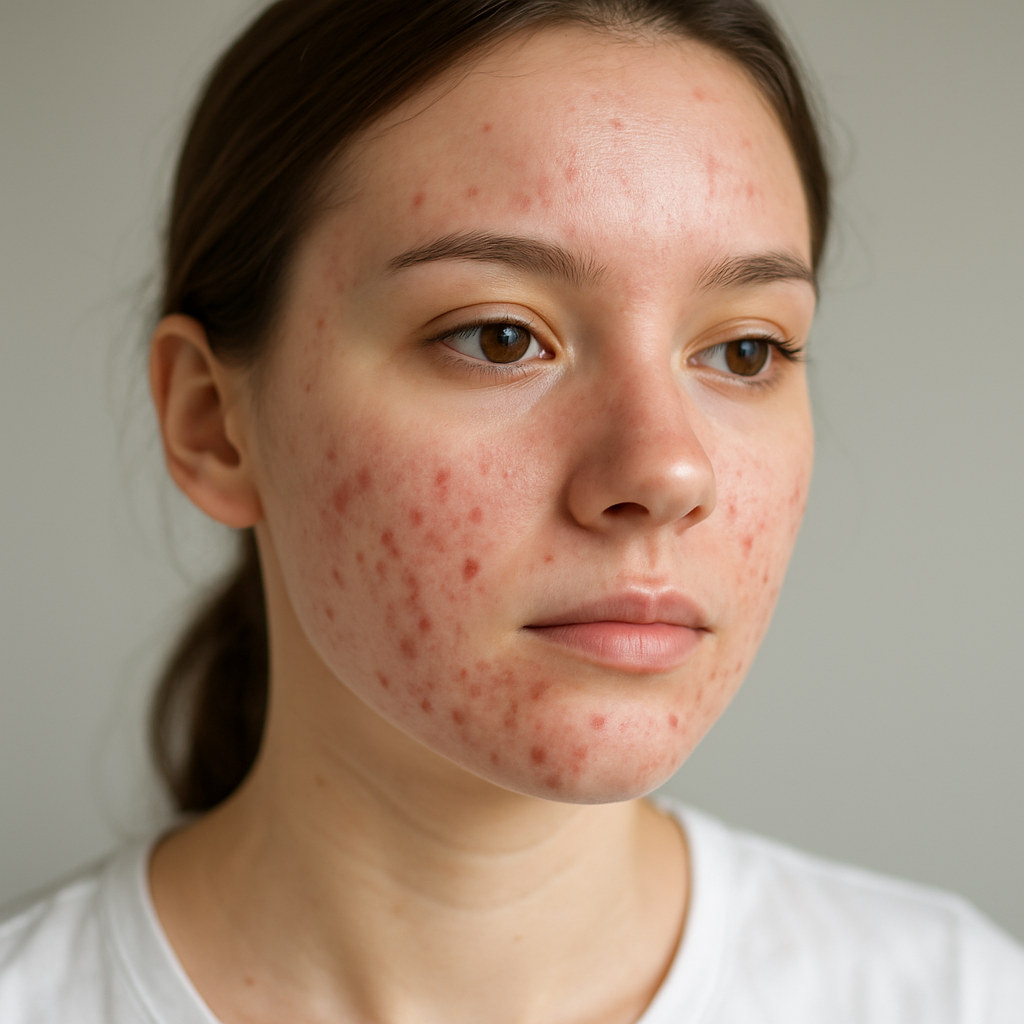
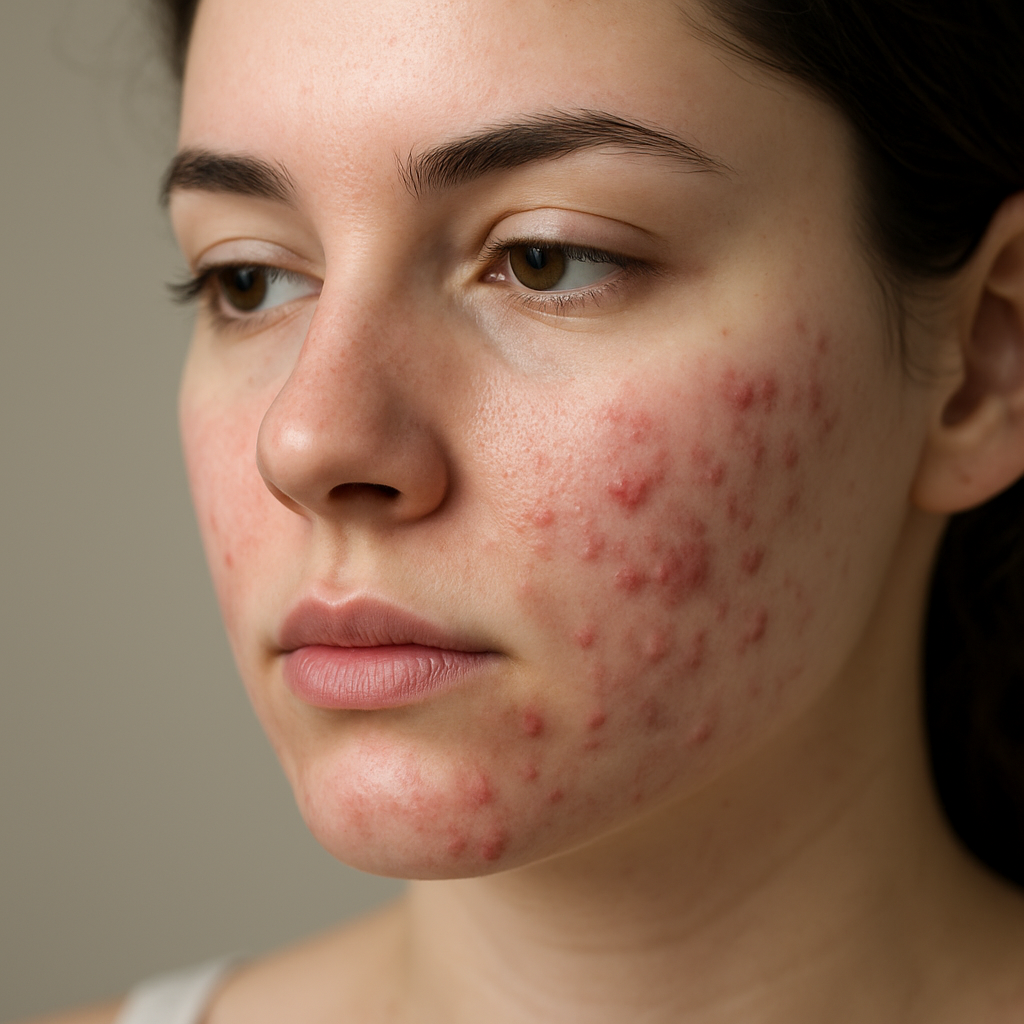
Cystic acne creates deep, painful lumps beneath the skin surface that feel tender to touch and can throb with discomfort. These cysts appear as large, red, inflamed bumps that lack the white or black heads seen in regular acne. The lesions often measure one centimeter or larger and feel firm or squishy when pressed.
“Cystic acne creates deep, painful lumps beneath the skin surface that feel tender to touch and can throb with discomfort.”
The most distinguishing feature involves pus-filled nodules that develop deep within hair follicles. Unlike surface-level pimples, these cysts cannot be squeezed or popped safely. The surrounding skin appears severely inflamed with intense redness and swelling that extends beyond the actual lesion. This inflammation often makes the affected area warm to touch.
Regular acne bumps remain closer to the skin surface and typically resolve within days or weeks. Cystic lesions persist for weeks or months, creating lasting damage to surrounding tissue. The deep inflammation destroys collagen and healthy skin cells, leading to permanent scarring concerns that many patients fear most.
Distinguishing cystic acne from other skin conditions requires careful observation. Atopic Dermatitis (also called eczema) causes intense itching with dry, scaly patches rather than deep cysts. Plaque Psoriasis produces thick, silvery-scaled patches that differ completely from cystic acne's pus-filled bumps.
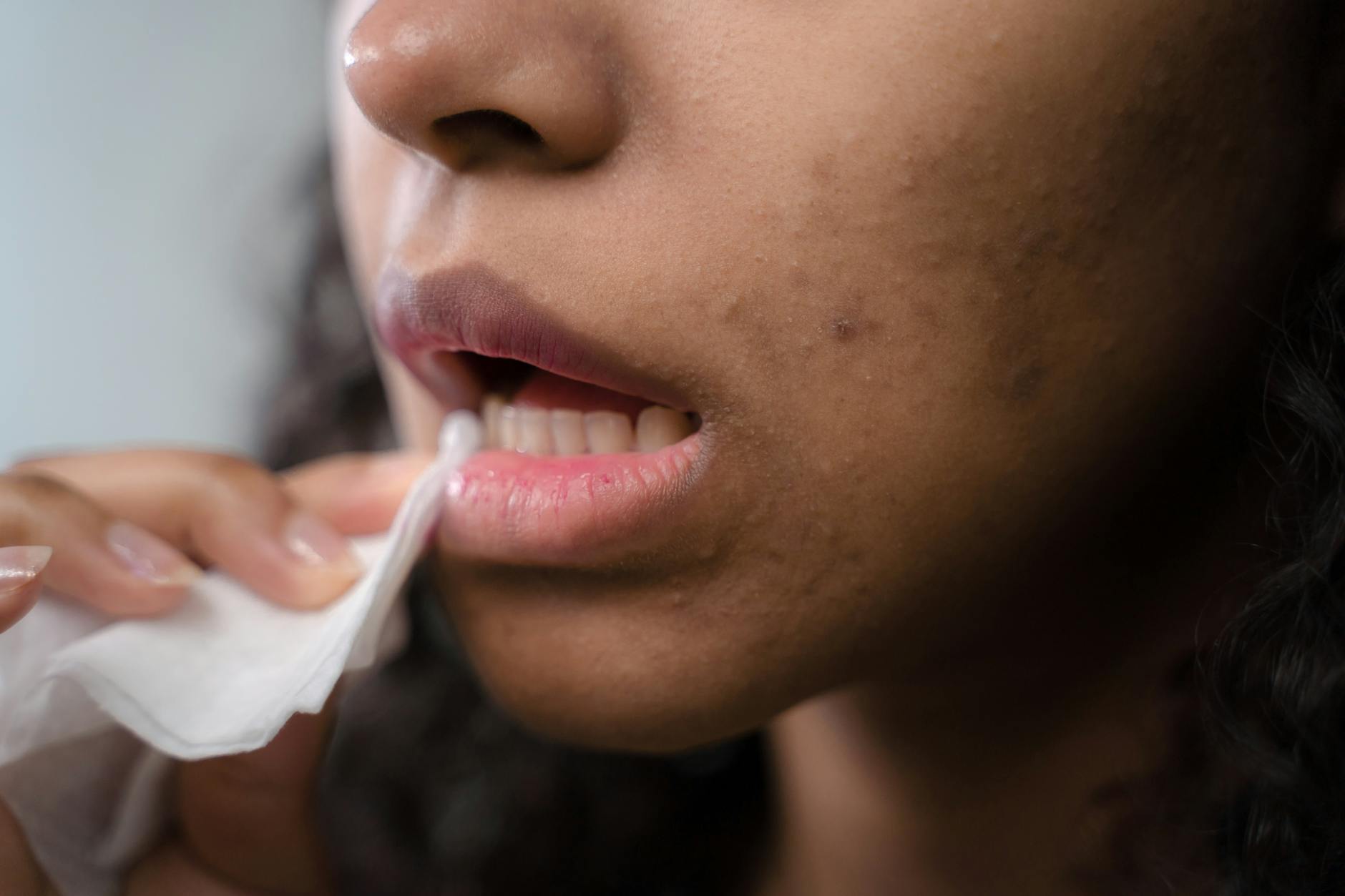
Scarring becomes permanent when cysts rupture internally, spreading infection and inflammation to surrounding tissue. Ice-pick scars, boxcar scars, and rolling scars commonly develop after severe cystic breakouts heal. The deeper and more inflamed the original cyst, the higher the likelihood of permanent scarring. Early treatment prevents this tissue damage and helps preserve smooth skin texture for the future.
Causes and Risk Factors
Cystic acne develops through a complex cascade of events that begins deep within your hair follicles. The primary culprit is hormonal fluctuations, particularly increased levels of androgens like testosterone. These hormones trigger your sebaceous glands to produce excessive amounts of sebum, the natural oil that normally protects your skin.
When sebum production goes into overdrive, it combines with a process called follicular hyperkeratinization. This occurs when dead skin cells stick together and accumulate inside your pores instead of naturally shedding. The combination of excess oil and trapped cells creates the perfect environment for Propionibacterium acnes bacteria to multiply rapidly, leading to the deep, painful inflammation characteristic of cystic lesions.
Hormonal Acne represents a specific type of cystic breakout that affects the jawline, chin, and lower face, particularly in women during menstrual cycles or hormonal transitions. This condition demonstrates how hormone-driven sebum production directly contributes to cyst formation and explains why breakouts often worsen before menstruation.
Several risk factors increase your likelihood of developing cystic acne. Genetics play a significant role—if your parents experienced severe acne, you're more susceptible. Hormonal changes during puberty, pregnancy, or menopause create prime conditions for cyst development. Chronic stress elevates cortisol levels, which can worsen inflammation. Certain medications, including corticosteroids and lithium, may trigger outbreaks. Understanding these factors helps explain why some people develop persistent, scarring lesions while others experience only mild breakouts, addressing concerns about long-term skin damage.
Treatment Options
The good news is that cystic acne responds well to treatment, though it requires patience and the right approach. While this severe form of acne can feel overwhelming and may cause concerns about permanent scarring, dermatologists have effective tools to clear your skin and prevent future breakouts.
Isotretinoin stands as the gold standard treatment for cystic acne. This powerful oral medication targets all four causes of acne simultaneously: excess oil production, clogged pores, bacteria, and inflammation. A typical course lasts 4-6 months, with most patients achieving long-term remission. While isotretinoin requires careful monitoring due to potential side effects, its success rate makes it the most effective option for severe cases.
Oral antibiotics like doxycycline or minocycline offer another systemic approach, reducing inflammation and bacterial overgrowth. These work best when combined with topical retinoids such as tretinoin or adapalene, which help unclog pores and accelerate cell turnover. This combination approach typically shows improvement within 6-8 weeks.
For immediate relief from painful, inflamed cysts, dermatologists can perform corticosteroid injections directly into the lesion. This treatment reduces swelling within 24-48 hours, preventing the cyst from worsening and reducing scarring risk. For example, a large, painful cyst on your jawline can shrink dramatically after a single injection.
Hormonal therapy benefits women whose cystic acne flares with menstrual cycles. Birth control pills containing estrogen and progestin, or spironolactone, can regulate hormone levels that trigger breakouts. Chemical peels using salicylic acid or glycolic acid help remove dead skin cells and reduce mild cystic lesions.
See a dermatologist immediately if you have painful, deep cysts larger than a pencil eraser, or if over-the-counter treatments fail after 6-8 weeks. Early intervention prevents scarring and stops the cycle of inflammation that makes cystic acne progressively worse.
Prevention and Management

Preventing cystic acne flare-ups requires a gentle, consistent approach that protects your skin barrier while addressing underlying causes. Understanding what triggers breakouts helps you avoid actions that worsen the condition and reduces your risk of permanent scarring.
Use a mild, non-comedogenic cleanser with lukewarm water to remove oil and bacteria without irritating inflamed skin.
Follow your dermatologist's instructions exactly, applying prescribed medications to clean, dry skin before moisturizing.
Choose oil-free, non-comedogenic moisturizers to maintain skin hydration and prevent over-drying from acne treatments.
Lifestyle factors significantly impact cystic acne severity. High-glycemic foods like white bread and sugary drinks can trigger hormonal fluctuations that worsen breakouts. Dairy products may also contribute to inflammation in some people. Stress increases cortisol production, which stimulates oil glands and promotes acne formation.
Never pick, squeeze, or pop cystic lesions, as this pushes bacteria deeper into the skin and guarantees scarring. Avoid harsh scrubbing, astringent toners, or multiple acne products simultaneously, which can cause severe irritation and worsen inflammation. Over-washing your face strips natural oils, triggering increased oil production.
Long-term management focuses on maintaining clear skin once treatment achieves results. Continue using prescribed medications as directed, even when skin appears clear. Regular dermatology check-ups help adjust treatments as your skin changes. Keep a skincare diary to identify personal triggers, whether certain foods, stress periods, or hormonal cycles affect your breakouts.
When to Seek Professional Help
Recognizing when cystic acne requires dermatological intervention can prevent permanent scarring and years of emotional distress. The fear of lasting marks on your face is valid—cystic acne creates deeper inflammation that damages skin tissue more severely than surface breakouts.
Seek professional treatment immediately if you experience large, painful cysts that persist for weeks, multiple deep nodules appearing simultaneously, or any signs of infection like increasing redness, warmth, or pus. Early intervention within the first few months of cystic acne development significantly reduces scarring risk and shortens treatment time.
Your first dermatologist visit will include a thorough skin examination and discussion of your medical history, current skincare routine, and treatment goals. The doctor may prescribe oral antibiotics, topical retinoids, or recommend procedures like cortisone injections for immediate cyst reduction. Some patients qualify for isotretinoin, a powerful oral medication that can permanently clear severe cystic acne.
The psychological impact of cystic acne extends beyond physical discomfort. Many patients experience anxiety, depression, or social withdrawal due to their skin condition. Your dermatologist understands this emotional burden and can connect you with support resources, including online communities and counseling services specifically for acne patients.
Don't wait for cystic acne to "run its course" naturally. Professional treatment accelerates healing, prevents new cysts from forming, and protects your skin from permanent damage that's difficult to reverse later.
Seek dermatological care within the first few months of cystic acne development to prevent permanent scarring and achieve faster, more effective treatment results.
Frequently Asked Questions
What is cystic acne?
Cystic acne represents the most severe form of acne, creating deep, painful cysts and nodules beneath the skin's surface that can measure several centimeters across. Unlike regular pimples that form closer to the surface, these inflammatory lesions develop deep within hair follicles and can persist for weeks or months. Medical professionals may refer to it as nodulocystic acne or severe acne, and it carries significant risk for permanent scarring.
How is cystic acne different from regular acne?
Cystic acne creates deep, painful lumps beneath the skin surface that feel tender to touch and can throb with discomfort, unlike surface-level pimples that resolve within days or weeks. These cysts appear as large, red, inflamed bumps without white or black heads, often measuring one centimeter or larger. Cystic lesions persist for weeks or months and create lasting damage to surrounding tissue, while regular acne bumps remain closer to the skin surface.
What are the symptoms of cystic acne?
Cystic acne symptoms include deep, painful lumps beneath the skin that feel tender and can throb with discomfort. The lesions appear as large, red, inflamed bumps that feel firm or squishy when pressed and often measure one centimeter or larger. The surrounding skin shows severe inflammation with intense redness and swelling that extends beyond the actual lesion, making the area warm to touch.
Does cystic acne cause permanent scarring?
Yes, cystic acne carries significant risk for permanent scarring due to the deep inflammation that destroys collagen and healthy skin cells. Scarring becomes permanent when cysts rupture internally, spreading infection and inflammation to surrounding tissue. Ice-pick scars, boxcar scars, and rolling scars commonly develop after severe cystic breakouts heal, with deeper and more inflamed cysts having higher likelihood of permanent scarring.
Who is more likely to get cystic acne?
Males experience cystic acne more frequently during their teenage years, with a 3:1 male to female ratio in teens. However, women can develop it later due to hormonal fluctuations. While 85% of teens are affected by acne, about 20% develop severe forms like cystic acne.
Disclaimer: This content is for informational purposes only and does not constitute medical advice. Always consult a qualified healthcare provider before making health decisions.