What Is Hormonal Acne?

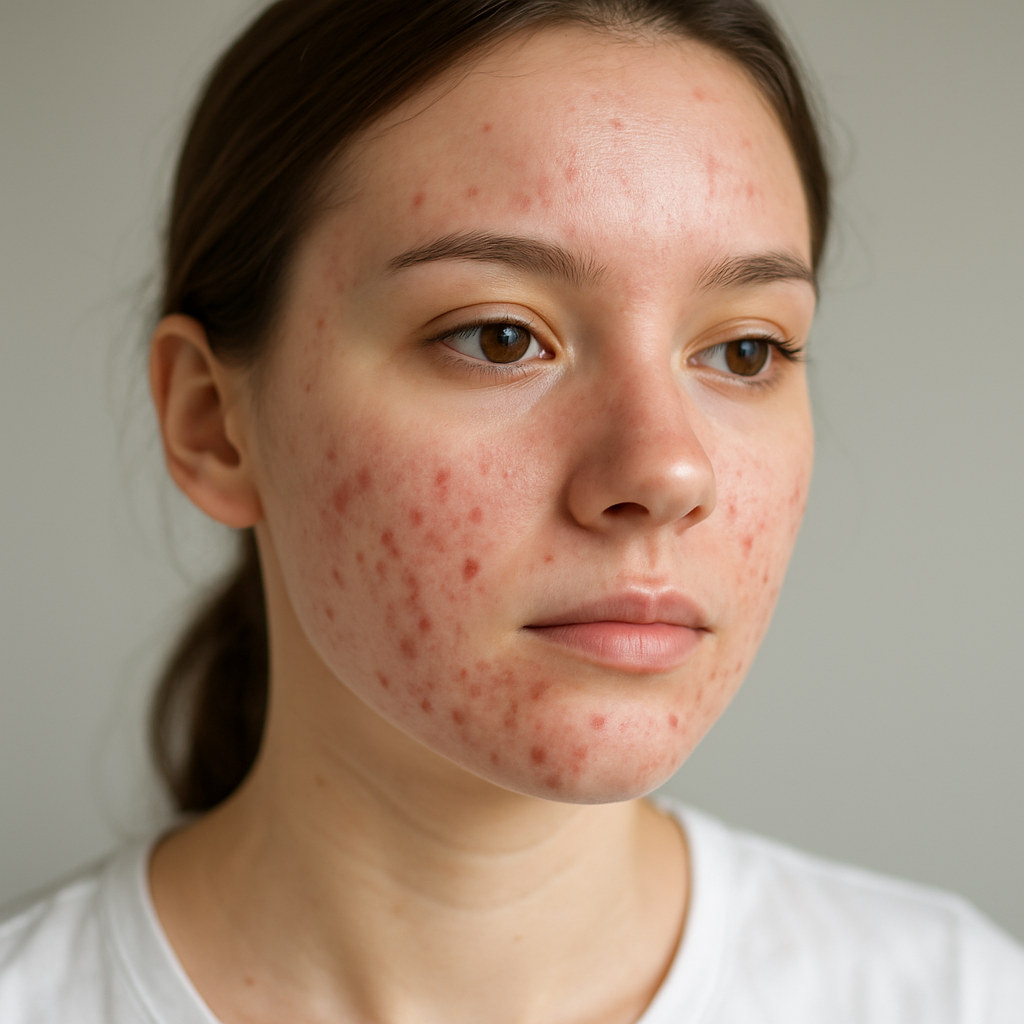
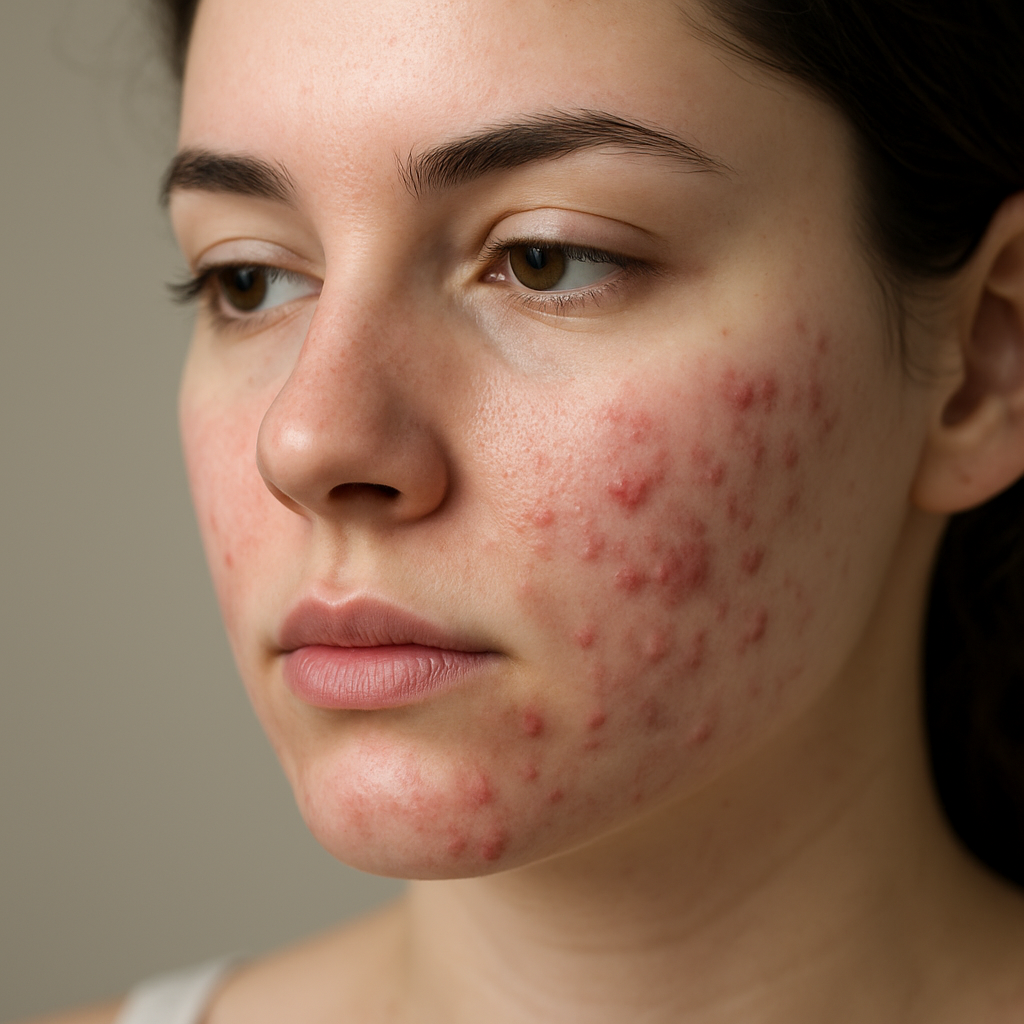
Hormonal acne represents a specific subtype of Acne Vulgaris triggered by fluctuating hormone levels, particularly androgens like testosterone. Unlike typical teenage breakouts that scatter across your entire face, hormonal acne targets specific areas: your jawline, chin, lower cheeks, and neck. These breakouts create deep, painful cystic lesions that feel tender to touch and often leave lasting marks if left untreated.
“Hormonal acne primarily affects adult women, appearing cyclically around menstrual periods and major life transitions.”
This condition differs significantly from regular acne because it responds poorly to traditional over-the-counter treatments. The deep, inflamed bumps develop when hormonal surges increase oil production in your sebaceous glands, creating perfect conditions for bacterial growth and inflammation. Understanding this distinction helps explain why your usual skincare routine may feel ineffective against these stubborn, recurring breakouts that seem to appear in predictable patterns month after month.
How to Recognize Hormonal Acne

Hormonal acne follows distinct patterns that help distinguish it from other breakout types. The most telling sign is location—hormonal acne typically appears along the jawline, chin, and lower cheeks, forming a "U-shaped" pattern around the lower face.
"Hormonal acne creates deep, painful bumps that feel like they're brewing under the skin for days before surfacing."
Timing provides another crucial clue. These breakouts often worsen 7-10 days before menstruation and may improve afterward. Unlike surface-level whiteheads, hormonal acne presents as deep, inflamed bumps that feel tender to touch. In severe cases, this can progress to Cystic Acne, characterized by painful nodules beneath the skin that carry higher scarring risk.
Track your breakouts for two menstrual cycles, noting location and timing. This pattern recognition helps confirm hormonal involvement and guides treatment decisions.
Who Gets Hormonal Acne
Hormonal acne doesn't discriminate by age, though women face the highest risk during specific life stages. The condition affects 25% of women aged 40-49 and 12% of women over 50, proving that acne isn't just a teenage problem.
Several factors increase your risk of developing hormonal acne. PCOS and menstrual irregularities create hormonal imbalances that trigger breakouts. Pregnancy, menopause, and chronic stress also disrupt hormone levels, while genetic predisposition and insulin resistance compound these effects. Understanding your risk factors helps you take preventive action and reduces worry about permanent scarring through early intervention.
What Causes Hormonal Acne
Hormonal acne develops through a cascade of biological events that can feel overwhelming, but understanding this process helps you target treatment effectively. Your body's hormonal fluctuations directly trigger increased sebum (oil) production in your skin's sebaceous glands, creating the perfect environment for breakouts.
Elevated androgen hormones cause your pores to become clogged with excess oil and dead skin cells. Bacteria naturally present on your skin multiply rapidly in these blocked follicles, leading to infection. Your immune system responds with inflammation, creating the painful, red lesions characteristic of hormonal acne that can lead to scarring if left untreated.
Treatment Options for Hormonal Acne

Effective hormonal acne treatment requires targeting both the hormonal imbalance and existing breakouts. Multiple approaches work together to prevent the permanent scarring many patients fear while delivering clearer skin.
Hormonal therapies form the foundation of treatment. Birth control pills containing estrogen and progestin help regulate hormone levels, particularly effective for women whose acne worsens with their menstrual cycle. Spironolactone blocks androgen receptors, reducing oil production that fuels breakouts.
Topical treatments complement hormonal therapy. Retinoids like tretinoin prevent clogged pores while benzoyl peroxide kills acne bacteria. For example, using tretinoin nightly with benzoyl peroxide in the morning creates a powerful combination.
See a dermatologist when over-the-counter products fail after 8-12 weeks, when acne causes emotional distress, or when you notice scarring beginning to form.
Managing Hormonal Acne Long-Term
Successfully managing hormonal acne requires consistent daily habits that support your skin's healing process. Small changes in your routine can prevent future breakouts and reduce the risk of scarring that many people fear.
Track your breakout patterns using a simple calendar or phone app. Note when acne appears in relation to your menstrual cycle, stress levels, diet changes, or new products. This information helps identify personal triggers and guides treatment adjustments.
Support hormone balance through regular sleep schedules, stress management techniques like meditation, and limiting dairy and high-glycemic foods. These modifications work alongside medical treatments to improve your skin's overall health.
Maintain a gentle skincare routine with fragrance-free cleansers and moisturizers. Avoid over-washing or harsh scrubbing, which can worsen inflammation. Consult your dermatologist if treatments stop working effectively after several months, as hormone levels naturally fluctuate throughout life.
Consistent tracking of breakout patterns combined with gentle daily care creates the foundation for long-term hormonal acne management.
Frequently Asked Questions
What is hormonal acne?
Hormonal acne is a specific subtype of Acne Vulgaris triggered by fluctuating hormone levels, particularly androgens like testosterone. Unlike typical teenage breakouts, hormonal acne targets specific areas including the jawline, chin, lower cheeks, and neck, creating deep, painful cystic lesions. This condition responds poorly to traditional over-the-counter treatments because hormonal surges increase oil production in sebaceous glands, creating perfect conditions for bacterial growth and inflammation.
How can I tell if I have hormonal acne?
Hormonal acne typically appears in a "U-shaped" pattern along the jawline, chin, and lower cheeks. These breakouts often worsen 7-10 days before menstruation and may improve afterward, presenting as deep, inflamed bumps that feel tender to touch rather than surface-level whiteheads. Tracking your breakouts for two menstrual cycles, noting location and timing, helps confirm hormonal involvement.
Who gets hormonal acne?
Hormonal acne affects 25% of women aged 40-49 and 12% of women over 50, proving it's not just a teenage problem. Women face the highest risk during specific life stages including pregnancy, menopause, and times of chronic stress. Several factors increase risk including PCOS, menstrual irregularities, genetic predisposition, and insulin resistance.
What causes hormonal acne?
Hormonal acne develops when hormonal fluctuations directly trigger increased sebum (oil) production in the skin's sebaceous glands. During hormonal spikes, sebum production can increase by up to 300%, creating the perfect environment for bacterial growth and inflammation. This cascade of biological events leads to the deep, painful breakouts characteristic of hormonal acne.
Disclaimer: This content is for informational purposes only and does not constitute medical advice. Always consult a qualified healthcare provider before making health decisions.