What Is Atopic Dermatitis?

Atopic dermatitis is a chronic inflammatory skin condition characterized by dry, itchy, and inflamed skin patches that often appears in childhood. This persistent condition causes the skin's protective barrier to malfunction, leading to increased sensitivity and vulnerability to irritants and allergens.
You may also hear this condition called eczema or atopic eczema. While these terms are often used interchangeably, atopic dermatitis specifically refers to the most common form of eczema that runs in families alongside allergies and asthma.
The condition affects 15-20% of children and 1-3% of adults worldwide, with higher rates in developed countries. Most cases begin during infancy or early childhood, though symptoms can persist into adulthood or occasionally develop later in life.
"Atopic dermatitis typically starts early but can be effectively managed with proper treatment and skin care."
While the visible symptoms can cause concern about scarring or social embarrassment, proper treatment helps most people achieve clearer skin and prevent severe complications.
Types and Causes

Atopic dermatitis develops through a complex interplay of genetic, immunological, and environmental factors. Understanding these root causes helps explain why this chronic inflammatory skin condition affects some people while sparing others.
“Genetic predisposition with skin barrier dysfunction, immune system overactivity, and environmental triggers combine to create the perfect storm for atopic dermatitis.”
Your genes play the starring role in atopic dermatitis development. People with mutations in the filaggrin gene cannot produce adequate proteins to maintain healthy skin barrier function. This genetic weakness allows moisture to escape while letting irritants and allergens penetrate deeper into skin layers, triggering inflammation.
Your immune system becomes hyperactive in atopic dermatitis, overreacting to normally harmless substances. This overactivity creates the intense itching and inflammation that characterize the condition. Environmental triggers like dust mites, pet dander, harsh soaps, stress, and weather changes can activate these immune responses.
Family history significantly increases your risk. If one parent has atopic dermatitis, asthma, or allergies, children have a 25% chance of developing the condition. When both parents are affected, this risk jumps to 60-80%.
Symptoms and Affected Areas
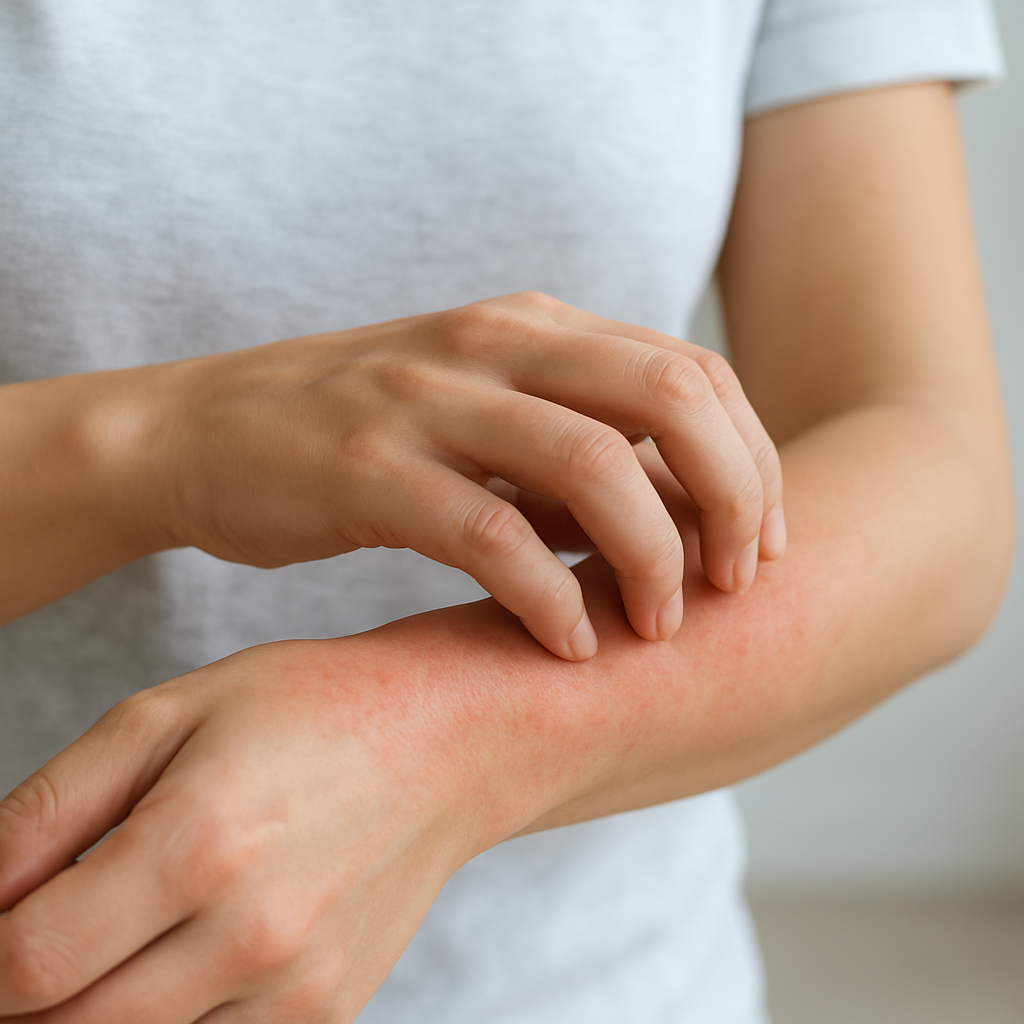
Atopic Dermatitis creates distinct symptoms that patients can easily recognize. The most prominent symptom is intense itching that often worsens at night, disrupting sleep and daily activities. This persistent scratching leads to a cycle where damaged skin becomes more inflamed and itchy.
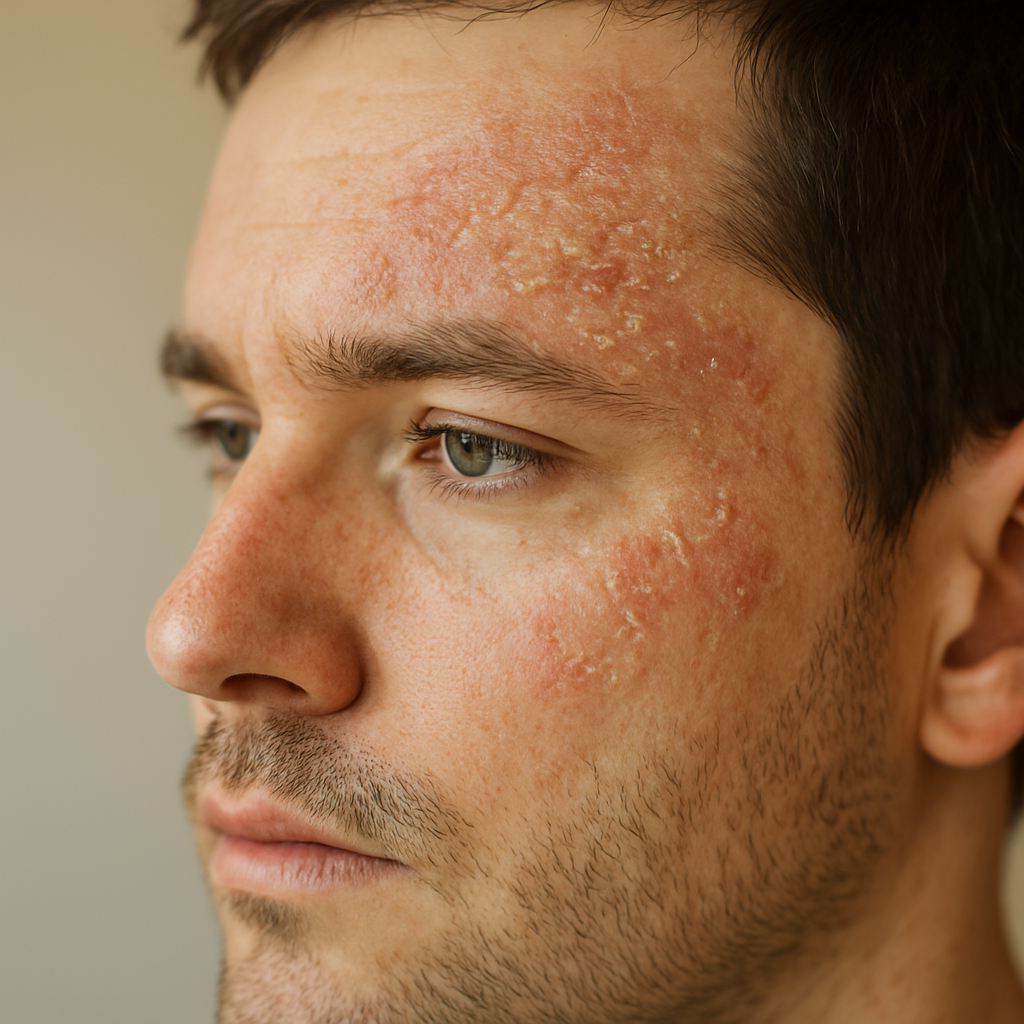
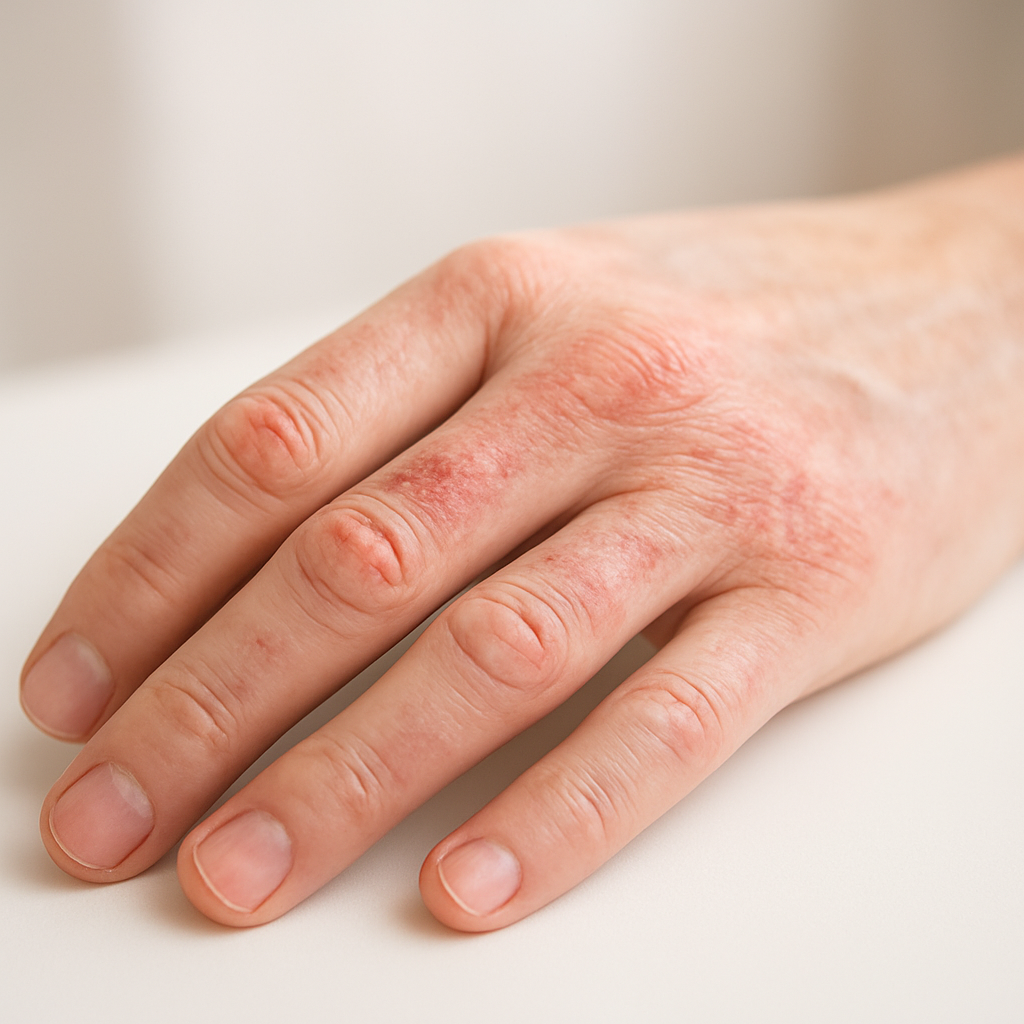
The skin itself develops characteristic changes. You'll notice dry, scaly patches that feel rough to the touch. These areas become red and inflamed, creating visible irritation that many patients worry about socially. Over time, repeated scratching causes skin thickening, creating leathery patches called lichenification.
In severe cases, lesions may ooze clear fluid or develop crusting, particularly when scratched or infected. While this can look alarming, these symptoms typically resolve without permanent scarring when properly managed.
Atopic Dermatitis follows predictable patterns on the body. Common locations include the face and neck, inner elbows, behind the knees, hands, feet, wrists, and ankles. These areas tend to be where skin folds or where clothing creates friction.
Symptoms progress through cycles of flares and remission. During active periods, inflammation peaks with intense itching and visible redness. Between flares, skin may appear normal or slightly dry, giving hope for long-term management success.
How Atopic Dermatitis Differs from Other Skin Conditions
Distinguishing Atopic Dermatitis from other common skin conditions can prevent misdiagnosis and inappropriate treatment. Understanding these differences helps you communicate more effectively with your dermatologist and reduces anxiety about your skin's appearance.
Atopic Dermatitis presents as a chronic condition with periods of flare-ups and remission, unlike acute conditions that appear suddenly and resolve quickly. The intense itching often comes first, followed by scratching that creates the visible rash - a pattern rarely seen in other skin disorders.
Acne Vulgaris affects sebaceous gland-rich areas like the face, chest, and back, creating blackheads, whiteheads, and pustules. Unlike Atopic Dermatitis, acne results from excess oil production and bacterial infection rather than immune system dysfunction and skin barrier problems.
Plaque Psoriasis creates thick, raised patches covered with silvery-white scales, typically on elbows, knees, and scalp. These well-defined plaques differ dramatically from the ill-defined, red, weeping patches of Atopic Dermatitis. Psoriasis results from accelerated skin cell production, while Atopic Dermatitis stems from barrier dysfunction and allergic responses.
The good news is that proper identification leads to targeted treatment, significantly reducing the risk of permanent scarring that concerns many patients. Each condition responds to different therapies, making accurate diagnosis crucial for achieving clear skin.
Treatment and Management Options

Effective treatment for atopic dermatitis focuses on reducing inflammation, restoring skin barrier function, and preventing flare-ups. The good news is that proper management can significantly improve your skin's appearance and reduce the risk of permanent scarring that many patients worry about.
Topical corticosteroids remain the first-line treatment for active inflammation. These medications come in different strengths, from mild hydrocortisone for facial use to stronger formulations like triamcinolone for body areas. Your dermatologist will prescribe the appropriate strength based on your age, affected areas, and severity. Daily moisturizers are equally important - ceramide-rich formulas like CeraVe or Eucerin help repair your skin barrier and should be applied immediately after bathing.
When corticosteroids aren't suitable for long-term use, calcineurin inhibitors like tacrolimus and pimecrolimus offer steroid-free alternatives. These work particularly well for facial eczema and sensitive areas. Oral antihistamines such as cetirizine or loratadine help control nighttime itching, allowing better sleep and healing.
For severe cases, advanced options include phototherapy using UV light treatments and systemic immunosuppressants like methotrexate or cyclosporine. These require careful monitoring but can provide significant relief when other treatments fail.
Prevention and Risk Factors
Understanding your risk factors for Atopic Dermatitis helps you take preventive action and avoid unnecessary worry about permanent scarring. Family history stands as the strongest predictor—if your parents or siblings have allergies, asthma, or eczema, your risk increases significantly. Genetic mutations affecting skin barrier function also play a crucial role in developing this chronic inflammatory condition.
Environmental triggers like dust mites, pet dander, pollen, and harsh soaps can spark flare-ups. Managing stress through regular exercise and adequate sleep reduces inflammation that worsens symptoms. Choose fragrance-free products and maintain consistent skin hydration to strengthen your protective barrier.
Simple prevention strategies include using lukewarm water for bathing, applying moisturizer immediately after showering, and wearing soft cotton clothing. Identifying and avoiding your specific triggers prevents flare-ups that could lead to scarring from scratching.
While you cannot change genetic risk factors, consistent skincare routines and trigger avoidance effectively prevent most Atopic Dermatitis flare-ups.
Frequently Asked Questions
What is atopic dermatitis?
Atopic dermatitis is a chronic inflammatory skin condition characterized by dry, itchy, and inflamed skin patches that often appears in childhood. This persistent condition causes the skin's protective barrier to malfunction, leading to increased sensitivity and vulnerability to irritants and allergens. It's also commonly called eczema or atopic eczema, and it's the most common form of eczema that runs in families alongside allergies and asthma.
How common is atopic dermatitis?
Atopic dermatitis affects 15-20% of children and 1-3% of adults worldwide, with higher rates in developed countries. Most cases begin during infancy or early childhood, though symptoms can persist into adulthood or occasionally develop later in life. About 80% of cases begin in childhood.
What causes atopic dermatitis?
Atopic dermatitis develops through a complex interplay of genetic, immunological, and environmental factors. People with mutations in the filaggrin gene cannot produce adequate proteins to maintain healthy skin barrier function, allowing moisture to escape while letting irritants and allergens penetrate deeper into skin layers. Your immune system becomes hyperactive, overreacting to normally harmless substances, and environmental triggers like dust mites, pet dander, harsh soaps, stress, and weather changes can activate these immune responses.
Is atopic dermatitis hereditary?
Yes, atopic dermatitis has a strong genetic component, with about 70% being attributed to genetics. If one parent has atopic dermatitis, asthma, or allergies, children have a 25% chance of developing the condition. When both parents are affected, this risk jumps to 60-80%, and having a family history increases your risk by 3 times.
What are the main symptoms of atopic dermatitis?
The most prominent symptom is intense itching that often worsens at night, disrupting sleep and daily activities. The skin develops dry, scaly patches that feel rough to the touch and become red and inflamed. This persistent scratching leads to a cycle where damaged skin becomes more inflamed and itchy.
Disclaimer: This content is for informational purposes only and does not constitute medical advice. Always consult a qualified healthcare provider before making health decisions.