Quick Verdict: Key Differences at a Glance

Understanding the difference between atopic dermatitis and contact dermatitis can save you from weeks of ineffective treatment and unnecessary worry about permanent skin damage.
“Atopic dermatitis is your body's chronic overreaction to everyday life, while contact dermatitis is your skin's acute protest against specific irritants.”
Atopic dermatitis stems from genetics and appears as a lifelong condition that flares unpredictably. Your immune system creates inflammation even when no obvious trigger exists. Contact dermatitis develops suddenly after your skin touches specific substances like poison ivy, harsh soaps, or certain metals.
The treatment paths differ completely. Atopic dermatitis requires long-term management with moisturizers, prescription medications, and lifestyle changes. Contact dermatitis typically resolves within days to weeks once you identify and avoid the triggering substance. Most importantly, both conditions rarely cause permanent scarring when treated properly.
What Is Atopic Dermatitis vs Contact Dermatitis?
Atopic dermatitis is a chronic inflammatory skin condition that affects 15-20% of children worldwide. This condition, also known as eczema, creates persistent dry, itchy patches that often appear on the face, inner elbows, and behind knees. The root cause stems from genetic predisposition combined with skin barrier dysfunction and an overactive immune system.
"Understanding the difference between these conditions is crucial for getting the right treatment and preventing long-term skin damage."
Contact dermatitis operates completely differently. This condition occurs when your skin reacts to external irritants like harsh soaps, metals, or allergens such as poison ivy. The reaction appears only where contact occurred and typically resolves once you remove the trigger.
The fundamental difference lies in causation: atopic dermatitis comes from within your body's immune system, while contact dermatitis results from external triggers. Recognizing this distinction helps prevent the scarring and social concerns that worry many patients, as proper identification leads to more effective treatment approaches.
Symptoms and Appearance Comparison

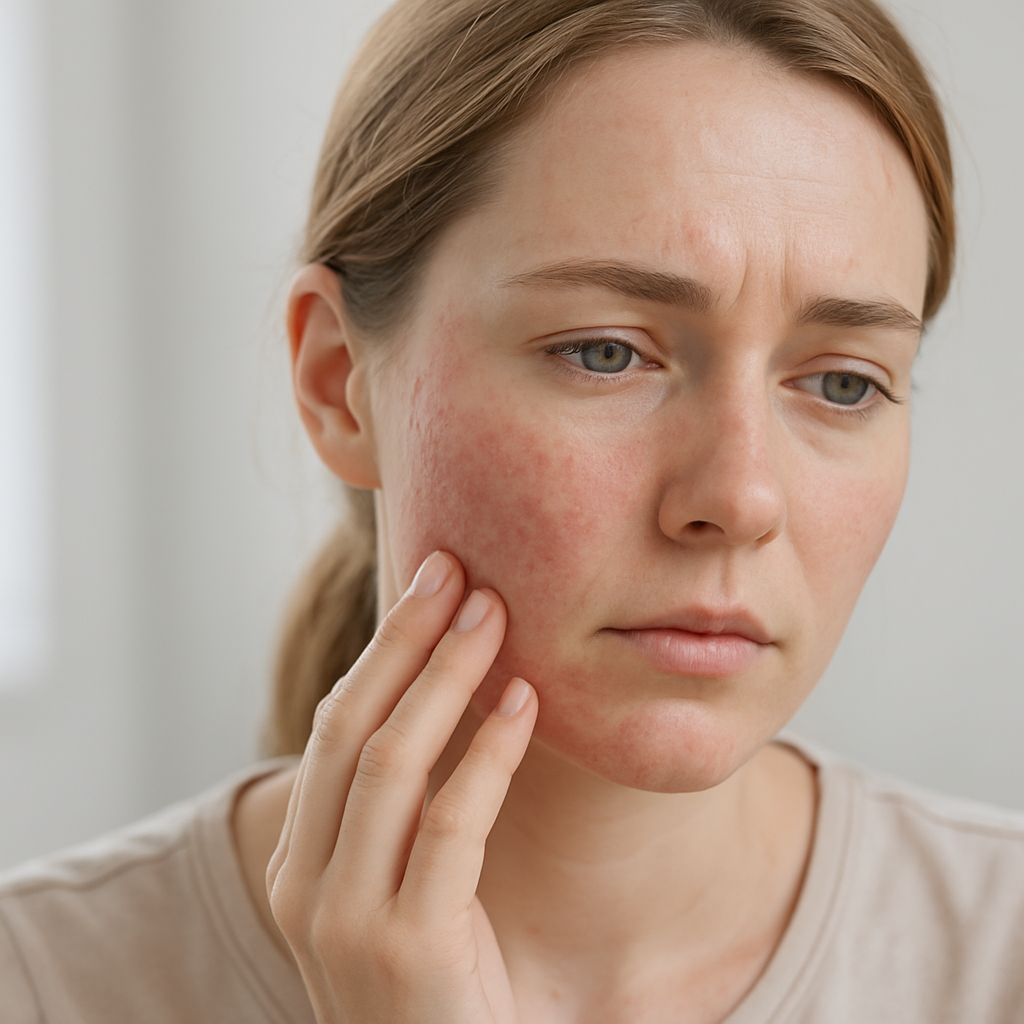
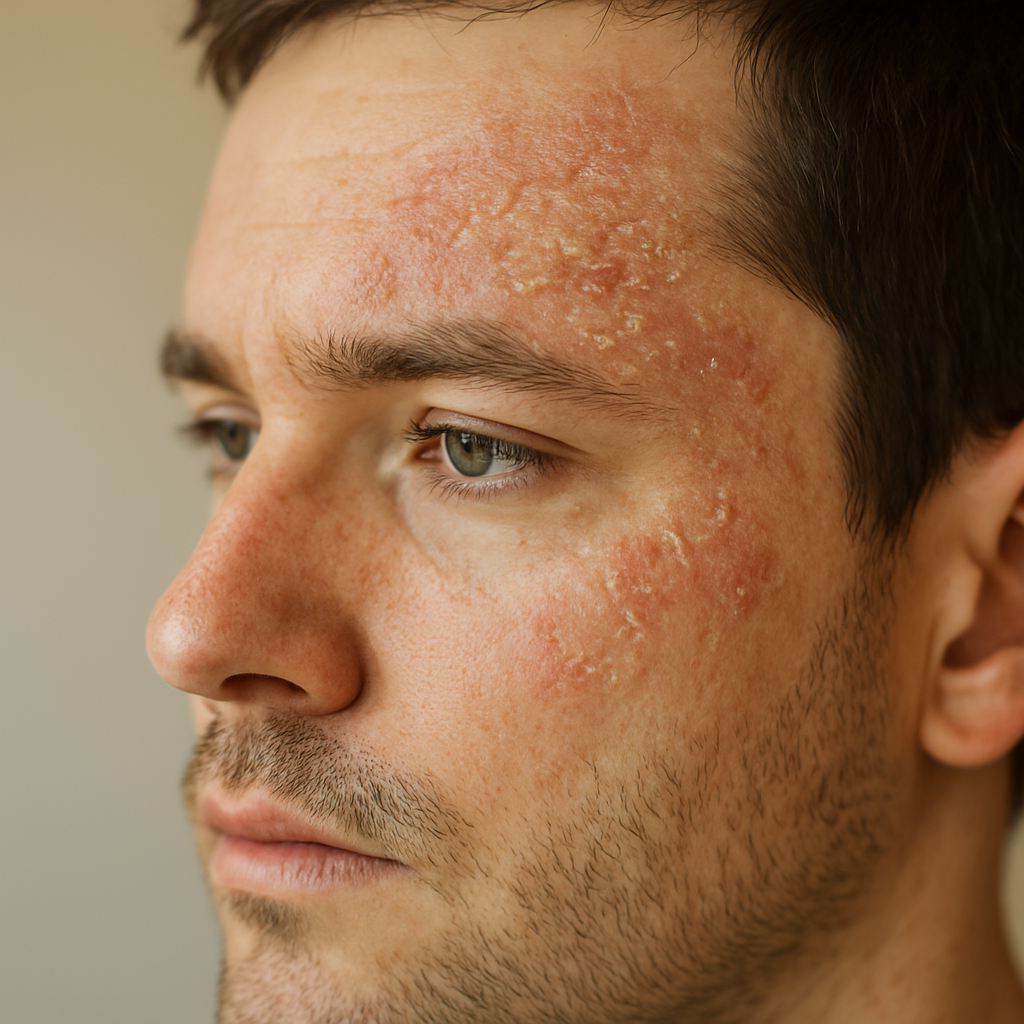
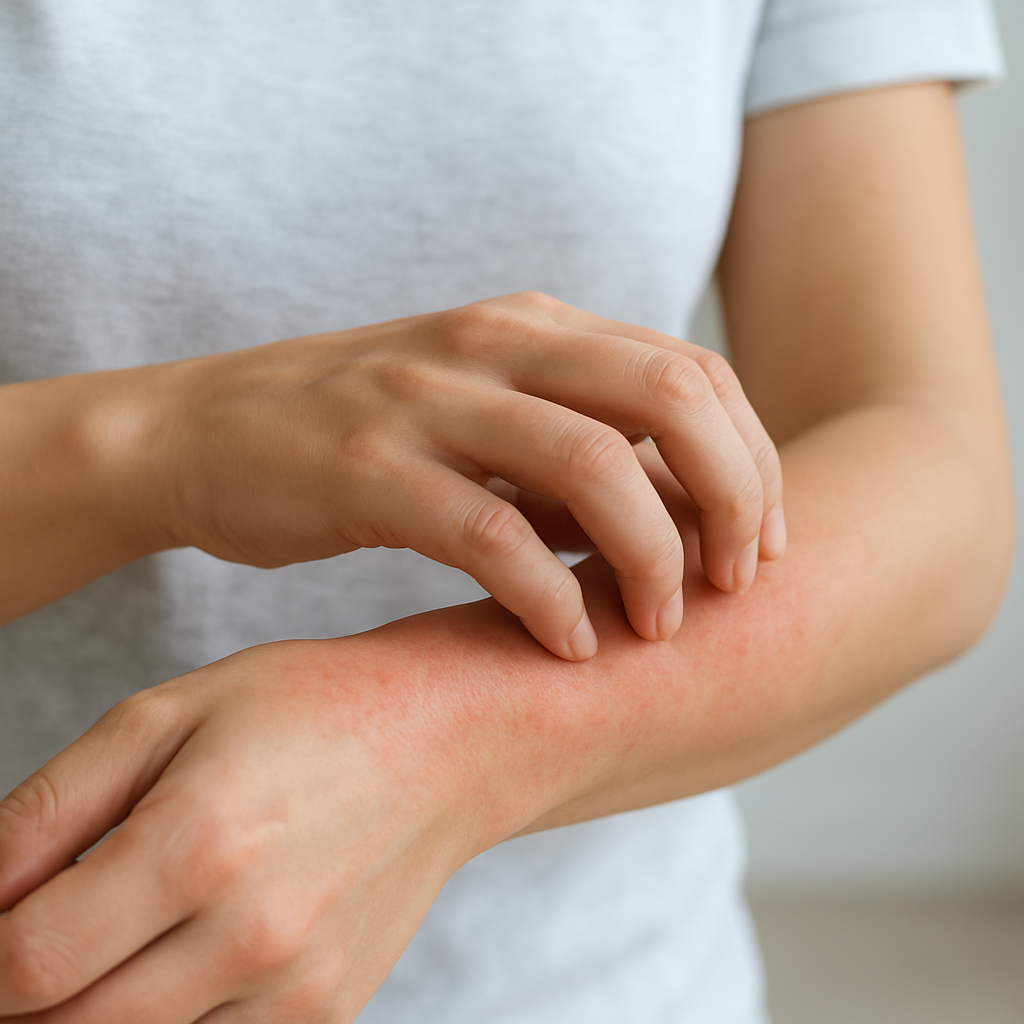
Recognizing the visual differences between atopic dermatitis and contact dermatitis helps you identify which condition affects your skin. Atopic dermatitis creates intense itching that often disrupts sleep, accompanied by dry, scaly patches that appear red and inflamed. The skin frequently thickens over time due to repeated scratching, and you may notice oozing or crusting lesions during flare-ups.
Contact dermatitis presents differently with localized rashes that appear exactly where your skin touched an irritant or allergen. You'll experience burning sensations rather than the deep itch of atopic dermatitis, and fluid-filled blisters commonly develop. The reaction typically appears within 24-48 hours of contact exposure.
Location patterns offer crucial clues. Atopic dermatitis favors your face, neck, inner elbows, and behind knees, while contact dermatitis appears wherever contact occurred—hands from cleaning products or ankles from poison ivy. Understanding these patterns prevents the social embarrassment and permanent scarring concerns that worry many patients, as proper identification leads to appropriate treatment that controls symptoms effectively.
Causes and Risk Factors
Understanding what triggers these two skin conditions helps you identify which one affects you and avoid future flare-ups. The root causes differ significantly between atopic dermatitis and contact dermatitis.
Atopic Dermatitis stems from internal factors you inherit. Your genes create a faulty skin barrier that lets moisture escape and irritants enter. This chronic inflammatory skin condition often runs in families with allergies, asthma, or hay fever. The immune system overreacts to normal triggers, causing persistent inflammation that can lead to concerning skin changes if left untreated.
Contact dermatitis comes from external exposures. Your skin reacts to specific substances like poison ivy, nickel jewelry, fragrances, or cleaning chemicals. Anyone can develop contact dermatitis when exposed to strong irritants or allergens, regardless of family history.
Age patterns also differ. Atopic dermatitis typically starts in infancy or early childhood, while contact dermatitis can begin at any age when you first encounter a trigger substance. Adults more commonly develop contact dermatitis from workplace exposures or new skincare products.
Treatment Approaches: Side-by-Side Comparison
Treatment strategies for these two conditions differ significantly because of their underlying causes. Atopic Dermatitis requires long-term management focused on controlling chronic inflammation and strengthening the skin barrier. Contact dermatitis needs immediate intervention to stop exposure and calm acute reactions.
For Atopic Dermatitis, doctors typically prescribe topical corticosteroids to reduce inflammation during flare-ups. Daily moisturizers become essential to repair the damaged skin barrier, while calcineurin inhibitors like tacrolimus offer steroid-free options for sensitive areas like the face. Treatment often involves multiple medications used together over months or years.
Contact dermatitis treatment centers on complete avoidance of the triggering substance. Short-term topical steroids quickly reduce inflammation, while oral antihistamines help control itching. Most cases resolve within days to weeks once exposure stops.
Prevention strategies differ too. Atopic dermatitis patients need consistent skincare routines and stress management. Contact dermatitis prevention focuses on identifying and avoiding specific triggers through patch testing when necessary. Proper treatment prevents permanent scarring and allows most people to achieve clear skin.
When to See a Dermatologist

Both atopic and contact dermatitis require professional evaluation when symptoms persist beyond two weeks or worsen despite home treatment. Schedule an appointment if you experience severe itching that disrupts sleep, widespread rashes covering large body areas, or signs of infection like pus, increased warmth, or red streaking.
Proper diagnosis prevents unnecessary worry about permanent scarring and ensures you receive targeted treatment rather than guessing between conditions. A dermatologist can distinguish between atopic dermatitis's chronic inflammation and contact dermatitis's allergic reactions through patch testing and medical history review.
During your evaluation, expect questions about symptom timing, potential triggers, family history, and current skincare products. For example, if your hand rash appeared after using new dish soap, this timing helps confirm contact dermatitis. The dermatologist may perform patch tests or recommend specific blood work to identify allergens or rule out other skin conditions.
Living with Your Condition: Management Tips
Managing skin conditions requires consistent daily habits tailored to your specific condition. For Atopic Dermatitis, gentle skincare routines form the foundation of control. Use fragrance-free moisturizers twice daily and lukewarm water for bathing to prevent skin barrier damage.
Apply moisturizer to damp skin within three minutes of bathing.
Use prescribed treatments before moisturizing at bedtime.
Contact dermatitis management focuses on identifying and avoiding triggers. Keep a skin diary noting flare-ups and potential causes like new soaps, jewelry, or plants. Wear gloves when cleaning and choose hypoallergenic products.
Both conditions benefit from stress management and proper sleep hygiene. While scarring is rare with proper treatment, consistent care prevents complications and maintains healthy skin appearance.
Consistent daily skincare routines and trigger avoidance are more effective than sporadic intensive treatments.
Frequently Asked Questions
What is the difference between atopic dermatitis and contact dermatitis?
Atopic dermatitis is a chronic inflammatory skin condition that stems from genetics and appears as a lifelong condition with unpredictable flares. Contact dermatitis develops suddenly after your skin touches specific substances like poison ivy, harsh soaps, or certain metals. The fundamental difference lies in causation: atopic dermatitis comes from within your body's immune system, while contact dermatitis results from external triggers.
How can I tell if I have atopic dermatitis or contact dermatitis by the symptoms?
Atopic dermatitis creates intense itching that often disrupts sleep, accompanied by dry, scaly patches that appear red and inflamed. Contact dermatitis presents with localized rashes that appear exactly where your skin touched an irritant, with burning sensations rather than deep itch. Contact dermatitis commonly develops fluid-filled blisters, while atopic dermatitis may show oozing or crusting lesions during flare-ups.
Do atopic dermatitis and contact dermatitis require different treatments?
Yes, the treatment paths differ completely between these conditions. Atopic dermatitis requires long-term management with moisturizers, prescription medications, and lifestyle changes since it's a chronic condition. Contact dermatitis typically resolves within days to weeks once you identify and avoid the triggering substance.
Will atopic dermatitis or contact dermatitis cause permanent scarring?
Most importantly, both conditions rarely cause permanent scarring when treated properly. Proper identification and treatment of either condition helps prevent long-term skin damage and the social concerns that worry many patients. Early recognition and appropriate treatment approaches are key to preventing scarring.
How common is atopic dermatitis compared to contact dermatitis?
Atopic dermatitis affects 15-20% of children worldwide, making it quite common in pediatric populations. In adults, the condition affects only 1-3% of the population. The condition is also known as eczema and often appears on the face, inner elbows, and behind knees.
Disclaimer: This content is for informational purposes only and does not constitute medical advice. Always consult a qualified healthcare provider before making health decisions.