What is Contact Dermatitis?

Contact dermatitis is an inflammatory skin reaction that occurs when your skin comes into direct contact with irritants or allergens. This condition causes localized redness, swelling, and itching that can range from mild to severe. The good news is that contact dermatitis rarely causes permanent scarring when properly managed, addressing one of the most common concerns people have when dealing with inflamed skin.
“Contact dermatitis is your skin's way of telling you something it touched didn't agree with it.”
There are two main types of contact dermatitis. Allergic contact dermatitis happens when your immune system overreacts to a substance like nickel, fragrances, or poison ivy. Irritant contact dermatitis occurs when harsh chemicals or frequent exposure to water breaks down your skin's protective barrier. Both types can affect anyone at any age, making this an extremely common condition.
The medical code for contact dermatitis is L25.9, which helps healthcare providers track and treat this widespread skin issue. For example, someone might develop contact dermatitis from wearing a new watch with a nickel clasp or using a harsh cleaning product without gloves.
Understanding which type you have helps determine the best treatment approach and prevents future flare-ups.
Symptoms and Appearance

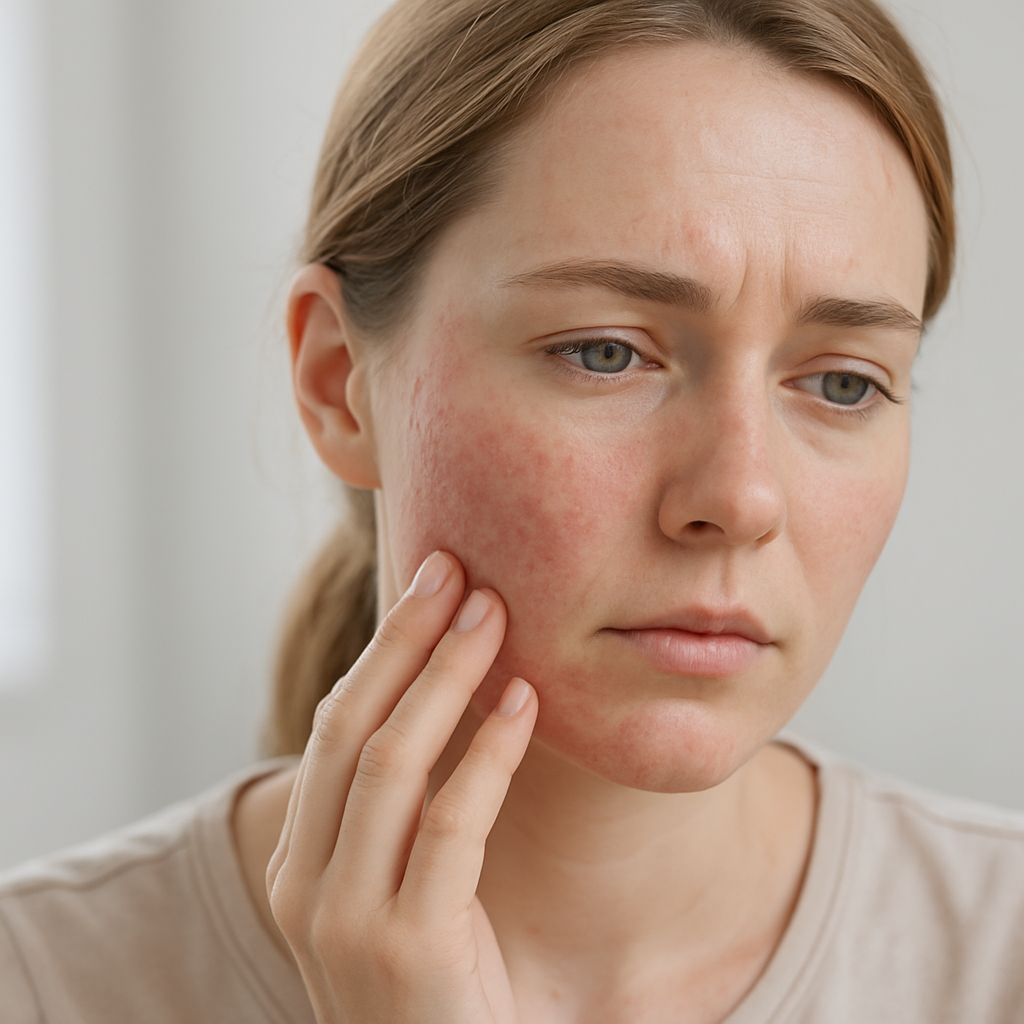
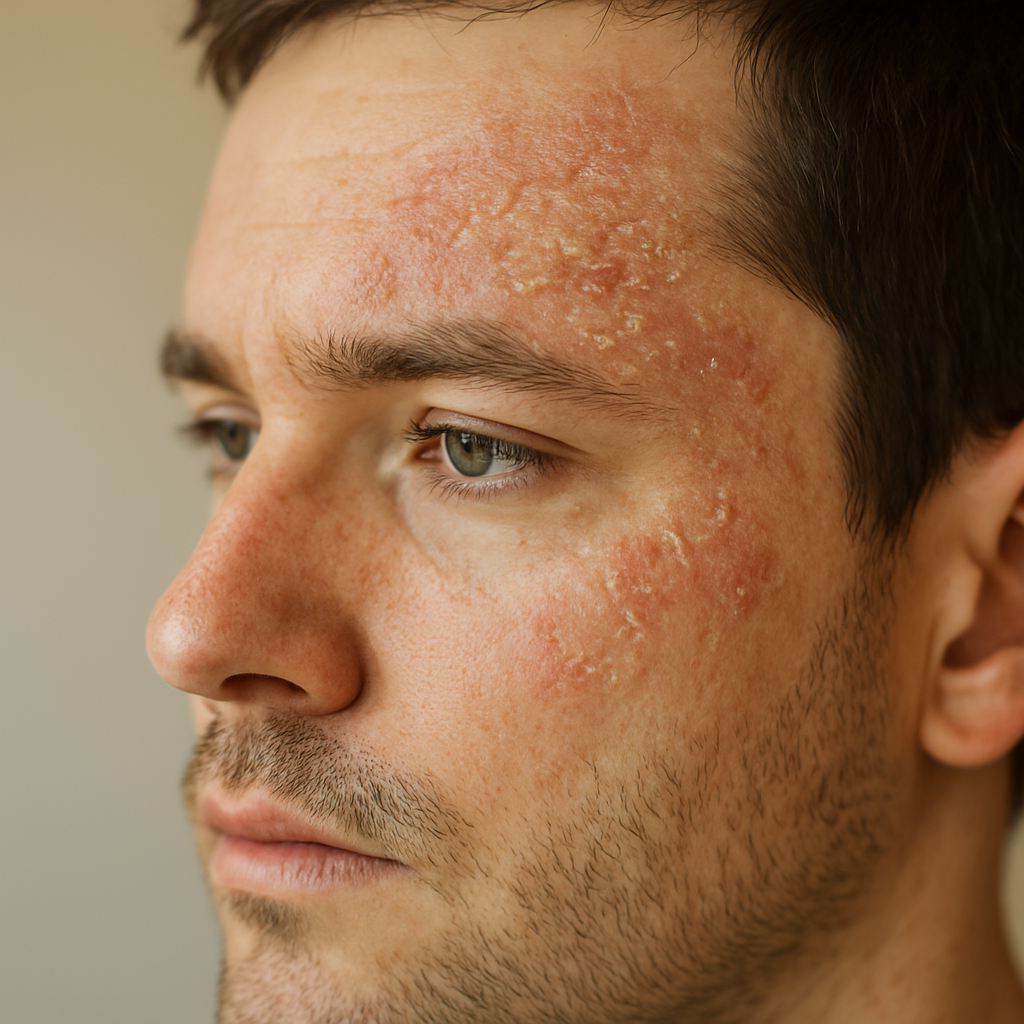
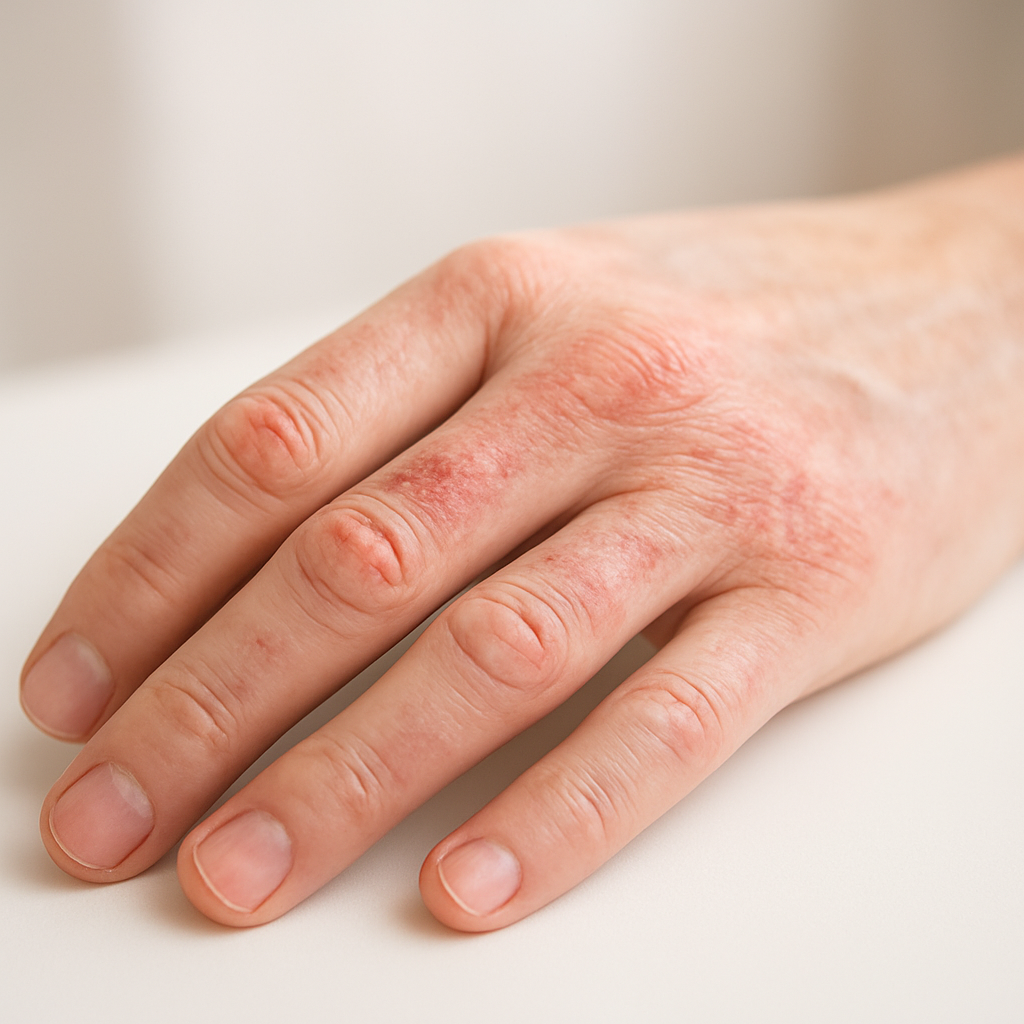
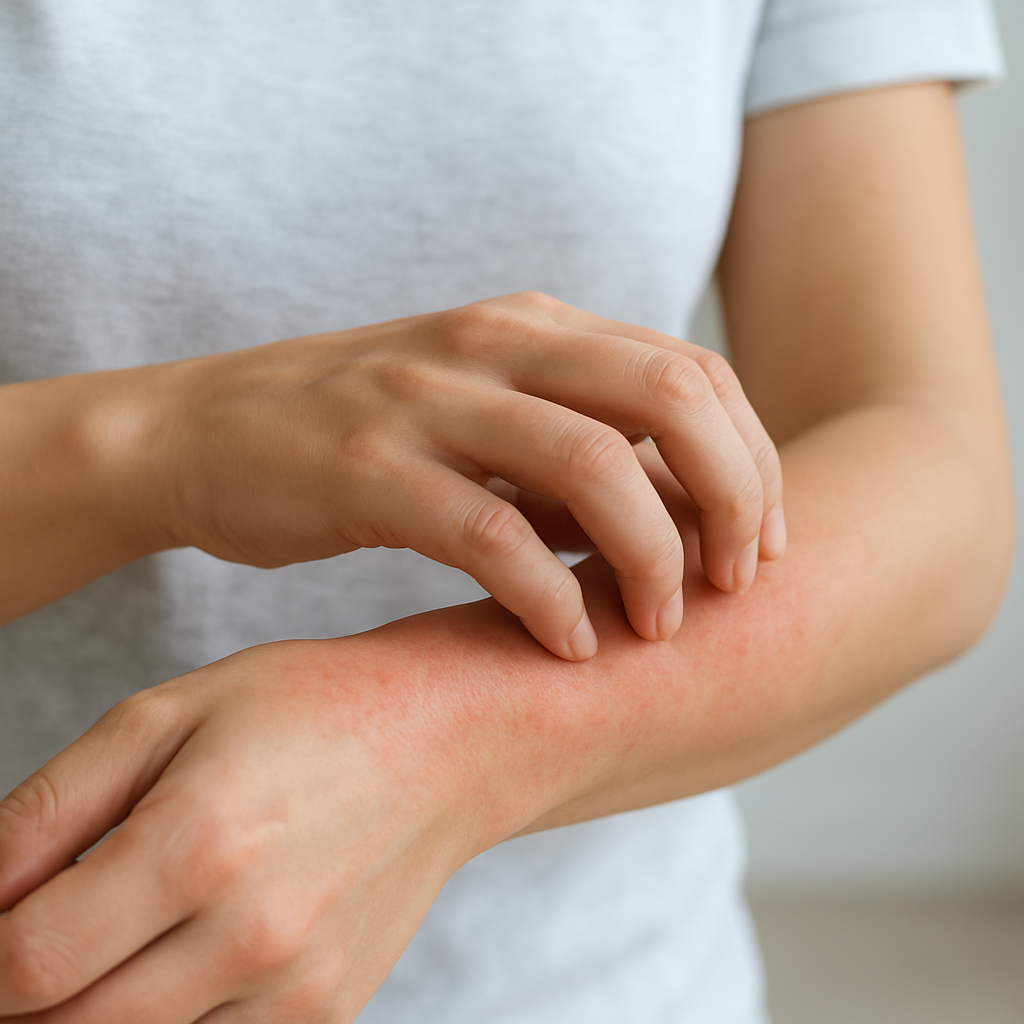
Contact dermatitis creates unmistakable signs on your skin that appear exactly where irritating substances touched you. The most common symptoms include redness, swelling, intense itching, and a burning sensation. Many people also develop small fluid-filled blisters, dry cracked patches, raised hives, or areas of scaling skin that feel rough to the touch.
“The key identifying feature is that symptoms appear precisely where your skin contacted the triggering substance.”
Symptoms typically develop within hours to days of exposure, though the timeline varies between the two main types. Irritant contact dermatitis usually appears within minutes or hours of contact with harsh chemicals like bleach or strong soaps. Allergic contact dermatitis takes longer, often showing up 24 to 72 hours after touching allergens like poison ivy or nickel jewelry.
The appearance differs slightly between types. Irritant reactions tend to create sharper, more defined borders with immediate burning or stinging. Allergic reactions often spread beyond the original contact area, creating irregular patches with intense itching as the primary complaint.
While the angry red appearance can feel alarming, most contact dermatitis heals completely without permanent scarring when properly treated. The key is identifying and avoiding your specific triggers while managing current symptoms effectively.
Causes and Risk Factors
Contact dermatitis develops when your skin comes into direct contact with substances that irritate or trigger allergic reactions. Common irritants include harsh soaps, cleaning chemicals, detergents, and solvents that damage the skin barrier. Allergens like poison ivy, nickel in jewelry, fragrances in cosmetics, and preservatives in skincare products can cause delayed allergic reactions that appear 24-72 hours after exposure.
Several factors increase your risk of developing contact dermatitis. People with sensitive skin or a history of Atopic Dermatitis face higher vulnerability since their skin barrier is already compromised. Atopic Dermatitis, which affects 15-20% of children and 1-3% of adults worldwide, creates chronic inflammatory conditions that make skin more reactive to triggers.
Occupational exposure significantly elevates risk. Healthcare workers, hairdressers, construction workers, and food handlers encounter irritants and allergens daily. Frequent hand washing, while necessary for hygiene, strips natural oils and weakens skin protection. Previous allergic reactions also indicate increased sensitivity to developing new contact allergies over time.
Understanding these causes helps prevent flare-ups and reduces concerns about permanent damage, as contact dermatitis typically resolves completely once the trigger is identified and avoided.
Treatment Options
The good news is that contact dermatitis responds well to treatment, and with the right approach, you can clear your skin without permanent scarring. Most cases improve within 1-3 weeks when you remove the trigger and follow proper treatment steps.
Stop using the product or avoid the substance that caused your reaction.
Apply cool, wet compresses for 15-20 minutes several times daily to reduce inflammation.
Use over-the-counter hydrocortisone cream twice daily on affected areas.
Apply fragrance-free moisturizer while skin is still damp to lock in hydration.
For itching, oral antihistamines like Benadryl or Claritin provide relief. Severe cases may require prescription-strength corticosteroids or oral medications from a dermatologist.
See a dermatologist if your rash covers large areas, doesn't improve after two weeks, shows signs of infection, or significantly impacts your daily life. Early professional treatment prevents complications and speeds healing.
Prevention works best: patch test new products on a small skin area, read ingredient labels carefully, and keep a diary of products that trigger reactions.
How Contact Dermatitis Differs from Other Skin Conditions

Contact dermatitis often gets confused with other skin conditions, but understanding the key differences helps you identify what you're dealing with and get the right treatment to avoid unnecessary worry about scarring.
Unlike Atopic Dermatitis (eczema), which is a chronic condition that usually starts in childhood and affects areas like inner elbows and behind knees, contact dermatitis appears exactly where you touched an irritant or allergen. Atopic Dermatitis causes intense, persistent itching even without triggers, while contact dermatitis typically resolves once you remove the offending substance.
Acne Vulgaris creates blackheads, whiteheads, and pustules primarily on your face, chest, and back where oil glands are most active. Contact dermatitis produces red, swollen patches without the characteristic pore-blocking that defines acne.
Plaque Psoriasis forms thick, silvery-scaled patches that persist for months, commonly on elbows, knees, and scalp. Contact dermatitis creates thinner, more variable patches that correspond directly to exposure patterns and heal relatively quickly with proper care.
Living with Contact Dermatitis
Managing contact dermatitis successfully requires adapting your daily routines around your skin's sensitivities. Start each morning with fragrance-free, gentle cleansers and moisturizers specifically formulated for sensitive skin. Brands like Cetaphil and CeraVe offer reliable options that won't trigger flare-ups.
Apply barrier cream before handling potential irritants like cleaning products or work materials.
Wash hands thoroughly after work and apply healing ointment to any affected areas.
Workplace modifications can prevent recurring episodes. Use protective gloves when handling chemicals, request latex-free alternatives if needed, and keep personal moisturizer at your desk. Many employers accommodate these requests once you explain your medical needs.
Product selection becomes easier once you identify your triggers through patch testing. Read ingredient labels carefully and avoid common culprits like formaldehyde, nickel, and certain preservatives. Most importantly, while contact dermatitis rarely causes permanent scarring when properly managed, seek professional help if symptoms persist beyond two weeks or worsen despite treatment.
Consistent daily protection and trigger avoidance prevent most contact dermatitis flare-ups better than treating them after they occur.
Frequently Asked Questions
What is contact dermatitis?
Contact dermatitis is an inflammatory skin reaction that occurs when your skin comes into direct contact with irritants or allergens. This condition causes localized redness, swelling, and itching that can range from mild to severe. The good news is that contact dermatitis rarely causes permanent scarring when properly managed.
What are the main types of contact dermatitis?
There are two main types of contact dermatitis. Allergic contact dermatitis happens when your immune system overreacts to a substance like nickel, fragrances, or poison ivy. Irritant contact dermatitis occurs when harsh chemicals or frequent exposure to water breaks down your skin's protective barrier.
What are the symptoms of contact dermatitis?
Contact dermatitis creates unmistakable signs on your skin that appear exactly where irritating substances touched you. The most common symptoms include redness, swelling, intense itching, and a burning sensation. Many people also develop small fluid-filled blisters, dry cracked patches, raised hives, or areas of scaling skin that feel rough to the touch.
How quickly do contact dermatitis symptoms appear?
Symptoms typically develop within hours to days of exposure, though the timeline varies between the two main types. Irritant contact dermatitis usually appears within minutes or hours of contact with harsh chemicals like bleach or strong soaps. Allergic contact dermatitis takes longer, often showing up 24 to 72 hours after touching allergens like poison ivy or nickel jewelry.
What causes contact dermatitis?
Contact dermatitis develops when your skin comes into direct contact with substances that irritate or trigger allergic reactions. Common irritants include harsh soaps, cleaning chemicals, detergents, and solvents that damage the skin barrier. Allergens like poison ivy, nickel in jewelry, fragrances in cosmetics, and preservatives in skincare products can cause delayed allergic reactions that appear 24-72 hours after exposure.
Disclaimer: This content is for informational purposes only and does not constitute medical advice. Always consult a qualified healthcare provider before making health decisions.