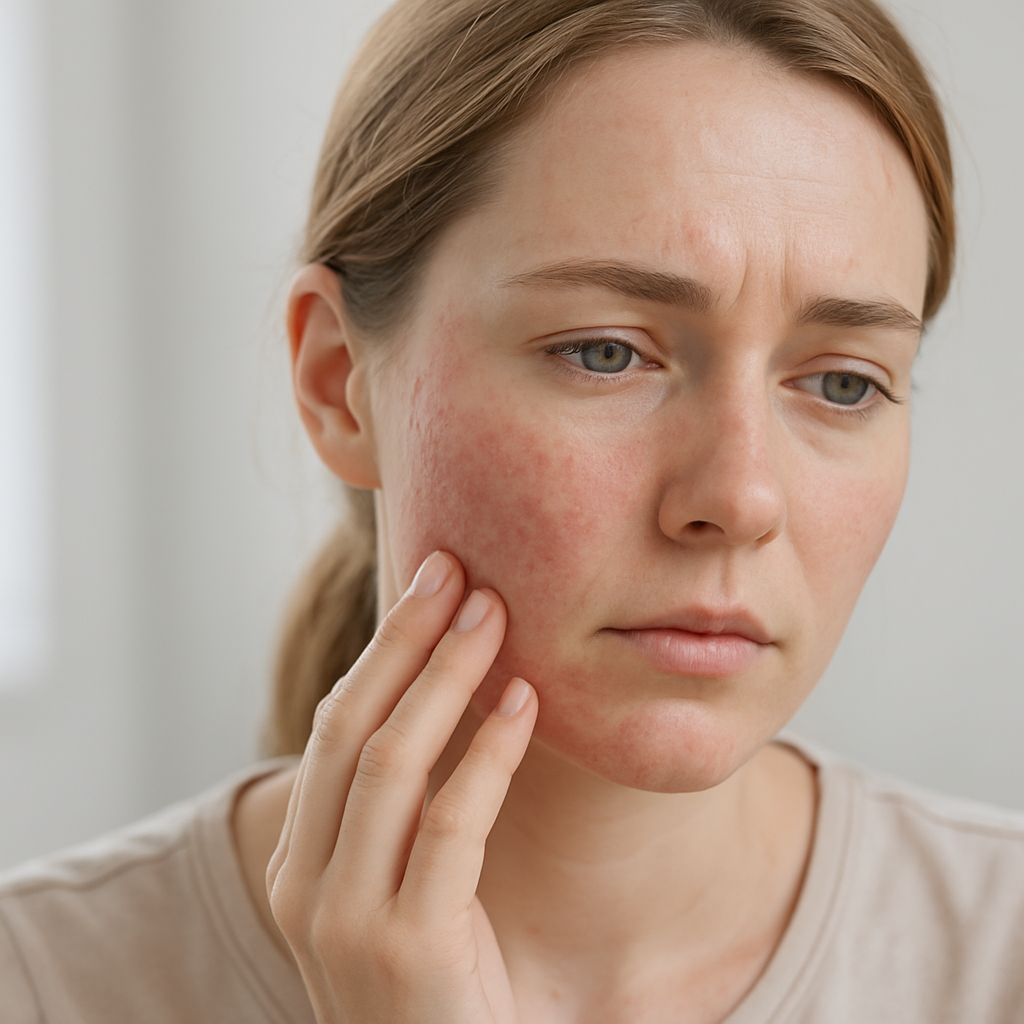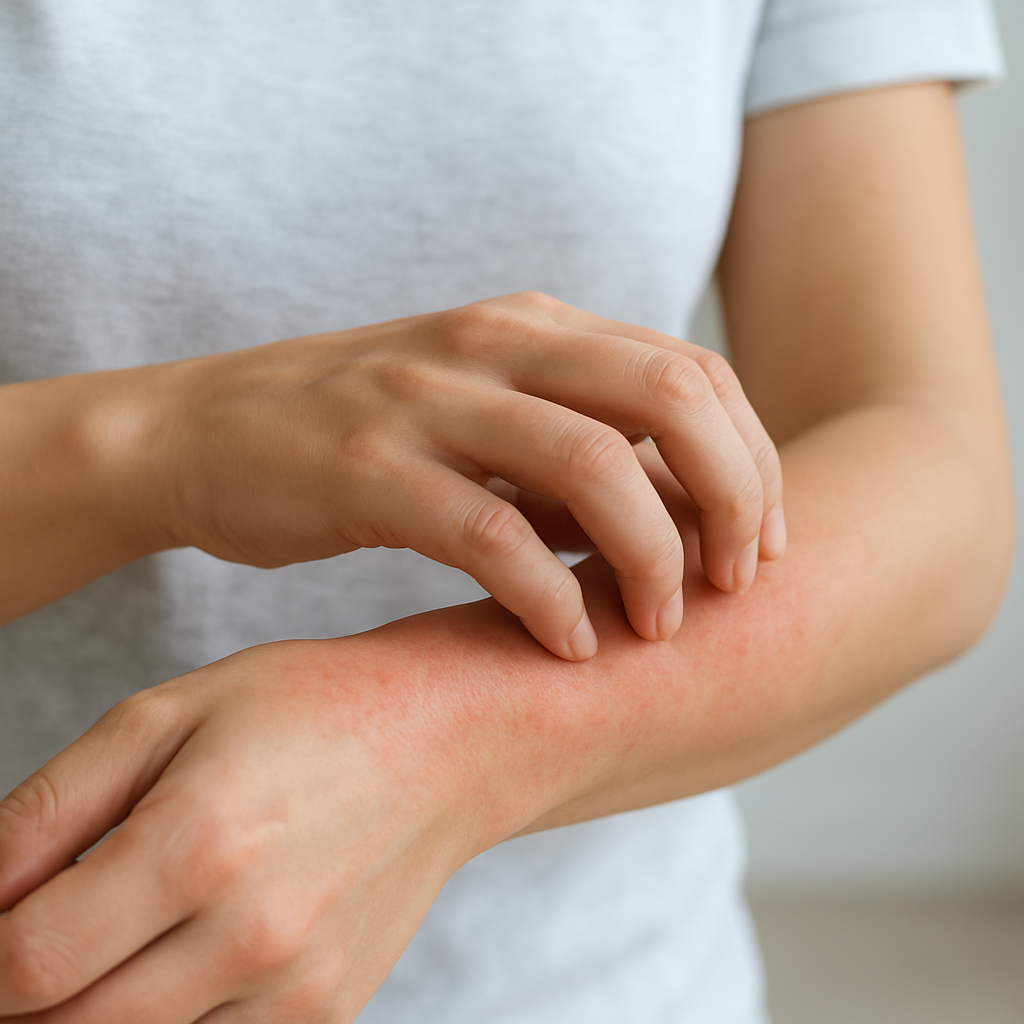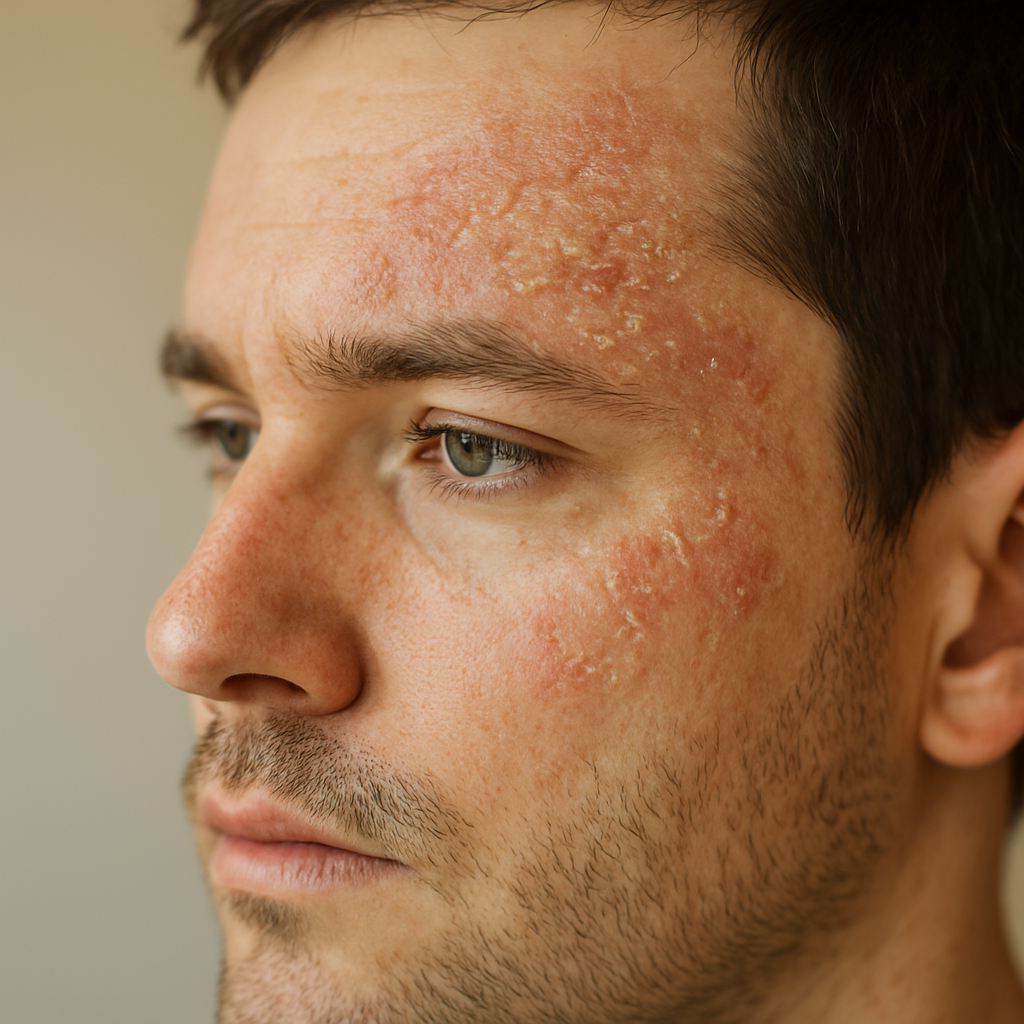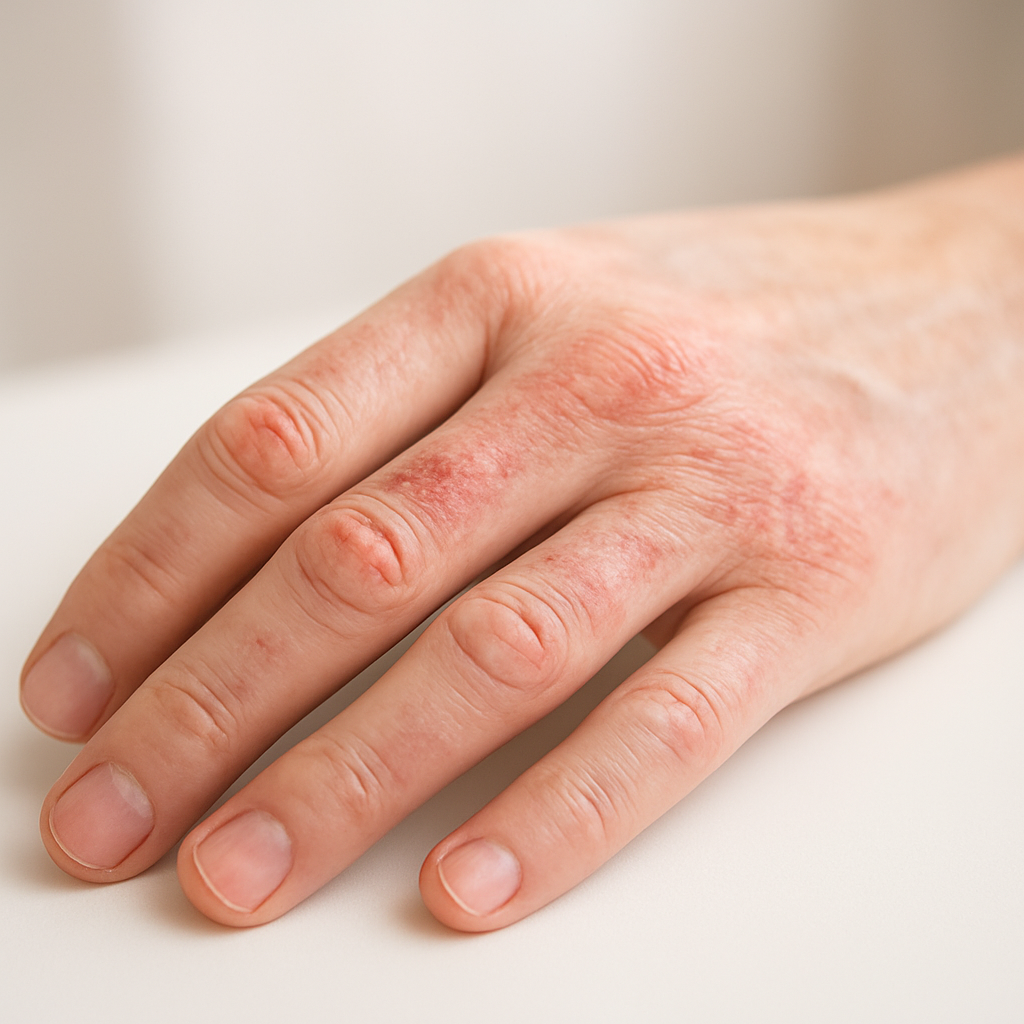
What Is Hand Eczema?

Hand eczema is a chronic inflammatory skin condition that specifically affects the hands and fingers, causing red, dry, cracked, and itchy patches of skin. Also known as hand dermatitis, this condition carries the medical classification code L30.9 and represents one of the most common forms of contact dermatitis that dermatologists treat.
“Hand eczema affects 2-10% of the general population, making it one of the most prevalent occupational skin conditions.”
This condition develops when the protective barrier of your hand skin becomes compromised, allowing irritants and allergens to penetrate deeper layers. Your hands are particularly vulnerable because they're constantly exposed to potential triggers like soaps, cleaning products, hot water, and harsh chemicals throughout daily activities.
Healthcare workers, food service employees, hairstylists, and cleaners face higher risks due to frequent hand washing and chemical exposure. While hand eczema can look alarming and feel uncomfortable, proper treatment typically prevents permanent scarring. The key lies in early intervention and identifying your specific triggers to break the cycle of inflammation and allow your skin barrier to heal effectively.
Types and Causes

Hand eczema develops when your skin's natural protective barrier weakens, creating an entry point for irritants and allergens. This breakdown happens through a combination of genetic factors and environmental triggers that work together to inflame your skin.
Your genes play a significant role in determining your susceptibility to hand eczema. People with family histories of eczema, asthma, or allergies inherit a compromised skin barrier that struggles to retain moisture and block harmful substances. This genetic vulnerability makes your hands more reactive to everyday exposures.
“Frequent hand washing and cleaning product exposure can trigger eczema flares within hours of contact.”
Environmental triggers activate hand eczema in genetically susceptible individuals. Frequent moisture exposure from hand washing, dishwashing, or wet work softens your skin's protective layer. Harsh detergents, soaps, and cleaning chemicals strip away natural oils, leaving your hands vulnerable to irritation and infection.
Cold weather compounds these problems by reducing humidity and causing your skin to lose moisture rapidly. Wind and low temperatures make your hands crack and split, creating openings for bacteria and allergens to penetrate deeper skin layers.
Understanding these causes helps you identify your specific triggers and take targeted action to protect your skin before permanent damage occurs.
Symptoms and Affected Areas
Hand eczema creates unmistakable symptoms that typically start mild but can progress to severe discomfort. The most common early signs include dry, cracked skin that feels rough to the touch, accompanied by persistent itching that worsens at night. As the condition develops, you'll notice redness spreading across affected areas, often with a burning sensation that makes daily activities uncomfortable.
Hand eczema primarily affects your palms, fingers, and the back of your hands, though it can extend to your wrists. Your fingertips and the spaces between fingers are particularly vulnerable areas. Small, fluid-filled blisters may appear, especially on your palms and finger sides, which can burst and create painful open areas.
Without proper treatment, mild symptoms progress to severe patches of thickened, leathery skin with constant peeling. While permanent scarring is uncommon with appropriate care, the visible nature of hand symptoms can feel socially embarrassing. Early intervention prevents this progression and helps restore your skin's normal appearance faster than waiting for severe symptoms to develop.
How Hand Eczema Differs from Other Skin Conditions
Hand eczema stands apart from other skin conditions through its specific location and underlying causes. Unlike Atopic Dermatitis, which affects multiple body areas including the face, neck, inner elbows, and behind knees, hand eczema remains localized to the hands and fingers. This targeted distribution helps doctors distinguish between these related but distinct conditions.
The confusion often arises because both conditions share similar symptoms like itching and inflamed patches. However, atopic dermatitis typically develops in childhood and spreads across various body sites, while hand eczema can appear at any age and stays confined to the hands.
Acne Vulgaris presents differently with blackheads, whiteheads, and pustules primarily on the face, chest, and back where sebaceous glands concentrate. Hand eczema doesn't involve these oil-producing glands and rarely causes the comedones characteristic of acne.
Plaque Psoriasis creates thick, silvery-scaled patches through autoimmune dysfunction, commonly appearing on elbows, knees, and scalp. Hand eczema produces different scaling patterns and stems from barrier dysfunction rather than autoimmune acceleration of skin cell production. Understanding these distinctions prevents misdiagnosis and ensures appropriate treatment approaches.
Treatment and Management Options

Effective hand eczema treatment combines immediate symptom relief with long-term skin protection strategies. The good news is that with proper care, most people see significant improvement within weeks, reducing concerns about permanent scarring.
Moisturizers form the foundation of hand eczema management. Apply thick, fragrance-free creams like CeraVe or Eucerin immediately after washing your hands and before bed. Barrier creams containing dimethicone create a protective layer that shields skin from irritants throughout the day.
Topical corticosteroids like hydrocortisone reduce inflammation during flare-ups. Use these medications exactly as prescribed, typically twice daily for 7-14 days. Your doctor may recommend stronger prescription steroids for severe cases.
Antihistamines such as Benadryl or Claritin help control nighttime itching, allowing better sleep and healing. Take these medications in the evening when itching typically worsens.
Irritant avoidance proves crucial for long-term success. Wear cotton-lined rubber gloves when cleaning, gardening, or handling chemicals. Choose gentle, fragrance-free soaps and switch to powder-free latex gloves if your work requires frequent handwashing.
Prevention and Risk Factors
Certain occupations significantly increase your risk of developing hand eczema. Healthcare workers face constant exposure to hand sanitizers and latex gloves. Food handlers deal with frequent washing and acidic ingredients. House cleaners encounter harsh chemicals daily. These professions report hand eczema rates three times higher than the general population.
Genetics play a crucial role in hand eczema development. If your parents or siblings have eczema, asthma, or allergies, you carry higher risk. This genetic predisposition doesn't guarantee you'll develop hand eczema, but it makes prevention more important.
Frequent hand washing requires strategic protection. Use lukewarm water instead of hot water, which strips natural oils. Choose fragrance-free, gentle cleansers over harsh soaps. Pat hands dry rather than rubbing vigorously. Apply moisturizer immediately after washing while skin remains slightly damp.
Environmental modifications make substantial differences. Install humidifiers during winter months when indoor air becomes dry. Wear cotton-lined gloves when cleaning or handling irritants. Keep moisturizer at every sink for immediate application after washing.
Prevention through proper hand care habits and workplace protection prevents most cases of hand eczema from developing or worsening.
Frequently Asked Questions
What is hand eczema?
Hand eczema is a chronic inflammatory skin condition that specifically affects the hands and fingers, causing red, dry, cracked, and itchy patches of skin. Also known as hand dermatitis, this condition develops when the protective barrier of your hand skin becomes compromised, allowing irritants and allergens to penetrate deeper layers. It affects 2-10% of the general population and represents one of the most common forms of contact dermatitis that dermatologists treat.
What causes hand eczema?
Hand eczema develops when your skin's natural protective barrier weakens due to a combination of genetic factors and environmental triggers. People with family histories of eczema, asthma, or allergies inherit a compromised skin barrier that struggles to retain moisture and block harmful substances. Environmental triggers include frequent hand washing, exposure to harsh detergents and cleaning chemicals, and cold weather conditions that strip away natural oils and reduce humidity.
What are the symptoms of hand eczema?
Hand eczema typically starts with dry, cracked skin that feels rough to the touch, accompanied by persistent itching that worsens at night. As the condition progresses, you'll notice redness spreading across affected areas with a burning sensation that makes daily activities uncomfortable. About 80% of people with hand eczema experience daily itching, making it one of the most noticeable and bothersome symptoms.
Who is at higher risk for developing hand eczema?
Healthcare workers, food service employees, hairstylists, and cleaners face higher risks due to frequent hand washing and chemical exposure. Women are three times more likely to develop hand eczema than men. People with family histories of eczema, asthma, or allergies are also at increased risk due to genetic factors that compromise the skin's natural protective barrier.
Is hand eczema work-related?
Yes, approximately 70% of hand eczema cases are work-related, making it one of the most prevalent occupational skin conditions. Jobs that involve frequent hand washing, exposure to cleaning chemicals, or wet work significantly increase the risk of developing hand eczema. The condition is particularly common among healthcare workers, food service employees, hairstylists, and cleaning professionals.
Disclaimer: This content is for informational purposes only and does not constitute medical advice. Always consult a qualified healthcare provider before making health decisions.