What is Seborrheic Dermatitis?

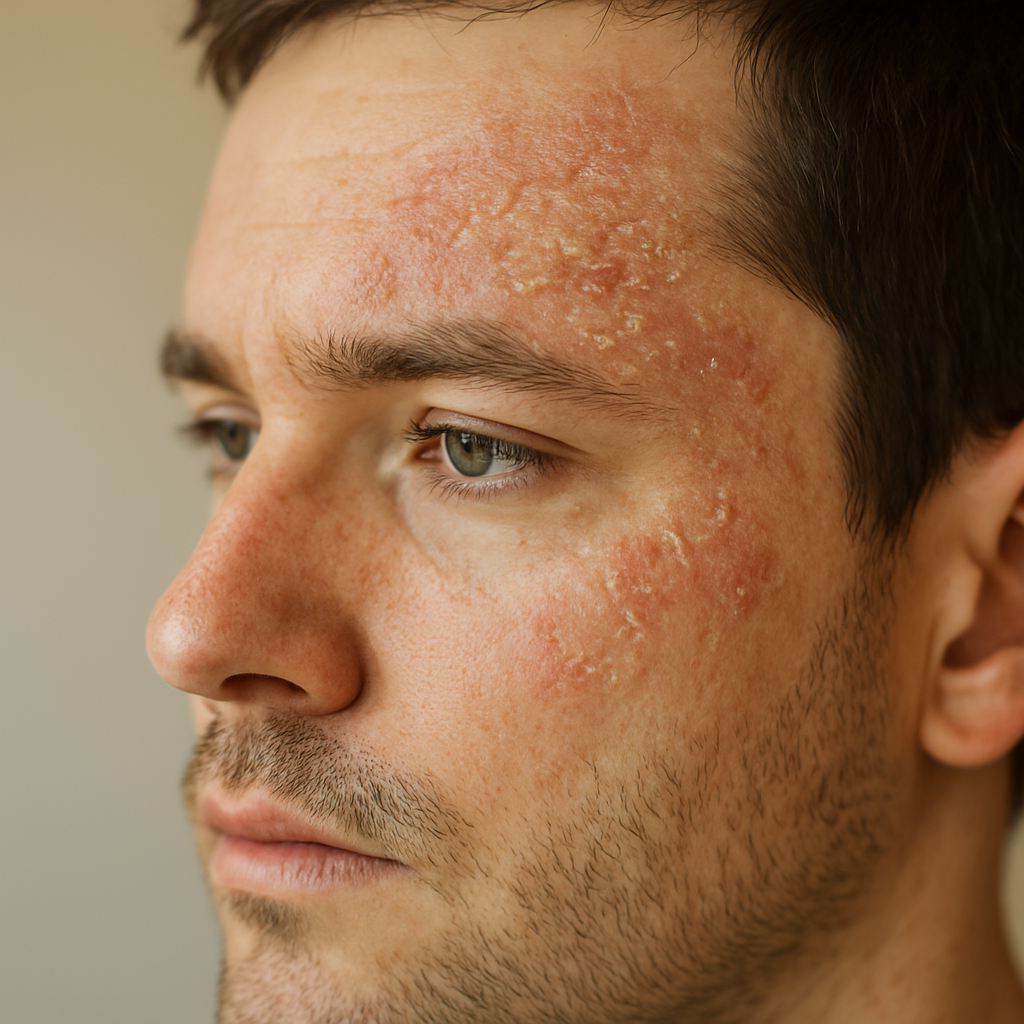
Seborrheic dermatitis is a chronic inflammatory skin condition that creates scaly, yellowish patches and persistent flaking on areas of your body where oil production runs high. You'll typically see it affecting your scalp, face, chest, and upper back—anywhere sebaceous glands are most active.
“Seborrheic dermatitis affects the oily zones of your skin, creating recognizable yellowish scales that distinguish it from other skin conditions.”
This condition goes by several names you might recognize: seborrheic eczema when it appears on your body, dandruff when it's mild on your scalp, or cradle cap when it affects infants. The good news is that seborrheic dermatitis won't cause permanent scarring or damage to your skin, though the visible flaking can feel socially uncomfortable.
The condition affects 1-3% of healthy adults, with rates climbing to 5% in people with compromised immune systems. Men develop it twice as often as women, and it typically peaks during infancy and again in middle age.
Symptoms and Appearance

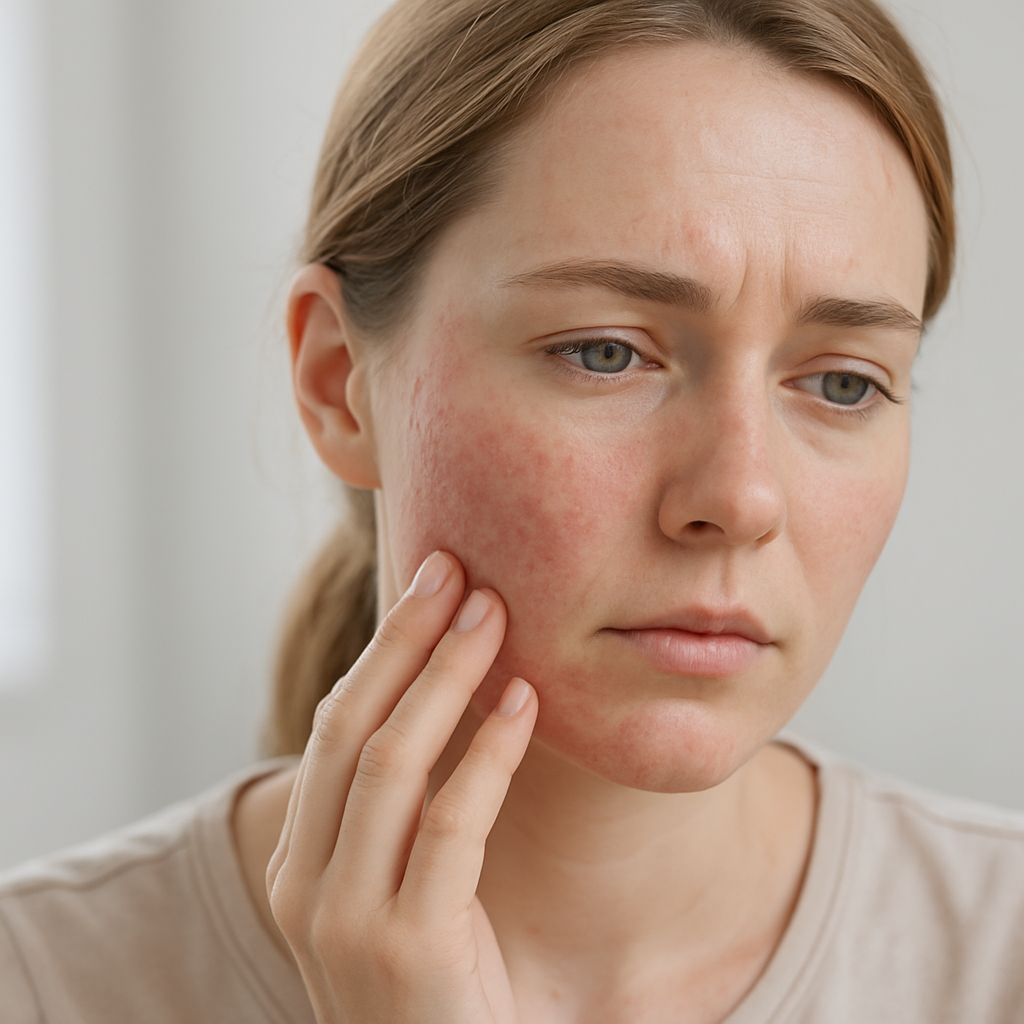
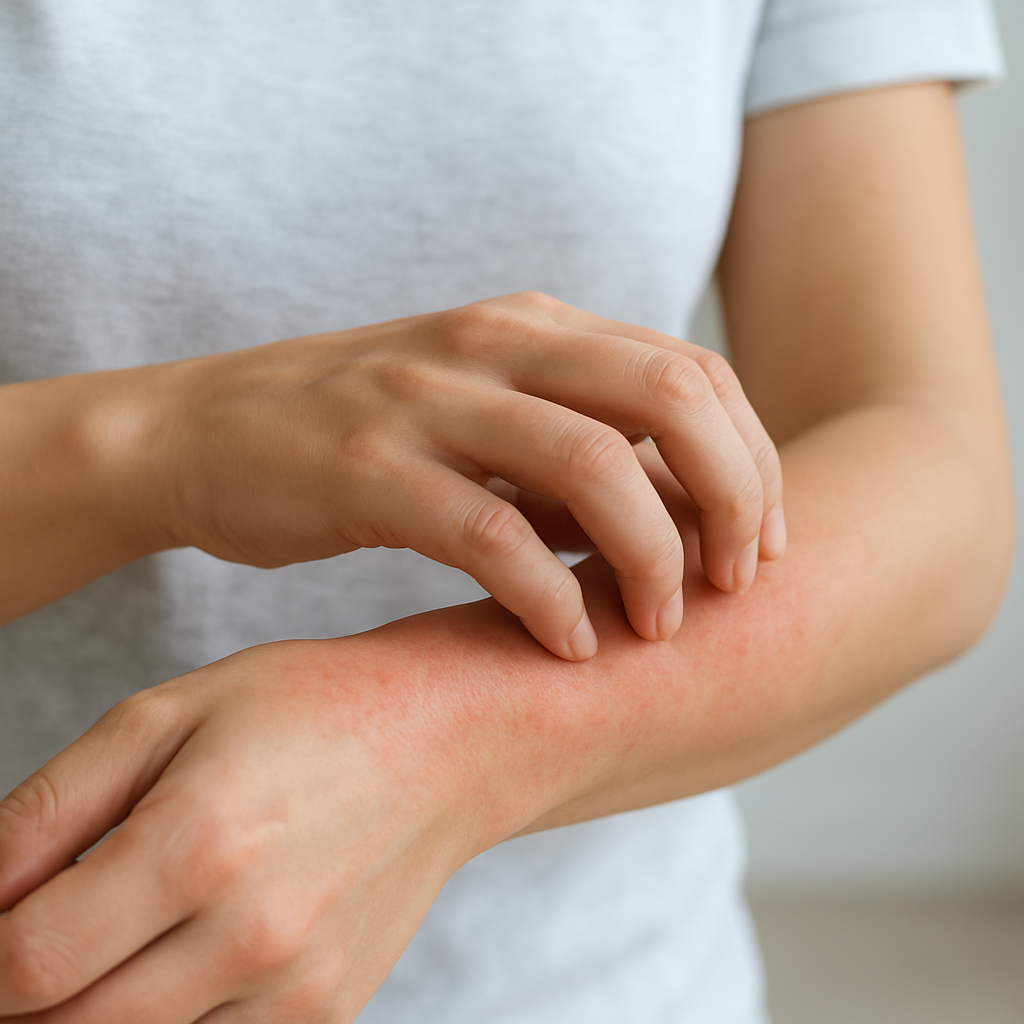
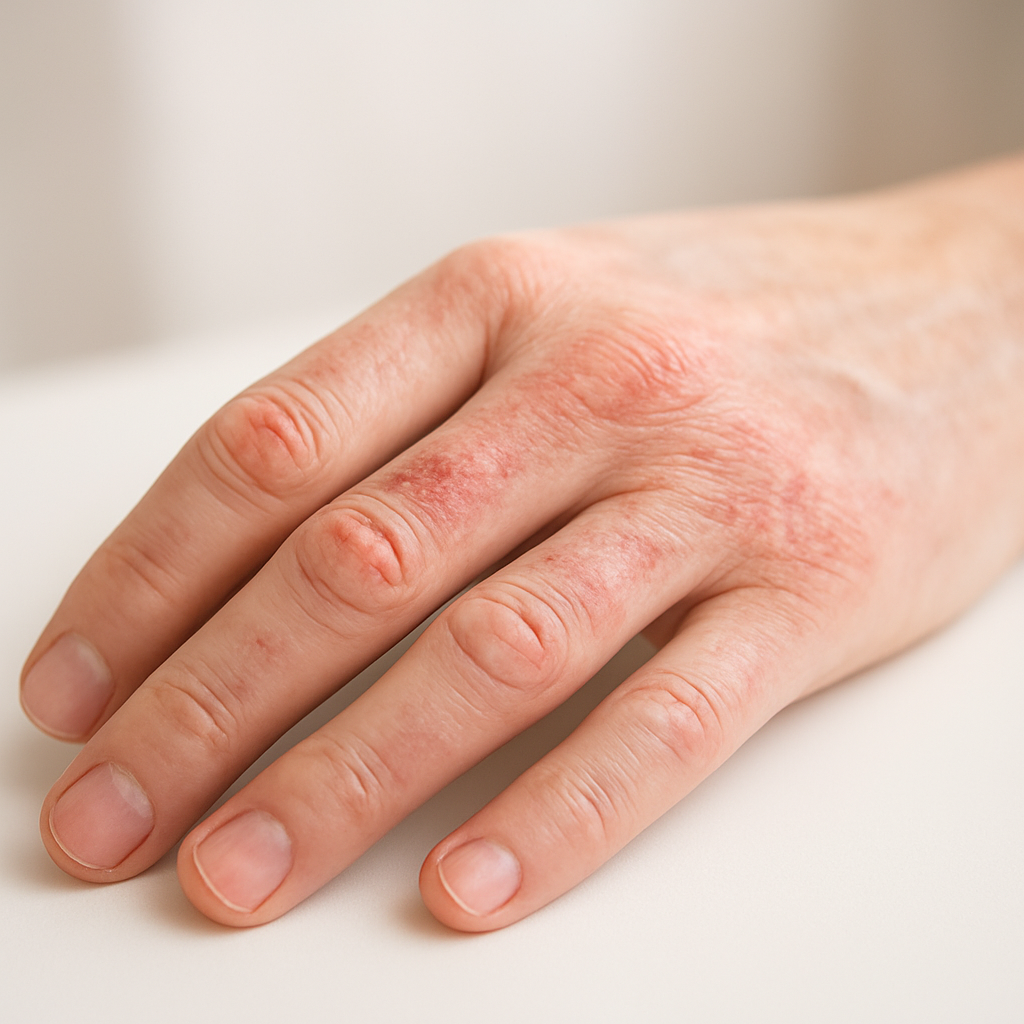
Seborrheic dermatitis creates distinct visual signs that help patients identify the condition early. The most recognizable symptom is scaly, flaky patches that appear greasy or oily rather than dry. These patches typically show redness underneath, accompanied by persistent itching that can worsen with stress or weather changes.
“The greasy, yellowish scales distinguish seborrheic dermatitis from other common skin conditions like eczema or psoriasis.”
The condition commonly affects oil-rich areas of your body. On the scalp, it appears as dandruff with thick, yellowish crusts that may extend to your hairline. Facial symptoms concentrate around your eyebrows, sides of your nose, and behind your ears. You might notice red, scaly patches on your chest, upper back, armpits, or groin area.
The good news is that seborrheic dermatitis rarely causes permanent scarring when properly managed. The yellowish, waxy appearance of scales helps distinguish this condition from similar skin issues, making accurate identification possible for effective treatment.
Causes and Risk Factors
Seborrheic dermatitis develops when multiple factors create the perfect storm for inflammation. The primary culprit is an overgrowth of Malassezia yeast, a microorganism that naturally lives on everyone's skin. When your skin produces excess sebum (oil), this yeast thrives and multiplies rapidly. Your immune system then overreacts to this overgrowth, triggering the redness, scaling, and inflammation you see.
Genetics play a significant role too. If your parents had seborrheic dermatitis, you're more likely to develop it. Your risk increases if you have naturally oily skin, live with chronic stress, or face cold, dry weather that disrupts your skin barrier.
Certain health conditions heighten your vulnerability. Immunosuppression from medications or illness, neurological conditions like Parkinson's disease, and hormonal fluctuations can all trigger flare-ups. Understanding these triggers won't cause permanent scarring, but recognizing your specific risk factors helps you take proactive steps toward clearer skin.
Treatment Options
Several effective treatments can help you manage seborrheic dermatitis and achieve clearer skin without permanent scarring. The key is choosing the right treatment for your specific symptoms and affected areas.
For scalp seborrheic dermatitis, medicated shampoos work as your first line of defense. Ketoconazole shampoos target the yeast that worsens symptoms, while zinc pyrithione options reduce inflammation and flaking. Selenium sulfide shampoos help control oil production and cell turnover. Use these 2-3 times weekly, leaving them on your scalp for 3-5 minutes before rinsing.
Facial and body areas require gentler approaches. Antifungal creams containing ketoconazole or ciclopirox work well for persistent patches. Topical corticosteroids can quickly reduce severe inflammation but should only be used short-term on facial skin to avoid thinning.
Start with over-the-counter options for mild symptoms. See a dermatologist if your condition doesn't improve after 4-6 weeks of consistent treatment, covers large areas, or significantly impacts your daily life. They can prescribe stronger medications or identify underlying conditions.
How Seborrheic Dermatitis Differs from Other Skin Conditions

Many skin conditions can look similar, making proper diagnosis crucial for effective treatment. Understanding these differences helps you avoid using the wrong treatments that could worsen your symptoms or delay healing.
Atopic Dermatitis appears mainly on inner elbows, behind knees, and other flexural areas, while seborrheic dermatitis targets oil-rich zones like your scalp, face, and chest. Atopic dermatitis causes intense itching and dry, thickened skin patches, whereas seborrheic dermatitis produces greasy, yellowish scales with milder itching.
Acne Vulgaris affects similar oily areas but creates blackheads, whiteheads, and inflamed bumps rather than scaly patches. Acne involves clogged pores and bacterial infection, while seborrheic dermatitis stems from yeast overgrowth and inflammation without pore blockage.
Plaque Psoriasis creates thick, silvery-white scales on red patches, typically on elbows and knees. These scales are much thicker and more adherent than seborrheic dermatitis's loose, oily flakes. Psoriasis patches have distinct borders, while seborrheic dermatitis blends into surrounding skin.
Living with Seborrheic Dermatitis
Managing seborrheic dermatitis successfully requires building sustainable daily routines that work with your skin, not against it. The good news: this condition won't cause permanent scarring when properly managed, though the visible flakes and redness can feel socially challenging during active periods.
Use lukewarm water and fragrance-free cleansers twice daily to remove excess oil without irritation.
Use antifungal shampoos or prescribed creams consistently, even during clear periods for prevention.
Apply lightweight, non-comedogenic moisturizers to prevent dryness that can trigger flares.
Stress management proves crucial since emotional stress directly triggers flare-ups. Regular sleep schedules, avoiding harsh weather extremes, and limiting alcohol consumption help maintain clearer skin. Many patients find their symptoms follow seasonal patterns, with winter months typically bringing more challenges.
Expect gradual improvement over weeks, not days. Most people achieve good control within 4-6 weeks of consistent treatment, though occasional mild flares remain normal throughout life.
Consistent daily care prevents most flare-ups and keeps seborrheic dermatitis manageable long-term.
Frequently Asked Questions
What is seborrheic dermatitis?
Seborrheic dermatitis is a chronic inflammatory skin condition that creates scaly, yellowish patches and persistent flaking on areas of your body where oil production runs high. It typically affects your scalp, face, chest, and upper back—anywhere sebaceous glands are most active. The condition goes by several names including seborrheic eczema, dandruff when mild on the scalp, or cradle cap when it affects infants.
What are the main symptoms of seborrheic dermatitis?
The most recognizable symptom is scaly, flaky patches that appear greasy or oily rather than dry, with redness underneath and persistent itching. On the scalp, it appears as dandruff with thick, yellowish crusts that may extend to the hairline. Facial symptoms concentrate around the eyebrows, sides of the nose, and behind the ears, while you might also notice red, scaly patches on the chest, upper back, armpits, or groin area.
What causes seborrheic dermatitis?
Seborrheic dermatitis develops when an overgrowth of Malassezia yeast occurs on the skin, which naturally lives on everyone's skin but thrives when excess sebum (oil) is produced. Your immune system then overreacts to this yeast overgrowth, triggering the redness, scaling, and inflammation characteristic of the condition. About 90% of people with seborrheic dermatitis have Malassezia overgrowth.
How common is seborrheic dermatitis?
Seborrheic dermatitis affects 1-3% of healthy adults, with rates climbing to 5% in people with compromised immune systems. Men develop it twice as often as women, and it typically peaks during infancy and again in middle age. The global prevalence rate is approximately 3.2%.
Does seborrheic dermatitis cause permanent scarring?
No, seborrheic dermatitis won't cause permanent scarring or damage to your skin when properly managed. While the visible flaking can feel socially uncomfortable, the condition rarely causes permanent scarring. The yellowish, waxy appearance of scales helps distinguish this condition from similar skin issues.
Disclaimer: This content is for informational purposes only and does not constitute medical advice. Always consult a qualified healthcare provider before making health decisions.