How We Evaluated Antifungal Treatments

We reviewed dozens of antifungal treatments using strict criteria to bring you the most effective options. Our evaluation focused on proven clinical results from peer-reviewed studies, ensuring each treatment demonstrates real clearing power against fungal infections.
“Effective antifungal treatment requires both proven ingredients and proper application methods.”
Cost and accessibility played crucial roles in our selections. We prioritized treatments available without prescription barriers while noting when dermatologist supervision benefits severe cases. Safety profiles received equal weight, as gentle formulations prevent additional skin irritation that could worsen your concerns about scarring or social situations.
Topical Antifungal Creams and Ointments

Topical antifungal treatments serve as the first line of defense against mild to moderate fungal skin infections. These medications work by targeting the fungal cell wall or disrupting essential fungal processes, effectively eliminating the infection at its source.
"Most topical antifungals clear visible symptoms within 2-4 weeks when used consistently."
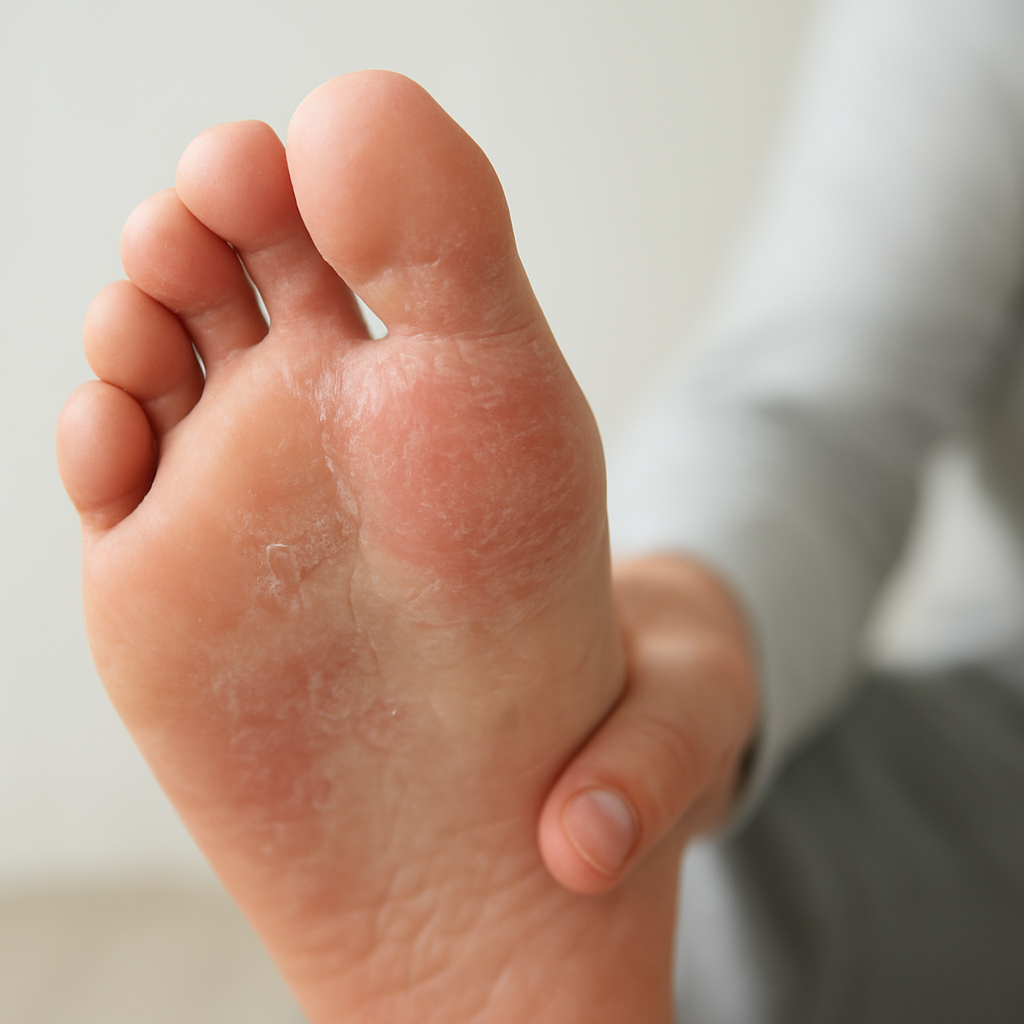
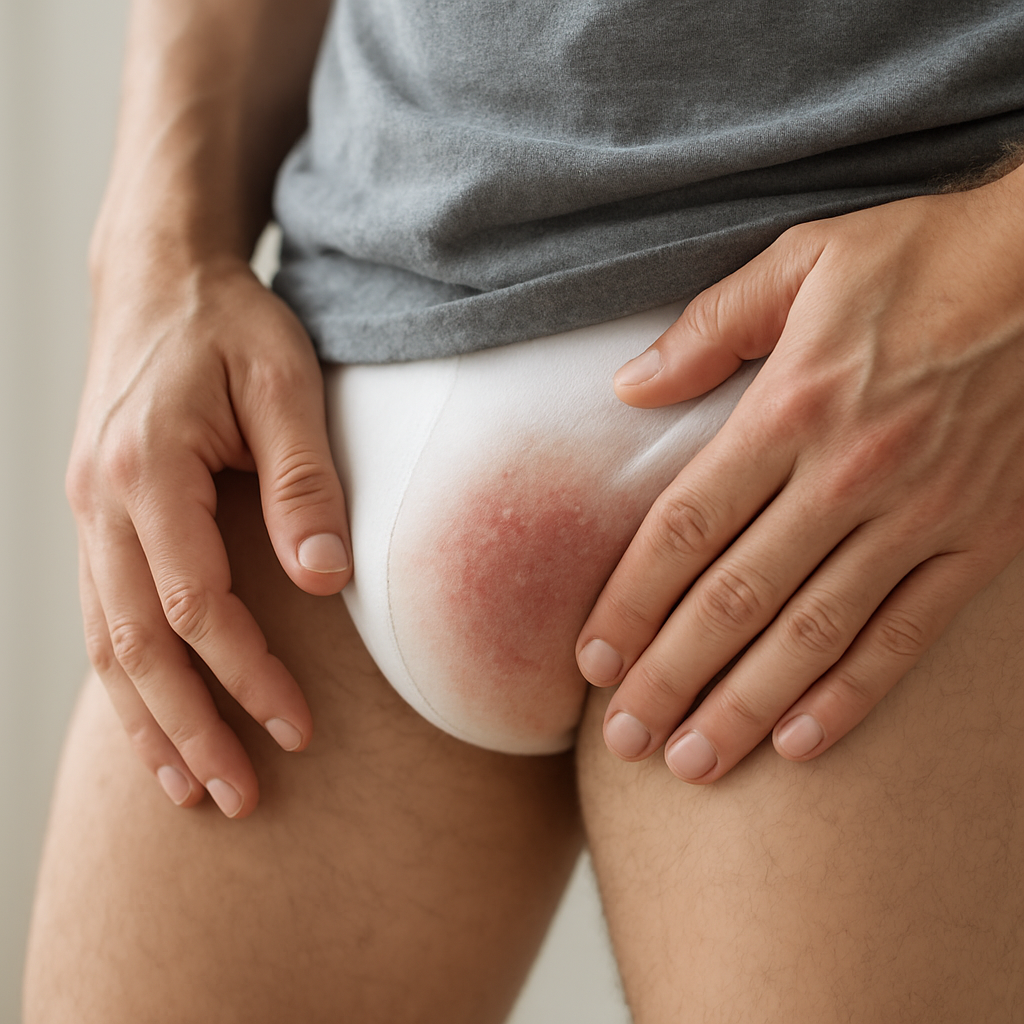
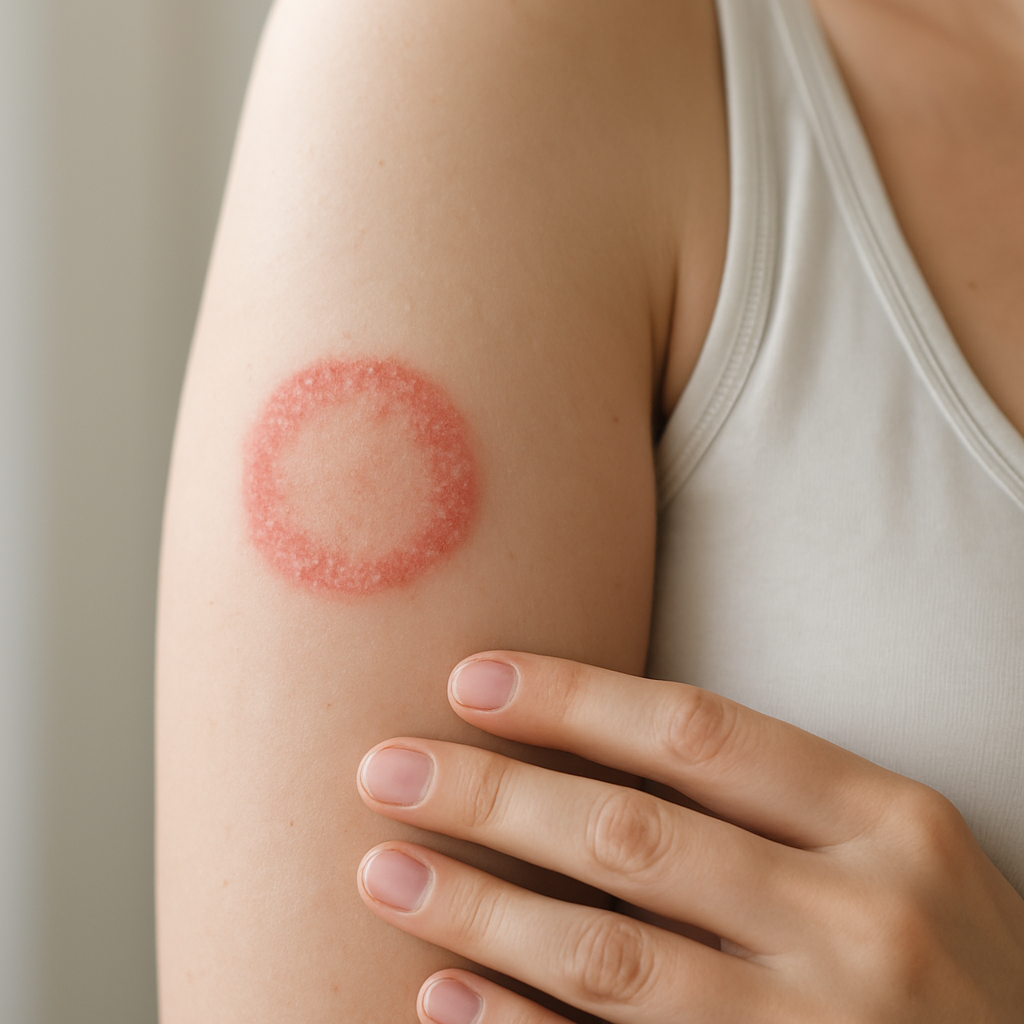
Over-the-counter options include clotrimazole (found in Lotrimin) and terbinafine (available as Lamisil AT). These proven ingredients treat common infections like athlete's foot, jock itch, and ringworm without requiring a prescription. For stubborn or extensive infections, dermatologists prescribe stronger formulations containing ketoconazole or ciclopirox.
Apply antifungal cream to clean, dry skin twice daily, extending treatment one week beyond symptom clearance. This prevents reinfection and reduces your risk of developing permanent discoloration or scarring from untreated fungal infections.
Oral Antifungal Medications
When topical treatments fail or infections spread extensively, oral antifungal medications become necessary. Doctors prescribe systemic treatments for stubborn nail fungus, widespread skin infections, or cases that keep returning despite topical care.
Fluconazole and itraconazole represent the most commonly prescribed oral antifungals. Fluconazole works well for yeast infections and can clear persistent cases within weeks. Itraconazole targets tougher infections like nail fungus, though treatment often takes several months to show full results.
Regular blood work monitoring prevents liver complications, while checking for drug interactions protects your safety. Your dermatologist will schedule follow-ups to track progress and adjust treatment as needed.
Antifungal Shampoos and Cleansers
Specialized shampoos and cleansers target fungal infections on the scalp and body, preventing the embarrassing flaking and odor that worry many patients. Ketoconazole shampoos like Nizoral effectively treat scalp fungal infections when used twice weekly, while selenium sulfide options provide gentler daily treatment.
Antifungal body washes containing ingredients like tea tree oil or zinc pyrithione help manage widespread infections across larger skin areas. Most patients see significant improvement within two weeks of consistent use, making these products excellent first-line treatments for mild to moderate fungal conditions.
Natural and Alternative Remedies

Tea tree oil offers proven antimicrobial properties, with studies showing effectiveness against various fungi when applied as a 5-10% solution. Coconut oil contains lauric acid, which demonstrates antifungal activity in laboratory settings. However, natural remedies work slowly and may not provide the quick results you need to regain confidence.
For example, applying diluted tea tree oil to athlete's foot might help mild cases, but severe infections requiring prescription treatment. Use natural options for prevention or alongside medical therapy, not as replacements for proven antifungal medications when dealing with persistent infections.
Choosing the Right Treatment for Your Condition
Selecting the right antifungal treatment depends on your specific infection type and severity. Athlete's foot and jock itch typically respond well to over-the-counter antifungal creams containing terbinafine or clotrimazole. For nail fungus, you'll likely need prescription oral medications since topical treatments rarely penetrate the nail effectively.
Start with OTC options for mild, localized infections that have been present for less than two weeks. However, seek medical evaluation if your infection covers large areas, shows signs of bacterial complications like pus or red streaking, or doesn't improve after two weeks of consistent treatment. This prevents permanent scarring that can occur with untreated severe infections.
Scalp ringworm always requires prescription oral antifungals since topical treatments cannot reach the hair follicles where the fungus lives.
Match your treatment choice to infection severity and location, starting with OTC options for mild cases but seeking medical care for persistent or severe infections.
Frequently Asked Questions
How long does it take for topical antifungal creams to work?
Most topical antifungals clear visible symptoms within 2-4 weeks when used consistently. You should apply antifungal cream to clean, dry skin twice daily and continue treatment one week beyond symptom clearance to prevent reinfection.
What are the best over-the-counter antifungal treatments?
Over-the-counter options include clotrimazole (found in Lotrimin) and terbinafine (available as Lamisil AT). These proven ingredients treat common infections like athlete's foot, jock itch, and ringworm without requiring a prescription.
When do you need oral antifungal medication instead of creams?
Oral antifungal medications become necessary when topical treatments fail or infections spread extensively. Doctors prescribe systemic treatments for stubborn nail fungus, widespread skin infections, or cases that keep returning despite topical care.
How effective are oral antifungal medications?
Oral antifungal treatments have an 85% success rate but typically require 3-6 months of treatment duration. The average monthly cost is around $150, and regular blood work monitoring is needed to prevent liver complications.
How often should I use antifungal shampoo for scalp infections?
Ketoconazole shampoos like Nizoral effectively treat scalp fungal infections when used twice weekly. These specialized shampoos show an 85% improvement rate and typically clear infections within 2-4 weeks at an average cost of $12.
Disclaimer: This content is for informational purposes only and does not constitute medical advice. Always consult a qualified healthcare provider before making health decisions.