What is Candida Skin Infection?

Candida skin infections develop when Candida albicans, a type of yeast naturally present on your skin, grows out of control. This fungus normally lives peacefully on your body without causing problems. However, when conditions become favorable for overgrowth, it multiplies rapidly and creates uncomfortable skin symptoms.
“Unlike bacterial infections that invade from outside, candida infections come from organisms already living on your skin.”
These infections behave differently than bacterial skin conditions. While bacteria typically cause localized pus-filled bumps or spreading red patches, candida creates distinctive red, itchy rashes with satellite lesions around the main affected area. The infection thrives in warm, moist environments like skin folds, under breasts, between fingers, and in the groin area.
Candida belongs to the broader family of fungal infections affecting skin, which includes conditions like ringworm and athlete's foot. However, candida specifically targets areas where skin touches skin or stays consistently damp. Understanding this difference helps you recognize symptoms early and seek appropriate treatment.
The good news is that candida skin infections rarely cause permanent scarring when treated properly. Most people see improvement within days of starting antifungal treatment, making this a manageable condition that responds well to proper care.
Recognizing Candida Skin Infection Symptoms
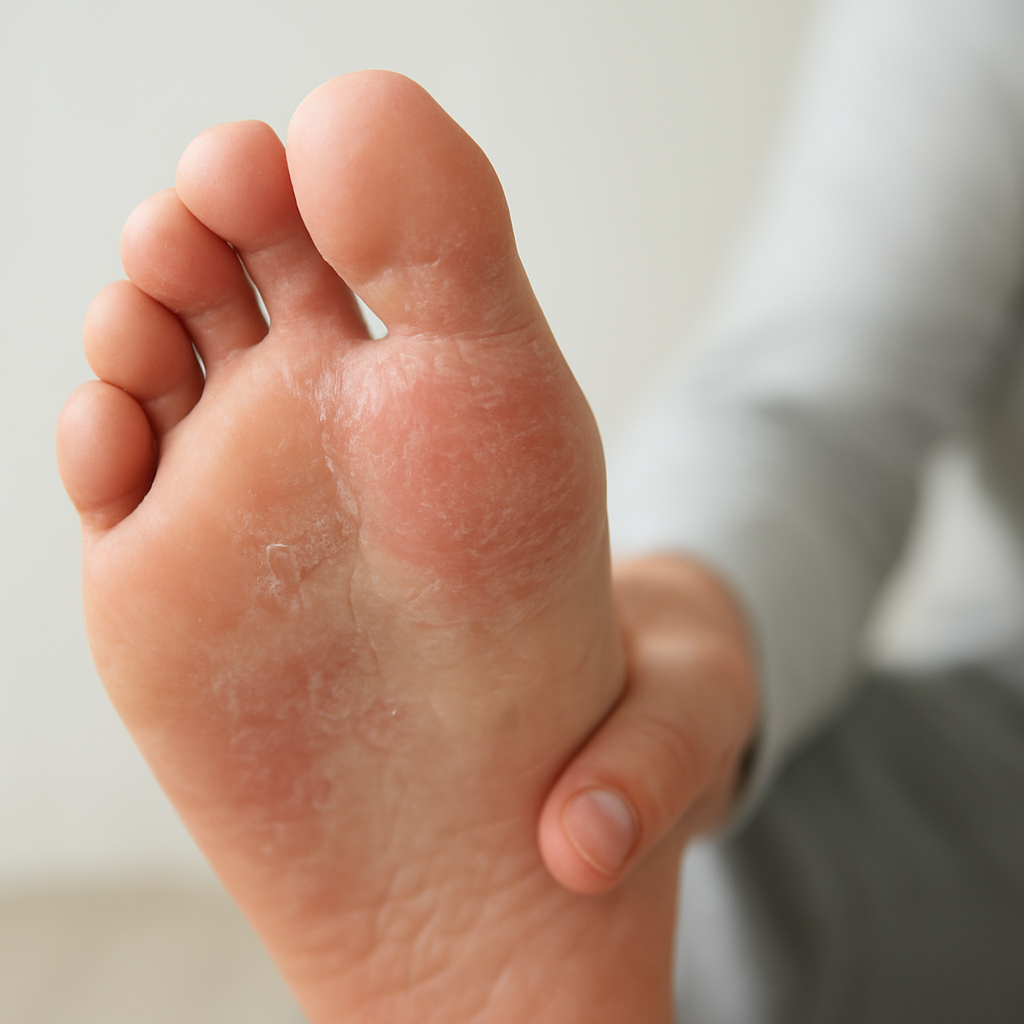
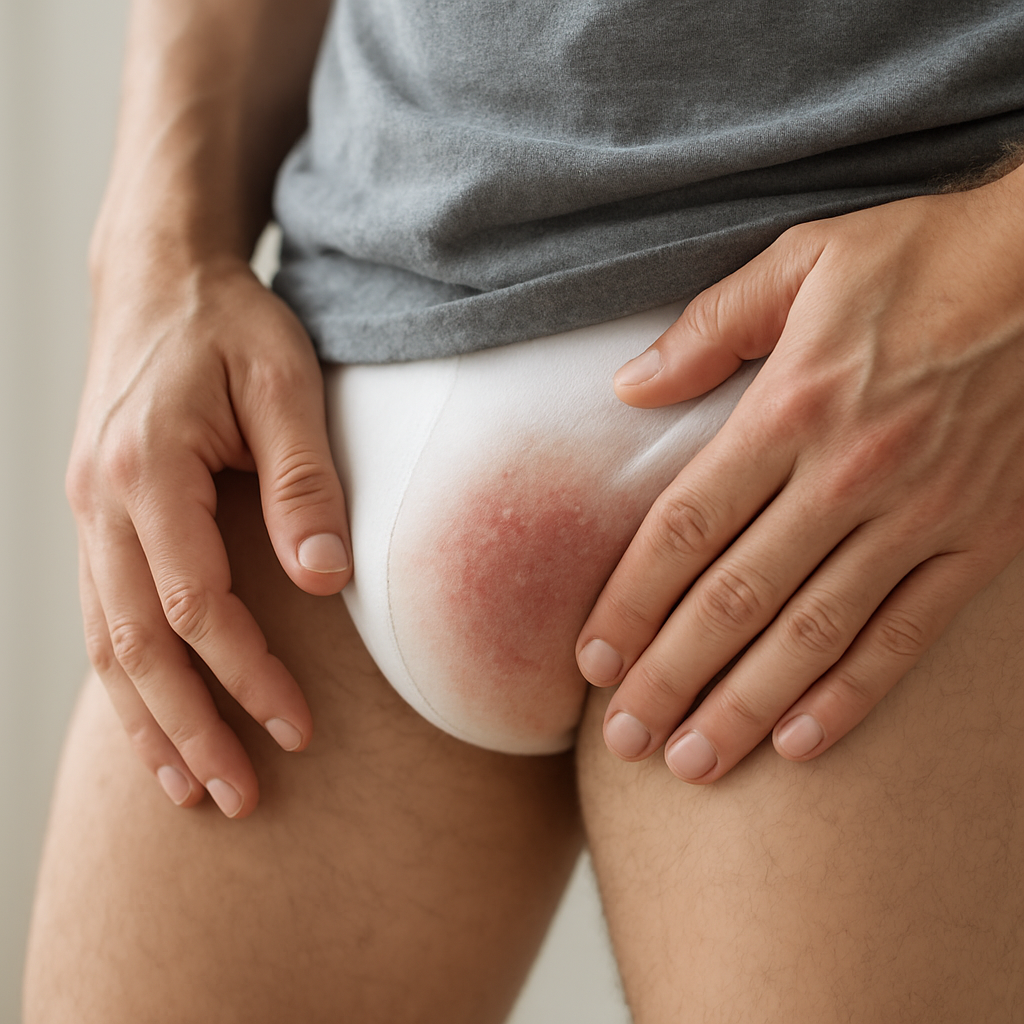
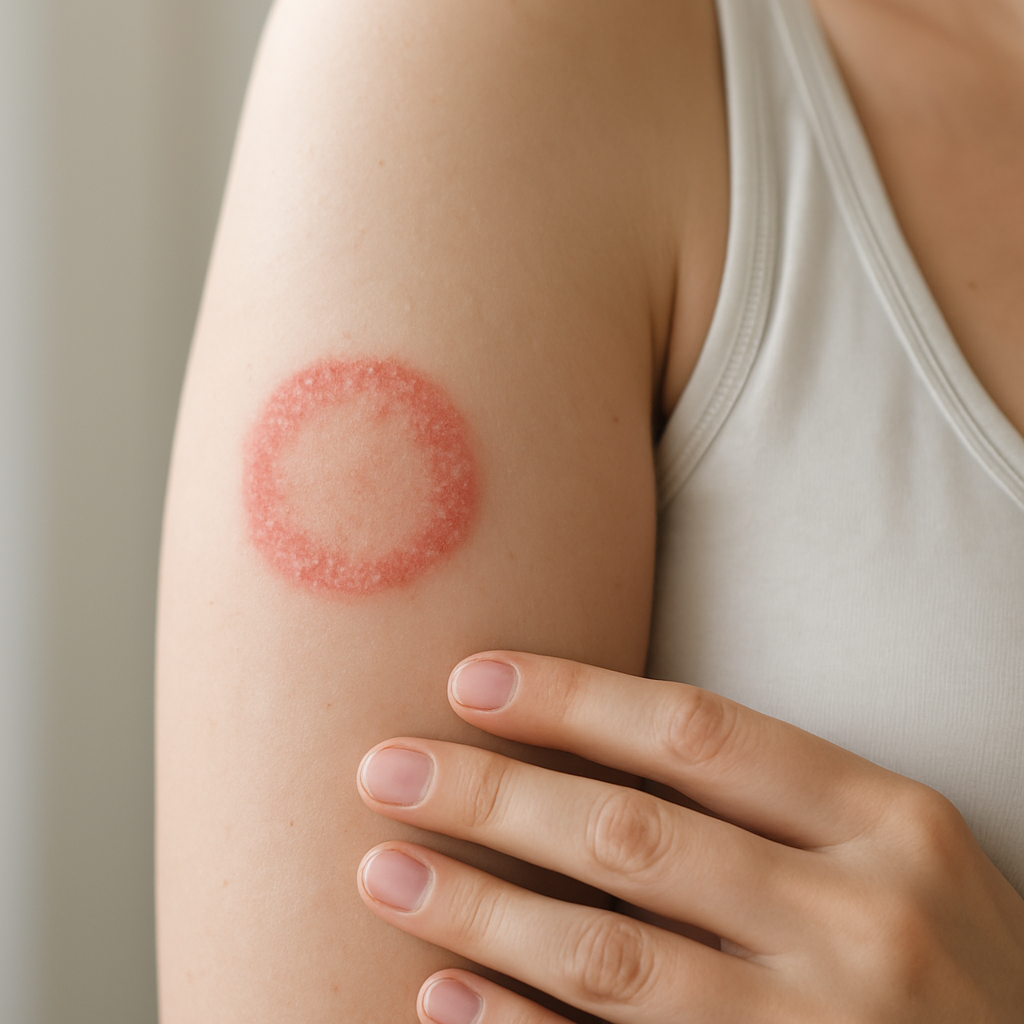
Candida skin infections create distinct visual signs that help distinguish them from other conditions. You'll typically notice red, inflamed patches with well-defined borders and a characteristic satellite lesion pattern—small red bumps or pustules that appear around the main infected area. The affected skin often develops a shiny, moist appearance with possible white patches or scales.
“The satellite lesion pattern around the main infection site is candida's calling card.”
Common symptoms include intense itching, burning sensations, and stinging pain that worsens with moisture or friction. The skin may feel raw and tender to touch. Unlike dry conditions, candida infections typically produce a slight odor and may have some discharge or weeping.
Symptoms usually progress from mild irritation to more pronounced inflammation over several days. The infection spreads outward from the initial site, creating the telltale expanding pattern with those characteristic satellite lesions appearing at the edges.
Distinguishing candida from similar conditions requires attention to specific details. Atopic Dermatitis (eczema) typically presents with dry, scaly patches and intense itching but lacks the satellite pattern and moist appearance of candida. Eczema affects 15-20% of children and often appears on inner elbows and behind knees, while candida prefers warm, moist areas like skin folds.
Suspect candida when you see the combination of red, moist patches with satellite lesions in areas that stay warm and humid. The presence of small pustules around the main rash, along with burning rather than just itching, strongly suggests candida over other skin conditions. Early recognition prevents the spread and reduces your risk of scarring or prolonged discomfort.
Common Areas Where Candida Infections Develop

Candida thrives in warm, moist environments where skin touches skin. Understanding these vulnerable spots helps you recognize infections early and prevent future outbreaks.
Skin folds create perfect breeding grounds for candida overgrowth. The groin area, underarms, and spaces between fingers and toes trap moisture and heat while limiting air circulation. These conditions allow candida to multiply rapidly beyond normal levels.
The area under the breasts presents another high-risk zone, especially for women with larger cup sizes or those who wear tight-fitting bras. Sweat and friction combine to create an ideal environment for fungal growth. Similarly, the fold where the abdomen meets the thigh can harbor moisture throughout the day.
Between the toes, particularly the fourth and fifth digits, moisture lingers from closed shoes and socks. This area often shows the first signs of fungal overgrowth, appearing as white, soggy patches that can crack and become painful.
These locations share common characteristics: limited air exposure, higher temperatures, and consistent moisture. While infections in these areas may cause temporary discoloration, proper treatment prevents permanent scarring and restores healthy skin appearance.
What Causes Candida Skin Infections
Candida naturally lives on your skin without causing problems. This fungus exists in small amounts on healthy skin and typically stays balanced with other microorganisms. The trouble starts when this natural balance gets disrupted, allowing candida to multiply rapidly and cause visible skin infections.
Several factors can upset your skin's protective balance. Excessive moisture from sweating, tight clothing, or humid environments creates ideal conditions for candida growth. Poor hygiene practices or overwashing with harsh soaps can strip away protective skin oils. Antibiotic use kills beneficial bacteria that normally keep candida in check, while hormonal changes during pregnancy or menstruation can also trigger overgrowth.
Certain medical conditions significantly increase your risk of developing candida skin infections. Diabetes creates high blood sugar levels that feed fungal growth. Compromised immune systems from conditions like HIV, cancer treatments, or immunosuppressive medications make it harder for your body to control candida populations. Obesity creates skin folds that trap moisture and heat.
Environmental triggers play a crucial role in candida development. Hot, humid weather promotes excessive sweating. Swimming pools and communal showers harbor fungi. Synthetic fabrics that don't breathe well trap moisture against your skin. Understanding these causes helps you take preventive action and reduces your worry about permanent skin damage, since candida infections respond well to treatment when caught early.
Treatment Options for Candida Skin Infections
When it comes to treating candida skin infections, you have several effective options available. The key is choosing the right approach based on the severity and location of your infection. Most cases respond well to topical treatments, while severe or recurring infections may require oral medications.
Topical antifungal medications form the first line of treatment for most candida skin infections. These creams, ointments, and powders work by directly targeting the fungus on your skin's surface. Over-the-counter options include clotrimazole (Lotrimin), miconazole (Monistat), and terbinafine (Lamisil). These medications typically cost between $8-15 and are available at any pharmacy without a prescription.
For more stubborn infections or those in sensitive areas like skin folds, your doctor may prescribe stronger topical antifungals such as ketoconazole or nystatin. These prescription options often work faster and more effectively than over-the-counter alternatives.
Oral medications become necessary when topical treatments fail or when dealing with widespread infections. Fluconazole is the most commonly prescribed oral antifungal for candida infections. Your doctor might recommend this route if you have multiple affected areas or if the infection keeps returning despite topical treatment.
Treatment duration varies depending on the medication and infection severity. Most topical treatments require daily application for 1-2 weeks, continuing for several days after symptoms disappear. Oral medications typically work faster, often clearing infections within 7-10 days.
You should see a doctor if over-the-counter treatments don't improve your symptoms within one week, if the infection spreads or worsens, or if you develop fever or other systemic symptoms. Early professional intervention prevents complications and reduces your risk of permanent skin discoloration, addressing concerns about lasting cosmetic effects that many patients worry about.
Home Care and Lifestyle Changes

Managing candida skin infections extends beyond medical treatment. Simple daily changes can accelerate healing and prevent future outbreaks, reducing your risk of lasting marks or ongoing embarrassment from persistent infections.
Your clothing choices directly impact infection control. Wear loose-fitting, breathable fabrics like cotton that allow air circulation. Avoid synthetic materials that trap moisture against your skin. Change out of wet or sweaty clothes immediately after exercise or swimming. For undergarments, choose cotton options and avoid tight-fitting styles that create warm, moist environments where candida thrives.
Shower with gentle, fragrance-free soap and dry thoroughly, especially in skin folds.
Keep affected areas clean and completely dry throughout the day.
Apply prescribed antifungal treatment to clean, dry skin as directed.
Dietary modifications can support your treatment plan. Reduce sugar intake, as candida feeds on glucose. Limit refined carbohydrates, processed foods, and alcohol consumption. Include probiotic-rich foods like plain yogurt, kefir, and fermented vegetables to support healthy skin bacteria balance.
Create an environment that discourages fungal growth. Use a dehumidifier in humid climates to maintain indoor humidity below 50%. Change bed linens frequently and wash them in hot water. Avoid sharing towels, clothing, or personal items with others.
Your skin care routine needs adjustment during treatment. Skip harsh scrubs or exfoliants that can irritate infected skin. Use gentle, fragrance-free moisturizers only on unaffected areas. Pat skin dry instead of rubbing with towels to prevent spreading the infection to healthy skin areas.
Preventing Future Candida Skin Infections
Prevention beats treatment every time. Building strong daily habits protects your skin from future candida outbreaks and gives you confidence that comes with healthy, clear skin.
Keep your skin clean and dry throughout the day. Change out of sweaty clothes immediately after exercise or work. Choose breathable fabrics like cotton over synthetic materials that trap moisture. Dry skin folds thoroughly after showering, especially under arms, between toes, and around the groin area.
Manage your risk factors proactively. If you have diabetes, maintain stable blood sugar levels through diet and medication. Support your immune system with adequate sleep, regular exercise, and stress management. Limit unnecessary antibiotic use, which disrupts your body's natural balance.
Stay extra vigilant during high-risk periods. Pregnancy, illness, hormonal changes, and humid weather all increase candida susceptibility. During these times, be more diligent about hygiene routines and watch for early warning signs like itching or redness.
Your skin health depends on consistent care, not perfect moments. Small daily actions compound into lasting protection against future infections.
Consistent daily hygiene habits and proactive risk management prevent most candida skin infections from returning.
Frequently Asked Questions
What is candida skin infection?
Candida skin infections develop when Candida albicans, a type of yeast naturally present on your skin, grows out of control. This fungus normally lives peacefully on your body without causing problems, but when conditions become favorable for overgrowth, it multiplies rapidly and creates uncomfortable skin symptoms. Unlike bacterial infections that invade from outside, candida infections come from organisms already living on your skin.
What are the symptoms of candida skin infection?
Candida skin infections create red, inflamed patches with well-defined borders and a characteristic satellite lesion pattern—small red bumps or pustules that appear around the main infected area. Common symptoms include intense itching, burning sensations, and stinging pain that worsens with moisture or friction. The affected skin often develops a shiny, moist appearance with possible white patches or scales, and may produce a slight odor with some discharge or weeping.
Where do candida skin infections occur?
Candida thrives in warm, moist environments where skin touches skin, such as skin folds, under breasts, between fingers, and in the groin area. These infections specifically target areas that stay consistently damp or where skin touches skin. The groin area, underarms, and spaces between fingers and toes are particularly vulnerable because they trap moisture and heat while limiting air circulation.
How is candida skin infection different from eczema?
Candida infections typically present with red, moist patches and characteristic satellite lesions around the main infected area, along with burning sensations. Atopic Dermatitis (eczema) typically presents with dry, scaly patches and intense itching but lacks the satellite pattern and moist appearance of candida. While eczema often appears on inner elbows and behind knees, candida prefers warm, moist areas like skin folds.
Do candida skin infections cause permanent scarring?
Candida skin infections rarely cause permanent scarring when treated properly. Most people see improvement within days of starting antifungal treatment, making this a manageable condition that responds well to proper care. Early recognition and treatment prevent the spread and reduce your risk of scarring or prolonged discomfort.
Disclaimer: This content is for informational purposes only and does not constitute medical advice. Always consult a qualified healthcare provider before making health decisions.