How Fungal Infections Spread Between People

Fungal skin infections spread through direct skin-to-skin contact and sharing contaminated personal items. When you touch someone's infected skin or use their towel, shoes, or clothing, fungal spores transfer to your skin and begin growing in warm, moist environments.
“Fungal spores can survive on surfaces for weeks, waiting for the right conditions to infect new hosts.”
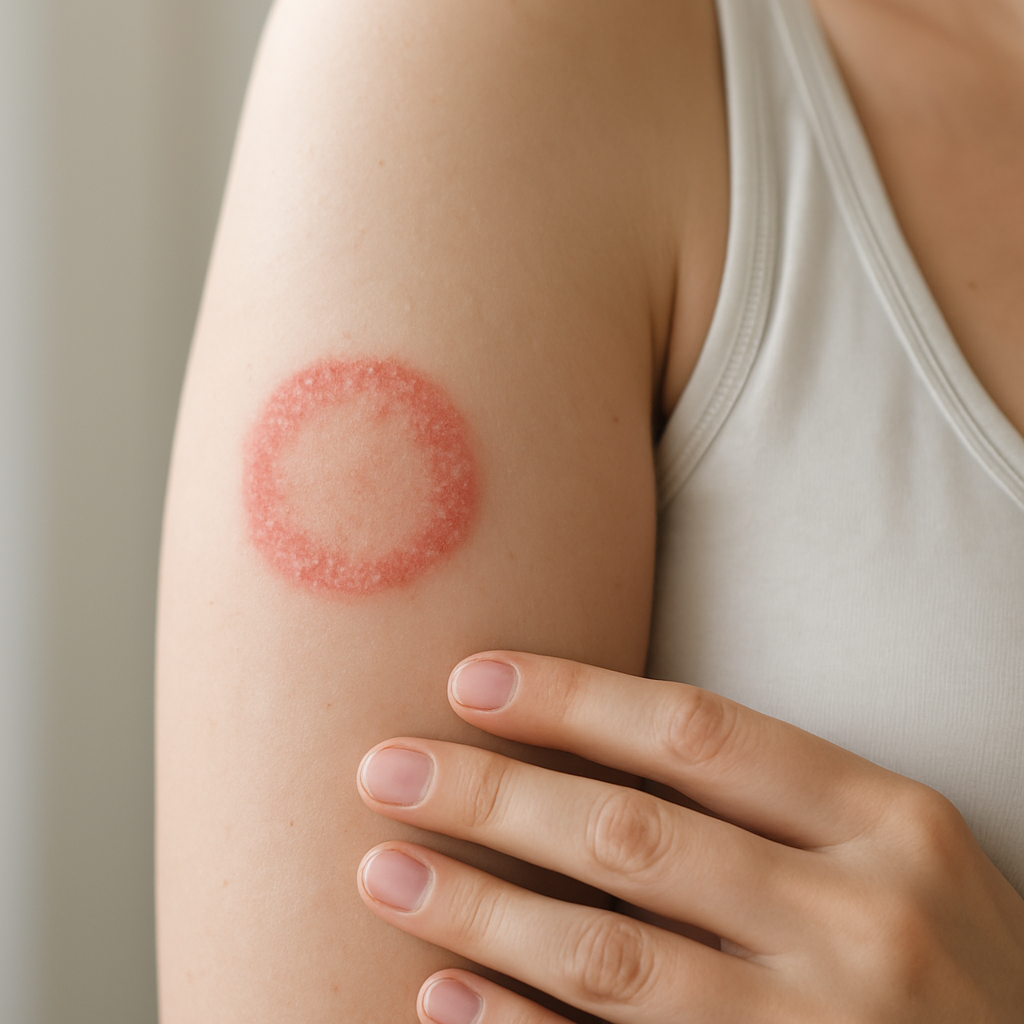
Common scenarios include sharing gym equipment, walking barefoot in locker rooms, and borrowing hair brushes or nail clippers. Athletes frequently develop ringworm through wrestling mats and shared protective gear. Families often pass infections through bathroom towels and bedding.
While fungal infections rarely cause permanent scarring when treated properly, they spread easily in households. The good news is that most respond quickly to antifungal treatments, clearing your skin within weeks and restoring your confidence in social situations.
Environmental Sources of Fungal Infections

Fungi love warm, moist environments where they can multiply rapidly and spread to unsuspecting hosts. These microscopic organisms thrive in places where humidity levels stay high and temperatures remain moderate.
“Fungi can survive on surfaces for weeks, waiting for the right opportunity to infect your skin.”
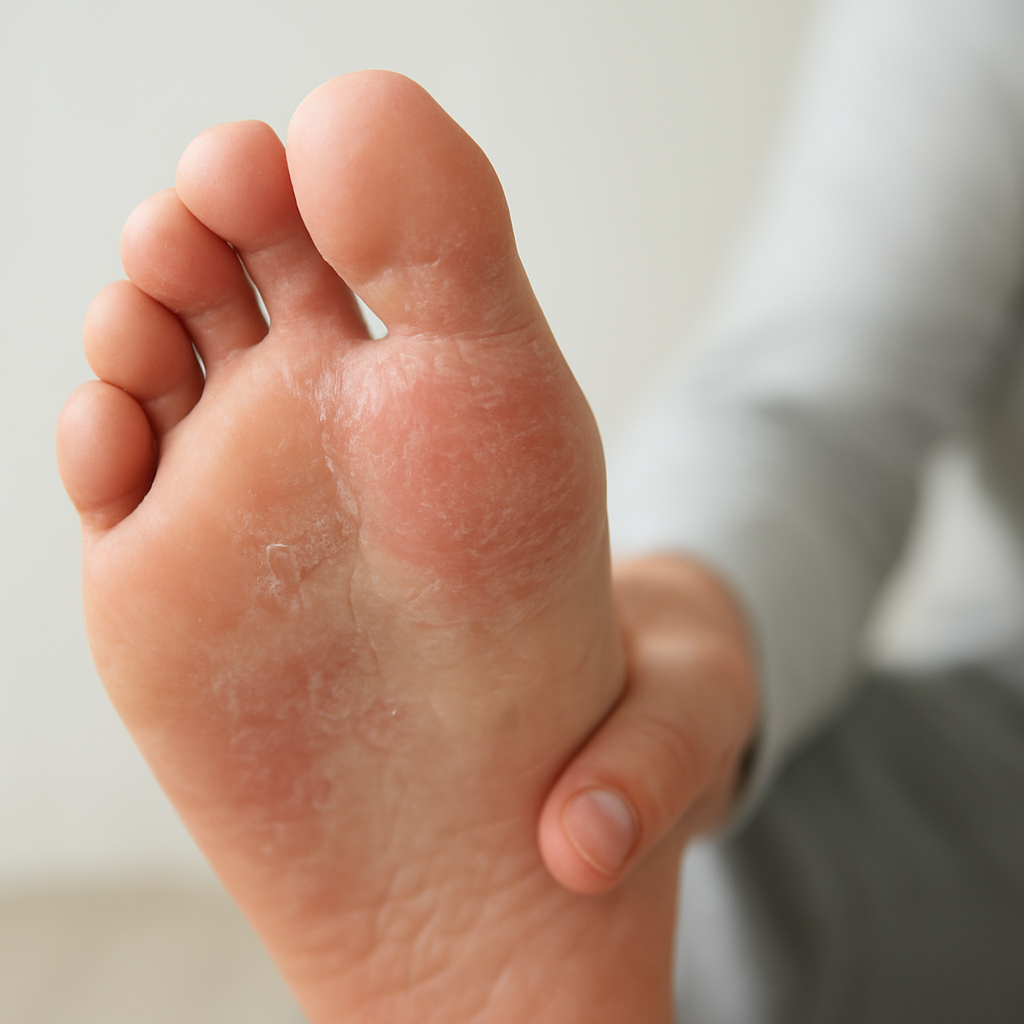
Public facilities pose significant risks for fungal transmission. Gym locker rooms, swimming pools, public showers, and spa facilities create perfect breeding grounds. Walking barefoot in these areas exposes your feet to athlete's foot and toenail fungus. Sharing towels, yoga mats, or exercise equipment can transfer ringworm and other skin infections.
Your home isn't immune to contamination either. Damp bathrooms, sweaty shoes, and humid basements harbor fungal spores. Poor ventilation traps moisture, allowing fungi to flourish on surfaces you touch daily. While most fungal infections are treatable and won't cause permanent scarring, early identification prevents complications and speeds recovery.
Factors That Increase Transmission Risk
Your skin's ability to fight off fungal infections depends on several key factors that either strengthen or weaken your natural defenses. Understanding these risk factors helps you recognize when you're most vulnerable to infection.
Compromised skin barriers create the easiest entry points for fungi. Cuts, scratches, cracked skin, and chronic conditions like Atopic Dermatitis (eczema) break down your skin's protective barrier. This chronic inflammatory condition affects 15-20% of children worldwide and creates dry, inflamed patches that fungi can easily penetrate.
Immune system factors play a crucial role in fungal resistance. Diabetes, pregnancy, certain medications, and stress all weaken your body's ability to fight infections. Lifestyle factors like excessive sweating, tight clothing, poor hygiene, and sharing personal items in communal spaces further increase your transmission risk.
Breaking the Transmission Cycle

Stopping fungal infections requires consistent action across three key areas. Simple changes to your daily routine can prevent the embarrassing recurrence that many people fear.
Wash affected areas with antifungal soap, dry completely, and change clothes daily.
Disinfect shoes, wash bedding in hot water weekly, and reduce moisture in living spaces.
See a dermatologist when over-the-counter treatments fail after two weeks.
For example, athlete's foot spreads through contaminated gym floors, but wearing flip-flops in showers and applying antifungal powder daily breaks this cycle effectively. Early treatment prevents permanent nail damage and reduces treatment time from months to weeks.
Common Misconceptions About Fungal Transmission
Many people believe fungal infections spread through casual contact like handshakes or hugs. This myth creates unnecessary social anxiety. Fungal infections require specific conditions to transmit—direct skin contact with infected areas, sharing contaminated items, or exposure to warm, moist environments where fungi thrive.
Another common misconception suggests that fungal infections indicate poor hygiene. While cleanliness helps prevent infections, even people with excellent hygiene can develop fungal problems. These infections don't cause permanent scarring when treated properly and promptly.
Swimming pools and gym equipment don't automatically cause infections—fungi need time to establish themselves on your skin. Regular washing and keeping skin dry remain your best defense against transmission.
Understanding how fungal infections actually spread helps you take targeted prevention steps without unnecessary worry about social contact.
Frequently Asked Questions
How do fungal infections spread between people?
Fungal skin infections spread through direct skin-to-skin contact and by sharing contaminated personal items like towels, shoes, or clothing. When you touch someone's infected skin or use their belongings, fungal spores transfer to your skin and begin growing in warm, moist environments. Common scenarios include sharing gym equipment, walking barefoot in locker rooms, and borrowing hair brushes or nail clippers.
Where are you most likely to get a fungal infection?
Public facilities like gym locker rooms, swimming pools, public showers, and spa facilities pose significant risks for fungal transmission because they create perfect breeding grounds for fungi. Your home can also be a source of contamination, particularly damp bathrooms, sweaty shoes, and humid basements where poor ventilation traps moisture. Fungi thrive in warm, moist environments where they can multiply rapidly and spread to unsuspecting hosts.
What makes some people more likely to get fungal infections?
Compromised skin barriers from cuts, scratches, cracked skin, and chronic conditions like eczema make it easier for fungi to penetrate your skin's protective barrier. Immune system factors like diabetes, pregnancy, certain medications, and stress weaken your body's ability to fight infections. Lifestyle factors such as excessive sweating, tight clothing, poor hygiene, and sharing personal items in communal spaces further increase transmission risk.
How long can fungal spores survive on surfaces?
Fungal spores can survive on surfaces for weeks, waiting for the right conditions to infect new hosts. These microscopic organisms are particularly resilient and can remain viable on gym equipment, towels, shoes, and other personal items for extended periods. This is why it's important to avoid sharing personal items and properly clean surfaces that may be contaminated.
Do fungal infections cause permanent damage to skin?
Fungal infections rarely cause permanent scarring when treated properly with antifungal treatments. Most infections respond quickly to treatment, clearing your skin within weeks and restoring your confidence in social situations. While the infections are generally treatable and won't cause permanent scarring, early identification helps prevent complications and speeds recovery.
Disclaimer: This content is for informational purposes only and does not constitute medical advice. Always consult a qualified healthcare provider before making health decisions.