What Is Jock Itch (Tinea Cruris)?

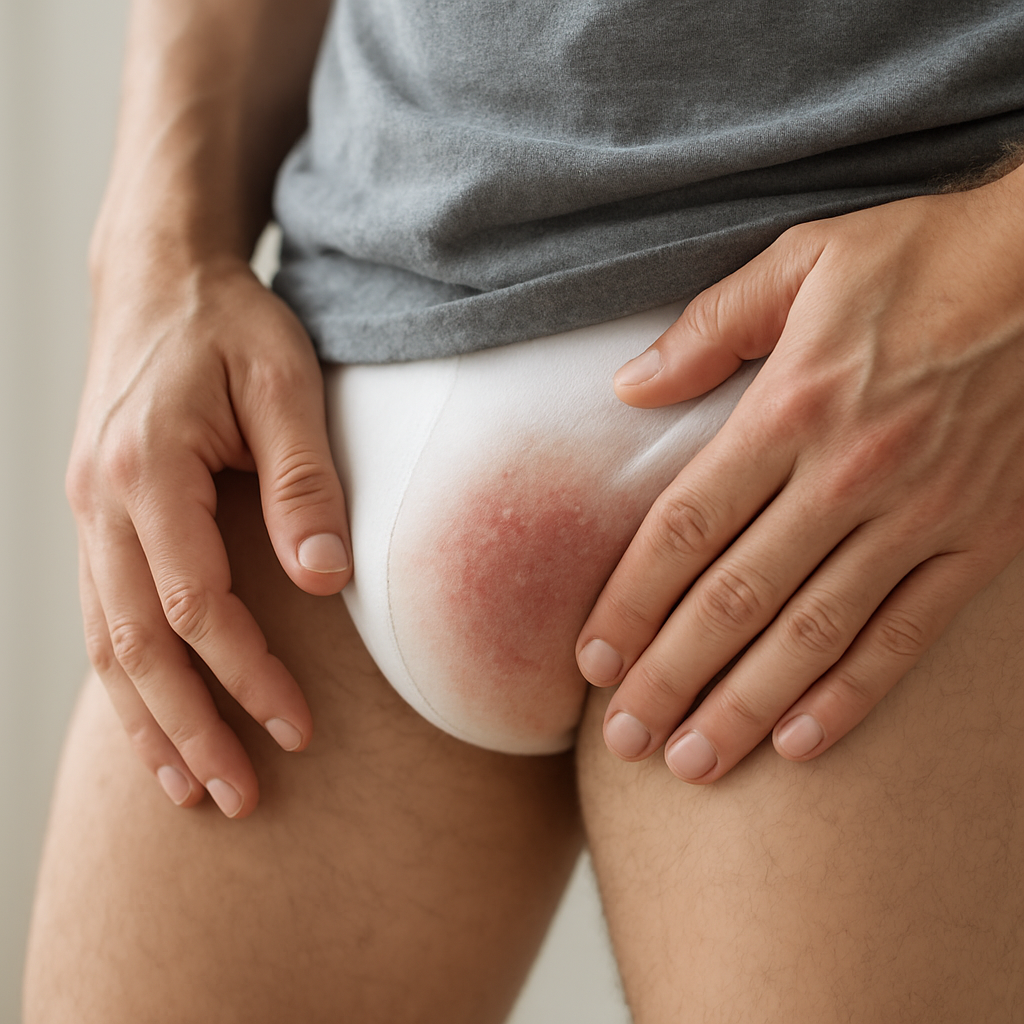
Jock itch, medically known as tinea cruris, is a common fungal infection that affects the warm, moist areas of your groin, inner thighs, and buttocks. This condition creates a characteristic ring-shaped rash with raised, scaly borders that can appear red or brown depending on your skin tone.
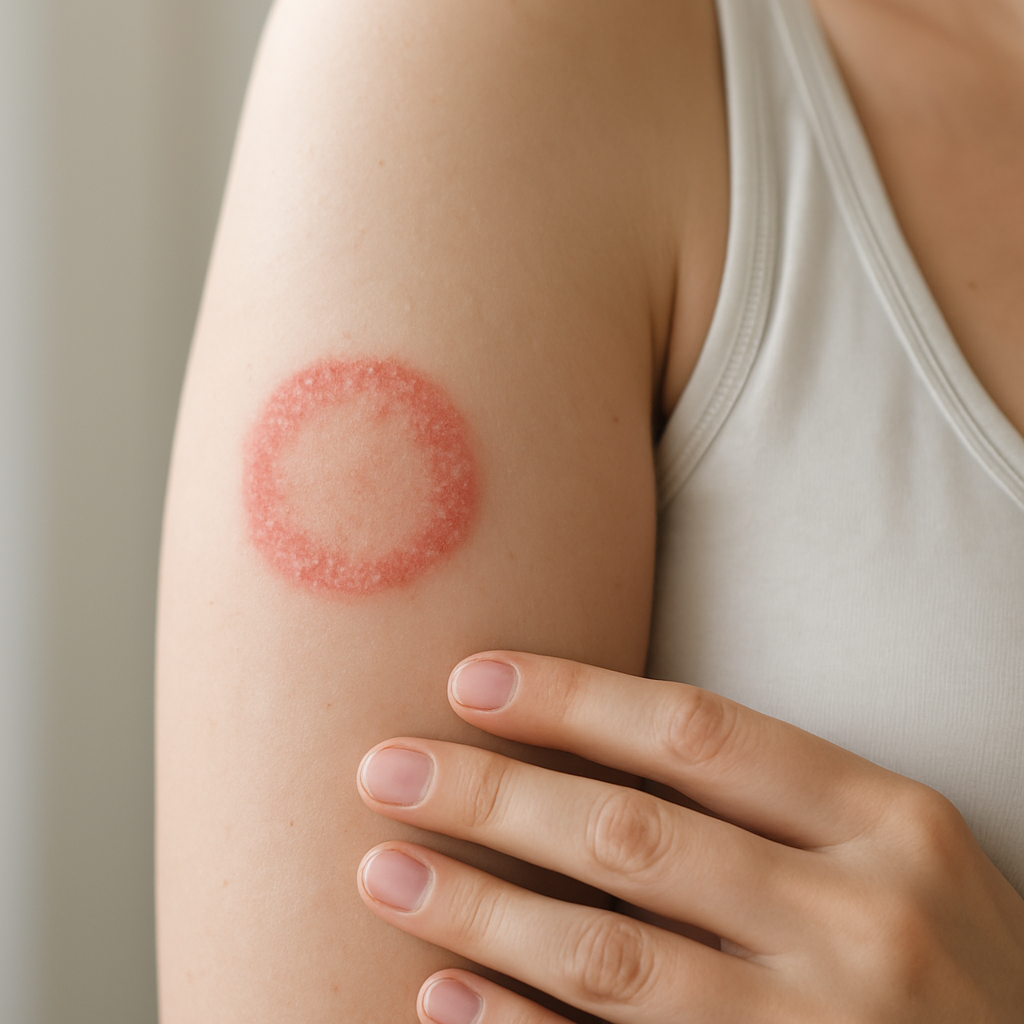
“Jock itch creates a distinctive ring-shaped pattern that helps doctors identify it from other skin conditions.”
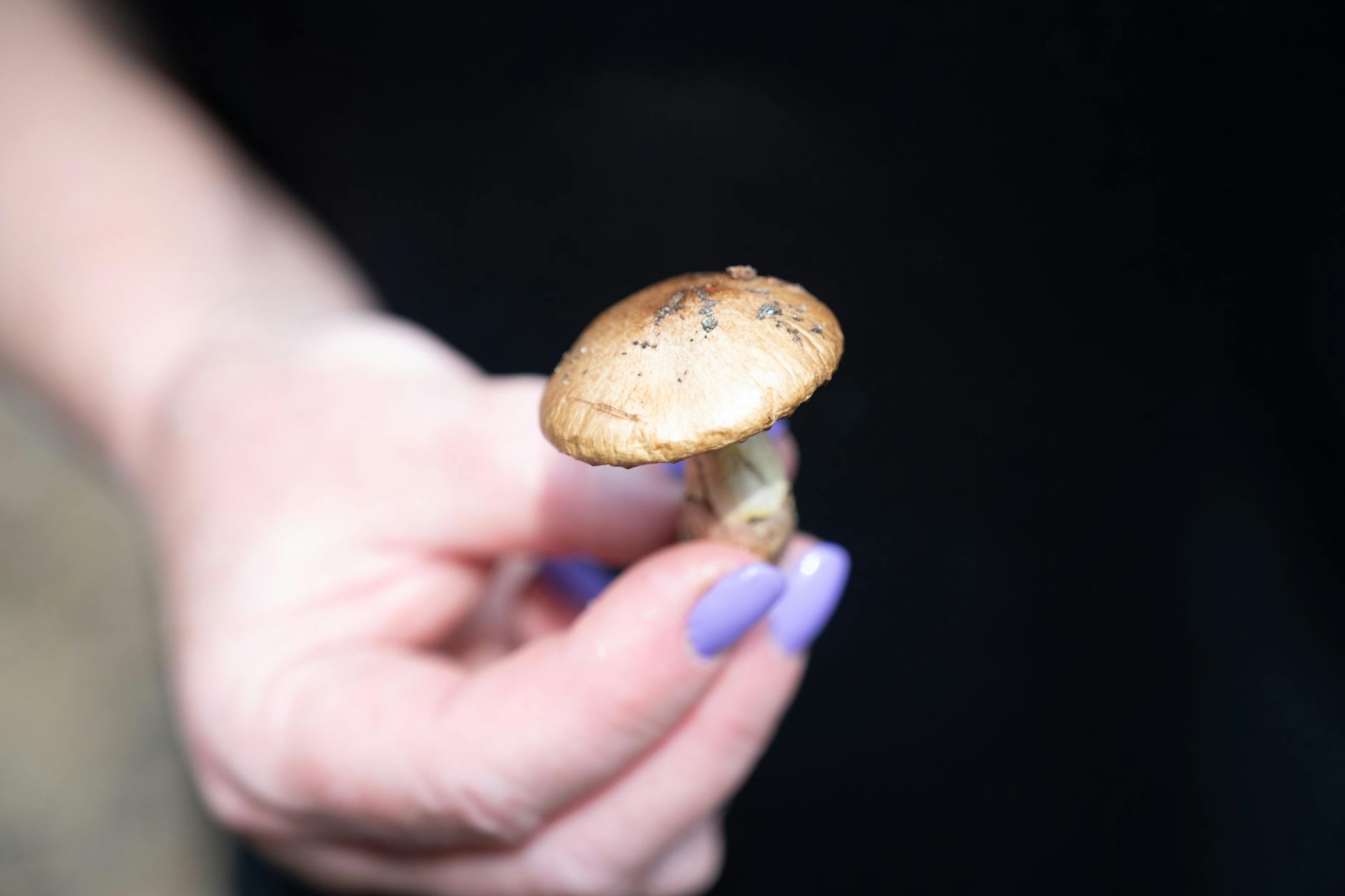
The infection stems from dermatophytes, a group of fungi that thrive in warm, humid environments. The most common culprits include Trichophyton rubrum and Epidermophyton floccosum, which feed on keratin found in your skin cells. These organisms flourish in areas where skin rubs against skin, creating the perfect breeding ground in your groin area.
While jock itch can cause significant discomfort and embarrassment, it rarely leads to permanent scarring when treated promptly and properly. The rash typically starts small and gradually spreads outward, forming the telltale ring pattern. You might notice the center of the rash clearing as it expands, leaving a raised border that marks the active infection zone.
Recognizing the Symptoms

Jock itch presents with distinct symptoms that help you identify the condition early. The hallmark sign is intense itching and burning in the groin area, often accompanied by a stinging sensation that worsens with moisture and friction.
“The characteristic ring-shaped patches with raised, scaly borders make jock itch distinguishable from other common skin conditions.”
The rash typically appears as red, scaly patches with well-defined borders that form ring-like shapes. These patches often have a raised, inflamed outer edge while the center may appear clearer or less affected. You might notice flaking or peeling skin around the infected area, sometimes producing a musty or unpleasant odor.
Understanding what jock itch isn't can prevent misdiagnosis and unnecessary worry about permanent damage. Unlike Atopic Dermatitis, which causes dry, itchy patches primarily on the face, neck, and inner elbows in a chronic pattern, jock itch stays localized to warm, moist areas. Plaque Psoriasis creates thick, silvery-scaled patches mainly on elbows, knees, and scalp, while jock itch produces thinner scales in the groin region.
The good news is that jock itch rarely causes permanent scarring when treated properly. Most symptoms resolve completely within two to four weeks with appropriate antifungal treatment, leaving your skin clear and healthy.
Root Causes and Risk Factors
Jock itch develops when a fungus called Trichophyton rubrum finds the perfect breeding ground in your groin area. This fungus thrives in warm, moist environments where it can multiply rapidly and break down the outer layer of your skin, creating that characteristic red, scaly rash.
Your clothing choices and daily habits play a major role in creating these ideal fungal conditions. Tight-fitting underwear, athletic wear, and synthetic fabrics trap moisture and heat against your skin. When you sweat during exercise or hot weather, this moisture becomes trapped, creating a greenhouse effect that fungi absolutely love.
Certain health conditions make you more susceptible to jock itch. Obesity creates skin folds that trap moisture, while diabetes elevates your blood sugar levels, providing extra fuel for fungal growth. A weakened immune system from illness or medication also reduces your body's natural ability to fight off infections.
Men develop jock itch more frequently than women, particularly athletes and people who work in hot environments. The good news is that jock itch rarely causes permanent scarring when treated properly, so you can focus on clearing your skin without worrying about lasting damage.
Treatment Options That Work
The good news about jock itch is that it responds well to treatment when you use the right approach. Most cases clear up within two to four weeks with proper antifungal therapy, and while the infection can look concerning, it rarely causes permanent scarring when treated promptly.
Topical antifungal creams serve as the first line of defense against jock itch. Over-the-counter options like terbinafine (Lamisil) and clotrimazole (Lotrimin) work by killing the fungus directly at the source. Apply the cream to clean, dry skin, extending about an inch beyond the visible rash. Continue treatment for at least one week after symptoms disappear to prevent recurrence.
For severe or persistent infections, doctors may prescribe oral antifungal medications like fluconazole or itraconazole. These systemic treatments attack the fungus from within your body and prove especially effective when the infection spreads beyond the groin area.
Prevention becomes crucial once you've experienced jock itch. Antifungal powders containing miconazole help keep the groin area dry and create an inhospitable environment for fungal growth. Apply powder daily after showering, focusing on skin folds where moisture collects.
Daily hygiene habits support your treatment efforts. Wash the affected area with antibacterial soap, dry thoroughly with a clean towel, and wear loose-fitting, breathable cotton underwear. Change clothes immediately after sweating, and avoid sharing towels or personal items that touch the infected area.
Prevention and Long-Term Management

Preventing jock itch recurrence requires consistent daily habits that keep your groin area clean and dry. The good news is that with proper prevention strategies, most people can avoid future outbreaks entirely and maintain healthy skin long-term.
Shower immediately after sweating and dry thoroughly with a clean towel, paying special attention to skin folds.
Wear loose-fitting, moisture-wicking underwear made from synthetic fabrics or merino wool rather than cotton.
Use antifungal powder in shoes, wash gym clothes in hot water, and never share towels or clothing.
Change underwear daily and after any physical activity. Keep your living spaces well-ventilated and avoid sitting in wet bathing suits or sweaty clothes for extended periods.
See a dermatologist if symptoms persist beyond two weeks of treatment, spread to other body areas, or if you experience severe itching with open sores. Professional evaluation ensures proper diagnosis and prevents complications.
How Jock Itch Compares to Other Fungal Infections
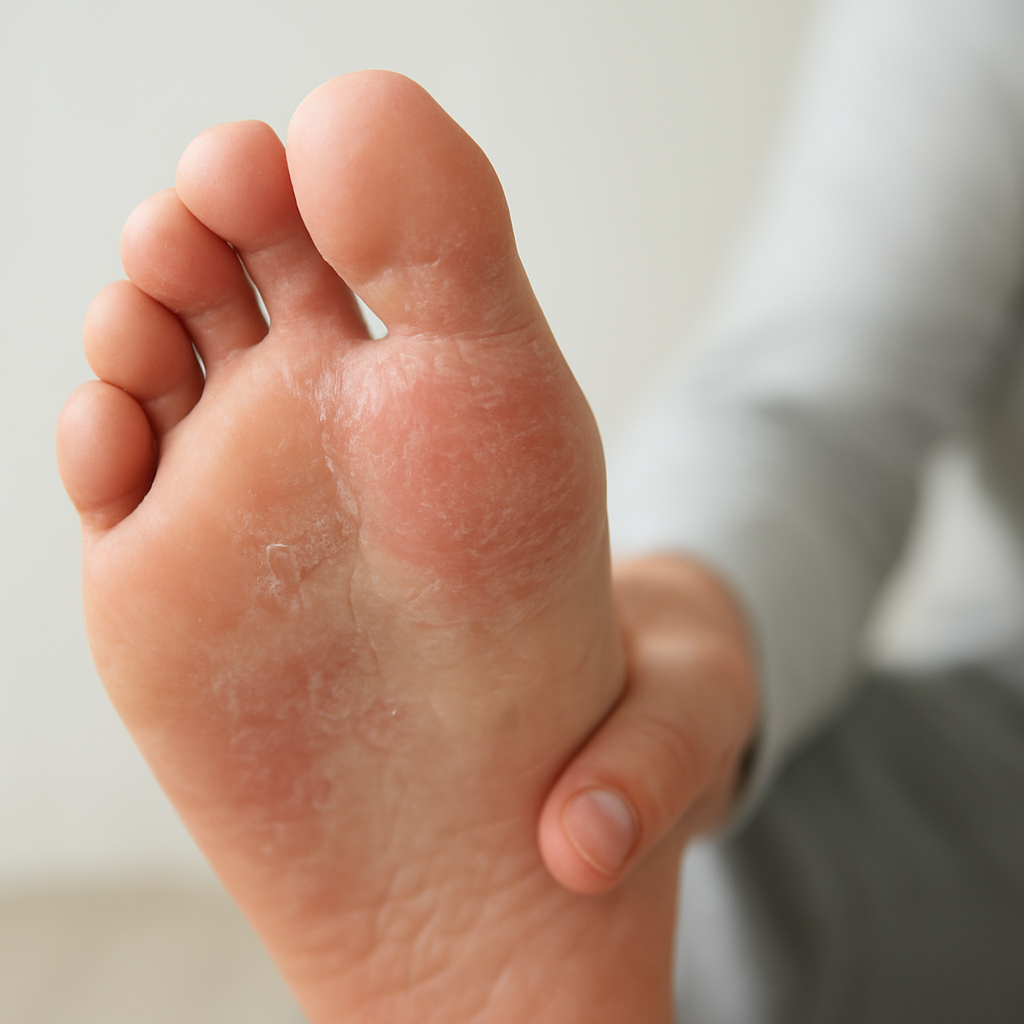
Jock itch belongs to a family of fungal skin infections caused by dermatophytes, the same fungi responsible for athlete's foot and ringworm. These conditions share many characteristics but affect different body areas and require slightly different approaches.
The location makes the biggest difference. Athlete's foot targets feet and toes, ringworm appears anywhere on the body as circular patches, while jock itch specifically affects the groin area. All three cause similar symptoms: itching, redness, scaling, and burning sensations. The warm, moist environments these fungi prefer explain why they cluster in areas like feet, groin folds, and skin creases.
Treatment approaches overlap significantly. The same antifungal creams that clear jock itch often work for athlete's foot and ringworm. However, jock itch may require longer treatment periods due to the consistently warm, humid groin environment. Body ringworm typically responds faster than groin infections.
Understanding these connections helps you recognize that effective jock itch treatment won't cause permanent scarring, and the same prevention strategies protect against all fungal skin infections.
Jock itch is part of a treatable family of fungal infections that respond to the same proven antifungal treatments without causing permanent skin damage.
Frequently Asked Questions
What is jock itch?
Jock itch, medically known as tinea cruris, is a common fungal infection that affects the warm, moist areas of your groin, inner thighs, and buttocks. This condition creates a characteristic ring-shaped rash with raised, scaly borders that can appear red or brown depending on your skin tone. The infection stems from dermatophytes, a group of fungi that thrive in warm, humid environments, most commonly Trichophyton rubrum and Epidermophyton floccosum.
What are the symptoms of jock itch?
The hallmark sign of jock itch is intense itching and burning in the groin area, often accompanied by a stinging sensation that worsens with moisture and friction. The rash typically appears as red, scaly patches with well-defined borders that form ring-like shapes with raised, inflamed outer edges. You might also notice flaking or peeling skin around the infected area, sometimes producing a musty or unpleasant odor.
What causes jock itch?
Jock itch develops when a fungus called Trichophyton rubrum finds the perfect breeding ground in your groin area. This fungus thrives in warm, moist environments where it can multiply rapidly and break down the outer layer of your skin. Your clothing choices and daily habits play a major role, as tight-fitting underwear, athletic wear, and synthetic fabrics trap moisture and heat against your skin.
Does jock itch cause permanent scarring?
Jock itch rarely leads to permanent scarring when treated promptly and properly. Most symptoms resolve completely within two to four weeks with appropriate antifungal treatment, leaving your skin clear and healthy. While the condition can cause significant discomfort and embarrassment, proper treatment prevents long-term skin damage.
Who is most likely to get jock itch?
Men account for 75% of jock itch cases, making them significantly more susceptible to this fungal infection. People with diabetes have twice the risk of developing jock itch compared to those without the condition. Obesity also increases susceptibility as it creates skin folds that trap moisture, providing ideal conditions for fungal growth.
Disclaimer: This content is for informational purposes only and does not constitute medical advice. Always consult a qualified healthcare provider before making health decisions.