Understanding Your Risk Factors

Certain factors make you more vulnerable to developing fungal skin infections, and recognizing them helps you take targeted prevention steps. Warm, moist environments create perfect breeding grounds for fungi—think sweaty gym clothes, wet swimwear, or humid weather conditions.
“Your skin's natural barrier acts as your first line of defense against fungal invaders.”
Compromised skin barriers significantly increase your infection risk. Conditions like Atopic Dermatitis, which affects 15-20% of children worldwide, create cracks and irritation that allow fungi easy entry points. These dry, inflamed patches become vulnerable zones requiring extra attention.
Shared spaces and equipment pose additional threats. Locker rooms, public pools, and communal showers harbor fungi that spread through direct contact. Medical conditions like diabetes, weakened immune systems, or taking antibiotics also elevate your susceptibility by disrupting your body's natural defenses against fungal growth.
Essential Daily Hygiene Practices

Creating an environment where fungi cannot thrive starts with smart daily habits. These simple changes protect your skin without complicated routines or expensive products.
“Moisture is fungus food—your goal is keeping skin clean and dry.”
Pat skin completely dry after showers, especially between toes, under breasts, and in skin folds.
Wear cotton underwear and moisture-wicking socks that allow air circulation.
Never walk barefoot in public showers, pools, or locker rooms where fungi thrive.
Use gentle, fragrance-free moisturizers on clean, dry skin to prevent cracks where fungi enter.
These practices prevent the embarrassing patches and persistent itching that make you want to hide. Consistency matters more than perfection—even small improvements reduce your infection risk significantly.
High-Risk Environment Prevention
Public facilities like gyms, pools, and locker rooms create perfect breeding grounds for fungal infections. The warm, moist environments combined with heavy foot traffic make these spaces particularly dangerous for developing athlete's foot, ringworm, and other fungal conditions that can cause lasting skin damage.
Never walk barefoot in these facilities. Wear flip-flops or water shoes in locker rooms, pool areas, and communal showers. Wipe down equipment before and after use with provided sanitizing wipes, focusing on surfaces that contact your skin directly.
Immediately after your workout or swim, shower thoroughly with antifungal soap and dry completely. Change out of sweaty clothes right away and wash them in hot water. These simple protocols significantly reduce your infection risk while maintaining your active lifestyle.
When Skin Conditions Increase Risk
Existing skin conditions create compromised skin barriers that make fungal infections more likely to take hold and harder to prevent. When your skin's natural defense system is already weakened, you need extra protection strategies to avoid the permanent scarring and social embarrassment these infections can cause.
Acne Vulgaris and Cystic Acne damage your skin through inflammation and bacterial overgrowth, creating openings for fungal organisms. Atopic Dermatitis disrupts your skin's protective barrier function, allowing moisture loss and pathogen entry. These conditions require gentle cleansing routines, antimicrobial products specifically chosen for sensitive skin, and careful attention to moisture balance.
Working with dermatologists becomes essential when managing multiple skin conditions simultaneously, as they can recommend compatible treatments that address both your primary condition and fungal prevention needs.
Warning Signs to Watch For

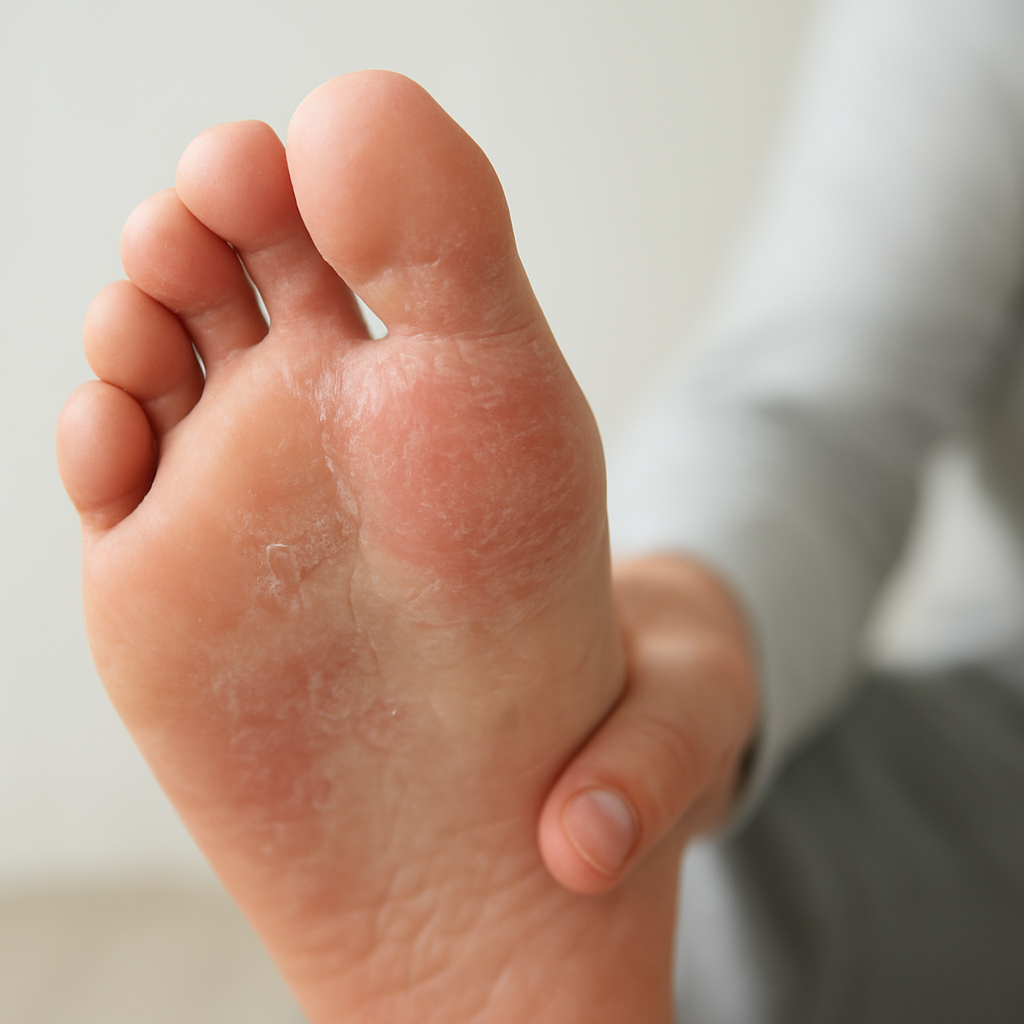
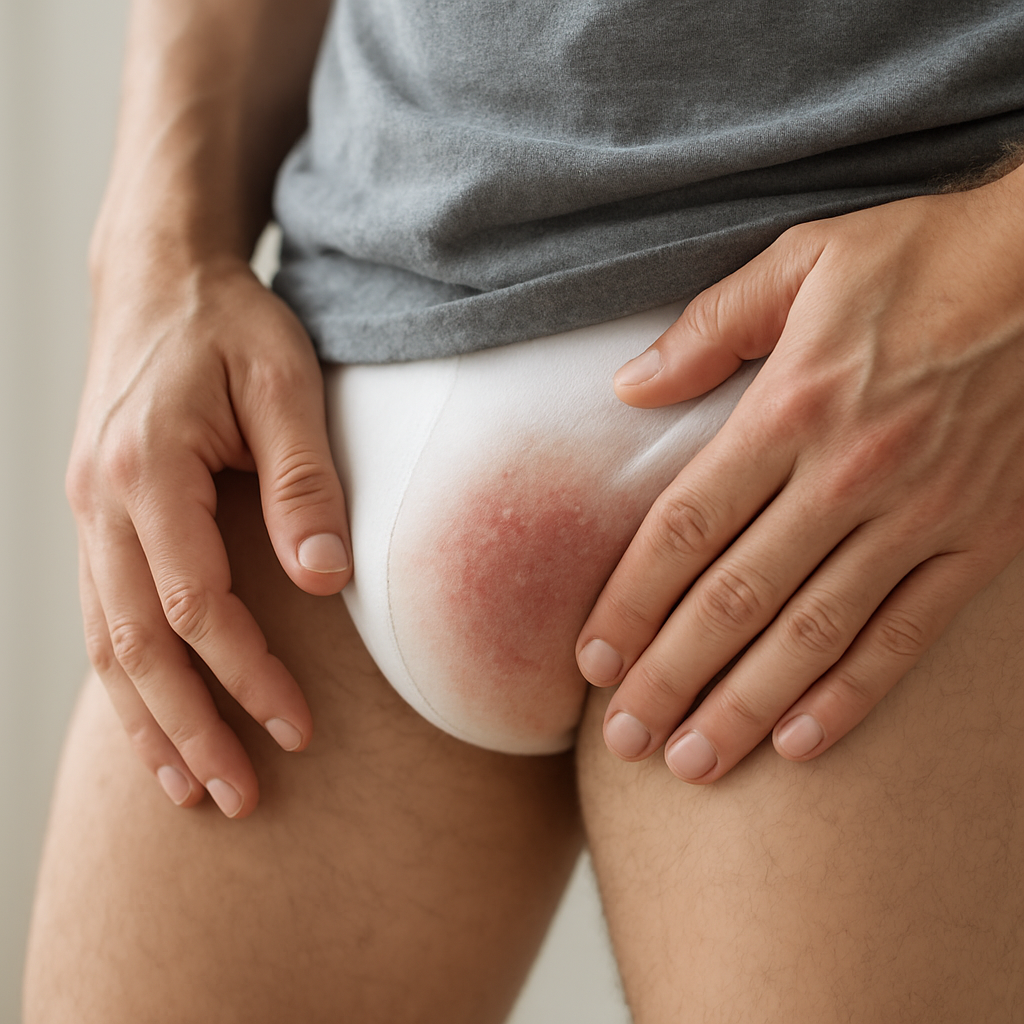
Early fungal infections start with subtle changes that are easy to miss. Watch for persistent itching, redness, or scaling that doesn't improve with regular moisturizers. Fungal infections typically begin in warm, moist areas like between toes or in skin folds.
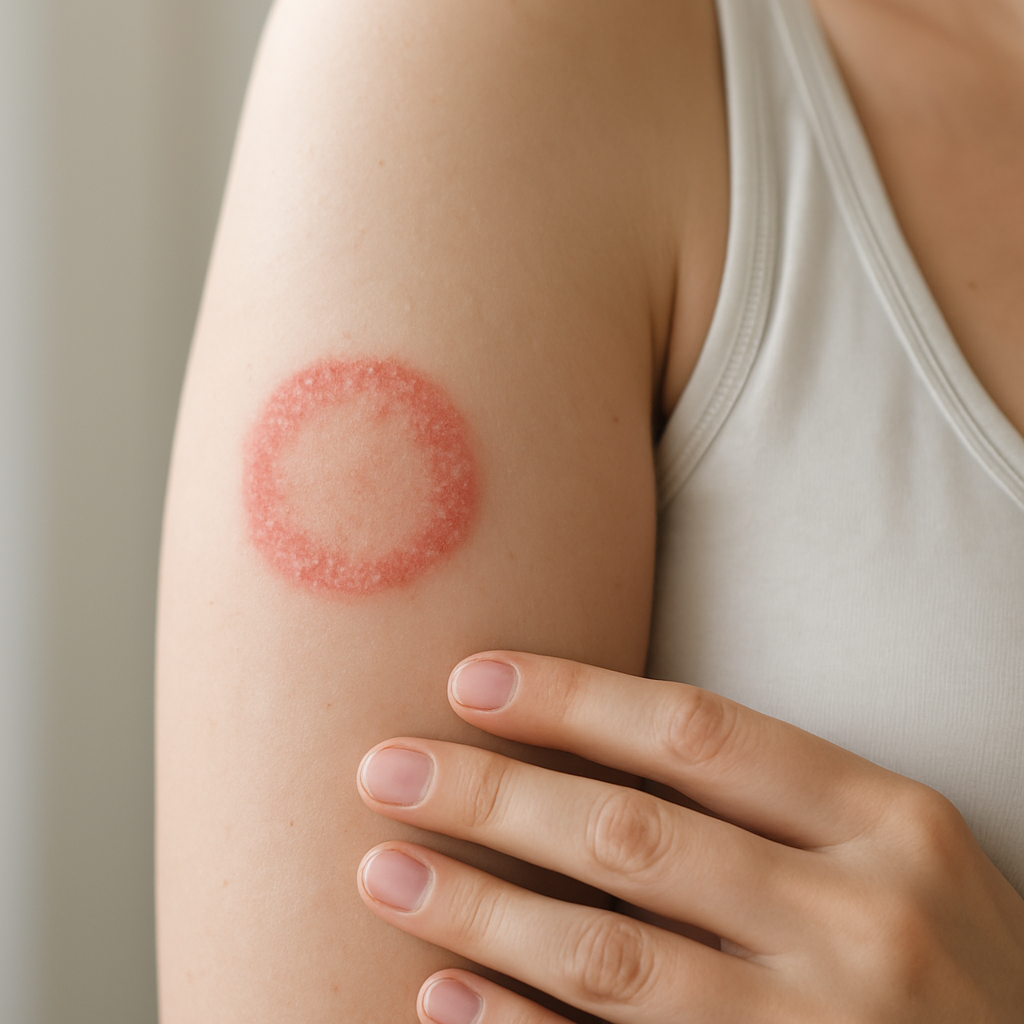
See a healthcare provider if symptoms persist beyond a week or worsen despite basic care. Unlike conditions such as Plaque Psoriasis, which causes thick silvery scales and appears on elbows and knees, fungal infections create circular patterns with raised, scaly borders and clear centers.
Don't wait if you notice spreading patches, cracking skin, or unusual odors. Early treatment prevents permanent scarring and reduces embarrassment from visible symptoms spreading to exposed areas.
Creating Your Prevention Routine
Building a simple prevention routine protects your skin from future fungal infections and helps you maintain the clear, healthy appearance you want. Start with these daily basics: shower immediately after workouts, dry completely between toes and skin folds, change into clean clothes, and apply antifungal powder to problem areas.
Keep skin clean and dry throughout the day.
Wash shoes, bedding, and towels in hot water.
Switch to breathable fabrics in summer and moisture-wicking materials year-round.
Consistent daily hygiene and weekly deep cleaning prevent most fungal infections from developing.
Frequently Asked Questions
What makes someone more likely to get a fungal skin infection?
Warm, moist environments like sweaty gym clothes and humid weather create perfect breeding grounds for fungi. Compromised skin barriers from conditions like Atopic Dermatitis provide easy entry points for fungi. Medical conditions like diabetes, weakened immune systems, or taking antibiotics also increase your susceptibility by disrupting your body's natural defenses.
How should I dry my skin to prevent fungal infections?
Pat your skin completely dry after showers, paying special attention to areas between toes, under breasts, and in skin folds where moisture can get trapped. Moisture is essentially food for fungus, so keeping these areas thoroughly dry is crucial for prevention.
What should I wear to prevent fungal skin infections?
Choose breathable fabrics like cotton underwear and moisture-wicking socks that allow proper air circulation. These materials help keep your skin dry and create an environment where fungi cannot thrive.
Should I walk barefoot in public pools and locker rooms?
Never walk barefoot in public showers, pools, or locker rooms where fungi thrive, as this increases your infection risk by 12 times. Always wear flip-flops or water shoes in these facilities to protect your feet from fungal exposure.
How long can fungi survive on gym equipment and surfaces?
Fungi can survive on surfaces for up to 48 hours, with 75% of gym-goers being exposed to fungi in these environments. This is why it's important to wipe down equipment before and after use with sanitizing wipes and shower immediately after workouts.
Disclaimer: This content is for informational purposes only and does not constitute medical advice. Always consult a qualified healthcare provider before making health decisions.