What Is Ringworm (Dermatophytosis)?

Despite its name, ringworm has nothing to do with worms. The medical term dermatophytosis describes a contagious fungal infection that affects your skin, hair, and nails. This common skin condition gets its misleading name from the characteristic circular, scaly patches it creates on your skin.
“Ringworm is actually a fungal infection, not a parasitic worm, that creates distinctive ring-shaped patches on the skin.”
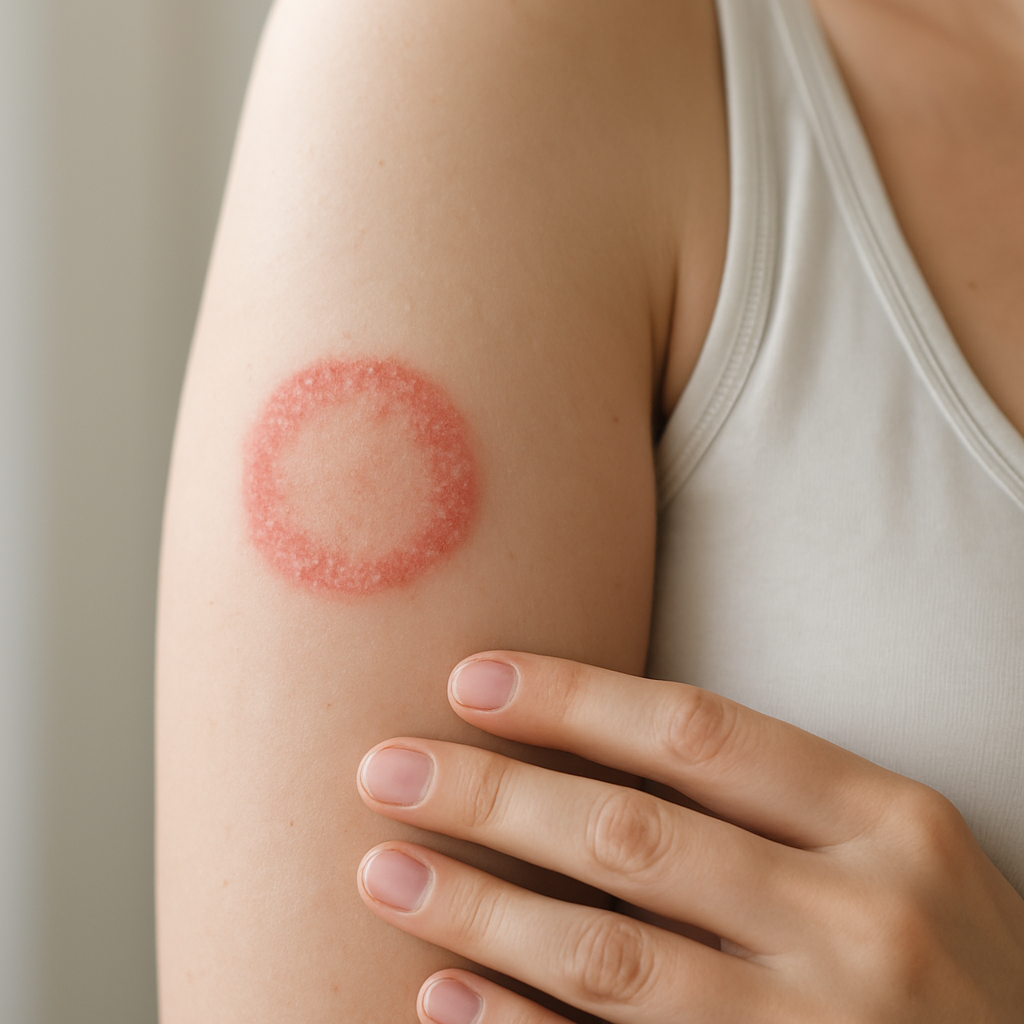
The infection presents as round or oval patches with raised, red borders that often look like rings. The center of these patches typically appears clearer or lighter than the surrounding skin, creating that telltale ring appearance. You might notice scaling, flaking, or even small blisters around the edges.
Understanding that ringworm is fungal, not parasitic, helps address concerns about permanent scarring. When treated properly and promptly, ringworm rarely leaves lasting marks on your skin. The fungus lives on dead tissue in your hair, nails, and outer skin layers, making it highly treatable with antifungal medications.
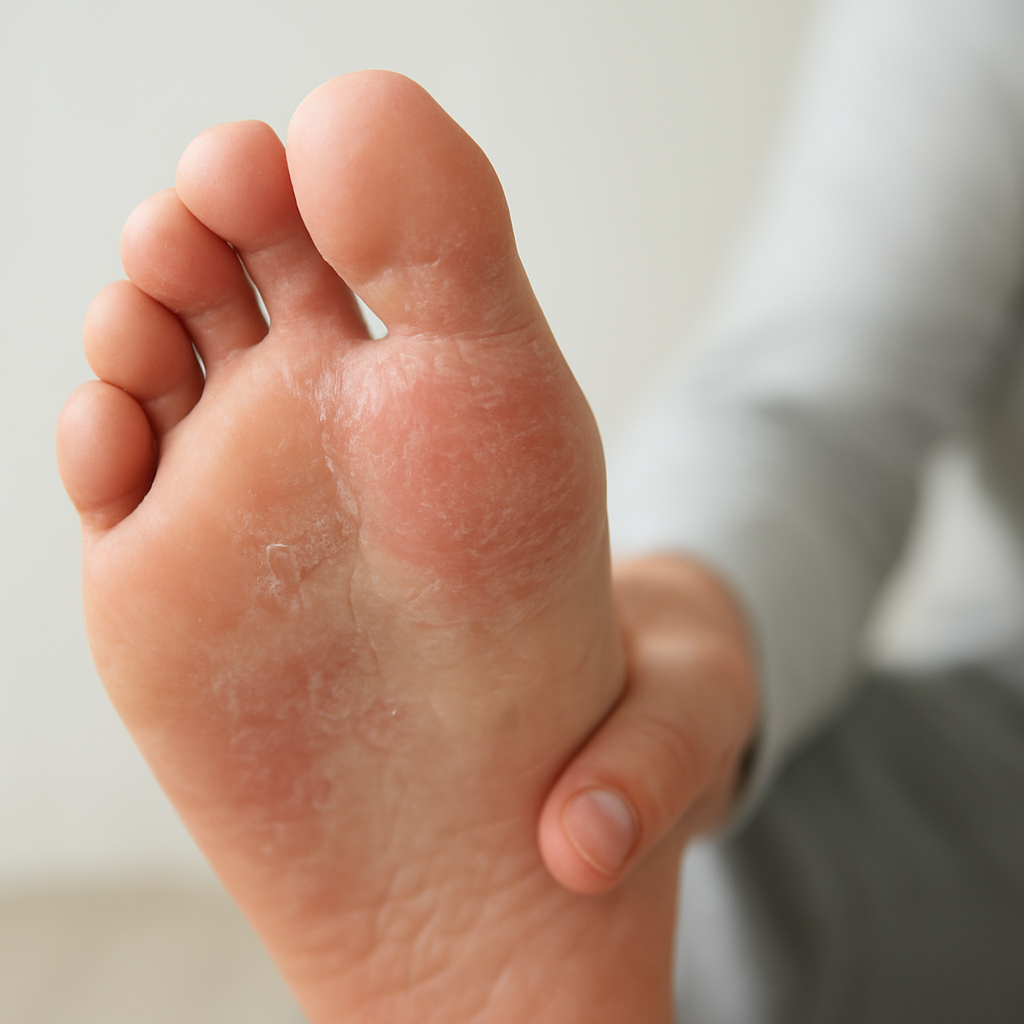
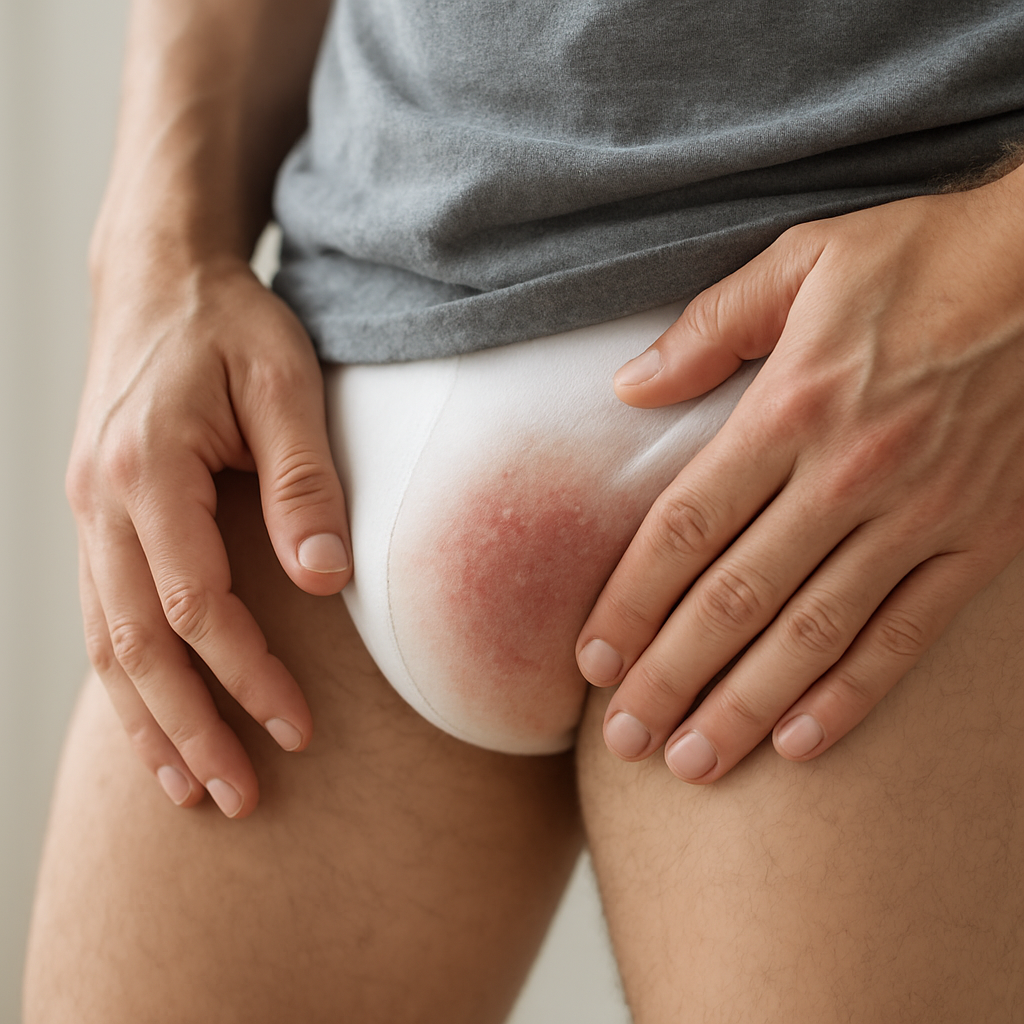
For example, athlete's foot and jock itch are both types of ringworm affecting specific body areas. The infection spreads through direct contact with infected people, animals, or contaminated surfaces like gym floors and towels.
Recognizing Ringworm Symptoms
Identifying ringworm early can prevent spread and reduce the risk of permanent scarring that many patients worry about. The classic presentation creates distinctive circular patches with raised, scaly borders and a clearer center area that gives ringworm its characteristic "ring" appearance.
"The telltale ring pattern with a raised border makes ringworm one of the most visually distinctive skin infections."
The affected skin typically appears red and inflamed, accompanied by persistent itching and burning sensations that can disrupt daily activities. When ringworm occurs on the scalp, it often causes patchy hair loss in circular areas, creating bald spots that gradually expand outward if left untreated.
Different body locations show varying presentations. On smooth skin areas like arms or legs, the classic ring pattern emerges clearly. However, facial ringworm may appear as irregular red patches without the typical circular border, making diagnosis more challenging.
Distinguishing ringworm from similar conditions requires careful observation. Unlike Atopic Dermatitis, which causes chronic inflammatory skin patches with intense itching typically on inner elbows and behind knees, ringworm creates distinct circular lesions that expand outward. Plaque Psoriasis presents thick, raised patches with silvery-white scales commonly on elbows and knees, contrasting with ringworm's thinner, expanding borders.
Early recognition allows for prompt antifungal treatment, which typically clears the infection within two to four weeks. The sooner you begin treatment, the faster you can achieve the clear skin you're seeking while preventing transmission to others or development of secondary bacterial infections.
What Causes Ringworm and How It Spreads

Despite its name, ringworm has nothing to do with worms. This common skin infection is caused by fungi called dermatophytes, which feed on keratin found in your skin, hair, and nails. The main culprits belong to three fungal families: Trichophyton, Microsporum, and Epidermophyton species.
These fungi thrive in warm, humid environments like locker rooms, swimming pools, and communal showers. They can survive on surfaces for months, waiting for the right opportunity to infect a new host.
Ringworm spreads through direct skin contact with infected people or animals. You can also catch it by sharing personal items like towels, clothing, hairbrushes, or sports equipment. Walking barefoot in contaminated areas increases your risk significantly.
Certain factors make you more susceptible to infection. People with compromised immune systems, diabetes, or excessive sweating face higher risks. Children are particularly vulnerable due to close contact during play and sports activities.
The good news is that ringworm responds well to treatment and rarely causes permanent scarring when addressed promptly. Understanding how it spreads helps you take preventive measures and reduces the social stigma often associated with fungal infections.
Where Ringworm Appears on Your Body
Ringworm gets different names depending on where it appears on your body, and each location creates distinct symptoms that help with identification.
Scalp ringworm, called tinea capitis, creates round patches of hair loss with broken hair stubble. The affected areas often look scaly and may develop black dots where hair has broken off at the scalp surface. This type primarily affects children and can cause temporary hair loss that grows back with proper treatment.
Body ringworm, known as tinea corporis, forms the classic ring-shaped patches on your torso, arms, or legs. These circular lesions have raised, scaly borders with clearer skin in the center, creating the distinctive "ring" appearance that gives the infection its name.
Groin ringworm, or jock itch, appears as red, itchy patches in skin folds. Athlete's foot affects the spaces between toes and creates peeling, cracking skin. Nail ringworm causes thick, discolored, crumbly nails that may separate from the nail bed.
Beard ringworm in men creates patchy hair loss with inflammation around hair follicles. The location of your infection affects treatment duration and complexity, but none cause permanent scarring when treated properly and promptly.
Ringworm vs Other Skin Conditions
Many skin conditions can look surprisingly similar to ringworm, leading to confusion and potentially inappropriate treatment. Understanding these differences helps you get the right care and avoid unnecessary worry about permanent scarring.
Atopic Dermatitis appears as dry, scaly patches that itch intensely but lack ringworm's characteristic raised, circular border with central clearing. Eczema patches often occur in areas like inner elbows and behind knees, while ringworm can appear anywhere on the body with its distinctive ring shape.
Acne Vulgaris creates blackheads, whiteheads, and pustules primarily on the face, chest, and back. Cystic Acne forms deep, painful nodules, while Hormonal Acne typically appears along the jawline and chin. Neither creates the expanding ring pattern that defines ringworm.
Plaque Psoriasis develops thick, silvery-scaled patches with well-defined borders, most commonly on elbows, knees, and scalp. These plaques remain stable in size, unlike ringworm's expanding rings that grow outward over time.
Remember that circular patches aren't always ringworm. Contact dermatitis from allergic reactions, nummular eczema, or even bug bites can create round lesions. The key identifying feature of ringworm is its raised, scaly border surrounding clearer skin in the center, combined with gradual expansion outward. When in doubt, see a dermatologist for proper diagnosis and treatment to prevent any potential complications.
Treatment Options for Ringworm
Most ringworm infections respond well to treatment, and with the right approach, you can clear the infection without permanent scarring or long-term complications. The key is starting treatment promptly and following through with the complete course.
Topical antifungal creams serve as the first-line treatment for most ringworm cases. Over-the-counter options like clotrimazole, terbinafine, or miconazole work effectively for mild to moderate infections. Apply the cream to the affected area and extend about one inch beyond the visible ring, continuing treatment for two weeks after the rash disappears to prevent recurrence.
Severe infections or those covering large areas may require oral antifungal medications. Your doctor might prescribe terbinafine, itraconazole, or griseofulvin for stubborn cases. These systemic treatments work from inside your body to eliminate the fungus completely.
Scalp ringworm always requires special attention since topical creams cannot penetrate hair follicles effectively. Antifungal shampoos containing ketoconazole help reduce spore spread, while oral medications handle the underlying infection. Use the medicated shampoo twice weekly while taking prescribed oral treatment.
Keeping the infected area clean and dry accelerates healing significantly. Wash with antibacterial soap daily, dry thoroughly, and wear loose-fitting clothes made from breathable fabrics. Change clothes and bedding frequently to prevent reinfection.
Most people see improvement within one week of starting treatment, with complete clearance taking two to four weeks. The ring-shaped rash typically fades from the outside edges inward, which is completely normal and shows the treatment is working.
Who Gets Ringworm and Prevention Tips

Ringworm affects millions of people worldwide, crossing all age groups and demographics. This common fungal infection doesn't discriminate based on race, gender, or socioeconomic status, though certain groups face higher risks.
Children experience ringworm more frequently than adults because their immune systems are still developing and they often share toys, clothing, and close contact with peers. Athletes face elevated risks due to shared locker rooms, equipment, and the warm, moist environments where fungi thrive.
Prevention starts with simple hygiene practices that can spare you the embarrassment and discomfort of infection. Wash your hands regularly, especially after touching animals or soil. Keep your skin clean and dry, particularly in areas where moisture accumulates like between toes and in skin folds.
Never share personal items like towels, clothing, brushes, or sports equipment. These objects can harbor fungal spores for weeks. In communal areas like gyms or pools, wear protective footwear and avoid walking barefoot.
Environmental modifications help too. Keep living spaces well-ventilated and dry. Wash bedding and clothing in hot water, and disinfect surfaces regularly. If you have pets, ensure they receive regular veterinary care since animals can transmit ringworm to humans without showing obvious symptoms themselves.
When to See a Healthcare Provider
Most ringworm infections clear up with over-the-counter antifungal treatments, but certain situations require professional medical attention. Recognizing these warning signs helps you get appropriate care before complications develop.
Schedule an appointment if your ringworm doesn't improve after two weeks of consistent over-the-counter treatment. Large patches covering significant areas of your body also warrant medical evaluation, as prescription medications may work more effectively than topical creams alone.
Watch for signs of bacterial infection, which can occur when scratching creates open wounds. These include increased redness spreading beyond the original ring, warmth to touch, pus or yellow discharge, red streaks extending from the affected area, or fever. These complications require immediate medical attention to prevent serious skin damage.
People with compromised immune systems, diabetes, or circulation problems should see a healthcare provider at the first sign of ringworm rather than attempting self-treatment.
After successful treatment, follow-up care helps prevent recurrence. Your provider may recommend continuing antifungal treatment for several weeks after symptoms disappear to ensure complete elimination of the fungus and reduce the risk of permanent scarring from repeated infections.
Seek medical attention if ringworm doesn't improve after two weeks of treatment or shows signs of bacterial infection.
Frequently Asked Questions
What is ringworm and is it actually caused by worms?
Despite its name, ringworm has nothing to do with worms. It's actually a contagious fungal infection caused by dermatophytes that affects your skin, hair, and nails. The infection gets its misleading name from the characteristic circular, scaly patches it creates on your skin that look like rings.
What does ringworm look like on the skin?
Ringworm appears as round or oval patches with raised, red borders that look like rings. The center of these patches typically appears clearer or lighter than the surrounding skin, creating the telltale ring appearance. You might also notice scaling, flaking, or small blisters around the edges of the affected area.
Does ringworm cause permanent scarring?
When treated properly and promptly, ringworm rarely leaves lasting marks on your skin. The fungus lives on dead tissue in your hair, nails, and outer skin layers, making it highly treatable with antifungal medications. Early recognition and treatment typically clear the infection within two to four weeks without permanent scarring.
How does ringworm spread from person to person?
Ringworm spreads through direct contact with infected people, animals, or contaminated surfaces like gym floors and towels. The fungi that cause ringworm thrive in warm, humid environments like locker rooms, swimming pools, and communal showers. These fungi can survive on surfaces for months, waiting for the right opportunity to infect a new host.
What are the main symptoms of ringworm infection?
The classic symptoms include distinctive circular patches with raised, scaly borders and a clearer center area. The affected skin typically appears red and inflamed, accompanied by persistent itching and burning sensations. When ringworm occurs on the scalp, it often causes patchy hair loss in circular areas that gradually expand outward if left untreated.
Disclaimer: This content is for informational purposes only and does not constitute medical advice. Always consult a qualified healthcare provider before making health decisions.