What Is Guttate Psoriasis?

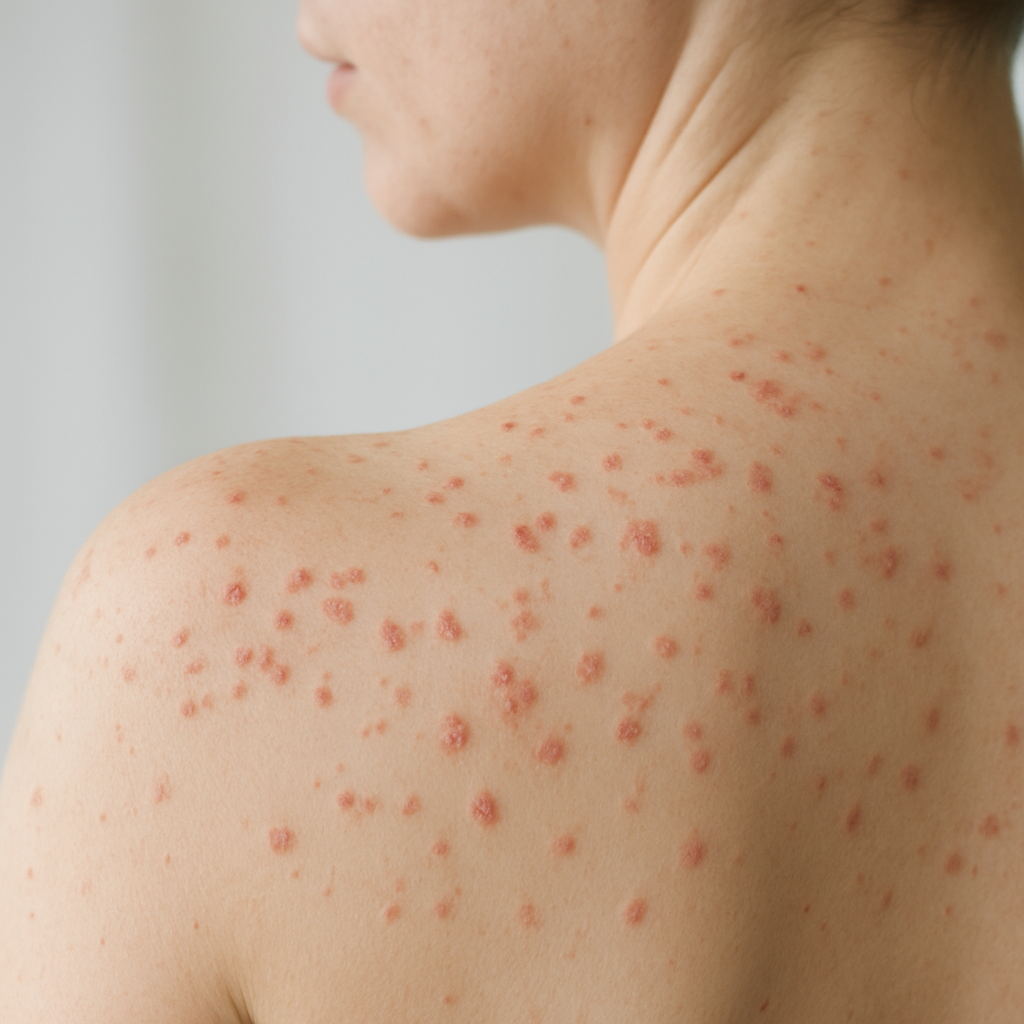
Guttate psoriasis is a specific type of psoriasis characterized by small, drop-shaped scaly lesions that appear suddenly across the body. The name comes from the Latin word "gutta," meaning drop, which perfectly describes these distinctive round or oval patches that typically measure less than one centimeter in diameter.
“Unlike other forms of psoriasis, guttate psoriasis often appears without warning, covering the torso, arms, and legs with hundreds of small, scaly spots.”
This condition stands out from other psoriasis types because of its sudden onset pattern. Many patients wake up to find their skin covered in these small, salmon-pink lesions seemingly overnight. The spots commonly appear on the trunk, arms, and legs, though they can show up anywhere on the body.
Guttate psoriasis has a strong connection to bacterial infections, particularly strep throat. About 80% of cases develop within two to three weeks after a streptococcal infection. For example, a teenager who had strep throat might notice these spots appearing weeks later, even after the throat infection has cleared.
The condition most commonly affects children and young adults under 30. While the sudden appearance can be alarming, guttate psoriasis typically doesn't cause permanent scarring and often resolves on its own or with proper treatment.
Key Symptoms and Appearance

Guttate psoriasis creates a distinctive pattern of small, red, scaly spots across your skin. These lesions are teardrop-shaped and typically measure between 2-10 millimeters in diameter, making them much smaller than the thick plaques seen in plaque psoriasis.
“The teardrop pattern is so characteristic that dermatologists can often diagnose guttate psoriasis at first glance.”
The spots commonly appear on your torso, arms, and legs, though they can spread to your scalp, face, and ears. Unlike severe psoriasis forms, these lesions won't cause permanent scarring when they heal. You'll notice a fine silvery scale covering each red spot, which may flake off when scratched.
Most people experience mild to moderate itching, though some feel no discomfort at all. The itching rarely becomes severe enough to disrupt sleep or daily activities. The spots often appear suddenly over a few days, creating what looks like a "shower" of small lesions across affected areas.
For example, you might wake up one morning to find dozens of small red spots scattered across your chest and back, each about the size of a water droplet. The good news is that guttate psoriasis typically resolves within weeks to months with proper treatment.
What Causes Guttate Psoriasis?
Streptococcal throat infections trigger guttate psoriasis in most cases. This bacterial infection, commonly known as strep throat, causes your immune system to overreact and mistakenly attack healthy skin cells. The reaction typically occurs two to three weeks after the throat infection, even if you've already recovered from the original illness.
Your genetic makeup plays a significant role in developing guttate psoriasis. If your parents or siblings have any form of psoriasis, you face a higher risk of developing the condition yourself. This inherited tendency affects how your immune system responds to infections and other triggers.
The underlying cause involves immune system dysfunction. Your body's defense mechanism becomes confused and starts producing too many skin cells while creating inflammation. This process leads to the characteristic small, scaly patches that appear across your body.
Other environmental triggers can also spark guttate psoriasis episodes. These include viral infections like chickenpox or respiratory illnesses, certain medications such as beta-blockers, physical injuries to the skin, and high stress levels. Understanding these triggers helps you take preventive steps and avoid future flare-ups, reducing concerns about permanent scarring through early intervention.
Treatment Options
Most guttate psoriasis cases respond well to treatment, and the good news is that with proper care, you can achieve clear skin without permanent scarring. The key is starting treatment promptly and choosing the right approach for your situation.
Topical corticosteroids serve as the first line of defense against guttate psoriasis. These prescription creams and ointments reduce inflammation and slow down excessive skin cell production. Mild to moderate-strength corticosteroids work effectively for most patients, with visible improvement typically occurring within two weeks of consistent use.
Phototherapy offers excellent results when topical treatments aren't enough. Narrowband UVB light therapy helps normalize skin cell turnover and reduces inflammation. Most patients receive treatments three times weekly for eight to twelve weeks.
Daily moisturizing plays a crucial role in treatment success. Quality moisturizers prevent skin dryness and irritation that can worsen psoriasis. Apply moisturizer immediately after bathing while skin is still damp.
Systemic treatments become necessary for severe cases or when other options fail. Oral medications like methotrexate or biologics target the immune system directly.
How Guttate Psoriasis Differs from Other Skin Conditions

Understanding the differences between guttate psoriasis and other skin conditions helps you get the right diagnosis and treatment. While these conditions can look similar at first glance, each has distinct characteristics that trained dermatologists can identify.
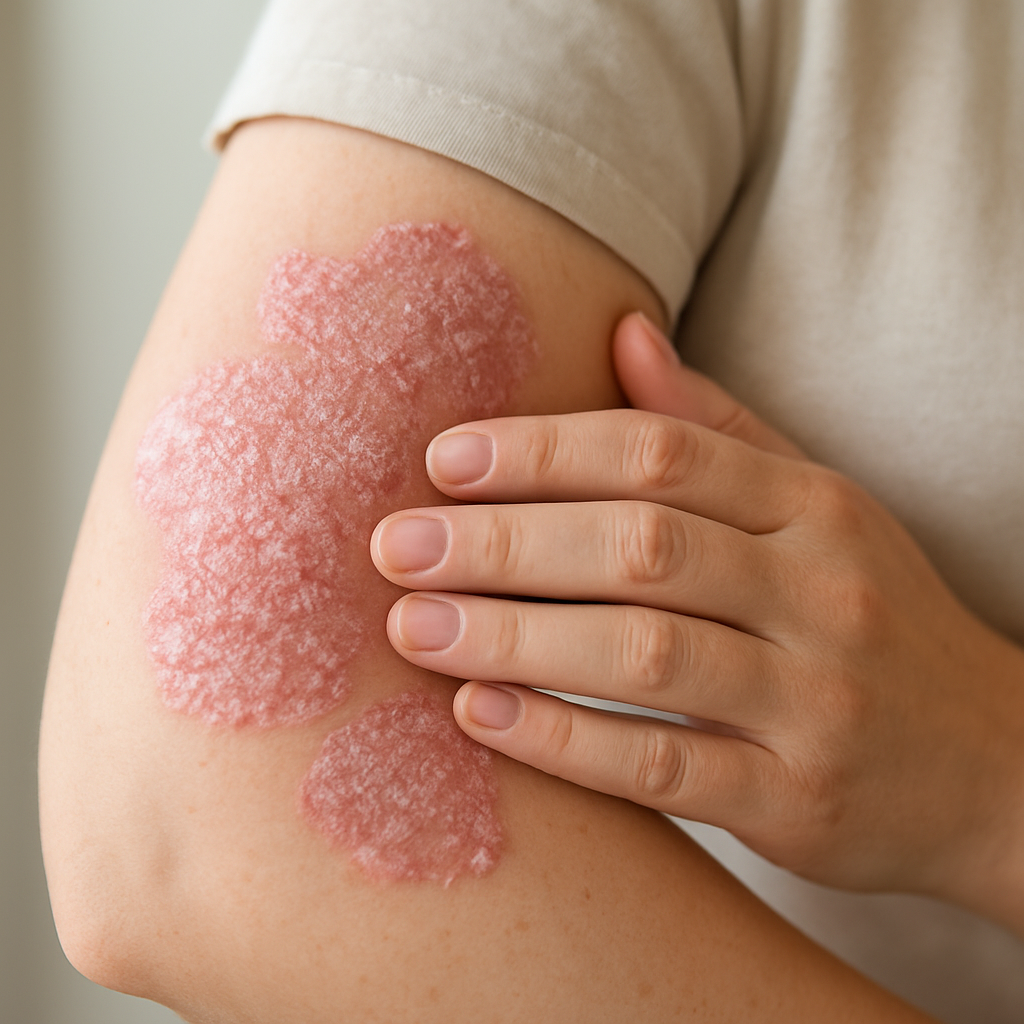
Plaque psoriasis creates thick, raised patches with silvery-white scales, typically on elbows, knees, and scalp. In contrast, guttate psoriasis produces small, drop-shaped lesions scattered across your torso, arms, and legs. The lesions are much thinner and smaller than plaque psoriasis patches, usually measuring less than one centimeter in diameter.
Acne vulgaris primarily affects the face, chest, and back with blackheads, whiteheads, and inflamed bumps. These lesions stem from clogged hair follicles and appear different from guttate psoriasis's scaly, salmon-pink drops that aren't centered around follicles.
Atopic dermatitis presents as intensely itchy, dry patches that often ooze or crust over, commonly appearing in elbow creases and behind knees. Unlike guttate psoriasis, eczema patches are typically larger, more irregular in shape, and extremely itchy rather than mildly uncomfortable.
The key distinguishing feature of guttate psoriasis is its sudden onset following strep throat infections and its characteristic teardrop pattern across the trunk.
When to See a Dermatologist
Schedule an appointment with a dermatologist if your guttate psoriasis covers more than 10% of your body or interferes with daily activities. Seek immediate medical attention if you develop fever, widespread redness, or signs of infection like pus-filled bumps or red streaking around lesions.
Don't wait if the condition affects your face, hands, feet, or genital area, as these sensitive locations require specialized treatment. Many patients worry about permanent scarring, but dermatologists can prevent this outcome with proper early intervention and targeted therapies.
Chronic management becomes necessary when flares occur more than twice yearly or last longer than three months. Your dermatologist will create a personalized treatment plan that may include topical medications, light therapy, or systemic treatments for severe cases.
Prevention strategies focus on managing triggers and maintaining healthy skin. Take lukewarm showers, moisturize daily with fragrance-free products, and treat strep infections promptly. Stress management through exercise, adequate sleep, and relaxation techniques helps prevent stress-triggered flares.
The long-term outlook for guttate psoriasis is generally positive. Most children and teenagers see complete clearing within months to a year. Adults may experience occasional flares, but these become less frequent and severe with proper management. Early professional treatment significantly improves your chances of achieving and maintaining clear skin.
Seek dermatological care early to prevent complications and develop an effective long-term management strategy for clear, healthy skin.
Frequently Asked Questions
What is guttate psoriasis?
Guttate psoriasis is a specific type of psoriasis characterized by small, drop-shaped scaly lesions that appear suddenly across the body. The name comes from the Latin word "gutta," meaning drop, which describes these distinctive round or oval patches that typically measure less than one centimeter in diameter. Unlike other forms of psoriasis, guttate psoriasis often appears without warning, covering the torso, arms, and legs with hundreds of small, scaly spots.
What causes guttate psoriasis?
Streptococcal throat infections trigger guttate psoriasis in most cases, with about 80% of cases developing within two to three weeks after a strep throat infection. This bacterial infection causes your immune system to overreact and mistakenly attack healthy skin cells. The reaction typically occurs even if you've already recovered from the original throat infection.
What does guttate psoriasis look like?
Guttate psoriasis creates small, red, scaly spots that are teardrop-shaped and typically measure between 2-10 millimeters in diameter. The spots have a fine silvery scale covering each red lesion and commonly appear on the torso, arms, and legs. The lesions are much smaller than the thick plaques seen in plaque psoriasis and often appear suddenly over a few days, creating what looks like a "shower" of small lesions.
Who gets guttate psoriasis?
Guttate psoriasis most commonly affects children and young adults under 30 years old, with the average age at onset being 16. It represents about 2% of all psoriasis cases. The condition typically doesn't cause permanent scarring and often resolves on its own or with proper treatment.
Does guttate psoriasis itch?
Most people with guttate psoriasis experience mild to moderate itching, though some feel no discomfort at all. The itching rarely becomes severe enough to disrupt sleep or daily activities. Unlike more severe forms of psoriasis, the symptoms are generally manageable and the condition typically resolves within weeks to months with proper treatment.
Disclaimer: This content is for informational purposes only and does not constitute medical advice. Always consult a qualified healthcare provider before making health decisions.