What Is Inverse Psoriasis?

Inverse psoriasis is a specific type of psoriasis that appears in skin folds and creases where your body naturally bends or rubs together. Unlike the thick, scaly patches you might expect from psoriasis, inverse psoriasis shows up as smooth, bright red lesions that look shiny and irritated. These patches don't have the characteristic silvery scales that define other forms of the condition.
“Inverse psoriasis hides in your body's most private places, making it particularly challenging both physically and emotionally.”
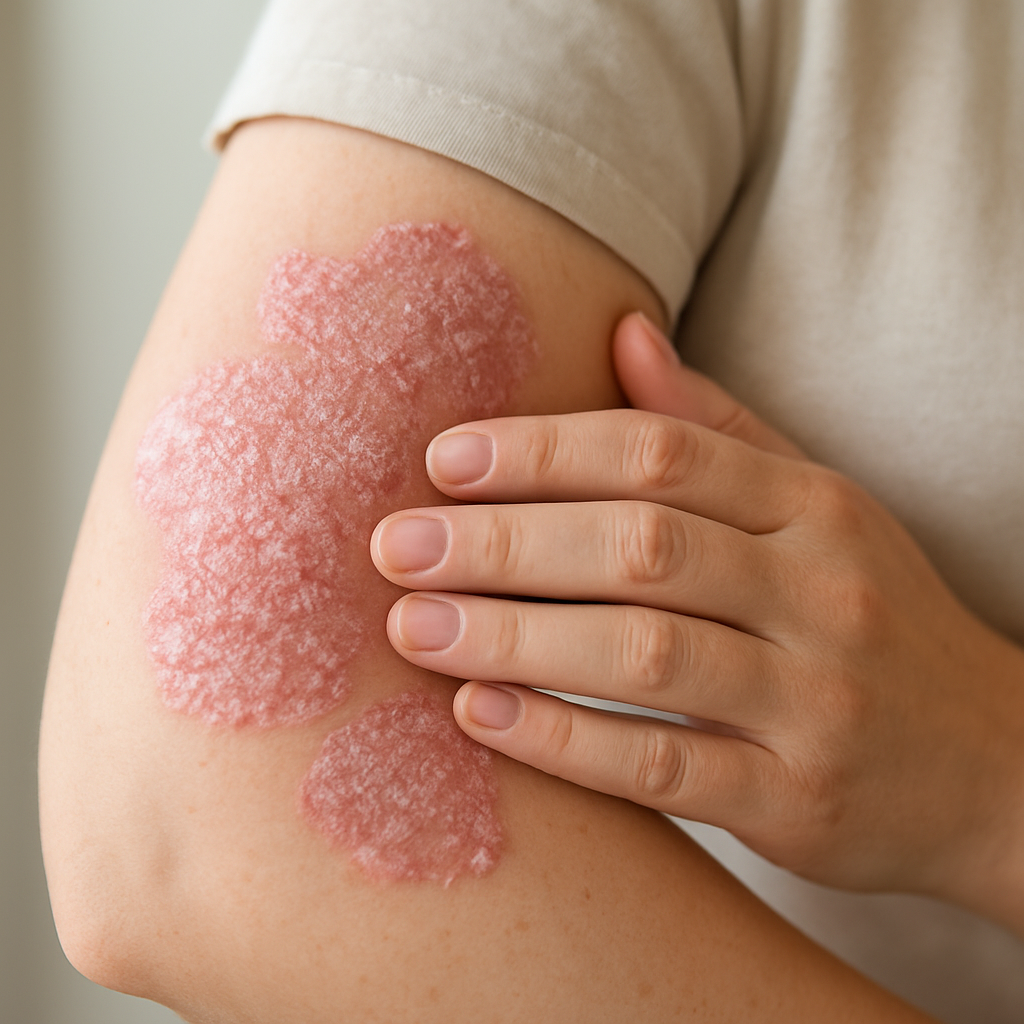
The key difference between inverse psoriasis and Plaque Psoriasis lies in appearance and location. While Plaque Psoriasis creates thick, raised, scaly patches with silvery-white scales on red, inflamed skin typically on elbows, knees, and scalp, inverse psoriasis develops smooth, raw-looking patches specifically in warm, moist areas like your armpits, groin, under breasts, and between buttocks.
This distinction matters because the smooth, red appearance of inverse psoriasis won't leave permanent scarring when properly treated. The condition affects areas where friction and moisture create ideal conditions for irritation, making proper diagnosis crucial for effective treatment and your peace of mind about achieving clear, healthy skin.
Where Inverse Psoriasis Develops
Inverse psoriasis targets specific areas of your body where skin touches skin, creating warm, moist environments that trigger flare-ups. The condition most commonly appears in your armpits, groin area, under the breasts, and in the folds around your buttocks. You might also notice patches behind your ears, in your belly button, or between your toes.
“These skin fold areas trap moisture and heat, creating perfect conditions for inverse psoriasis to flourish.”
These locations become vulnerable because constant friction, trapped sweat, and limited air circulation irritate your skin. Unlike the scaly patches typical of plaque psoriasis, inverse psoriasis appears as smooth, red, shiny patches that may look raw or inflamed. The lack of scales happens because moisture in these areas prevents the typical dry, flaky buildup.
For example, under your arms, the patches often extend from the armpit fold toward your chest wall. In the groin, they typically follow the natural creases where your thigh meets your torso. While these visible patches can feel embarrassing, proper treatment prevents permanent skin changes and helps you regain confidence in your appearance.
Symptoms and Signs to Watch For

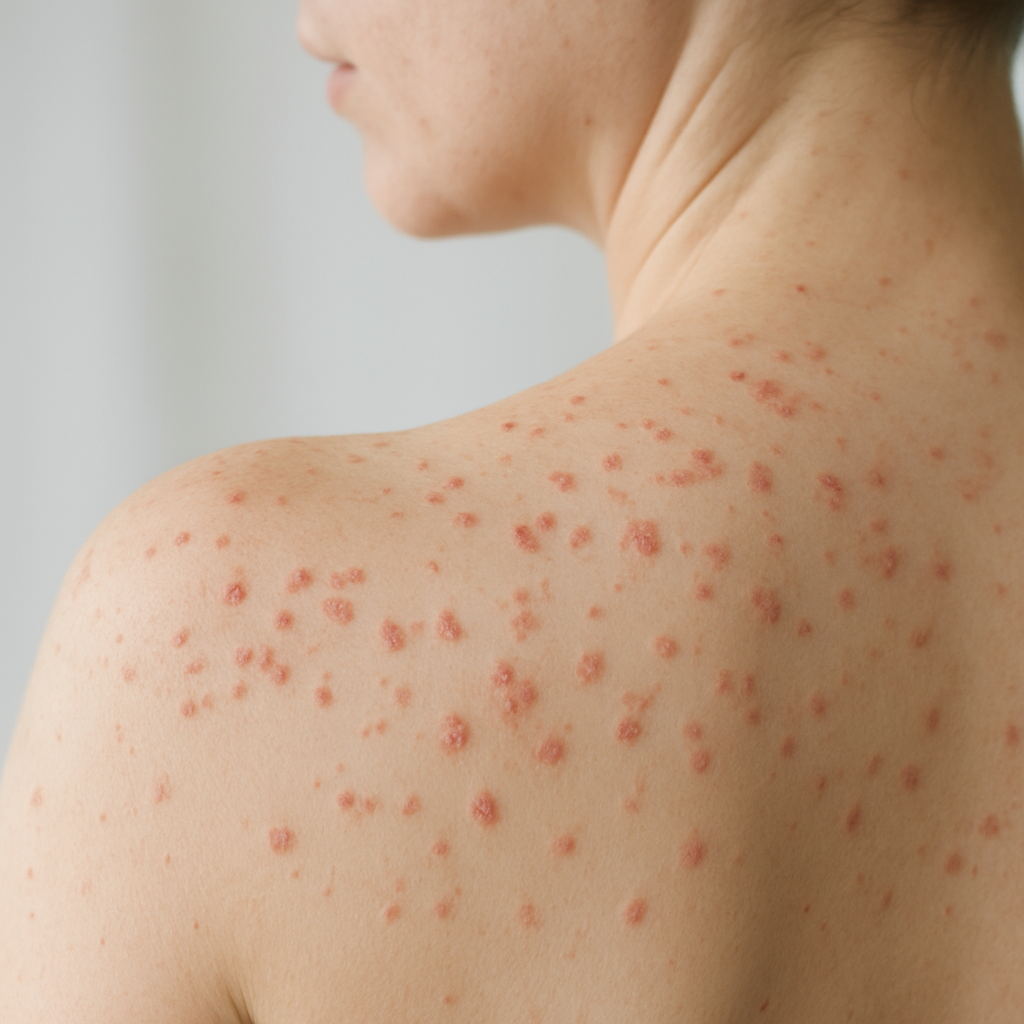
Inverse psoriasis creates smooth, red patches without the thick scales typical of plaque psoriasis. These lesions appear shiny and well-defined, often mistaken for fungal infections or other skin conditions. The affected skin feels tender and may crack or fissure, especially where skin touches skin.
Unlike Atopic Dermatitis, which causes intense itching and dry, scaly patches, inverse psoriasis primarily causes burning or stinging sensations. The smooth appearance and specific location in skin folds help distinguish it from eczema, which typically appears rough and flaky.
Watch for persistent redness that doesn't improve with basic moisturizing or antifungal treatments. Pain during movement, especially when skin folds rub together, signals the need for professional evaluation. Some patients notice their symptoms worsen with sweating or friction from clothing.
See a dermatologist promptly if red patches persist longer than two weeks, if you develop painful cracks in the skin, or if over-the-counter treatments fail. Early diagnosis prevents unnecessary worry about scarring and helps you achieve clear skin faster through appropriate treatment.
What Causes Inverse Psoriasis
Inverse psoriasis develops when your immune system mistakenly attacks healthy skin cells, creating the characteristic red, smooth patches in skin folds. This autoimmune response speeds up skin cell production, causing inflammation and irritation in areas where skin touches skin.
Specific triggers make skin fold areas particularly vulnerable. Moisture from sweating gets trapped in these spaces, creating an environment where bacteria and yeast thrive. Friction from skin rubbing against skin worsens inflammation. Heat buildup in these areas compounds the problem, especially during summer months or physical activity.
Several factors increase your risk. Family history plays a major role, as genetics account for roughly 40% of psoriasis cases. Being overweight creates more skin folds and increases friction. Stress, infections, and certain medications can trigger flares. While this condition can feel overwhelming, understanding these causes helps you take control of your treatment plan.
Treatment Options for Inverse Psoriasis
Treating inverse psoriasis requires gentle yet effective approaches designed specifically for sensitive skin fold areas. The thin, delicate skin in these regions cannot tolerate harsh treatments that work elsewhere on your body.
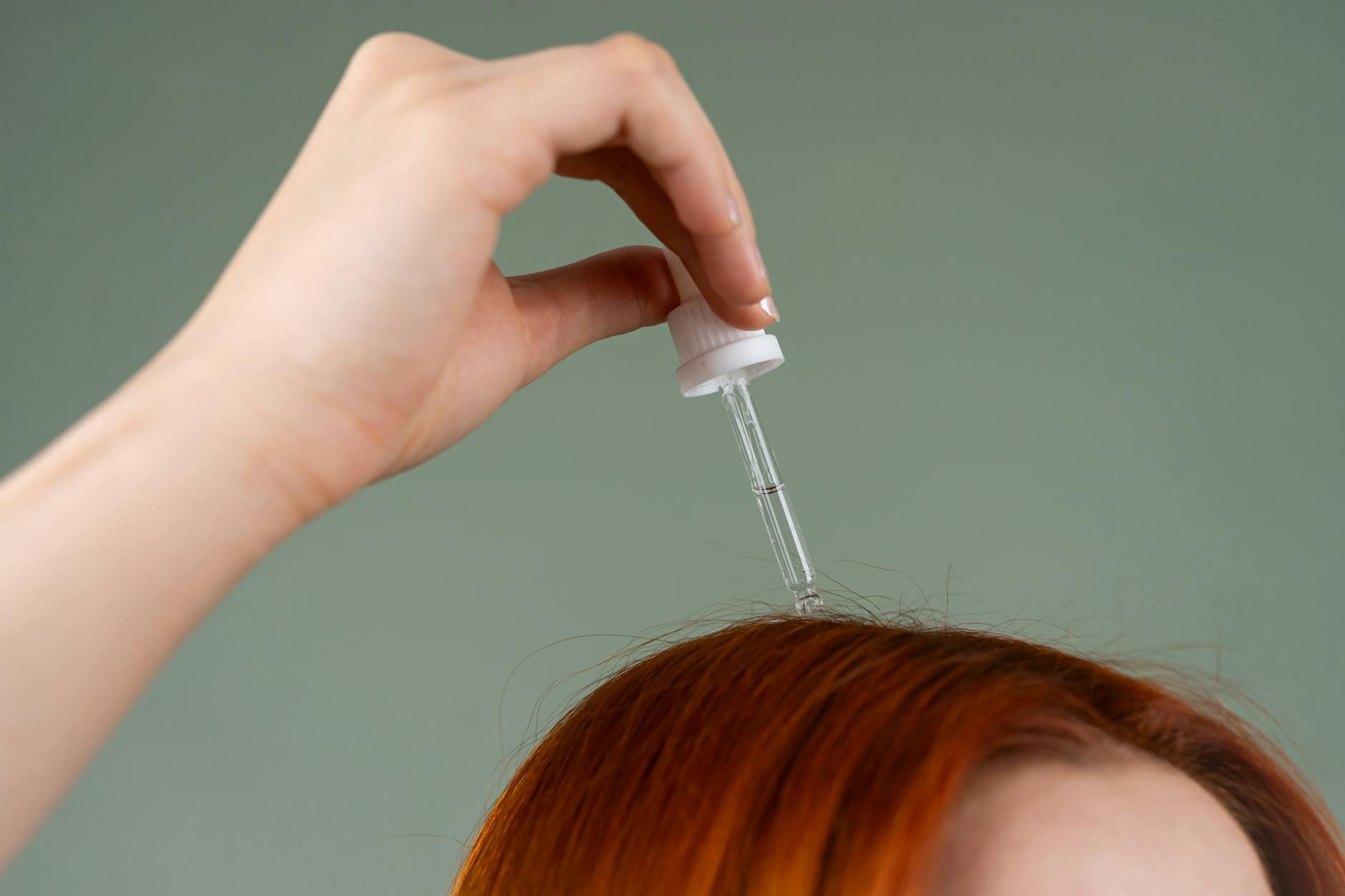
Topical treatments form the foundation of most treatment plans. Low-potency topical corticosteroids like hydrocortisone work well for short-term flare control without causing skin thinning. Calcineurin inhibitors such as tacrolimus offer long-term safety for ongoing management. Your dermatologist may prescribe vitamin D analogs like calcitriol, which are gentler alternatives to traditional psoriasis medications.
Lifestyle modifications significantly impact treatment success. Keep affected areas clean and completely dry after bathing. Wear breathable, moisture-wicking fabrics and avoid tight clothing that creates friction. Maintaining a healthy weight reduces skin fold friction and moisture buildup.
Systemic treatments become necessary when topical options fail or when inverse psoriasis covers extensive areas. Biologics like adalimumab target specific immune pathways without the harsh side effects of older medications. While concerns about permanent scarring are understandable, proper treatment prevents tissue damage and helps achieve the clear skin you're seeking.
Managing Inverse Psoriasis Daily

Daily management focuses on keeping affected skin folds clean, dry, and irritation-free. Small changes to your routine can significantly reduce flare-ups and prevent the social discomfort many people worry about.
Wash skin folds gently with lukewarm water and fragrance-free soap, then pat completely dry.
Apply prescribed topical medications or barrier creams as directed by your dermatologist.
Choose loose-fitting, breathable fabrics like cotton to reduce friction and moisture buildup.
Avoid tight clothing that creates friction in problem areas like under arms, groin, or beneath breasts. Change out of sweaty clothes promptly after exercise. Keep skin folds separated when possible using soft cotton pads or powder recommended by your doctor.
Monitor your triggers carefully. Common culprits include certain fabrics, excessive heat, stress, and specific foods. Track patterns in a simple diary to identify what worsens your symptoms and adjust accordingly.
When to See a Dermatologist
Seek professional help if your inverse psoriasis spreads rapidly, develops thick scales, or shows signs of infection like pus or fever. Dermatologists can prevent the scarring you're worried about through targeted treatments.
Book an appointment when over-the-counter remedies fail after two weeks, or if pain interferes with daily activities. Warning signs include bleeding skin, severe itching that disrupts sleep, and patches that worsen despite consistent care.
Early professional intervention prevents complications and gets you clear skin faster than struggling alone with ineffective treatments.
Frequently Asked Questions
What is inverse psoriasis?
Inverse psoriasis is a specific type of psoriasis that appears in skin folds and creases where your body naturally bends or rubs together. Unlike other forms of psoriasis, it shows up as smooth, bright red lesions that look shiny and irritated without the characteristic silvery scales. The condition affects areas where friction and moisture create ideal conditions for irritation, making proper diagnosis crucial for effective treatment.
Where does inverse psoriasis typically appear on the body?
Inverse psoriasis most commonly develops in areas where skin touches skin, such as the armpits, groin area, under the breasts, and in the folds around the buttocks. You might also notice patches behind your ears, in your belly button, or between your toes. These locations become vulnerable because constant friction, trapped sweat, and limited air circulation irritate the skin in these warm, moist environments.
What are the symptoms of inverse psoriasis?
Inverse psoriasis creates smooth, red, shiny patches without the thick scales typical of other types of psoriasis. The affected skin feels tender and may crack or fissure, especially where skin touches skin. Unlike other skin conditions, inverse psoriasis primarily causes burning or stinging sensations rather than intense itching, and symptoms often worsen with sweating or friction from clothing.
How is inverse psoriasis different from plaque psoriasis?
The key difference lies in appearance and location. While plaque psoriasis creates thick, raised, scaly patches with silvery-white scales on red, inflamed skin typically on elbows, knees, and scalp, inverse psoriasis develops smooth, raw-looking patches specifically in warm, moist areas like armpits and groin. Inverse psoriasis lacks the characteristic scales because moisture in skin fold areas prevents the typical dry, flaky buildup.
When should I see a doctor for inverse psoriasis?
You should see a dermatologist promptly if red patches persist longer than two weeks, if you develop painful cracks in the skin, or if over-the-counter treatments fail to improve the condition. Watch for persistent redness that doesn't improve with basic moisturizing or antifungal treatments, especially if accompanied by pain during movement when skin folds rub together. Early diagnosis prevents unnecessary worry about scarring and helps achieve clear skin faster through appropriate treatment.
Disclaimer: This content is for informational purposes only and does not constitute medical advice. Always consult a qualified healthcare provider before making health decisions.