Understanding Psoriasis and Daily Life Impact

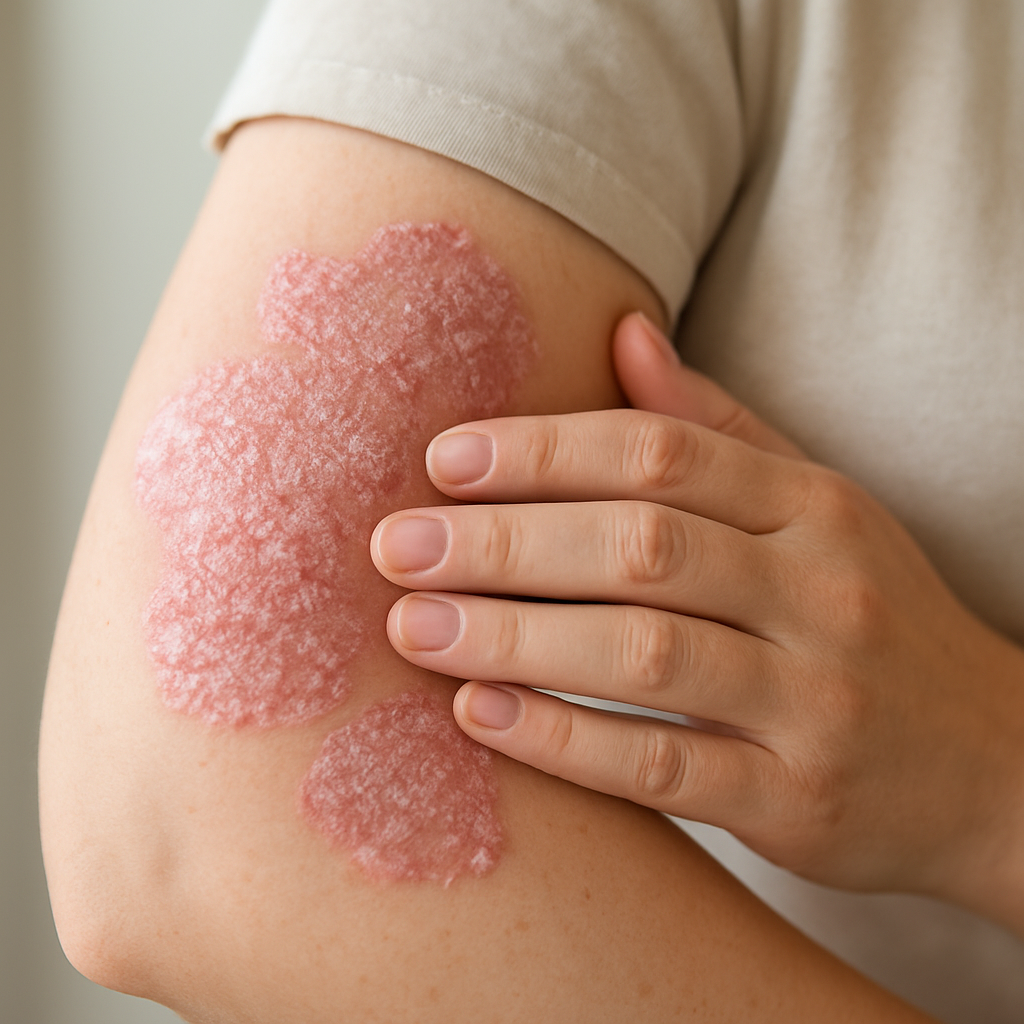
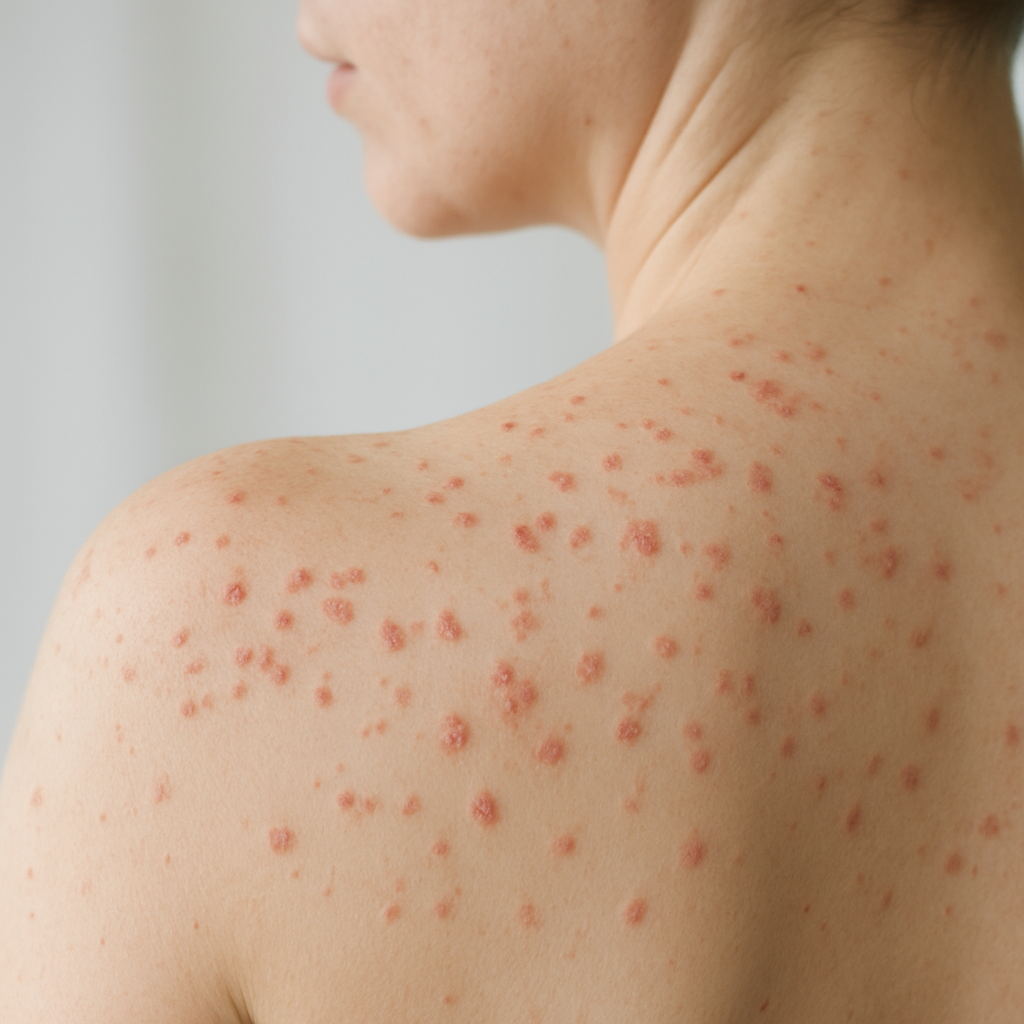
Living with psoriasis means managing a condition that's fundamentally different from other skin problems you might know. Unlike Atopic Dermatitis, which primarily causes itchy, inflamed patches, Plaque Psoriasis creates thick, raised patches covered with silvery-white scales due to your immune system accelerating skin cell production. These distinctive plaques typically appear on your elbows, knees, scalp, and lower back, affecting daily activities in ways many people don't realize.
Your concern about permanent scarring is understandable, but psoriasis rarely causes lasting marks when properly managed. The visible patches can feel overwhelming, especially during flares, but they respond well to consistent treatment. Simple tasks like wearing dark clothing or shaking hands can become sources of anxiety when scales are visible.
"Consistent daily management prevents flares from disrupting your life and helps maintain clearer skin long-term."
Daily management becomes crucial because psoriasis follows unpredictable cycles of flares and remission. Without regular care, mild patches can quickly worsen, affecting your confidence and comfort. The good news is that establishing consistent routines significantly improves both your skin's appearance and your quality of life.
Creating Your Daily Skincare Routine

Building a consistent skincare routine helps control psoriasis symptoms and reduces the risk of scarring that many patients worry about. The key lies in gentle, consistent care that supports your skin's natural healing process.
“Consistency matters more than complexity when managing psoriasis flares.”
Start with lukewarm water for all cleansing activities. Hot water strips natural oils and can trigger inflammation in psoriatic skin. Use fragrance-free, soap-free cleansers like CeraVe Hydrating Cleanser or Vanicream Gentle Facial Cleanser. These products clean without disrupting your skin barrier.
Rinse with lukewarm water and apply gentle cleanser using fingertips only.
Use a clean towel with gentle patting motions, never rub or scrub affected areas.
Use thick creams or ointments within three minutes while skin is still slightly damp.
Follow the same routine before bed, focusing extra attention on problem areas.
Choose moisturizers with ingredients like ceramides, hyaluronic acid, or petrolatum. Eucerin Advanced Repair Cream and Aquaphor Healing Ointment work well for most people with psoriasis. Apply these products generously—your skin should feel comfortable, not tight or greasy.
Avoid products containing alcohol, retinoids, or alpha hydroxy acids during active flares. These ingredients can increase irritation and delay healing. Stick to your routine even when your skin looks clear, as prevention works better than treatment after symptoms return.
Lifestyle Modifications That Make a Difference
Managing psoriasis extends far beyond topical treatments. Your daily habits directly impact inflammation levels and symptom severity, giving you real power over your condition.
Stress triggers psoriasis flares in up to 80% of patients. Practice deep breathing for five minutes daily, try progressive muscle relaxation before bed, or take short walks when overwhelmed. Even brief meditation sessions using smartphone apps can significantly reduce cortisol levels that worsen inflammation.
Dietary adjustments help many people achieve clearer skin. Reduce inflammatory foods like processed meats, refined sugars, and alcohol. Increase omega-3 rich fish, leafy greens, and colorful vegetables. Keep a food diary to identify personal triggers—common culprits include gluten, dairy, and nightshade vegetables like tomatoes.
Regular exercise reduces inflammation and stress simultaneously. Start with 20-minute walks three times weekly, gradually increasing to 150 minutes of moderate activity. Swimming provides excellent low-impact options, while yoga combines movement with stress relief.
Quality sleep repairs damaged skin and regulates immune function. Maintain consistent bedtimes, keep your bedroom cool and dark, and avoid screens one hour before sleep. Poor sleep increases inflammatory markers within days.
Track your triggers systematically. Note flare timing, weather changes, medications, stress events, and dietary choices in a simple journal. Patterns emerge within weeks, helping you avoid future outbreaks and reduce the anxiety about unpredictable flares that many patients experience.
Managing Emotional and Social Challenges

Psoriasis affects more than just your skin—it impacts your emotional well-being and social interactions. Many people experience anxiety about visible patches, especially during flare-ups, worrying about others' reactions or judgment.
Building confidence starts with understanding that psoriasis doesn't define you. Focus on your strengths and accomplishments beyond your skin condition. Develop a positive self-talk routine that counters negative thoughts about your appearance.
Handling social situations becomes easier with preparation. Practice simple explanations about your condition for curious questions. For example, you might say, "It's psoriasis, a common skin condition that's not contagious." Most people appreciate honest, brief responses.
Communication strategies include being selective about disclosure. You don't owe anyone an explanation, but sharing with trusted friends and family often brings relief and support. Consider joining online communities or local support groups where you can connect with others who understand your experience.
Professional counseling can provide valuable coping tools, particularly cognitive behavioral therapy, which helps reframe negative thought patterns about your condition.
When to Seek Professional Help
Recognizing when psoriasis requires medical attention can prevent complications and reduce your concerns about permanent scarring. Seek immediate care if you experience widespread flare-ups covering more than 10% of your body, severe itching that disrupts sleep, or signs of infection like pus or red streaking around lesions.
Prepare for dermatologist visits by documenting your symptoms with photos, listing current medications, and noting triggers you've identified. Bring questions about treatment timelines and realistic expectations for improvement.
Treatment options range from topical medications for mild cases to systemic therapies for moderate to severe psoriasis. Your dermatologist may recommend phototherapy, biologics, or combination approaches based on your specific needs and medical history.
Regular follow-ups allow your doctor to monitor treatment progress and adjust medications as needed. Most patients see improvement within 8-12 weeks of starting appropriate treatment.
Professional treatment significantly reduces scarring risk and accelerates healing, so don't wait until symptoms become severe.
Frequently Asked Questions
What is the difference between psoriasis and atopic dermatitis?
Unlike Atopic Dermatitis, which primarily causes itchy, inflamed patches, Plaque Psoriasis creates thick, raised patches covered with silvery-white scales due to your immune system accelerating skin cell production. These distinctive plaques typically appear on your elbows, knees, scalp, and lower back. Psoriasis affects daily activities in ways many people don't realize, such as making simple tasks like wearing dark clothing or shaking hands sources of anxiety when scales are visible.
Does psoriasis cause permanent scarring?
Psoriasis rarely causes lasting marks when properly managed. The visible patches can feel overwhelming, especially during flares, but they respond well to consistent treatment. Building a consistent skincare routine helps control psoriasis symptoms and reduces the risk of scarring that many patients worry about.
What skincare routine should I follow for psoriasis?
Start with lukewarm water for all cleansing activities and use fragrance-free, soap-free cleansers like CeraVe Hydrating Cleanser or Vanicream Gentle Facial Cleanser. Pat dry completely with gentle motions, never rub or scrub affected areas. Apply thick moisturizers with ingredients like ceramides, hyaluronic acid, or petrolatum within three minutes while skin is still slightly damp.
What products should I avoid if I have psoriasis?
Avoid products containing alcohol, retinoids, or alpha hydroxy acids during active flares, as these ingredients can increase irritation and delay healing. Hot water should also be avoided since it strips natural oils and can trigger inflammation in psoriatic skin. Choose fragrance-free, soap-free cleansers and moisturizers instead of harsh products that can worsen symptoms.
How common is psoriasis and what age does it typically start?
Psoriasis affects 2-3% of the global population, with typical age of onset between 15-35 years old. About 80% of people with psoriasis have the plaque type, which creates the characteristic thick, raised patches covered with silvery-white scales.
Disclaimer: This content is for informational purposes only and does not constitute medical advice. Always consult a qualified healthcare provider before making health decisions.