What Is Plaque Psoriasis?

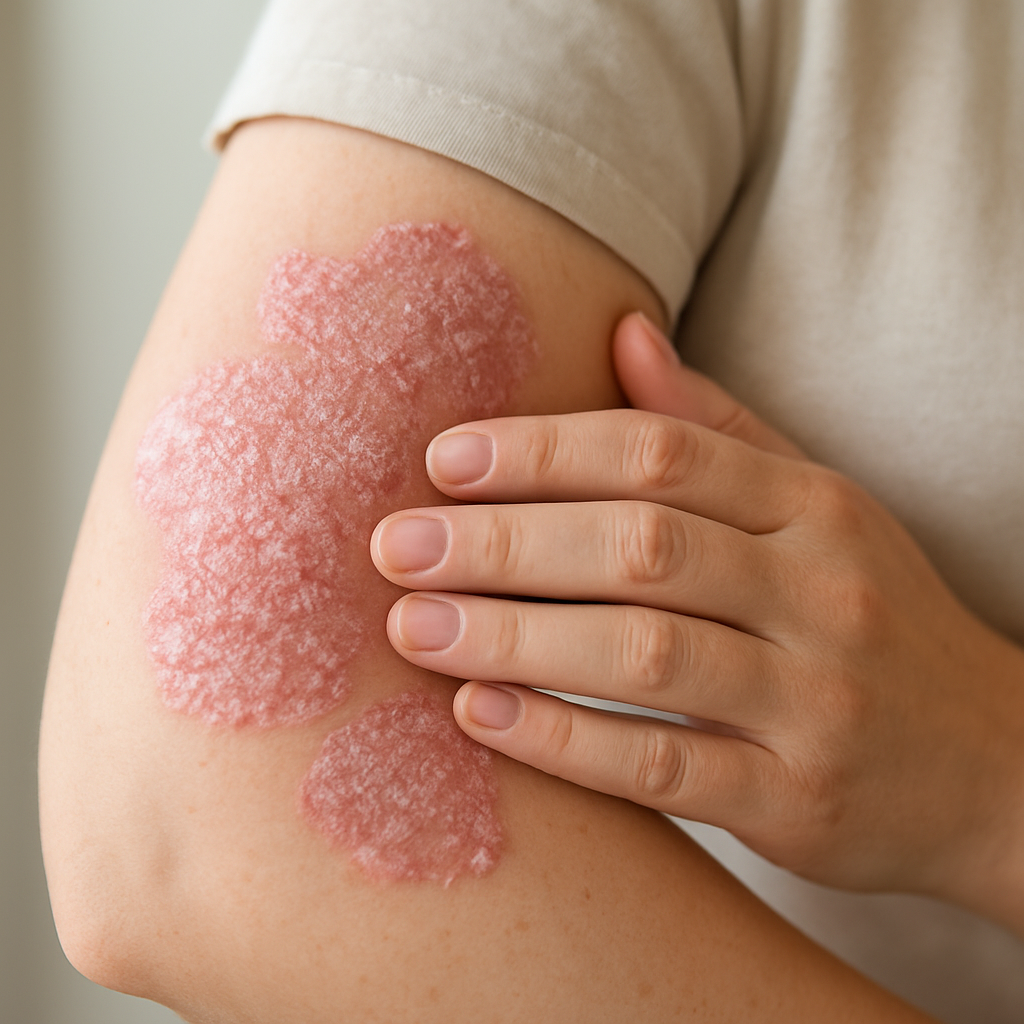
Plaque psoriasis is a chronic autoimmune skin condition that creates thick, raised patches covered with silvery-white scales on red, inflamed skin. Also known as psoriasis vulgaris, this condition occurs when your immune system mistakenly attacks healthy skin cells, causing them to multiply much faster than normal.
“Plaque psoriasis is not contagious—you cannot catch it from or spread it to another person.”
The condition develops when genetic predisposition combines with environmental triggers like stress, infections, or certain medications. Your body's accelerated skin cell production creates the characteristic thick, scaly patches that typically appear on elbows, knees, scalp, and lower back.
While the visible patches may cause social concerns, plaque psoriasis typically does not cause permanent scarring when properly managed. Most people develop symptoms between ages 15-35, with equal prevalence in men and women.
Recognizing Plaque Psoriasis Symptoms

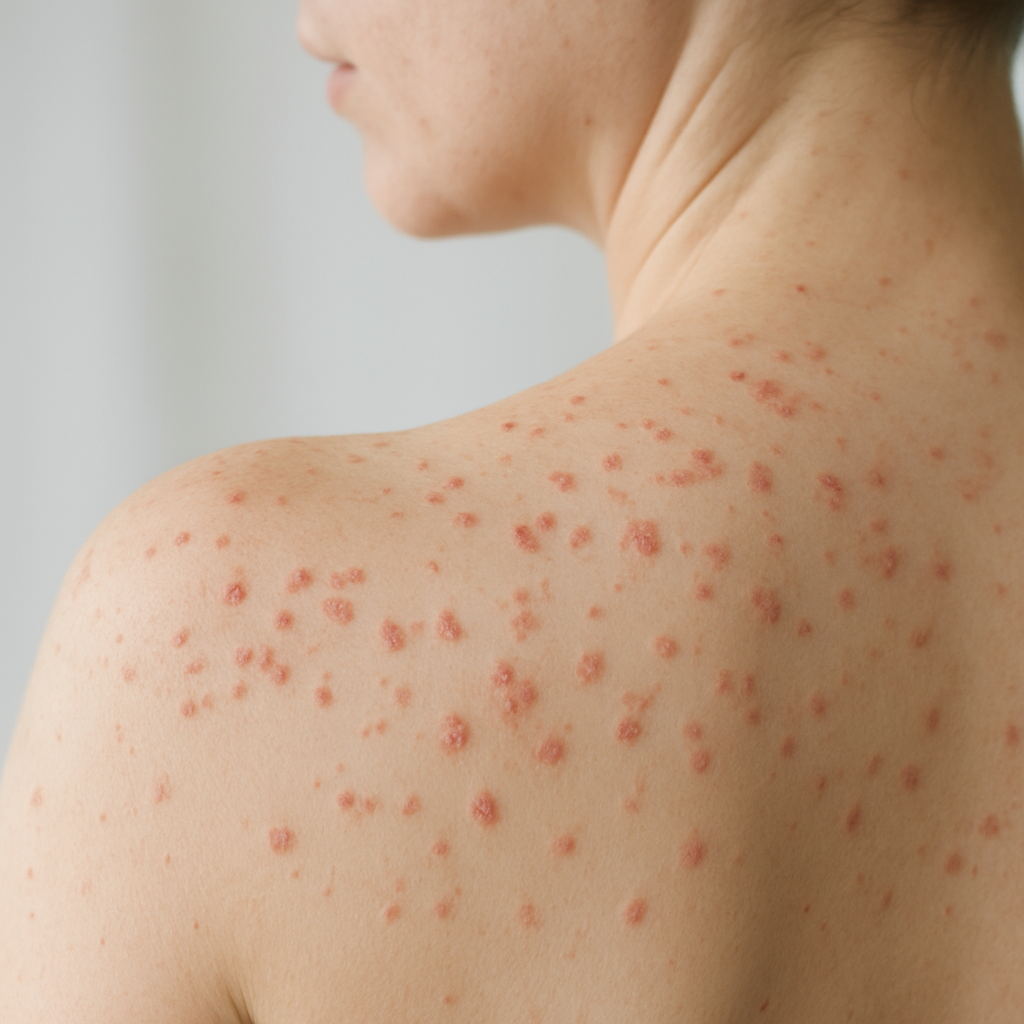
Plaque Psoriasis creates distinct visual symptoms that help differentiate it from other skin conditions. You'll notice thick, raised patches covered with silvery-white scales sitting on top of red, inflamed skin. These patches feel rough to the touch and often crack or bleed when scratched.
“Plaque psoriasis patches have a characteristic silvery scale that distinguishes them from other skin conditions.”
The physical discomfort includes intense itching, burning sensations, and skin tightness. Unlike Atopic Dermatitis, which typically appears in skin folds, Plaque Psoriasis favors specific locations: elbows, knees, scalp, and lower back. The patches maintain their thick, scaly appearance rather than the smoother, more uniform redness seen in eczema.
These symptoms won't cause permanent scarring when properly managed, though temporary darkening may occur after patches heal. Early recognition helps you seek appropriate treatment before patches spread or worsen.
What Causes Plaque Psoriasis
Plaque Psoriasis stems from autoimmune dysfunction causing accelerated skin cell production and inflammation due to genetic and environmental factors. Your immune system mistakenly attacks healthy skin cells, triggering rapid cell turnover that creates the characteristic thick, scaly patches. Normal skin cells take about 28 days to mature, but psoriatic skin completes this process in just 3-4 days.
Several risk factors increase your likelihood of developing this condition. Family history and genetic predisposition play significant roles, with about 40% of patients having affected relatives. Environmental triggers include stress, infections like strep throat, certain medications such as lithium or beta-blockers, smoking, and obesity. While these factors won't guarantee permanent scarring, understanding them helps prevent future flare-ups and manage symptoms effectively.
Treatment Options for Plaque Psoriasis

Effective treatments exist for plaque psoriasis, offering genuine hope for clearer skin without permanent scarring. Your dermatologist will create a personalized plan based on your condition's severity and location.
Topical corticosteroids serve as the first-line treatment for most patients, reducing inflammation and scaling within weeks. Vitamin D analogs like calcitriol work alongside steroids to normalize skin cell production. Tar preparations provide additional relief for stubborn patches on elbows, knees, and scalp.
Phototherapy treatments use controlled UV light for moderate cases covering larger body areas. When topical treatments aren't enough, systemic immunosuppressants and biologics target the autoimmune dysfunction directly, achieving remarkable results for severe plaque psoriasis affecting quality of life.
When to See a Dermatologist
You should schedule an appointment with a dermatologist if you notice thick, red patches with silvery scales that persist beyond a few weeks. Other concerning signs include widespread plaques covering large areas of your body, painful cracking or bleeding of affected skin, or patches that interfere with daily activities like work or sleep.
During your first visit, expect a visual examination of your skin and questions about your symptoms, family history, and triggers. Your dermatologist may take a small skin sample for testing to confirm the diagnosis and rule out other conditions.
Remember that proper professional treatment can prevent permanent scarring and help you achieve clearer skin faster than attempting self-treatment. A customized treatment plan addresses your specific needs and reduces the risk of complications or worsening symptoms.
Early professional evaluation leads to better outcomes and prevents complications that could cause lasting skin damage.
Frequently Asked Questions
What is plaque psoriasis?
Plaque psoriasis is a chronic autoimmune skin condition that creates thick, raised patches covered with silvery-white scales on red, inflamed skin. It occurs when your immune system mistakenly attacks healthy skin cells, causing them to multiply much faster than normal. The condition develops when genetic predisposition combines with environmental triggers like stress, infections, or certain medications.
Is plaque psoriasis contagious?
No, plaque psoriasis is not contagious—you cannot catch it from or spread it to another person. It is an autoimmune condition caused by your own immune system attacking healthy skin cells. The condition results from genetic predisposition combined with environmental triggers, not from contact with affected individuals.
What are the symptoms of plaque psoriasis?
Plaque psoriasis creates thick, raised patches covered with silvery-white scales on red, inflamed skin that feel rough to the touch. The patches often crack or bleed when scratched and cause intense itching, burning sensations, and skin tightness. These patches typically appear on elbows, knees, scalp, and lower back, distinguishing them from other skin conditions like eczema.
What causes plaque psoriasis?
Plaque psoriasis stems from autoimmune dysfunction where your immune system mistakenly attacks healthy skin cells, triggering rapid cell turnover. Normal skin cells take about 28 days to mature, but psoriatic skin completes this process in just 3-4 days. The condition develops from genetic predisposition combined with environmental triggers like stress, infections, certain medications, smoking, and obesity.
At what age does plaque psoriasis typically develop?
Most people develop plaque psoriasis symptoms between ages 15-35, with equal prevalence in men and women. The condition affects 2-3% of the global population. About 40-50% of patients have a family history of the condition, indicating a strong genetic component.
Disclaimer: This content is for informational purposes only and does not constitute medical advice. Always consult a qualified healthcare provider before making health decisions.