Understanding Childhood Psoriasis

Childhood psoriasis is a chronic autoimmune skin condition that affects children differently than adults. This condition occurs when the immune system mistakenly attacks healthy skin cells, causing them to grow and shed much faster than normal. While concerning for parents, understanding these differences helps create realistic expectations for treatment and healing.
“Childhood psoriasis often presents with milder symptoms and responds better to treatment than adult cases.”
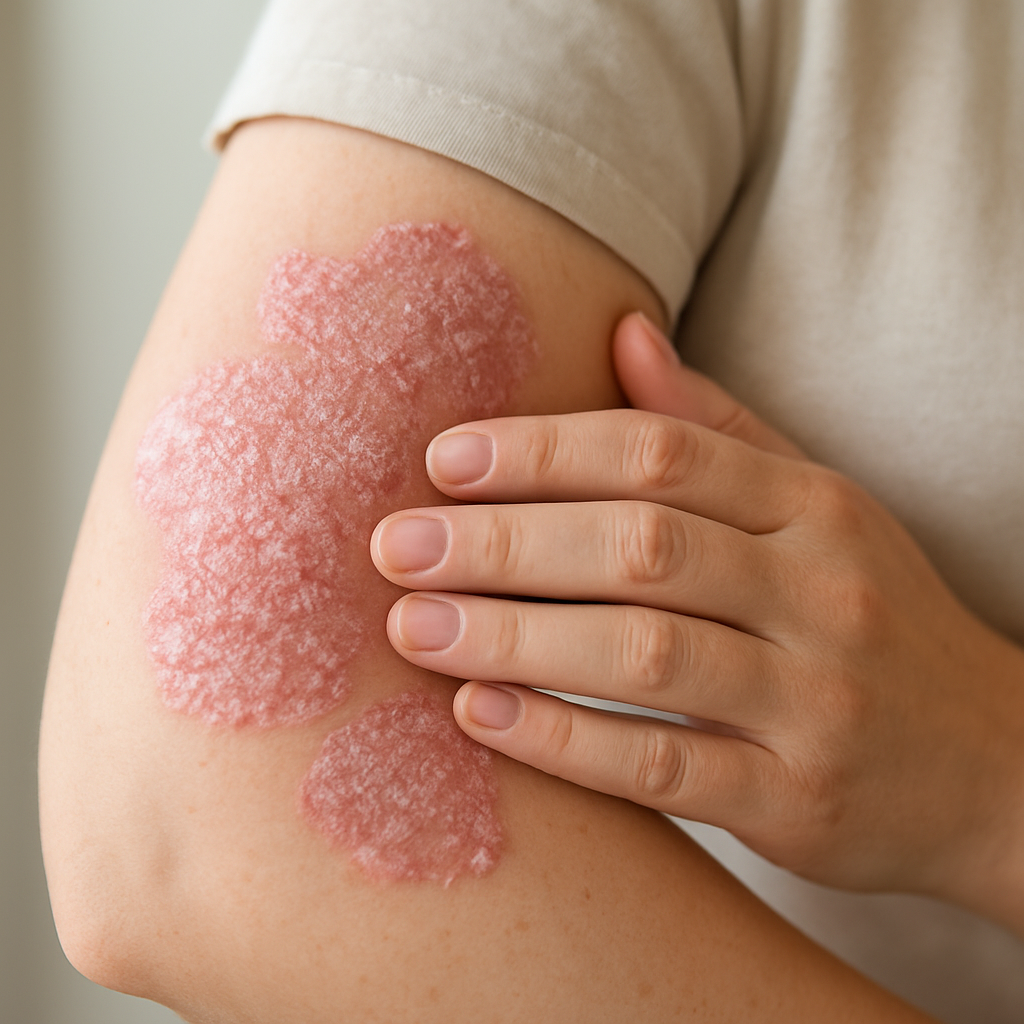
Pediatric psoriasis typically appears between ages 5 and 15, with many children experiencing their first symptoms after a strep throat infection or other illness. The most common form is plaque psoriasis, characterized by thick, raised, scaly patches with silvery-white scales on red, inflamed skin. Unlike adults who commonly develop lesions on elbows and knees, children often experience psoriasis on their face, scalp, and diaper area.
Children's psoriasis lesions tend to be thinner and less scaly than adult presentations. The condition rarely causes permanent scarring when properly managed, offering hope for parents worried about lasting effects. Early intervention with appropriate dermatological care significantly improves outcomes and helps children maintain healthy skin throughout their development.
Recognizing Symptoms in Children

Childhood psoriasis presents differently than in adults, making recognition challenging for parents. The condition typically appears as well-defined, thick red patches covered with silvery-white scales. In children, these plaques often appear smaller and less scaly than adult lesions, sometimes showing as smooth, shiny red patches that can easily be mistaken for other skin conditions.
“Children with psoriasis often develop patches in areas where adults rarely see them, making early identification crucial for proper treatment.”
Common locations include the scalp, face, knees, elbows, and diaper area in infants. Unlike adults, children frequently develop facial psoriasis, particularly around the ears and forehead. The scalp remains the most affected area, where thick scales can be confused with severe dandruff.
Parents often struggle to distinguish psoriasis from Atopic Dermatitis, a chronic inflammatory skin condition characterized by dry, itchy, and inflamed skin patches that affects 15-20% of children worldwide. While both conditions cause red, scaly patches, psoriasis typically presents with thicker, more defined borders and silvery scales. Atopic Dermatitis usually appears in skin folds and causes more intense itching.
Early recognition helps address concerns about permanent scarring, which rarely occurs with proper treatment. Watch for patches that don't improve with regular moisturizing, appear after minor injuries, or develop the characteristic silvery scaling that distinguishes psoriasis from other childhood skin conditions.
Common Triggers in Children
Understanding what triggers psoriasis flares in children helps parents take control and reduce future outbreaks. Unlike adult triggers, children face unique circumstances that can spark their condition.
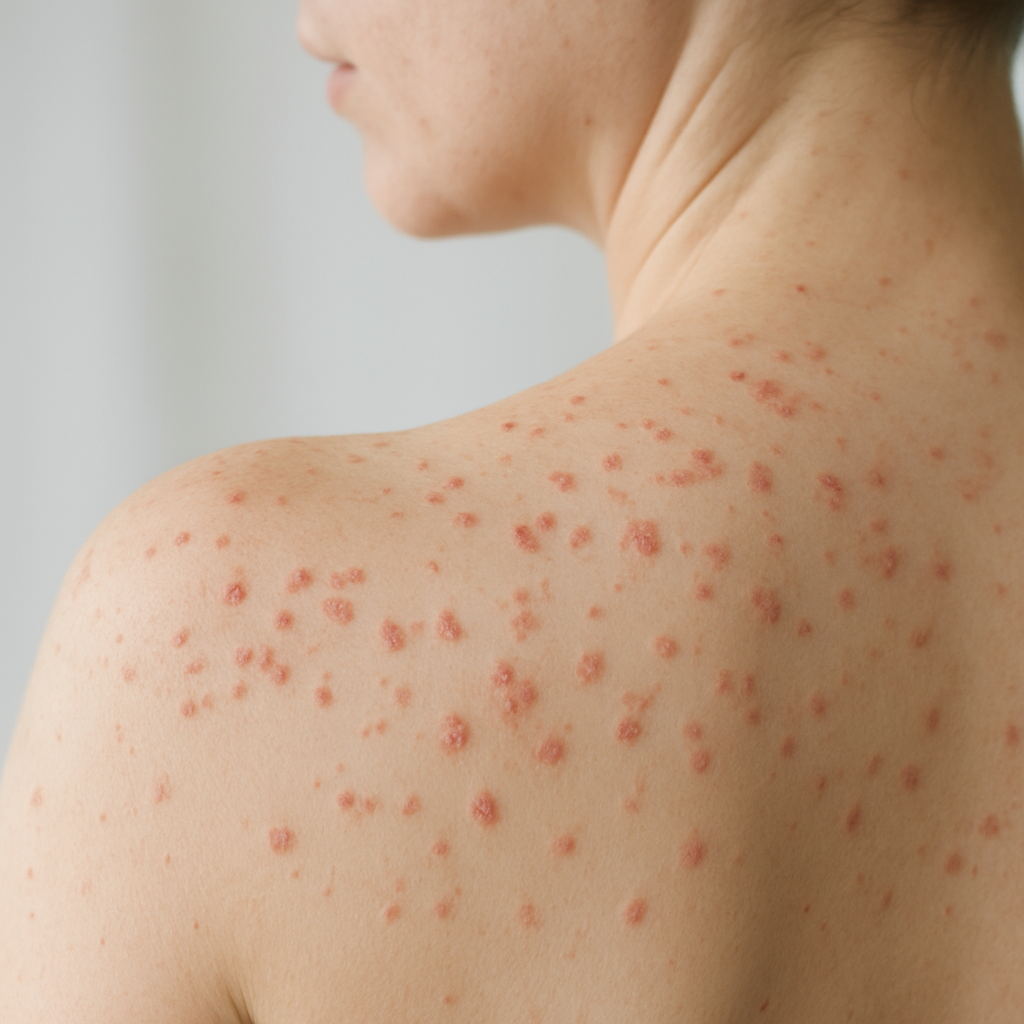
Infections rank as the most common trigger in pediatric psoriasis. Strep throat frequently precedes guttate psoriasis, which appears as small, drop-shaped spots across the body. Upper respiratory infections, ear infections, and even minor cuts that become infected can all trigger flares. Parents should watch for psoriasis symptoms appearing 2-3 weeks after any infection.
Emotional stress significantly impacts children's psoriasis. School pressures, family changes, or social difficulties can worsen symptoms. Physical trauma like scrapes, sunburns, or even tight clothing rubbing the skin may trigger new patches through the Koebner phenomenon.
Environmental factors including cold weather, dry indoor air, and certain medications also play roles. While these triggers may seem overwhelming, identifying your child's specific patterns empowers you to prevent many flares through careful monitoring and prompt treatment of infections.
Age-Appropriate Treatment Options
Treating psoriasis in children requires a careful balance between effectiveness and safety. Most pediatric treatments start with gentle topical medications that won't harm developing skin. Low-potency topical corticosteroids, such as hydrocortisone cream, work well for young children's sensitive areas like the face and skin folds. Calcitriol ointment offers another safe option that children can use long-term without the side effects associated with stronger steroids.
Phototherapy becomes an option for children over age 10 when topical treatments aren't sufficient. Narrowband UV-B therapy sessions typically last just a few minutes and occur two to three times per week. While this treatment shows excellent results, it requires regular trips to a dermatology clinic, which families must factor into their schedules.
Systemic medications remain reserved for severe cases that don't respond to other treatments. Dermatologists carefully monitor children on these medications through regular blood tests and check-ups. The good news is that most children achieve clear skin without needing these stronger options.
Simple lifestyle changes support medical treatment effectively. Regular moisturizing prevents flares, while identifying and avoiding specific triggers keeps symptoms manageable. Many families find that establishing consistent skincare routines helps prevent the permanent scarring that parents often worry about.
Supporting Your Child Emotionally

Living with psoriasis can affect your child's confidence and social interactions. The visible nature of the condition often leads to questions from peers, which can feel overwhelming for young children. Your emotional support plays a crucial role in helping them develop healthy coping strategies.
Building self-confidence starts with open conversations about psoriasis. Explain that it's a common skin condition that many people manage successfully. Help your child practice simple responses to questions like "It's just a skin condition that makes my skin look different, but it's not contagious." Role-playing these scenarios at home builds their confidence for real situations.
Creating supportive daily routines helps normalize treatment. Make skincare time positive by playing music or telling stories during moisturizing sessions. Celebrate treatment milestones and improvements, however small.
Watch for signs that your child needs professional support: persistent sadness, social withdrawal, declining school performance, or expressed feelings of hopelessness. Pediatric counselors who understand chronic conditions can provide valuable coping tools that benefit the entire family's wellbeing.
When to See a Dermatologist
Seek immediate dermatological care if your child develops widespread rashes covering more than 10% of their body, experiences fever alongside skin symptoms, or shows signs of infection like pus or red streaking. Joint pain, nail changes, or severe itching that disrupts sleep also warrant prompt professional attention.
Before the first appointment, photograph affected areas in good lighting and document when symptoms began, what triggers you've noticed, and any treatments already tried. Bring a complete list of medications, including vitamins and supplements.
Ask your dermatologist about treatment timelines, potential side effects, and long-term prognosis. While fears about permanent scarring are natural, early professional intervention significantly reduces this risk. Inquire about school accommodations if needed and age-appropriate ways to explain the condition to your child.
Expect follow-up visits every 4-6 weeks initially as treatments are adjusted. Most children see improvement within 2-3 months with proper care. Your dermatologist will monitor progress and modify approaches as your child grows.
Early dermatological intervention provides the best outcomes for managing childhood psoriasis and preventing complications.
Frequently Asked Questions
What is childhood psoriasis and how is it different from adult psoriasis?
Childhood psoriasis is a chronic autoimmune skin condition where the immune system mistakenly attacks healthy skin cells, causing them to grow and shed much faster than normal. Unlike adults, children's psoriasis lesions tend to be thinner, less scaly, and often appear in different locations such as the face, scalp, and diaper area. Childhood psoriasis typically presents with milder symptoms and responds better to treatment than adult cases.
What are the symptoms of psoriasis in children?
Childhood psoriasis typically appears as well-defined, thick red patches covered with silvery-white scales, though in children these plaques are often smaller and less scaly than adult lesions. Common locations include the scalp, face, knees, elbows, and diaper area in infants, with the scalp being the most affected area. Unlike other skin conditions, psoriasis patches have thicker, more defined borders and characteristic silvery scaling.
How can I tell the difference between psoriasis and eczema in my child?
While both conditions cause red, scaly patches, psoriasis typically presents with thicker, more defined borders and silvery scales. Atopic dermatitis (eczema) usually appears in skin folds and causes more intense itching than psoriasis. Psoriasis patches also tend to be well-defined and covered with characteristic silvery-white scales that distinguish them from other childhood skin conditions.
What triggers psoriasis flares in children?
Infections rank as the most common trigger in pediatric psoriasis, with strep throat frequently preceding guttate psoriasis that appears as small, drop-shaped spots across the body. Many children experience their first symptoms after a strep throat infection or other illness. Upper respiratory infections and other illnesses can also trigger flare-ups in children.
Will my child's psoriasis cause permanent scarring?
Childhood psoriasis rarely causes permanent scarring when properly managed, offering hope for parents worried about lasting effects. Early intervention with appropriate dermatological care significantly improves outcomes and helps children maintain healthy skin throughout their development. With proper treatment, children can avoid the permanent scarring that concerns many parents.
Disclaimer: This content is for informational purposes only and does not constitute medical advice. Always consult a qualified healthcare provider before making health decisions.