Quick Comparison: Psoriasis vs Eczema at a Glance
When you first notice red, scaly patches on your skin, distinguishing between Plaque Psoriasis and Atopic Dermatitis can feel overwhelming. These two common skin conditions share similar symptoms but have distinct characteristics that affect treatment choices and outcomes.
“Understanding the key differences between psoriasis and eczema is your first step toward clearer skin and peace of mind.”
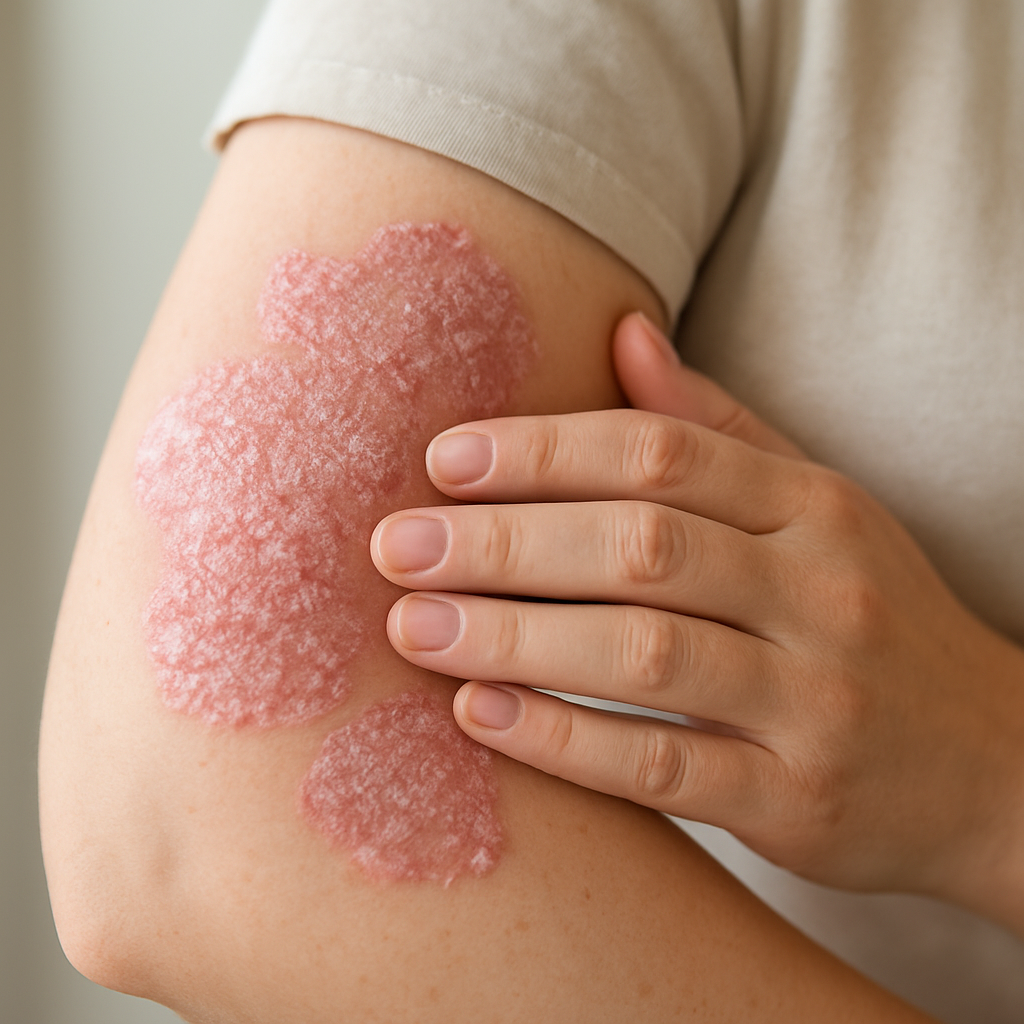
The most striking visual difference lies in the scales themselves. Plaque Psoriasis creates thick, silvery-white scales on raised red patches that appear almost coin-like. Atopic Dermatitis presents as dry, rough skin with a more scattered, less defined pattern that often oozes or crusts when scratched.
Location patterns tell another story. Plaque Psoriasis favors elbows, knees, scalp, and lower back—areas that experience friction. Atopic Dermatitis prefers skin folds like inner elbows, behind knees, and the face, especially in children. Age of onset also differs significantly: eczema typically begins in early childhood, while psoriasis often emerges during teenage years or early adulthood.
How to Tell Them Apart: Visual Differences
Spotting the difference between psoriasis and eczema starts with understanding their distinct visual signatures. While both conditions can cause red, inflamed skin, their appearance tells very different stories about what's happening beneath the surface.
“The texture of your skin patches often reveals more about your condition than the redness itself.”
Plaque Psoriasis creates thick, raised patches with characteristic silvery-white scales that look almost like candle wax when they flake off. These patches have well-defined borders and feel substantially thicker than the surrounding skin. The scales tend to build up in layers, creating a distinctive texture that's immediately recognizable once you know what to look for. Most commonly, you'll find these patches on your elbows, knees, scalp, and lower back.
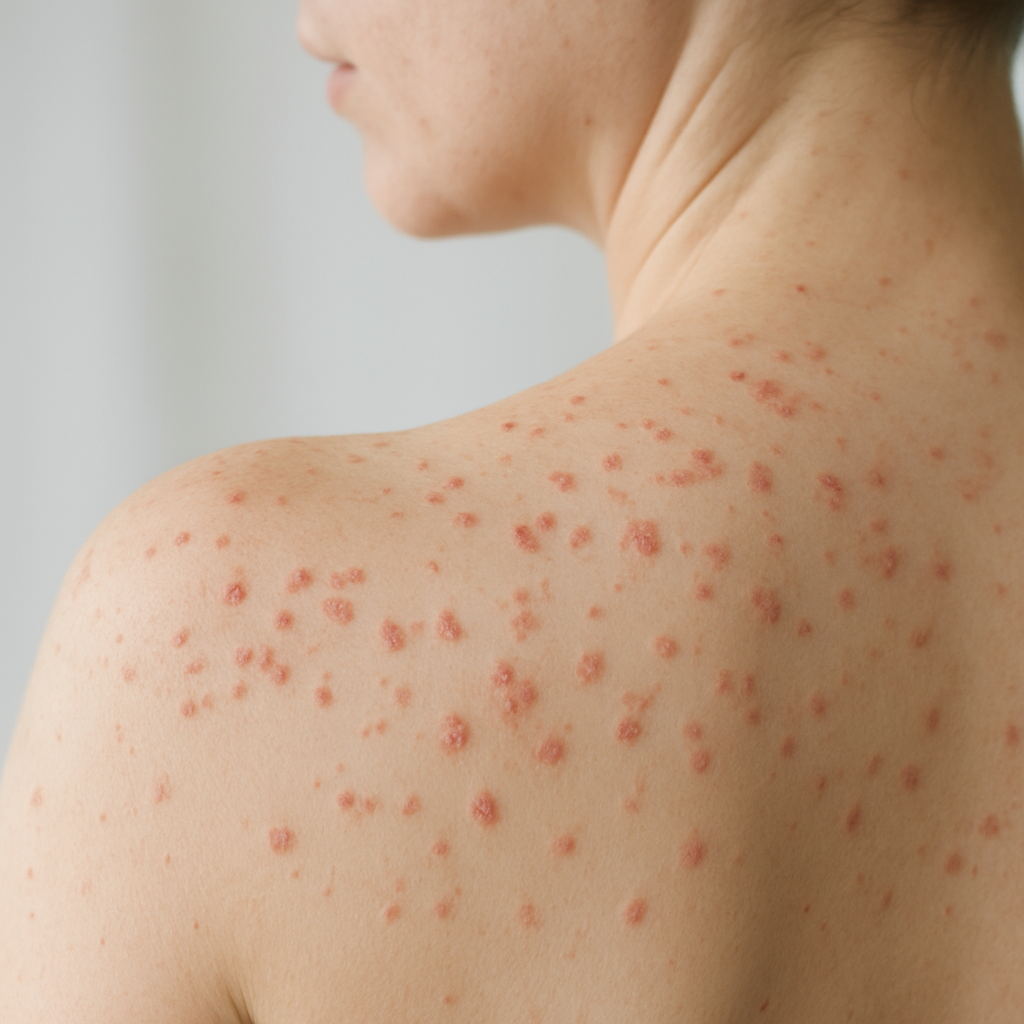
Atopic Dermatitis presents a completely different picture. The affected areas appear as dry, inflamed patches without the thick scaling seen in psoriasis. Instead of silvery scales, eczema often shows oozing or crusting lesions, especially during flare-ups. The skin looks and feels thinner, with a rough, leathery texture that develops from constant scratching. These patches typically appear on your face, neck, inner elbows, and behind your knees.
Color variations provide another crucial clue. Psoriasis patches maintain their raised, red appearance with stark white scales on top. Eczema ranges from bright red during active inflammation to darker, almost brownish patches in chronic cases. The surrounding skin in eczema often appears normal, while psoriasis can create a more dramatic contrast.
Understanding these visual differences helps you communicate more effectively with your dermatologist and reduces anxiety about permanent scarring. Both conditions are manageable with proper treatment, and early identification leads to better outcomes for achieving the clear skin you're seeking.
Where They Show Up: Location Patterns
The locations where psoriasis and eczema appear on your body provide crucial clues for proper identification. These conditions have distinctly different preferences for where they develop, making location one of the most reliable ways to tell them apart.
Plaque Psoriasis typically targets areas that experience frequent friction or trauma. You'll most commonly find it on the outer surfaces of your elbows and knees, across your scalp, and along your lower back. The patches often appear symmetrically, meaning if you have psoriasis on your left elbow, you're likely to develop it on your right elbow too. This symmetrical pattern occurs in roughly 80% of psoriasis cases.
Atopic Dermatitis prefers exactly the opposite locations. It gravitates toward skin folds and areas that bend frequently - the insides of your elbows, behind your knees, on your face and neck, and around your wrists and ankles. Unlike psoriasis, eczema patterns can appear asymmetrically and often start on one side before spreading.
Age plays a significant role in location patterns. Children with eczema typically develop patches on their face and scalp first, while adult eczema concentrates in the classic fold areas. Psoriasis location remains more consistent across age groups, though scalp involvement becomes more prominent in adults.
Understanding these location patterns helps reduce anxiety about permanent scarring, as knowing what condition you're dealing with guides appropriate treatment choices that can prevent lasting skin damage.
Symptoms: What You'll Feel
The sensations you experience reveal key differences between these two conditions. Plaque Psoriasis typically creates a burning or stinging feeling alongside moderate itching. Many people describe it as feeling like their skin is on fire, especially when patches crack and bleed. The thick, raised scales can feel tight and uncomfortable, particularly over joints that bend frequently.
Atopic Dermatitis brings intense, relentless itching that often disrupts sleep and daily activities. This isn't just mild discomfort – it's the kind of itch that demands scratching, which unfortunately makes everything worse. When scratched, eczema patches often ooze clear fluid and form crusts, creating a cycle of irritation.
Pain versus itch intensity helps distinguish between conditions. Psoriasis leans more toward pain and burning, especially when skin cracks. Eczema overwhelmingly favors intense itching that can feel unbearable at times.
Seasonal patterns also differ significantly. Psoriasis often worsens in winter due to dry air and less sunlight. Eczema flares unpredictably but frequently responds to environmental triggers like pollen, dust, or seasonal allergens. Many eczema sufferers notice improvements in summer humidity, while others struggle with heat-induced sweating.
Both conditions can cause social embarrassment, but understanding these symptom patterns helps you communicate more effectively with healthcare providers about your specific experience and pursue appropriate treatment faster.
Root Causes: Why They Develop
Understanding what triggers Plaque Psoriasis versus Atopic Dermatitis helps explain why these conditions develop and persist. Both conditions have strong genetic components, but they arise through completely different biological pathways that affect your skin's behavior.
Plaque Psoriasis stems from autoimmune dysfunction where your immune system mistakenly attacks healthy skin cells. This autoimmune response causes skin cells to multiply 10 times faster than normal, creating the characteristic thick, scaly patches. Your T-cells become overactive and trigger inflammation throughout affected areas. Genetic factors account for about 60-70% of psoriasis cases, with specific genes like HLA-Cw6 increasing your risk significantly.
Atopic Dermatitis develops through skin barrier dysfunction combined with genetic predisposition. Your skin loses its ability to retain moisture and protect against irritants due to mutations in genes like filaggrin. This creates a weakened barrier that allows allergens to penetrate deeper, triggering immune responses. About 15-20% of children develop this condition, often alongside asthma or food allergies.
Family history patterns differ between conditions. Psoriasis shows direct inheritance patterns where one parent with psoriasis gives you a 10-25% chance of developing it. Atopic Dermatitis follows broader allergic inheritance, where parents with any allergic condition increase your risk substantially.
Environmental triggers vary significantly. Psoriasis flares from stress, infections, certain medications, and trauma to skin. Atopic Dermatitis responds to allergens like dust mites, harsh soaps, weather changes, and emotional stress. Neither condition causes permanent scarring when properly managed, addressing common concerns about long-term skin damage.
Treatment Approaches: Different Paths to Relief
While both conditions cause frustrating skin symptoms, Plaque Psoriasis and Atopic Dermatitis require distinctly different treatment strategies. Understanding these differences helps you work with your dermatologist to find the most effective relief path for your specific condition.
Plaque Psoriasis treatment focuses heavily on slowing down the accelerated skin cell production that creates those thick, scaly patches. First-line treatments include topical corticosteroids to reduce inflammation and vitamin D analogs like calcipotriene to normalize skin cell growth. When topical treatments prove insufficient, dermatologists often recommend phototherapy or systemic medications. For moderate to severe cases, biologics target specific immune system pathways that drive psoriasis, offering impressive clearing rates for many patients.
Atopic Dermatitis treatment prioritizes repairing the skin barrier and controlling inflammation. Daily moisturizing forms the foundation of any eczema treatment plan, often providing dramatic improvement within weeks. Topical calcineurin inhibitors like tacrolimus offer effective anti-inflammatory action without steroid side effects. Oral antihistamines help control the intense itching that can lead to scratching and further skin damage.
The treatment philosophies differ significantly. Psoriasis management often requires systemic approaches targeting the autoimmune response, while eczema treatment emphasizes consistent topical care and trigger avoidance. Both conditions respond well to treatment when managed properly, and modern therapies can help prevent the permanent scarring that many patients fear. Success depends on finding the right combination of treatments and maintaining consistent long-term management with your dermatologist's guidance.
When to See a Dermatologist
Knowing when to seek professional help can prevent complications and avoid the permanent scarring that many patients fear. While mild symptoms might seem manageable at home, certain warning signs require immediate dermatologist consultation.
Red flags include rapidly spreading rashes, signs of infection like yellow crusting or fever, severe itching that disrupts sleep, or any skin condition that doesn't improve after two weeks of over-the-counter treatment. Joint pain accompanying a rash particularly warrants urgent evaluation, as this could indicate psoriatic arthritis.
Self-diagnosis carries significant limitations. Both psoriasis and eczema can mimic other conditions like fungal infections, contact dermatitis, or even skin cancer. For example, what appears to be simple dry skin might actually be early-stage psoriasis requiring prescription treatment.
Dermatologists offer specialized testing including skin biopsies, patch testing for allergens, and dermoscopy for detailed examination. They can also perform KOH tests to rule out fungal infections that present similarly to these conditions.
Treatment timelines vary significantly. Topical medications typically show results within 2-4 weeks, while systemic treatments for severe cases may take 3-6 months to demonstrate full effectiveness. Early professional intervention often leads to faster resolution and prevents the extensive scarring and social embarrassment that delayed treatment can cause.
Don't wait more than two weeks with persistent skin symptoms—early dermatologist consultation prevents complications and achieves clearer skin faster.
Frequently Asked Questions
What is the main visual difference between psoriasis and eczema?
Psoriasis creates thick, raised patches with silvery-white scales that look like candle wax, while eczema appears as dry, rough skin without thick scaling. Psoriasis patches have well-defined borders and feel substantially thicker than surrounding skin. Eczema often shows oozing or crusting lesions with a rough, leathery texture from scratching.
Where does psoriasis typically appear on the body?
Psoriasis commonly appears on areas that experience friction, including elbows, knees, scalp, and lower back. These locations are characteristic of plaque psoriasis and help distinguish it from other skin conditions. The patches in these areas typically have the distinctive thick, silvery-white scales.
Where does eczema usually show up on the body?
Eczema prefers skin folds such as inner elbows, behind knees, and the face, especially in children. It also commonly appears on the neck and other areas where skin touches skin. These locations are different from psoriasis, which favors areas of friction like elbows and knees.
At what age do psoriasis and eczema typically start?
Eczema typically begins in early childhood, with 15-20% of children affected by the condition. Psoriasis often emerges later, usually during teenage years or early adulthood, with typical onset between ages 15-35. This age difference is one of the key distinguishing factors between the two conditions.
How common are psoriasis and eczema?
Psoriasis affects 2-3% of adults, making it less common than eczema. Eczema is more prevalent, particularly in children, affecting 15-20% of the pediatric population. Both conditions are manageable with proper treatment when identified early.
Disclaimer: This content is for informational purposes only and does not constitute medical advice. Always consult a qualified healthcare provider before making health decisions.