What Is Psoriatic Arthritis?

Psoriatic arthritis is a chronic inflammatory condition that affects both your joints and skin simultaneously. This autoimmune disease develops when your body's immune system mistakenly attacks healthy joint tissue and skin cells, causing painful joint inflammation alongside the characteristic skin patches you may already know from psoriasis.
“Up to 30% of people with psoriasis will eventually develop psoriatic arthritis, making early recognition crucial for preventing joint damage.”
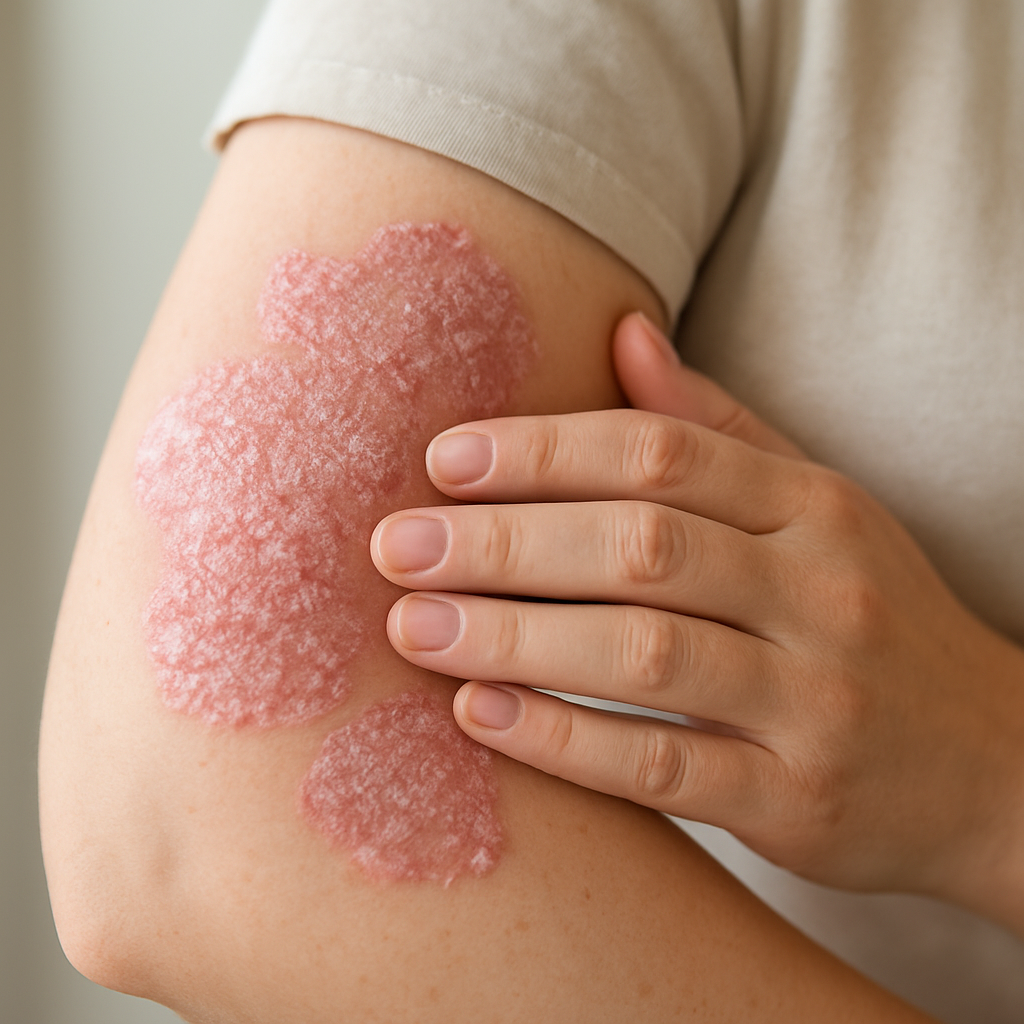
The connection to existing psoriasis runs deep. Most people develop joint symptoms years after their skin condition appears, though some experience both simultaneously. Plaque Psoriasis, the most common form characterized by thick, raised, scaly patches with silvery-white scales on red, inflamed skin, often precedes joint involvement by an average of 10 years.
Unlike rheumatoid arthritis, which typically affects joints symmetrically, psoriatic arthritis can strike any joint pattern. It frequently targets your spine, fingers, toes, and the places where tendons attach to bones. This unpredictable nature means symptoms can range from mild stiffness to severe joint deformity if left untreated.
Early recognition prevents permanent joint damage and helps maintain your quality of life while managing both skin and joint symptoms effectively.
Early Warning Signs and Symptoms

Recognizing psoriatic arthritis early can make a significant difference in managing the condition and preventing permanent joint damage. Unlike typical arthritis that affects older adults, psoriatic arthritis often strikes people in their 30s and 40s, making awareness crucial for younger patients experiencing unexplained symptoms.
Joint pain and stiffness represent the most common early signs. This discomfort typically affects the fingers, toes, wrists, knees, and ankles, though it can appear in any joint. The pain often feels different from typical exercise soreness – it's deeper, more persistent, and doesn't improve with rest.
“Morning stiffness lasting more than 30 minutes is often the first red flag that distinguishes psoriatic arthritis from normal joint aches.”
Swollen fingers and toes, called "sausage digits," create a distinctive appearance where entire digits become puffy and tender. This swelling extends beyond individual joints to affect the entire finger or toe, making it look like a small sausage.
Nail changes frequently accompany joint symptoms. Look for small pits or dents in your nails, yellowish discoloration, or nails that separate from the nail bed. These changes often appear before joint pain develops, serving as an early warning system.
Fatigue affects most patients with psoriatic arthritis, creating overwhelming tiredness that doesn't improve with sleep. Eye problems, including redness, pain, and blurred vision, can also signal the condition's presence. While concerns about visible symptoms are natural, early treatment prevents the progression that leads to permanent joint deformity and skin scarring.
Who Develops Psoriatic Arthritis?
Psoriatic arthritis can affect anyone, but certain groups face higher risks. Understanding these patterns helps you assess your own likelihood of developing this condition.
Age plays a significant role in development timing. Most people develop psoriatic arthritis between ages 30 and 50, though it can appear at any age. Children and teenagers occasionally develop the condition, while onset after 60 is less common but still possible.
Men and women develop psoriatic arthritis equally, with no gender showing clear dominance. However, men more commonly experience spinal involvement, while women often have more joint swelling in hands and feet.
Your family history matters enormously. Having relatives with psoriasis or psoriatic arthritis increases your risk significantly due to shared genetic factors. Specific genes like HLA-B27 contribute to susceptibility.
The strongest risk factor remains existing skin psoriasis. About 30% of people with Plaque Psoriasis eventually develop joint problems. Plaque Psoriasis creates thick, scaly patches with silvery-white scales on red, inflamed skin, typically appearing on elbows, knees, scalp, and lower back.
Environmental triggers like infections, stress, injuries, and certain medications can activate the condition in genetically predisposed individuals.
Types and Patterns of Joint Involvement
Psoriatic arthritis doesn't follow a one-size-fits-all pattern. The condition affects people differently, creating five distinct types that doctors use to guide treatment decisions.
Asymmetric arthritis is the most common form, affecting different joints on each side of your body. You might experience swelling in your right knee and left wrist, for example. This unpredictable pattern can make diagnosis challenging since it doesn't mirror typical rheumatoid arthritis.
Symmetric arthritis affects matching joints on both sides simultaneously, like both wrists or both ankles. This pattern resembles rheumatoid arthritis more closely and tends to be more severe.
Spinal involvement, called spondylitis, causes back stiffness and pain. Small joint patterns target fingers and toes, often causing dramatic swelling that creates "sausage digits."
Severity varies enormously between individuals. Some people experience mild, occasional flares while others face progressive joint damage. Understanding your specific pattern helps your healthcare team create an effective treatment strategy and address concerns about long-term joint function.
When to Seek Medical Care

Recognizing when to seek medical help for psoriatic arthritis can prevent permanent joint damage and help you maintain healthy skin. Early intervention makes a significant difference in outcomes, so don't wait if you notice warning signs.
Watch for red flag symptoms that require immediate attention. Joint swelling that doesn't improve after a few days, severe morning stiffness lasting over an hour, or sudden inability to use your hands or feet normally all warrant prompt medical evaluation. Fever combined with joint pain could signal infection and needs urgent care.
Start with your primary care doctor or dermatologist if you already see one for psoriasis. They can perform initial evaluations and refer you to specialists when needed. Rheumatologists specialize in joint conditions and handle most psoriatic arthritis treatment. Some cases require coordination between rheumatologists and dermatologists.
During your appointment, expect physical examination of affected joints, blood tests to check inflammation markers, and possibly imaging studies like X-rays or MRI scans. Your doctor will ask about family history, current symptoms, and how they affect daily activities.
Come prepared with specific questions about treatment options, expected outcomes, and lifestyle modifications. Ask about preventing joint damage and managing skin symptoms together, as addressing both concerns simultaneously often produces better results than treating them separately.
Living with Psoriatic Arthritis
Psoriatic arthritis doesn't have to control your life. While there's no cure, effective treatments help most people manage symptoms and prevent joint damage. Modern medications like biologics can dramatically reduce inflammation and slow disease progression when started early.
Your daily habits matter enormously. Regular exercise keeps joints flexible and muscles strong, even during mild flares. Swimming and walking are excellent low-impact options. Anti-inflammatory foods like fatty fish, leafy greens, and berries support your treatment plan.
Flares will happen, but you can minimize their impact. Track your triggers in a journal—stress, certain foods, or weather changes often worsen symptoms. During active flares, gentle stretching and warm baths provide relief without overdoing it.
The long-term outlook continues improving as research advances. Many people live full, active lives with proper treatment and self-care. Early diagnosis and consistent treatment prevent permanent joint damage and reduce skin involvement over time.
With proper treatment and lifestyle modifications, psoriatic arthritis is manageable and shouldn't prevent you from living an active, fulfilling life.
Frequently Asked Questions
What is psoriatic arthritis?
Psoriatic arthritis is a chronic inflammatory condition that affects both your joints and skin simultaneously. This autoimmune disease develops when your body's immune system mistakenly attacks healthy joint tissue and skin cells, causing painful joint inflammation alongside the characteristic skin patches you may already know from psoriasis. Unlike rheumatoid arthritis, which typically affects joints symmetrically, psoriatic arthritis can strike any joint pattern and frequently targets your spine, fingers, toes, and the places where tendons attach to bones.
How many people with psoriasis develop psoriatic arthritis?
Up to 30% of people with psoriasis will eventually develop psoriatic arthritis, making early recognition crucial for preventing joint damage. Most people develop joint symptoms years after their skin condition appears, with an average of 10 years between the onset of skin symptoms and joint involvement.
What are the early warning signs of psoriatic arthritis?
The most common early signs include joint pain and stiffness that affects fingers, toes, wrists, knees, and ankles, often feeling deeper and more persistent than typical exercise soreness. Morning stiffness lasting more than 30 minutes is often the first red flag. Other warning signs include swollen fingers and toes called 'sausage digits' and nail changes such as small pits, yellowish discoloration, or nails separating from the nail bed.
What age group is most affected by psoriatic arthritis?
Unlike typical arthritis that affects older adults, psoriatic arthritis often strikes people in their 30s and 40s. This makes awareness crucial for younger patients who may be experiencing unexplained joint symptoms along with existing psoriasis.
What are sausage digits in psoriatic arthritis?
Sausage digits are swollen fingers and toes that create a distinctive appearance where entire digits become puffy and tender. This swelling extends beyond individual joints to affect the entire finger or toe, making it look like a small sausage. This is one of the characteristic signs that can help distinguish psoriatic arthritis from other types of joint conditions.
Disclaimer: This content is for informational purposes only and does not constitute medical advice. Always consult a qualified healthcare provider before making health decisions.