What is Scalp Psoriasis?

Scalp psoriasis is a chronic autoimmune skin condition that creates thick, scaly, silvery patches on your scalp and surrounding areas. Unlike temporary skin irritations that heal quickly, this condition stems from your immune system mistakenly attacking healthy skin cells, causing them to multiply rapidly and form visible buildup.
“Scalp psoriasis results from your immune system attacking healthy skin cells, causing rapid cell turnover and visible scaling.”
The condition commonly affects your scalp, hairline, forehead, back of neck, and areas behind your ears. These patches can range from small, barely noticeable spots to large areas covering significant portions of your scalp. While scalp psoriasis can feel overwhelming, especially when patches are visible, understanding that it's an autoimmune response helps explain why standard dandruff treatments often prove ineffective and why specialized care becomes necessary for managing symptoms successfully.
Recognizing Scalp Psoriasis Symptoms

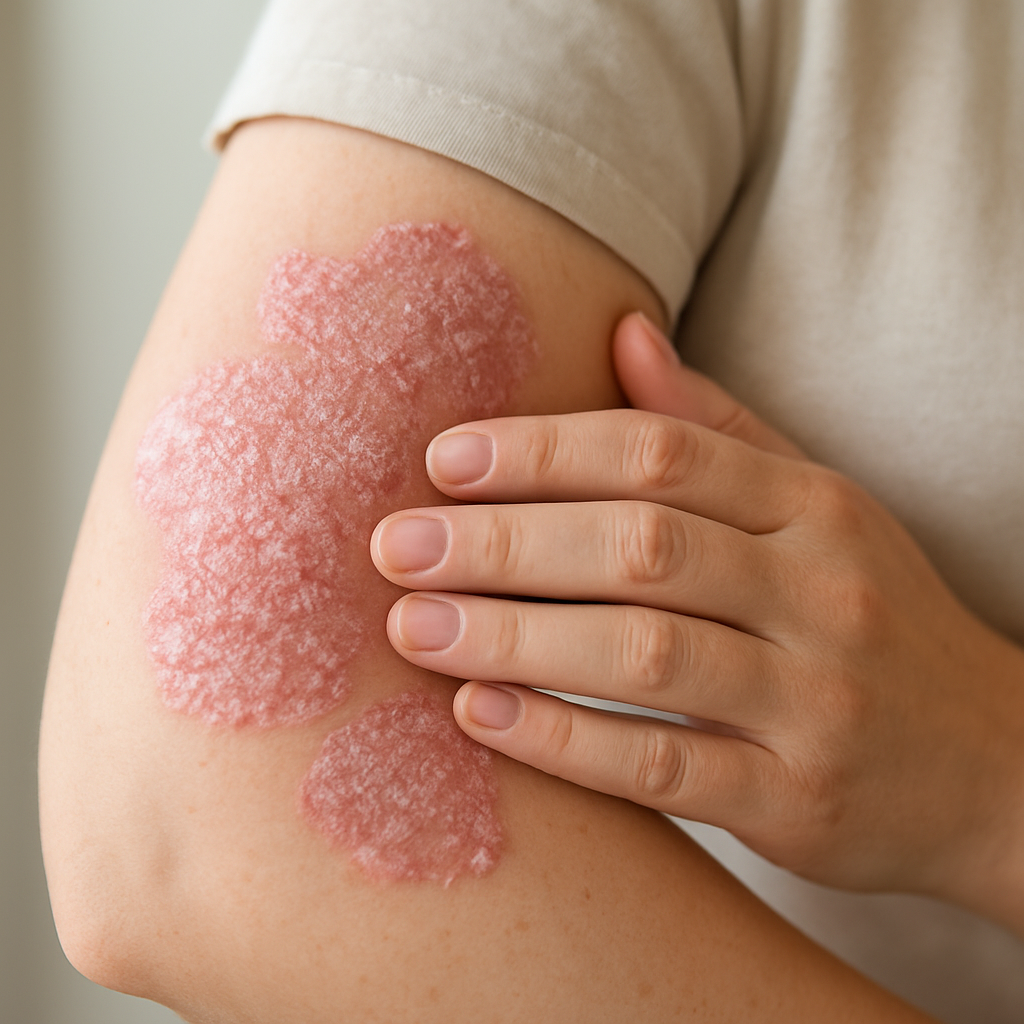
Scalp Psoriasis creates distinctive symptoms that set it apart from common dandruff or other scalp conditions. The most recognizable signs include thick, silvery-white scales covering raised red patches on your scalp. These scales often extend beyond your hairline onto your forehead, neck, or behind your ears.
“The intense itching and burning sensation can significantly impact your daily comfort and sleep quality.”
You'll experience persistent itching and burning sensations that worsen when you scratch. Hair loss commonly occurs when scales are forcibly removed, though this is typically temporary rather than permanent scarring. The flaking may resemble severe dandruff but appears much thicker and more stubborn.
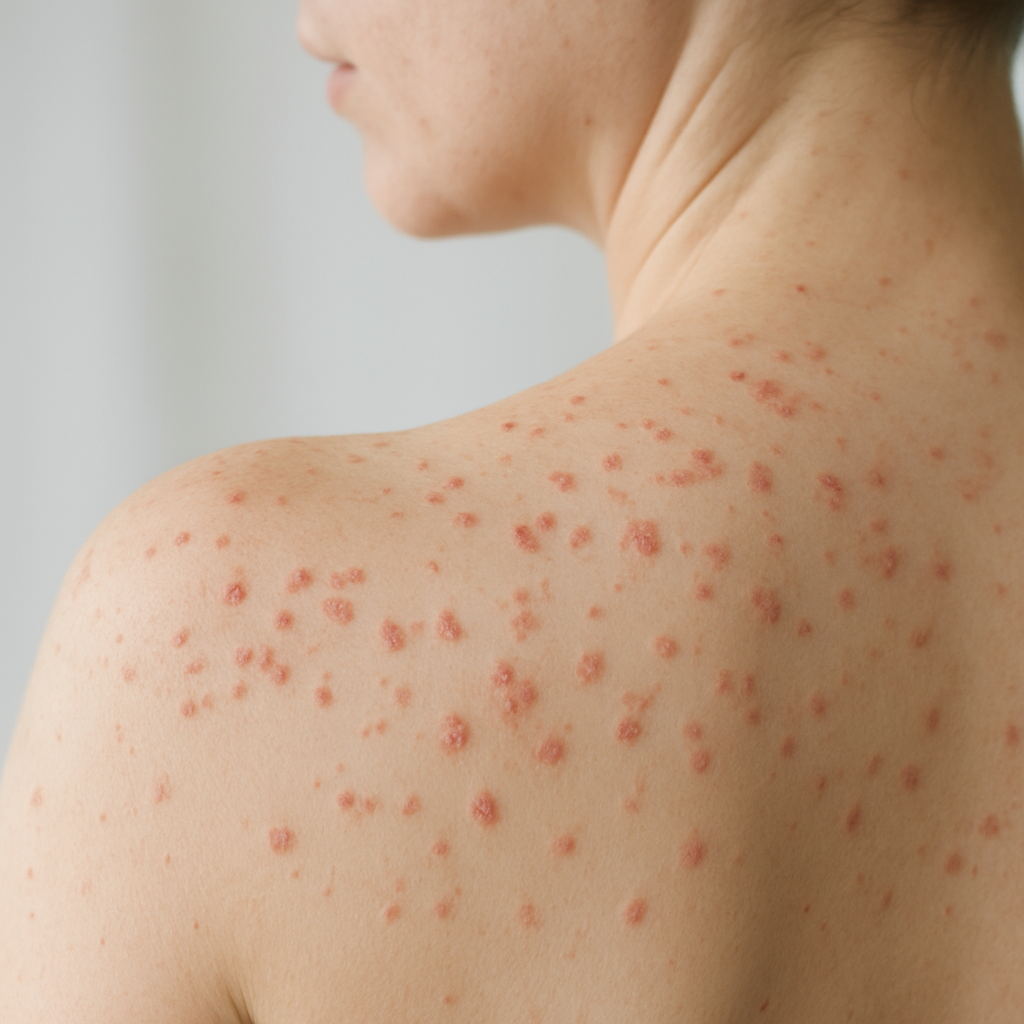
Unlike Atopic Dermatitis, which causes intense itching with oozing or crusting lesions, Scalp Psoriasis produces distinct silvery scales with well-defined borders. The patches feel raised and rough to the touch, making them easily distinguishable from the smoother, more inflamed appearance of eczema.
Causes and Risk Factors
Scalp Psoriasis develops when your immune system mistakenly attacks healthy skin cells, causing them to multiply too quickly. This autoimmune condition stems from genetic predisposition—if one parent has psoriasis, you have a 16% chance of developing it; with both parents affected, your risk jumps to 50%.
Common triggers include stress, strep throat infections, and certain medications like lithium or beta-blockers. Lifestyle factors such as smoking, excessive alcohol consumption, and scalp trauma from tight hairstyles can worsen symptoms. Understanding these triggers helps you take control and reduce flare-ups, preventing the progression that causes permanent scarring concerns.
Treatment Options for Scalp Psoriasis

The good news is that scalp psoriasis responds well to treatment, and most people see significant improvement within weeks. Your dermatologist will recommend treatment based on how severe your symptoms are.
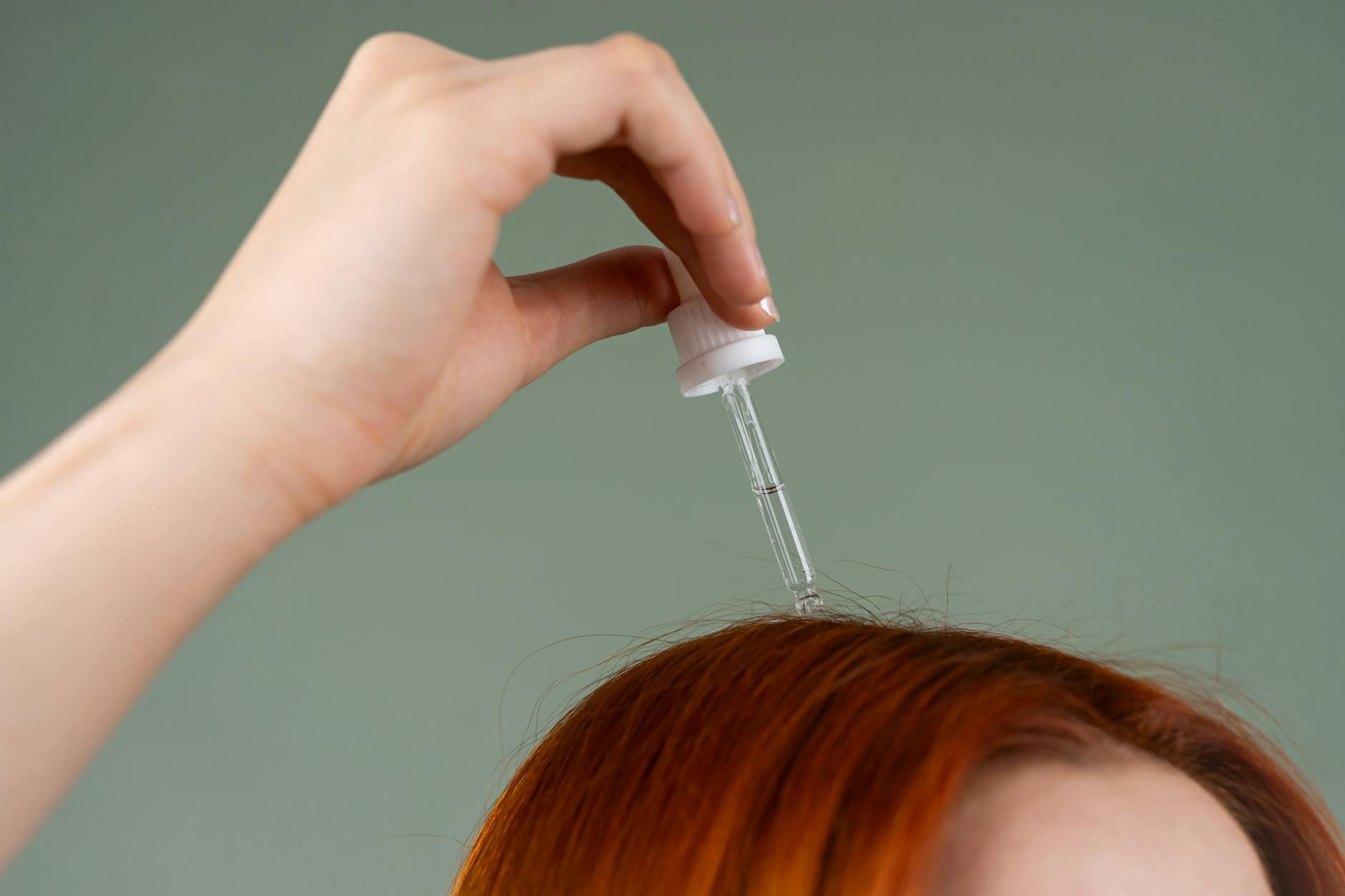
For mild scalp psoriasis, medicated shampoos containing ingredients like ketoconazole or selenium sulfide work as first-line treatments. Topical corticosteroids in foam or solution form penetrate the scalp effectively without leaving your hair greasy. Many patients see clearer skin within 2-4 weeks of consistent use.
Moderate cases often benefit from coal tar preparations, which slow down rapid skin cell production. Salicylic acid helps remove thick scales, making other treatments more effective. For example, using a salicylic acid shampoo before applying a corticosteroid can double the medication's penetration.
Severe scalp psoriasis may require phototherapy treatments or systemic medications like methotrexate or biologics. These treatments address the underlying immune system dysfunction and prevent the permanent scarring that worries many patients. With proper treatment, you can achieve clear skin and maintain it long-term.
When to See a Dermatologist
Seek professional help when scalp psoriasis disrupts your daily activities or causes significant discomfort. If over-the-counter treatments fail to improve symptoms after 2-3 weeks, schedule a dermatologist appointment for proper evaluation and stronger treatment options.
Watch for warning signs that require immediate medical attention. Red, warm, or tender areas with pus indicate possible infection. Severe inflammation with extensive scaling or hair loss also warrants urgent care. These complications can worsen without professional treatment and may lead to permanent damage.
Getting an accurate diagnosis prevents unnecessary worry about permanent scarring. Dermatologists can distinguish scalp psoriasis from similar conditions like seborrheic dermatitis or fungal infections. They'll also determine if you have plaque psoriasis elsewhere, which affects 2-3% of the global population and often appears alongside scalp symptoms.
See a dermatologist when home treatments fail after three weeks or if you notice signs of infection or severe inflammation.
Frequently Asked Questions
What is scalp psoriasis?
Scalp psoriasis is a chronic autoimmune skin condition that creates thick, scaly, silvery patches on your scalp and surrounding areas. It stems from your immune system mistakenly attacking healthy skin cells, causing them to multiply rapidly and form visible buildup. The condition commonly affects your scalp, hairline, forehead, back of neck, and areas behind your ears.
What are the symptoms of scalp psoriasis?
The most recognizable signs include thick, silvery-white scales covering raised red patches on your scalp that often extend beyond your hairline. You'll experience persistent itching and burning sensations that worsen when you scratch. Hair loss commonly occurs when scales are forcibly removed, though this is typically temporary rather than permanent scarring.
What causes scalp psoriasis?
Scalp psoriasis develops when your immune system mistakenly attacks healthy skin cells, causing them to multiply too quickly. This autoimmune condition stems from genetic predisposition—if one parent has psoriasis, you have a 16% chance of developing it; with both parents affected, your risk jumps to 50%. Common triggers include stress, strep throat infections, certain medications like lithium or beta-blockers, smoking, excessive alcohol consumption, and scalp trauma from tight hairstyles.
How is scalp psoriasis different from dandruff?
Unlike common dandruff, scalp psoriasis produces thick, silvery-white scales with well-defined borders that feel raised and rough to the touch. The flaking may resemble severe dandruff but appears much thicker and more stubborn. Standard dandruff treatments often prove ineffective because scalp psoriasis is an autoimmune condition that requires specialized care.
Can scalp psoriasis be treated?
Yes, scalp psoriasis responds well to treatment, and most people see significant improvement within weeks. For mild cases, medicated shampoos containing ingredients like ketoconazole or selenium sulfide work as first-line treatments. Topical corticosteroids in foam or solution form penetrate the scalp effectively without leaving your hair greasy, with many patients seeing clearer skin within 2-4 weeks of consistent use.
Disclaimer: This content is for informational purposes only and does not constitute medical advice. Always consult a qualified healthcare provider before making health decisions.