Understanding Your Psoriasis Treatment Journey

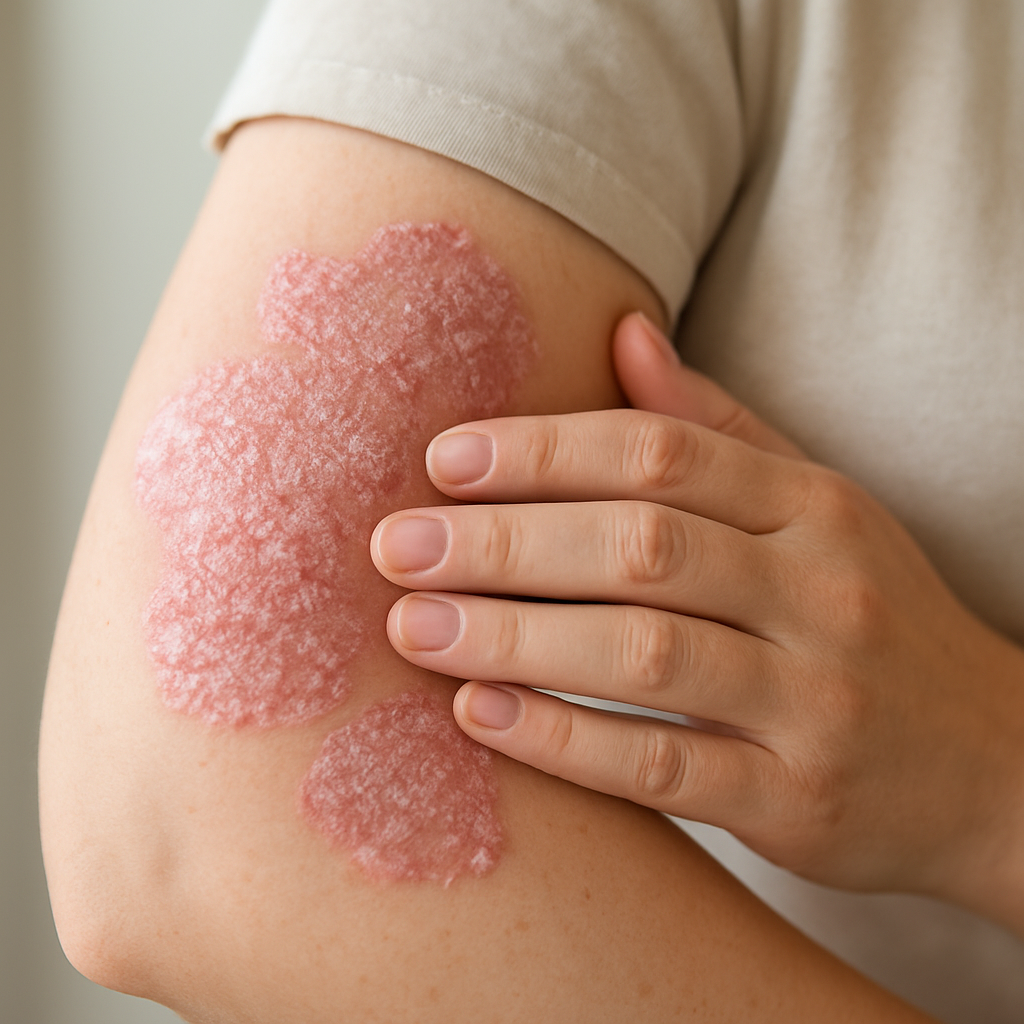
Finding the right psoriasis treatment doesn't happen overnight, but understanding your options helps you work effectively with your dermatologist. Treatment success depends heavily on your specific type and severity of psoriasis. Plaque Psoriasis, the most common form affecting 2-3% of the global population, typically develops thick, raised patches with silvery-white scales on red, inflamed skin.
“Treatment success depends heavily on your specific type and severity of psoriasis.”
Your dermatologist will likely recommend a step-by-step approach, starting with topical treatments for mild cases and progressing to phototherapy or systemic medications for more severe conditions. This systematic method helps minimize side effects while maximizing results. Building a strong partnership with your dermatologist ensures you receive personalized care that addresses both your medical needs and concerns about appearance and social comfort.
Topical Treatments: First-Line Defense
When you receive a plaque psoriasis diagnosis, your dermatologist will likely start with topical treatments. These medications work directly on your skin to reduce the thick, scaly patches and silvery-white scales that characterize this chronic autoimmune condition.
“Topical corticosteroids remain the most prescribed first-line treatment because they quickly reduce inflammation and provide visible improvement within days.”
Topical corticosteroids target inflammation effectively, making them your doctor's go-to choice for initial treatment. These range from mild hydrocortisone for sensitive areas like your face to stronger options like clobetasol for stubborn plaques on elbows and knees. You'll see results quickly, but prolonged use can thin your skin.
Vitamin D analogs like calcipotriene offer a gentler long-term solution. They slow down the accelerated skin cell production that creates those frustrating thick patches. While they take longer to work than steroids, they're safer for extended use and won't cause skin thinning.
Coal tar preparations, though less appealing due to their smell and staining properties, remain effective for many patients. Modern formulations are more cosmetically acceptable than older versions.
Apply treatments to clean, slightly damp skin for better absorption. Start with thin layers and follow your doctor's instructions exactly to avoid side effects and achieve clearer skin faster.
Light Therapy (Phototherapy)

When topical treatments aren't enough, light therapy offers a proven next step for moderate psoriasis. This treatment uses controlled ultraviolet light to slow down the rapid skin cell growth that causes psoriasis plaques.
Two main types exist: narrowband UVB therapy and PUVA (combining UVA light with a light-sensitizing medication). Narrowband UVB is typically tried first since it's safer and doesn't require medication. PUVA is reserved for severe cases or when UVB fails to work effectively.
Treatment typically requires three sessions per week for 12-16 weeks, with careful monitoring to prevent burning. While home light units exist, clinic treatments provide better monitoring and stronger equipment. The controlled exposure won't cause permanent scarring when properly managed, making this a safe option for achieving clearer skin.
Systemic Medications for Moderate to Severe Psoriasis
When topical treatments and light therapy aren't enough, your dermatologist may recommend systemic medications that work throughout your entire body. These powerful treatments target the immune system dysfunction that drives psoriasis, offering hope for clearer skin when other options have failed.
Methotrexate stands as the most widely prescribed traditional systemic treatment. This weekly oral medication suppresses immune activity and can significantly reduce plaques within 8-12 weeks. Cyclosporine works faster, often showing results within 4-6 weeks, but doctors typically limit use to short-term periods due to kidney concerns.
Both medications require regular blood monitoring to check liver function, kidney health, and blood cell counts. Your doctor will schedule tests every 4-12 weeks depending on the medication and your response.
Many dermatologists use these traditional systemics as "bridge therapy" while waiting for biologic approvals or during biologic breaks, ensuring continuous symptom control without treatment gaps that could worsen your condition.
Biologic Treatments: Targeted Therapy
Biologic medications represent the most advanced psoriasis treatments available today. Unlike traditional immunosuppressants that broadly suppress your immune system, biologics target specific proteins that drive psoriasis inflammation. This precision approach delivers remarkable results while minimizing side effects.
Three main types of biologics treat psoriasis effectively. TNF inhibitors like adalimumab (Humira) block tumor necrosis factor, a key inflammatory protein. IL-17 inhibitors such as secukinumab (Cosentyx) target interleukin-17, while IL-23 inhibitors like guselkumab (Tremfya) block interleukin-23. Each works by interrupting different inflammatory pathways that cause your skin cells to multiply rapidly.
Most patients see dramatic improvement within 12-16 weeks, with many achieving completely clear skin. Injection schedules vary from weekly to every three months, depending on the specific biologic. For example, Tremfya requires only four injections per year after the initial loading doses.
The primary barrier is cost, typically ranging from $3,000-$7,000 monthly. However, most insurance plans cover biologics for moderate to severe psoriasis, and manufacturers offer patient assistance programs that can reduce out-of-pocket costs to $10-50 per injection. This advanced therapy can restore your confidence and prevent the permanent scarring that untreated severe psoriasis sometimes causes.
Lifestyle and Complementary Approaches

While medical treatments target psoriasis at the source, lifestyle modifications provide essential support for clearer skin and prevent embarrassing flare-ups. A consistent moisturizing routine forms the foundation—apply thick creams or ointments immediately after showering to lock in moisture and prevent the dry, scaly patches that make psoriasis obvious to others.
Stress management proves crucial since emotional stress triggers flare-ups in most patients. Practice relaxation techniques, maintain regular sleep schedules, and identify your personal stress triggers to avoid them when possible.
Diet modifications show promise for some people. Reduce inflammatory foods like processed meats and refined sugars while increasing omega-3 rich fish and antioxidant-packed vegetables. Unlike Atopic Dermatitis, which affects 15-20% of children and shares similar inflammatory pathways, psoriasis responds particularly well to anti-inflammatory dietary approaches.
These lifestyle changes work best alongside medical treatments rather than replacing them. Combining both approaches accelerates improvement and helps maintain long-term clear skin.
Working with Your Dermatologist
Building a strong partnership with your dermatologist is crucial for successful psoriasis management. Come prepared with specific questions about each treatment option, including expected timelines, potential side effects, and cost considerations.
Document symptoms, triggers, and treatment responses with photos and notes.
Report any concerns or lack of improvement after the agreed trial period.
Most treatments require 8-12 weeks to show significant results.
If you don't see improvement after three months or experience bothersome side effects, discuss switching treatments. Your dermatologist can adjust your plan based on your response and lifestyle needs.
Successful psoriasis treatment requires patience, open communication with your dermatologist, and consistent tracking of your skin's response to find the right approach for you.
Frequently Asked Questions
What is the most common type of psoriasis and how does it affect people?
Plaque psoriasis is the most common form, affecting 2-3% of the global population. It typically develops thick, raised patches with silvery-white scales on red, inflamed skin. This chronic autoimmune condition creates frustrating thick patches due to accelerated skin cell production.
What are the first-line treatments for mild psoriasis?
Dermatologists typically start with topical treatments for mild cases of psoriasis. Topical corticosteroids are the most prescribed first-line treatment because they quickly reduce inflammation and provide visible improvement within days. These medications work directly on the skin to reduce the thick, scaly patches characteristic of psoriasis.
How effective is light therapy for psoriasis treatment?
Light therapy offers a proven treatment option for moderate psoriasis when topical treatments aren't enough. Narrowband UVB therapy has a 75% response rate and typically requires three sessions per week for 12-16 weeks. This treatment uses controlled ultraviolet light to slow down the rapid skin cell growth that causes psoriasis plaques.
What is the difference between vitamin D analogs and corticosteroids for psoriasis?
Topical corticosteroids work quickly to reduce inflammation but can thin your skin with prolonged use. Vitamin D analogs like calcipotriene offer a gentler long-term solution by slowing down accelerated skin cell production. While vitamin D analogs take longer to work than steroids, they're safer for extended use and won't cause skin thinning.
How should I apply topical psoriasis treatments for best results?
Apply treatments to clean, slightly damp skin for better absorption. Start with thin layers and follow your doctor's instructions exactly to avoid side effects. Following these application guidelines helps you achieve clearer skin faster while minimizing potential complications.
Disclaimer: This content is for informational purposes only and does not constitute medical advice. Always consult a qualified healthcare provider before making health decisions.