What Causes Psoriasis: The Underlying Factors

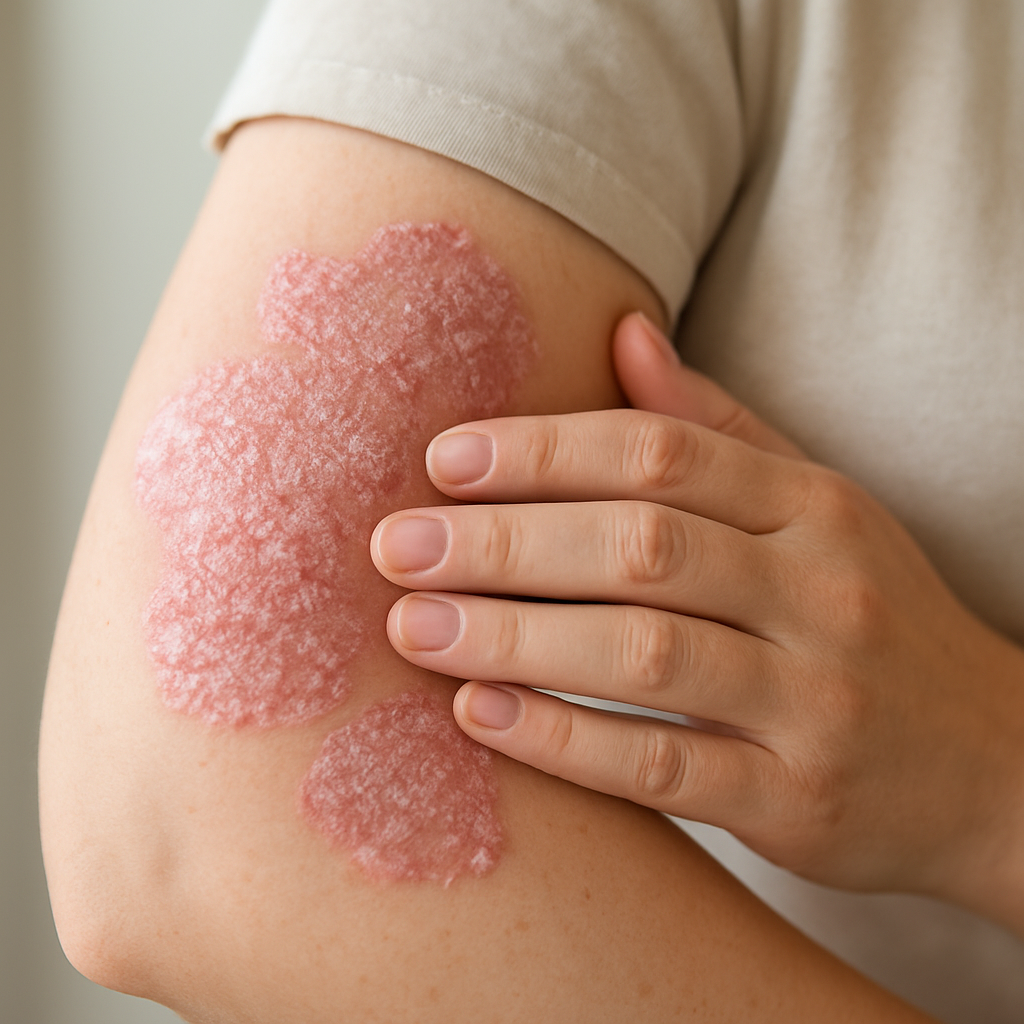
Psoriasis isn't just dry skin or a simple rash—it's a chronic autoimmune condition where your immune system mistakenly attacks healthy skin cells. This misdirected immune response causes your skin cells to multiply up to ten times faster than normal, creating the thick, scaly patches characteristic of conditions like Plaque Psoriasis.
“Psoriasis develops when your immune system turns against your own skin, accelerating cell production beyond what your body can naturally shed.”
Genetics play a significant role in psoriasis development. If one parent has psoriasis, you have about a 15% chance of developing it. With both parents affected, this risk jumps to 60%. However, having the genetic predisposition doesn't guarantee you'll develop psoriasis—environmental triggers must activate these dormant genes.
Common environmental triggers include stress, infections (especially strep throat), certain medications, smoking, and obesity. While psoriasis patches may appear permanent and concerning, understanding these underlying causes helps doctors develop targeted treatment plans that can effectively manage symptoms and prevent future flare-ups.
Common Psoriasis Triggers You Can Control

While you can't change your genetics, you have significant power over many factors that trigger psoriasis flares. Understanding these controllable triggers helps you prevent outbreaks before they start, reducing your risk of visible patches and scarring that causes social anxiety.
Stress ranks as the most common psoriasis trigger, affecting up to 80% of patients. When you experience chronic stress, your body releases cortisol and inflammatory chemicals that directly worsen psoriasis symptoms. Combat stress through daily meditation, regular exercise, or counseling. Even 10 minutes of deep breathing can lower stress hormones and protect your skin.
“When you experience chronic stress, your body releases cortisol and inflammatory chemicals that directly worsen psoriasis symptoms.”
Physical trauma to your skin, known as the Koebner phenomenon, creates new psoriasis patches exactly where injuries occur. Cuts, scrapes, sunburns, and even tight clothing friction can trigger outbreaks. Protect your skin by wearing loose clothing, using sunscreen religiously, and treating minor wounds immediately with antibiotic ointment.
Weather changes dramatically impact psoriasis severity. Cold, dry winter air strips moisture from your skin, while indoor heating further dehydrates your cells. Use a humidifier to maintain 30-50% humidity levels, apply moisturizer within three minutes of showering, and wear protective clothing outdoors.
Smoking and excessive alcohol consumption significantly worsen psoriasis. Cigarettes contain toxins that trigger inflammation throughout your body, while alcohol interferes with your immune system's ability to heal skin properly. Smokers experience 40% more severe psoriasis symptoms than non-smokers. Quitting smoking and limiting alcohol to one drink daily can dramatically improve your skin within weeks.
Medications That Can Trigger Psoriasis
Certain prescription medications can worsen psoriasis symptoms or trigger new flare-ups, even if your skin has been clear. Understanding which drugs pose risks helps you work with your doctor to find safer alternatives without compromising your health.
Beta-blockers, commonly prescribed for high blood pressure and heart conditions, rank among the most frequent medication triggers. Drugs like propranolol and metoprolol can cause psoriasis to flare within weeks of starting treatment. Lithium, used for bipolar disorder, and antimalarial medications like hydroxychloroquine can also provoke significant skin reactions.
NSAIDs like ibuprofen and naproxen can worsen existing psoriasis, while sudden steroid withdrawal often causes rebound flares that appear more severe than the original condition. This rebound effect particularly concerns patients worried about permanent scarring, but proper medical supervision during steroid tapering minimizes this risk.
Never stop prescribed medications without medical guidance. Instead, schedule an appointment to discuss alternatives when you notice skin changes after starting new drugs. Your doctor can often switch you to psoriasis-friendly options that treat your underlying condition effectively.
Infections and Immune System Triggers
Your body's immune system and infections work closely together to influence psoriasis flares. When your immune system fights off infections, it can accidentally trigger the overactive skin cell production that characterizes psoriasis.
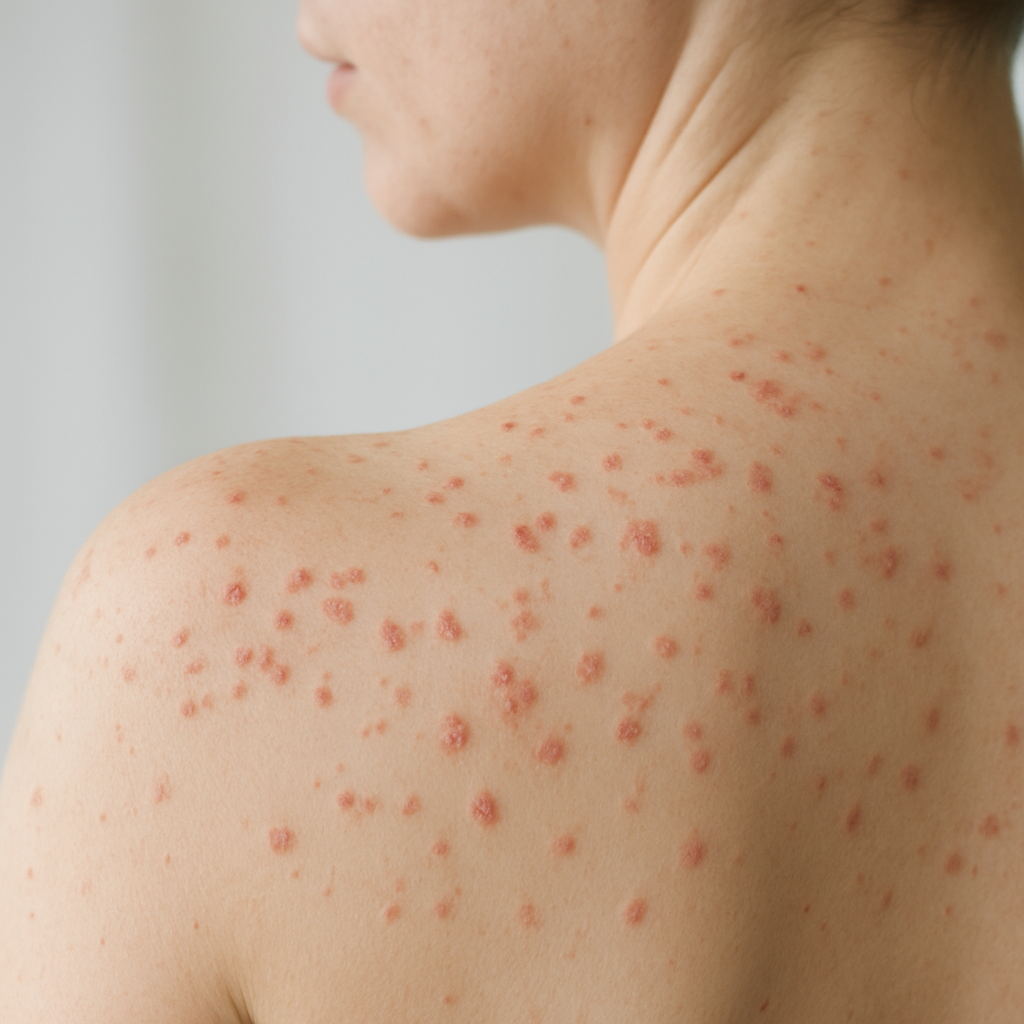
Streptococcal throat infections are notorious for triggering guttate psoriasis, especially in children and young adults. This type of psoriasis appears as small, drop-shaped patches scattered across your body. The connection is so strong that doctors often test for strep when guttate psoriasis suddenly appears.
Respiratory infections like colds and flu can also worsen existing psoriasis. Skin infections, including cuts that become infected, create similar inflammatory responses that trigger flares.
People with HIV or other immune-compromised conditions face unique challenges, as their weakened immune systems can lead to more severe psoriasis that's harder to control.
Prompt treatment of any infection is crucial. Don't worry about permanent scarring from temporary flares - treating the underlying infection typically helps your skin return to its baseline condition faster.
Managing Your Personal Trigger Profile

Taking control of your psoriasis begins with understanding your unique trigger patterns. While general triggers like stress and weather affect many people, your specific combination requires personal detective work. The key is systematic tracking and professional guidance.
Record daily activities, stress levels, diet, weather, medications, and skin condition for at least 8 weeks to identify patterns.
Bring your diary to your dermatologist who can identify connections you might miss and rule out conditions like Atopic Dermatitis.
Develop specific action plans for your identified triggers, including backup treatments for unexpected flares.
Your dermatologist can help distinguish between psoriasis and Atopic Dermatitis, which affects 15-20% of children and shares some similar triggers. Both conditions involve skin barrier dysfunction, but require different management approaches.
When triggers are unavoidable—like work stress or seasonal changes—focus on damage control. Preemptive treatment during high-risk periods can prevent minor irritation from becoming a full flare. This proactive approach often prevents the visible patches that cause social embarrassment, helping you maintain confidence while your skin heals.
Remember that trigger patterns can change over time, especially during major life transitions. Regular check-ins with your healthcare team ensure your management strategy evolves with your needs.
When to Seek Professional Help
Severe psoriasis symptoms require immediate medical attention to prevent permanent scarring and complications. Contact a dermatologist if you experience thick, cracking plaques that bleed, sudden widespread flare-ups covering more than 10% of your body, or signs of infection like pus or fever.
Dermatologists use detailed trigger questionnaires, patch testing, and symptom tracking to identify your specific patterns. They analyze your lifestyle, diet, stress levels, and medication history to create personalized treatment plans that target your unique triggers while addressing current symptoms.
Treatment adjustments happen regularly based on trigger identification and seasonal patterns. Your dermatologist may modify topical treatments, prescribe systemic medications, or recommend phototherapy depending on how well you respond and which triggers remain active in your environment.
Professional help transforms trigger management from guesswork into targeted treatment that prevents flares before they start.
Frequently Asked Questions
What causes psoriasis?
Psoriasis is a chronic autoimmune condition where your immune system mistakenly attacks healthy skin cells, causing them to multiply up to ten times faster than normal. Genetics play a significant role, with a 15% chance if one parent has psoriasis and 60% if both parents are affected. However, environmental triggers like stress, infections, certain medications, smoking, and obesity must activate these dormant genes for psoriasis to develop.
Can stress cause psoriasis flare-ups?
Yes, stress ranks as the most common psoriasis trigger, affecting up to 80% of patients. When you experience chronic stress, your body releases cortisol and inflammatory chemicals that directly worsen psoriasis symptoms. Combat stress through daily meditation, regular exercise, counseling, or even 10 minutes of deep breathing to lower stress hormones and protect your skin.
Does smoking make psoriasis worse?
Yes, smoking significantly worsens psoriasis symptoms. Cigarettes contain toxins that trigger inflammation throughout your body, and smokers experience 40% more severe psoriasis symptoms than non-smokers. Quitting smoking and limiting alcohol to one drink daily can dramatically improve your skin within weeks.
What is the Koebner phenomenon in psoriasis?
The Koebner phenomenon is when physical trauma to your skin creates new psoriasis patches exactly where injuries occur. Cuts, scrapes, sunburns, and even tight clothing friction can trigger outbreaks. You can protect your skin by wearing loose clothing, using sunscreen religiously, and treating minor wounds immediately with antibiotic ointment.
How does weather affect psoriasis?
Weather changes dramatically impact psoriasis severity, with cold, dry winter air stripping moisture from your skin while indoor heating further dehydrates your cells. Use a humidifier to maintain 30-50% humidity levels, apply moisturizer within three minutes of showering, and wear protective clothing outdoors. These steps help prevent weather-related psoriasis flare-ups.
Disclaimer: This content is for informational purposes only and does not constitute medical advice. Always consult a qualified healthcare provider before making health decisions.