What Is Erythematotelangiectatic Rosacea?

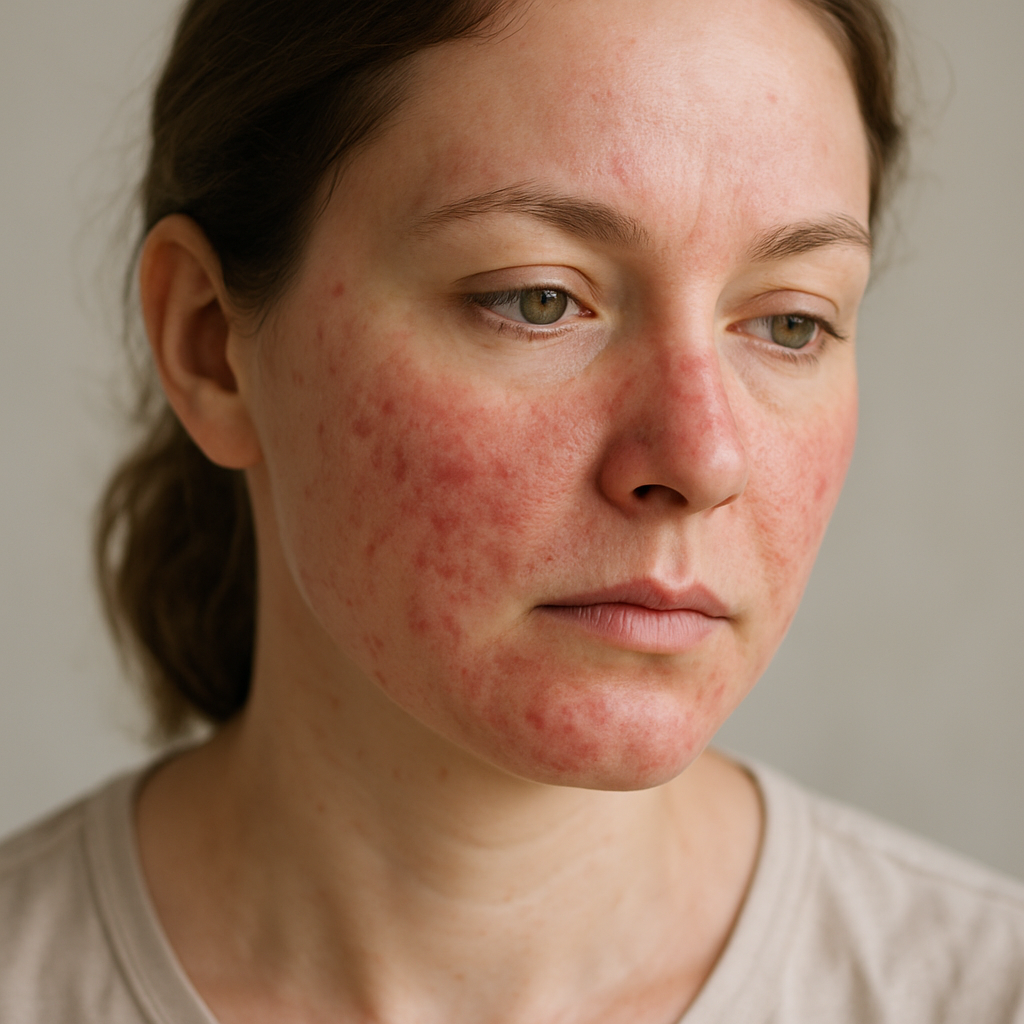
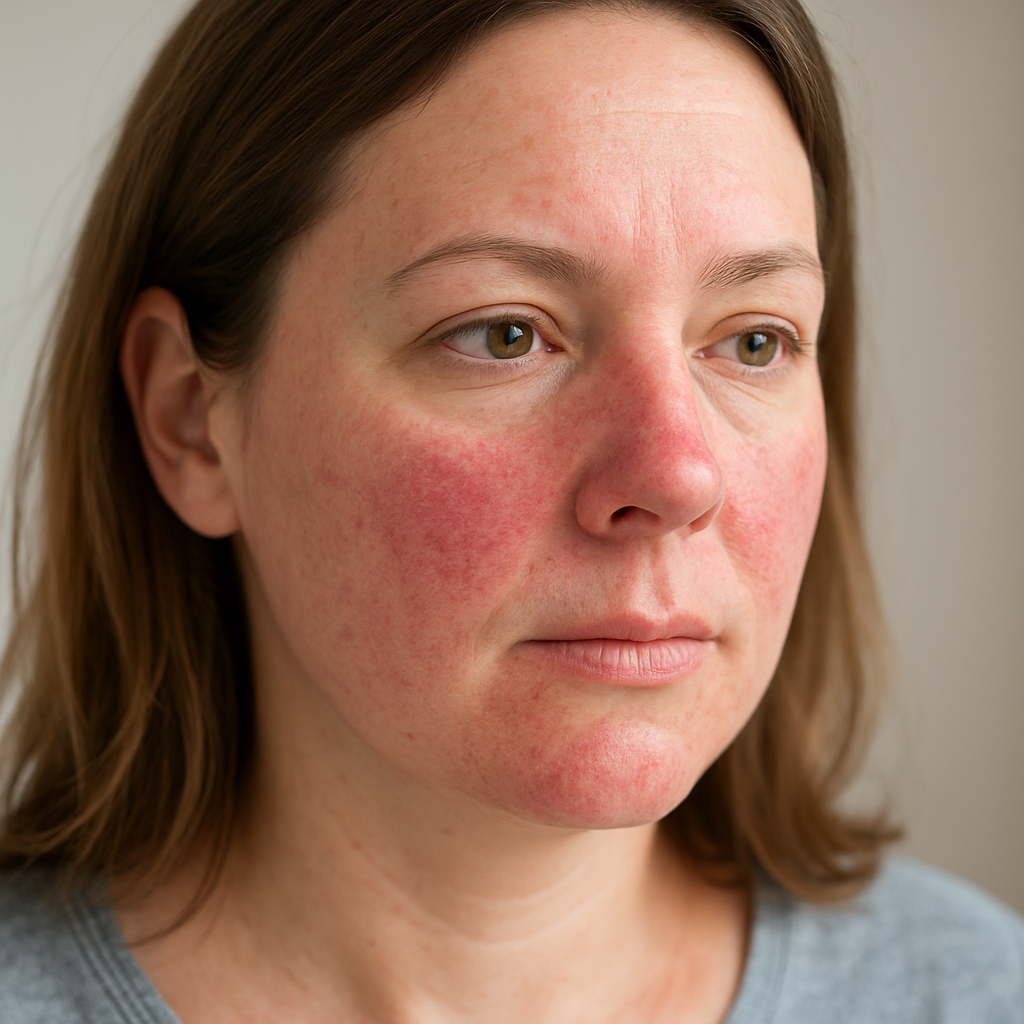
Erythematotelangiectatic rosacea (ETR) is a chronic inflammatory skin condition that causes persistent facial redness, visible blood vessels, and frequent flushing episodes. This common form of rosacea primarily affects the central areas of your face, including your cheeks, nose, chin, and forehead.
“ETR creates a cycle of inflammation that can worsen without proper treatment, but understanding your condition is the first step toward clearer skin.”
Adults between 30 and 60 years old develop ETR most frequently, though it can appear at any age. The condition carries the medical classification code L71.9 and affects millions of people worldwide. Unlike temporary blushing, the redness from ETR persists even when you're not experiencing emotional stress or heat exposure.
While ETR won't cause permanent scarring like acne, the visible symptoms can feel overwhelming. The good news is that proper identification and treatment can significantly reduce redness and prevent flare-ups from becoming more severe over time.
Signs and Symptoms

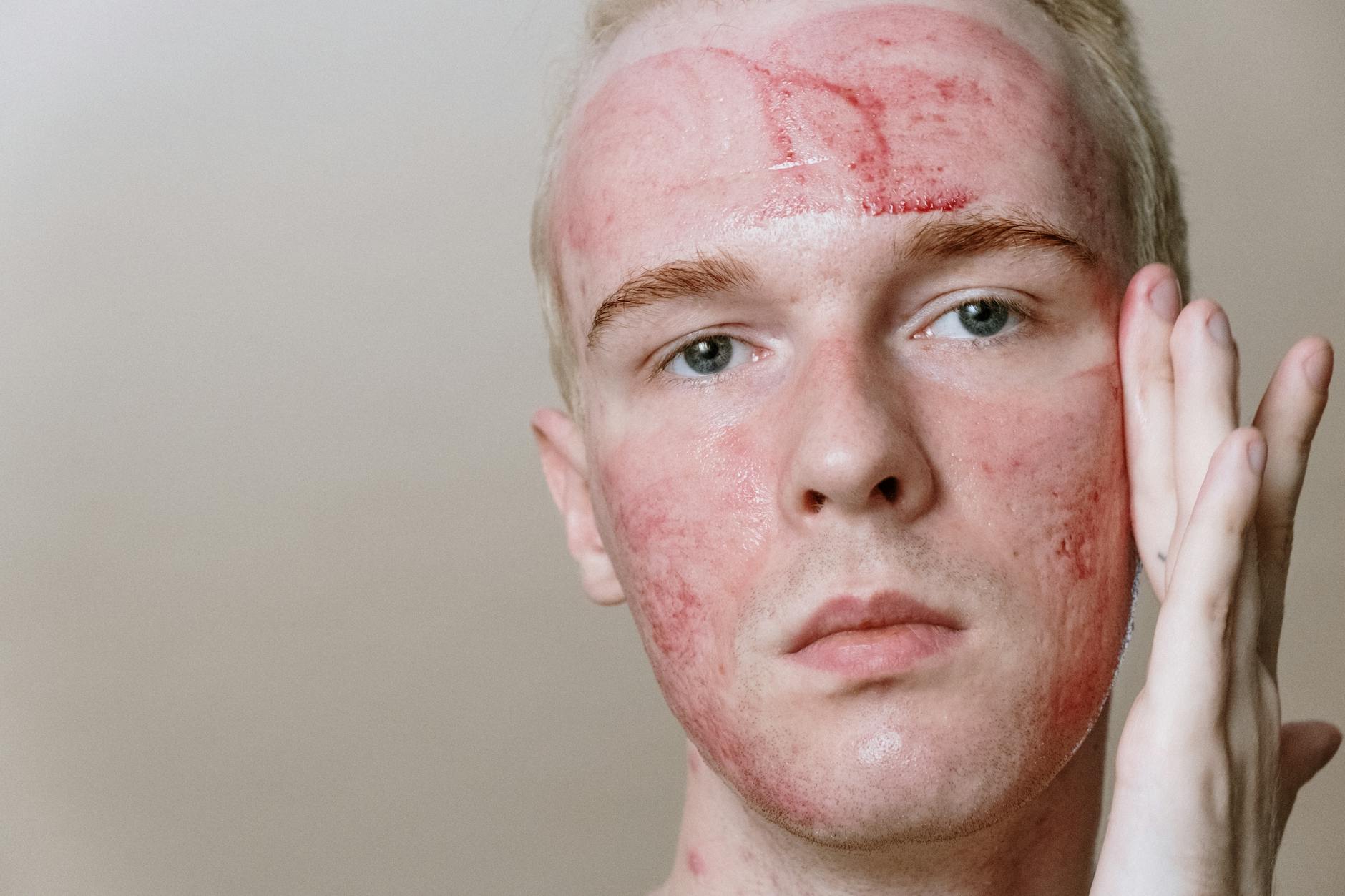
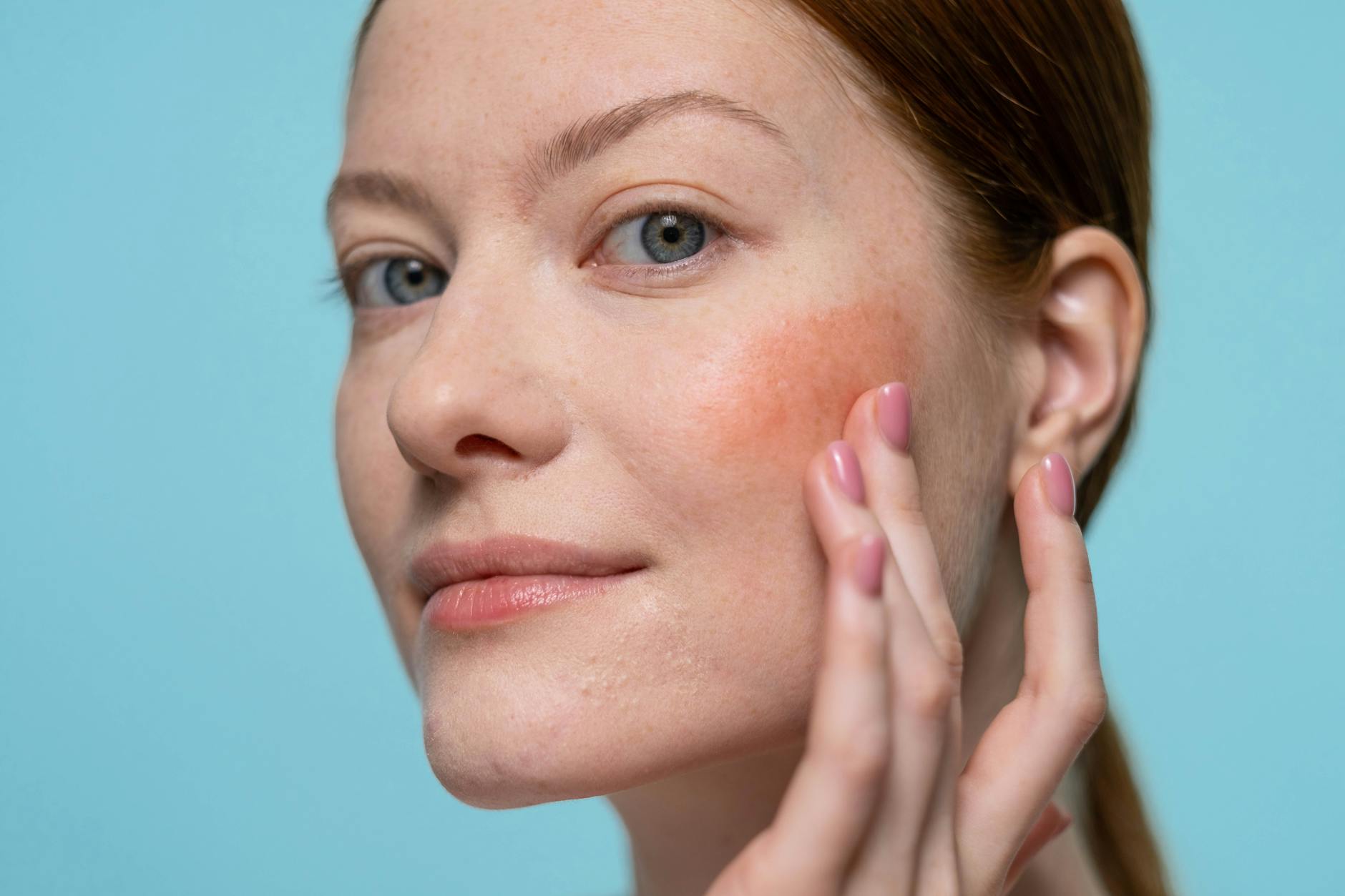
Erythematotelangiectatic rosacea creates distinct visual changes on your face that develop gradually over time. The most noticeable symptom is persistent facial redness, particularly across your cheeks, nose, chin, and forehead. This redness doesn't fade like a normal blush and often appears as a permanent flush.
“The redness doesn't fade like a normal blush and often appears as a permanent flush.”
Visible blood vessels, called telangiectasias, become apparent as thin red lines across your cheeks and nose. You'll also experience frequent flushing episodes triggered by heat, spicy foods, alcohol, or stress. These episodes cause temporary intensification of your baseline redness and can feel overwhelming in social situations.
Physical discomfort accompanies the visible symptoms. Your skin may burn, sting, or feel unusually sensitive to skincare products you previously tolerated well. While permanent scarring is rare with this type of rosacea, early treatment prevents progression to more severe forms.
What Causes Erythematotelangiectatic Rosacea?
Erythematotelangiectatic rosacea develops when blood vessels in your face become abnormally dilated and lose their ability to contract properly. This creates the persistent redness and visible spider veins that characterize the condition.
Your immune system plays a significant role, often overreacting to normal triggers and causing inflammation. Genetics matter too—if your parents had rosacea, you're more likely to develop it.
Several risk factors increase your chances of developing this condition. Fair-skinned individuals face higher risk, particularly those of Northern European descent. Environmental triggers like sun exposure, hot weather, spicy foods, alcohol, and stress can activate flare-ups. While these factors don't cause permanent scarring like severe acne, they can worsen symptoms and make redness more persistent without proper management.
How ETR Differs from Other Skin Conditions

Erythematotelangiectatic rosacea often gets confused with other common skin conditions, but key differences help distinguish it. Unlike Acne Vulgaris, ETR doesn't produce blackheads, whiteheads, or the characteristic pustules that appear during teenage years. Acne typically affects oily, sebaceous gland-rich areas with comedones and inflammatory lesions.
ETR also differs significantly from Atopic Dermatitis, which creates dry, scaly, intensely itchy patches that often begin in childhood. Eczema causes skin barrier dysfunction and appears behind knees or inner elbows, while ETR centers on facial redness and visible blood vessels.
Most importantly, ETR lacks the deep, painful cysts characteristic of Cystic Acne. While cystic acne creates pus-filled nodules that can cause permanent scarring, ETR presents as persistent facial flushing and spider-like blood vessels without the painful, inflamed bumps that make cystic acne so concerning for patients worried about lasting skin damage.
Treatment Options for ETR
Effective treatment for erythematotelangiectatic rosacea combines daily prevention with targeted therapies. Topical metronidazole gel serves as the first-line prescription treatment, reducing inflammation and redness when applied twice daily. Daily sunscreen protection remains crucial since UV exposure triggers flare-ups and worsens symptoms.
Your skincare routine should emphasize gentleness. Use fragrance-free cleansers and moisturizers designed for sensitive skin. Avoid scrubs, alcohol-based products, and harsh ingredients that irritate already inflamed skin.
For severe cases with persistent inflammation, oral antibiotics like doxycycline help control symptoms from within. Laser therapy and intense pulsed light (IPL) treatments target visible blood vessels, offering longer-term improvement for telangiectasias.
Professional dermatology care ensures proper diagnosis and personalized treatment plans. Early intervention prevents progression to more severe rosacea subtypes and reduces the risk of permanent skin changes.
Consistent daily sun protection and gentle skincare, combined with appropriate medical treatment, effectively manages ETR symptoms.
Frequently Asked Questions
What is erythematotelangiectatic rosacea?
Erythematotelangiectatic rosacea (ETR) is a chronic inflammatory skin condition that causes persistent facial redness, visible blood vessels, and frequent flushing episodes. It primarily affects the central areas of your face, including your cheeks, nose, chin, and forehead. Unlike temporary blushing, the redness from ETR persists even when you're not experiencing emotional stress or heat exposure.
What are the main symptoms of ETR?
The most noticeable symptom is persistent facial redness that appears as a permanent flush across your cheeks, nose, chin, and forehead. You'll also see visible blood vessels called telangiectasias as thin red lines across your face and experience frequent flushing episodes triggered by heat, spicy foods, alcohol, or stress. Physical discomfort includes burning, stinging, or unusual sensitivity to skincare products.
What causes erythematotelangiectatic rosacea?
ETR develops when blood vessels in your face become abnormally dilated and lose their ability to contract properly, creating persistent redness and visible spider veins. Your immune system often overreacts to normal triggers causing inflammation, and genetics play a significant role. Environmental triggers like sun exposure, hot weather, spicy foods, alcohol, and stress can activate flare-ups.
Who is most likely to develop ETR?
Adults between 30 and 60 years old develop ETR most frequently, though it can appear at any age. Fair-skinned individuals face higher risk, particularly those of Northern European descent. Women are twice as likely to develop the condition compared to men, and genetics matter - if your parents had rosacea, you're more likely to develop it.
How is ETR different from acne?
Unlike acne vulgaris, ETR doesn't produce blackheads, whiteheads, or the characteristic pustules that appear during teenage years. While ETR won't cause permanent scarring like acne, it creates persistent facial redness and visible blood vessels rather than the inflammatory bumps associated with acne. ETR primarily affects adults between 30-60, while acne typically develops during teenage years.
Disclaimer: This content is for informational purposes only and does not constitute medical advice. Always consult a qualified healthcare provider before making health decisions.