What Is Ocular Rosacea?

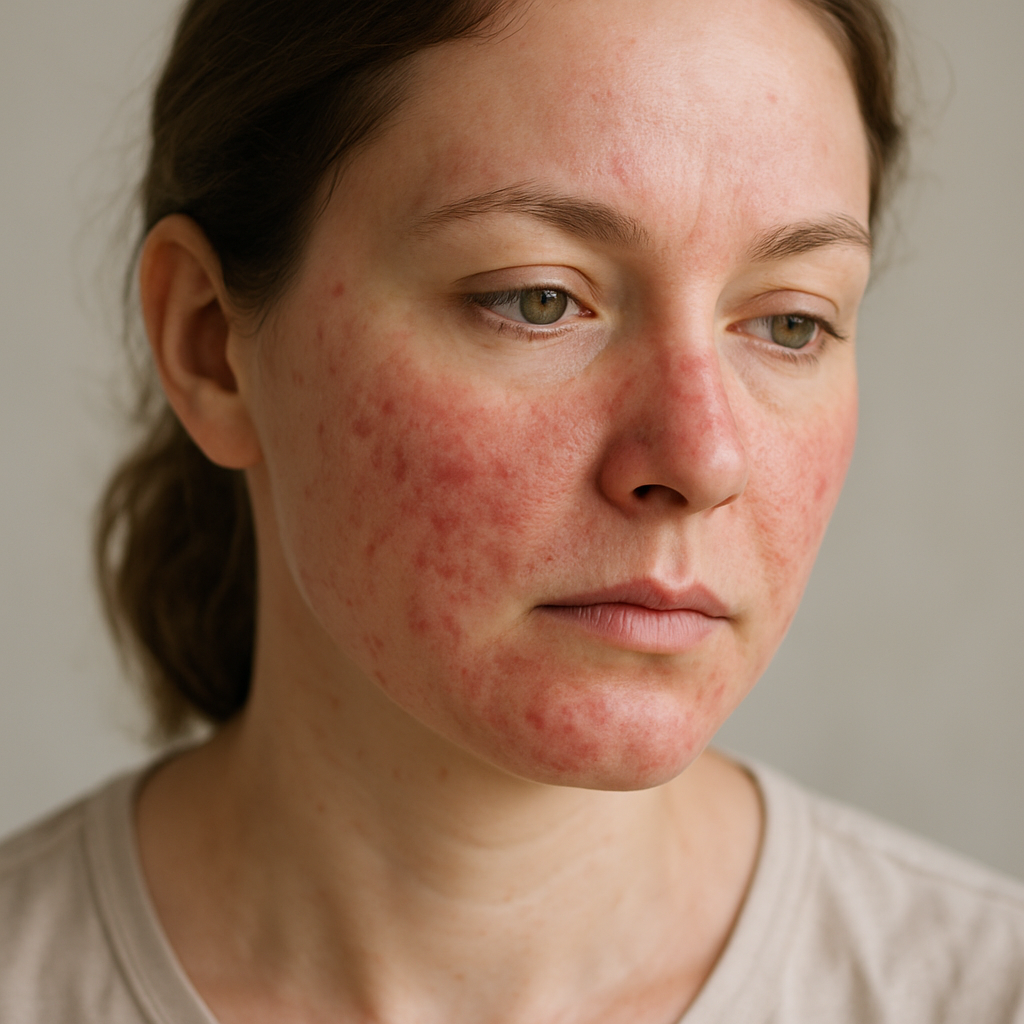
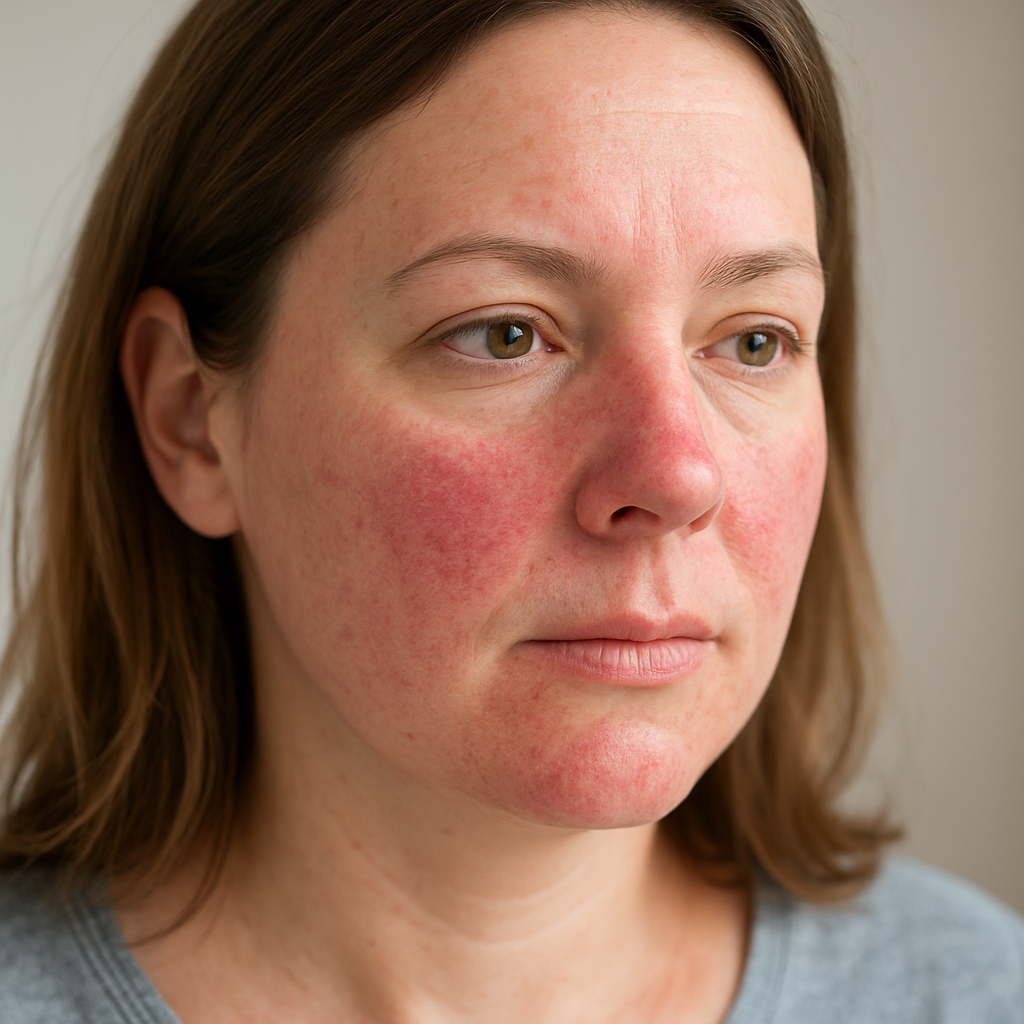
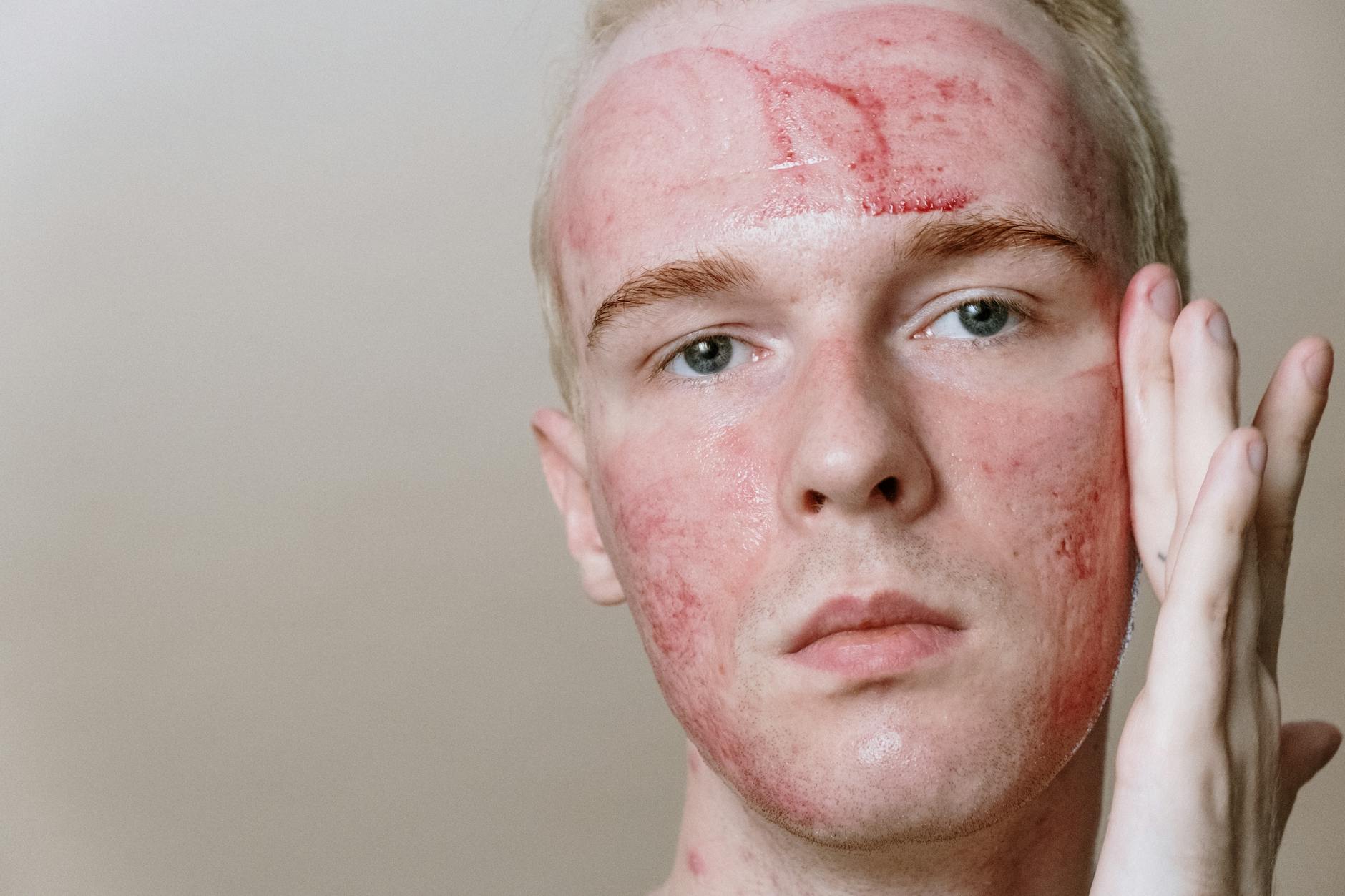
Ocular rosacea is a subtype of rosacea that specifically affects the eyes and surrounding areas. While traditional rosacea primarily causes persistent facial redness, visible blood vessels, papules, and pustules on the central face, ocular rosacea extends this chronic inflammatory condition to include your eyes and eyelids.
“Ocular rosacea affects up to 58% of people who have facial rosacea, making it one of the most common subtypes of this inflammatory condition.”
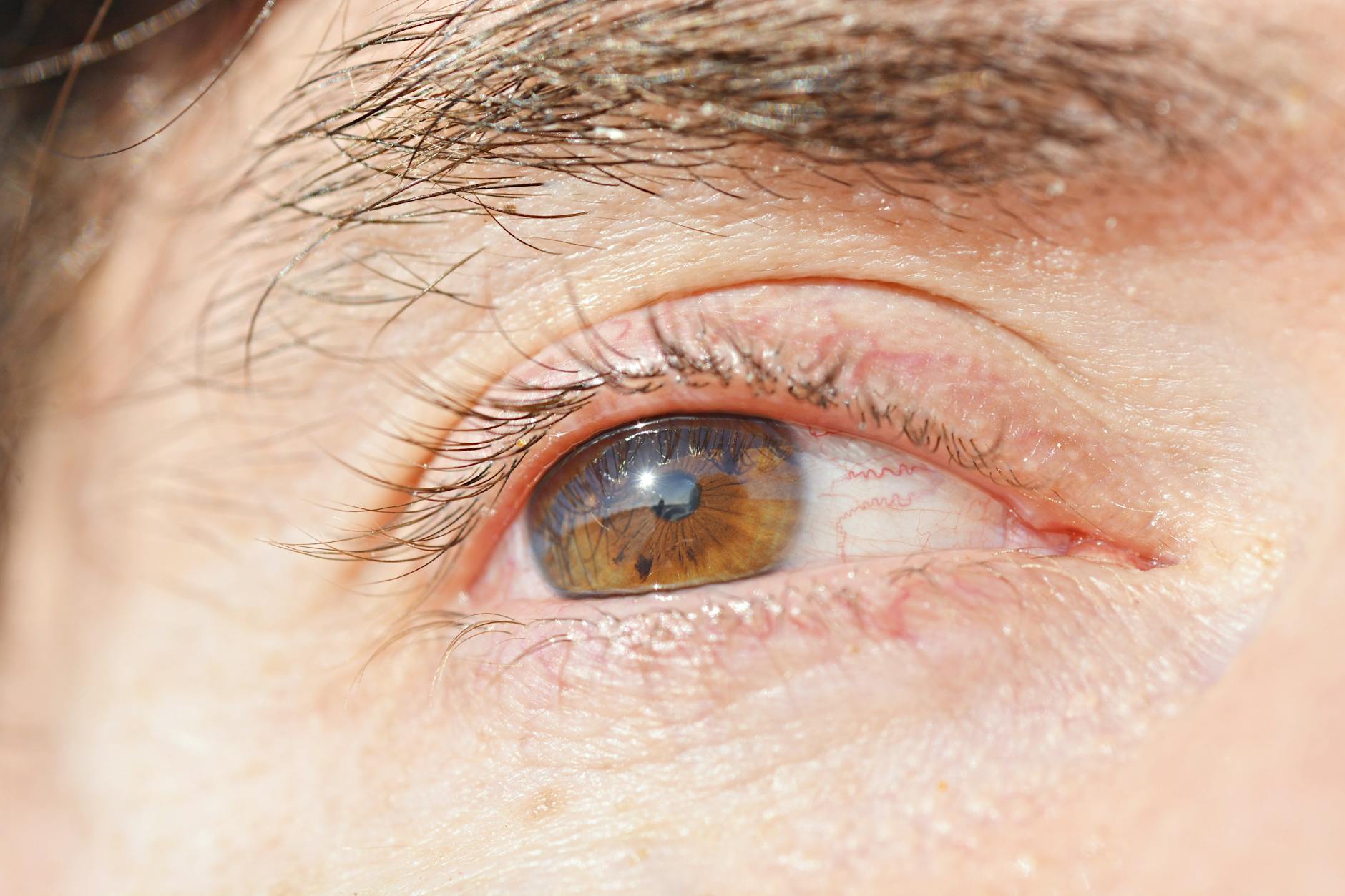
This condition causes irritated, dry, and burning eyes along with inflamed eyelids. You might notice your eyes feel gritty, like there's sand in them, or experience excessive tearing. The eyelids often appear red and swollen, and you may develop small bumps along the lash line called chalazion or styes.
Ocular rosacea differs from common eye conditions like allergic conjunctivitis or dry eye syndrome because it stems from the same inflammatory process that affects facial rosacea. For example, while seasonal allergies cause temporary eye irritation, ocular rosacea creates persistent inflammation that worsens without proper treatment.
The good news is that ocular rosacea responds well to treatment when properly diagnosed. While concerns about permanent eye damage are understandable, early intervention prevents serious complications and helps you achieve clearer, more comfortable eyes quickly.
Recognizing Ocular Rosacea Symptoms

Ocular rosacea presents distinct eye-related symptoms that can easily be mistaken for other conditions like allergies or infections. The earliest signs often include persistent burning, stinging, or gritty sensations in your eyes, as if sand particles are trapped beneath your lids. Your eyes may feel unusually dry despite producing tears, creating an uncomfortable cycle of irritation.
“The burning sensation in ocular rosacea feels different from typical dry eyes—it's more intense and often accompanied by facial redness.”
Eyelid inflammation becomes increasingly noticeable as the condition progresses. Your eyelids may appear red, swollen, or develop small bumps along the lash line. Many people notice their eyelids feel heavy or tender to touch. Crusty deposits often form overnight, making your eyes feel sticky when you wake up.
Vision-related symptoms can develop gradually. You might experience blurred vision that comes and goes, increased sensitivity to light, or frequent tearing that doesn't provide relief. Some people develop recurring styes or chalazions—small, painful bumps on the eyelids.
Understanding these progression patterns helps distinguish ocular rosacea from temporary eye irritation. Unlike allergic reactions that resolve quickly, ocular rosacea symptoms persist and often worsen without proper treatment. Early recognition prevents permanent complications like corneal damage, addressing concerns about lasting effects on your appearance and eye health.
Causes and Risk Factors
Ocular rosacea rarely occurs alone. Most people who develop this eye condition already have facial rosacea or will develop it later. The same inflammatory processes that cause facial flushing and bumps can affect the delicate tissues around your eyes.
Your genes play a significant role in determining your risk. If your parents or siblings have rosacea, you're more likely to develop it yourself. Fair-skinned individuals of Northern European descent face the highest risk.
Environmental triggers can worsen symptoms or spark flare-ups. Common culprits include sun exposure, hot beverages, spicy foods, alcohol, stress, and extreme temperatures. Wind and certain skincare ingredients may also aggravate the condition.
Age matters too. Ocular rosacea typically emerges between ages 30 and 50, though it can occur earlier or later. Women develop it twice as often as men, particularly during menopause when hormonal changes may trigger symptoms. Understanding these risk factors helps you recognize when symptoms warrant medical attention and avoid unnecessary worry about permanent damage.
How Ocular Rosacea Differs from Other Conditions
Many eye conditions share similar symptoms with ocular rosacea, making accurate diagnosis crucial. Understanding these differences helps you communicate effectively with your doctor and avoid unnecessary worry about permanent damage to your eyes or surrounding skin.
Dry eye syndrome primarily affects tear production and eye moisture, causing burning and grittiness. However, ocular rosacea typically includes visible blood vessel dilation and eyelid inflammation that dry eye alone doesn't cause. While both conditions create discomfort, ocular rosacea often accompanies facial redness and bumps.
Atopic Dermatitis around the eyes creates intensely itchy, dry, scaly patches that often develop during childhood. Unlike ocular rosacea's burning sensation, Atopic Dermatitis causes severe itching with visible skin thickening and sometimes oozing lesions. This chronic inflammatory skin condition typically affects multiple body sites including the face, neck, and inner elbows.
Allergic conjunctivitis produces watery discharge and intense itching triggered by specific allergens like pollen or pet dander. Ocular rosacea symptoms persist regardless of allergen exposure and rarely include the clear, watery discharge characteristic of allergic reactions. The redness pattern also differs significantly between these conditions.
Treatment and Management Options

Effective treatment for ocular rosacea combines medical interventions with daily management practices. Your ophthalmologist or dermatologist will likely prescribe oral antibiotics like tetracycline or doxycycline as the first line of treatment. These medications reduce inflammation and help control symptoms within 4-6 weeks. Topical antibiotics such as metronidazole gel may also be recommended for the periocular area.
Artificial tears become essential for managing dry eyes associated with ocular rosacea. Preservative-free drops work best and should be used multiple times daily. For severe cases, your doctor might suggest punctal plugs to help retain moisture or prescribe anti-inflammatory eye drops like cyclosporine.
Use warm compresses for 10 minutes followed by gentle eyelid cleaning with diluted baby shampoo.
Apply broad-spectrum sunscreen around eyes and wear wraparound sunglasses outdoors.
Remove all makeup thoroughly and apply prescribed medications as directed.
Lifestyle modifications play a crucial role in preventing flare-ups. Identify and avoid personal triggers like spicy foods, alcohol, or extreme temperatures. While ocular rosacea is chronic and requires ongoing management, consistent treatment prevents permanent damage to your eyes and significantly reduces the visibility of symptoms that cause social discomfort.
Regular follow-ups with your eye care provider ensure treatment effectiveness and catch any complications early. Most patients see substantial improvement within three months of starting comprehensive treatment.
When to See a Doctor
Certain warning signs require immediate medical attention to prevent permanent eye damage. Seek emergency care if you experience sudden vision changes, severe eye pain that doesn't improve with over-the-counter drops, or thick yellow discharge from your eyes. These symptoms could indicate serious complications that need prompt treatment.
For routine ocular rosacea concerns, choosing between specialists depends on your primary symptoms. See an ophthalmologist if eye problems dominate—burning, dryness, or vision issues. Visit a dermatologist when facial rosacea is your main concern, with mild eye involvement. Many patients benefit from seeing both specialists for comprehensive care.
During diagnosis, expect a detailed examination of both your eyes and facial skin. Your doctor will review your symptoms, examine your eyelids and tear production, and may perform specific tests to rule out other conditions. Don't worry about permanent scarring—early treatment typically prevents serious complications and helps you achieve the clear, comfortable skin you're seeking.
Early professional intervention prevents complications and provides the fastest path to managing both eye symptoms and facial rosacea effectively.
Frequently Asked Questions
What is ocular rosacea?
Ocular rosacea is a subtype of rosacea that specifically affects the eyes and surrounding areas. This chronic inflammatory condition causes irritated, dry, and burning eyes along with inflamed eyelids. It affects up to 58% of people who have facial rosacea, making it one of the most common subtypes of this inflammatory condition.
What are the symptoms of ocular rosacea?
Ocular rosacea symptoms include persistent burning, stinging, or gritty sensations in the eyes, as if sand particles are trapped beneath the lids. The eyelids often appear red and swollen with small bumps along the lash line. You may also experience blurred vision, increased light sensitivity, frequent tearing, and crusty deposits that form overnight.
How is ocular rosacea different from dry eyes or allergies?
Unlike seasonal allergies that cause temporary eye irritation, ocular rosacea creates persistent inflammation that worsens without proper treatment. The burning sensation in ocular rosacea feels more intense than typical dry eyes and is often accompanied by facial redness. While allergic reactions resolve quickly, ocular rosacea symptoms persist and often worsen over time.
Who is most likely to get ocular rosacea?
Ocular rosacea rarely occurs alone, with 85% of people who develop this eye condition already having facial rosacea or developing it later. It affects women twice as often as men, with the typical age range being 30-50 years old. Genetics play a significant role, as you're more likely to develop the condition if your parents or siblings have rosacea.
Can ocular rosacea cause permanent eye damage?
While concerns about permanent eye damage are understandable, early intervention prevents serious complications and helps achieve clearer, more comfortable eyes quickly. The good news is that ocular rosacea responds well to treatment when properly diagnosed. Early recognition prevents permanent complications like corneal damage, addressing concerns about lasting effects on your eye health.
Disclaimer: This content is for informational purposes only and does not constitute medical advice. Always consult a qualified healthcare provider before making health decisions.