What Is Papulopustular Rosacea?

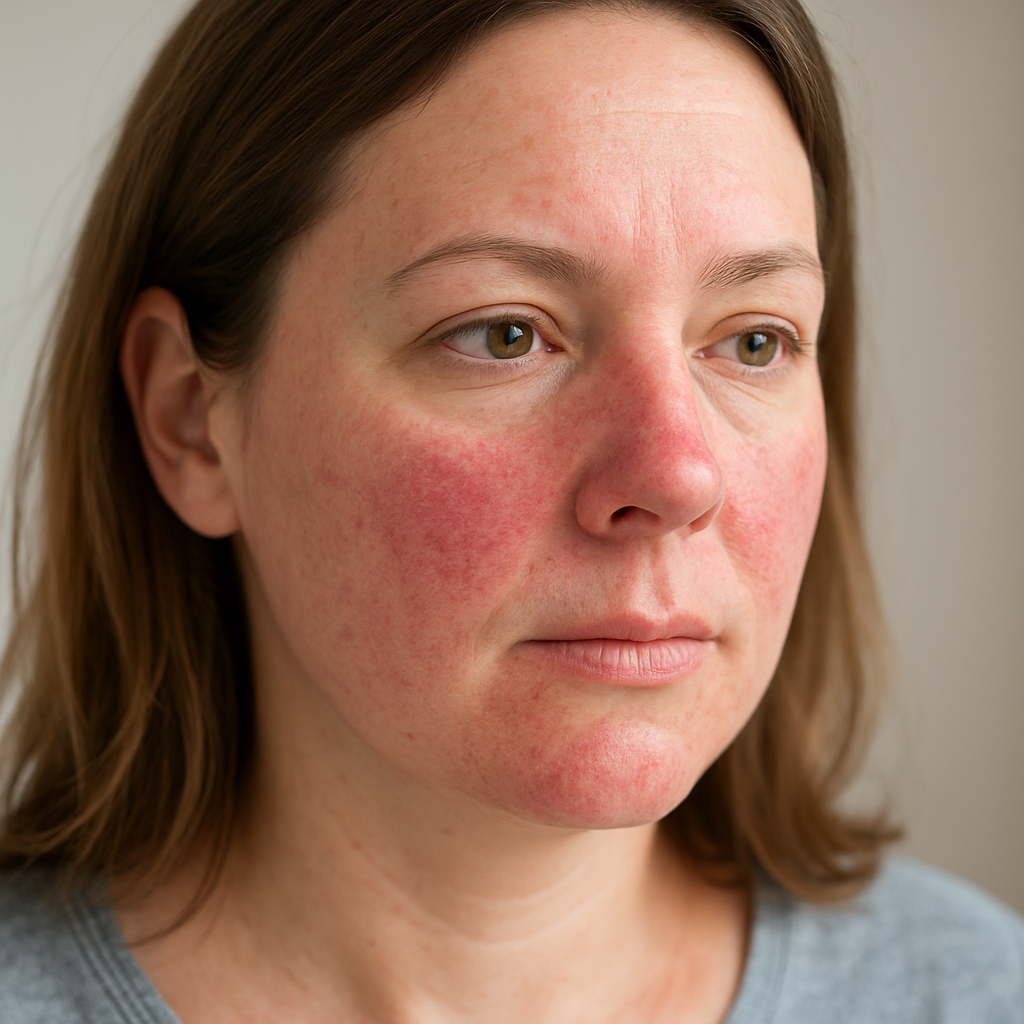
Papulopustular rosacea is a chronic inflammatory skin condition that creates red bumps, pus-filled lesions, and persistent redness across the central face. This subtype of rosacea primarily affects the nose, cheeks, chin, and forehead, creating a pattern that many patients mistake for adult acne.
“Unlike acne, papulopustular rosacea rarely causes blackheads and typically appears in adults over 30.”
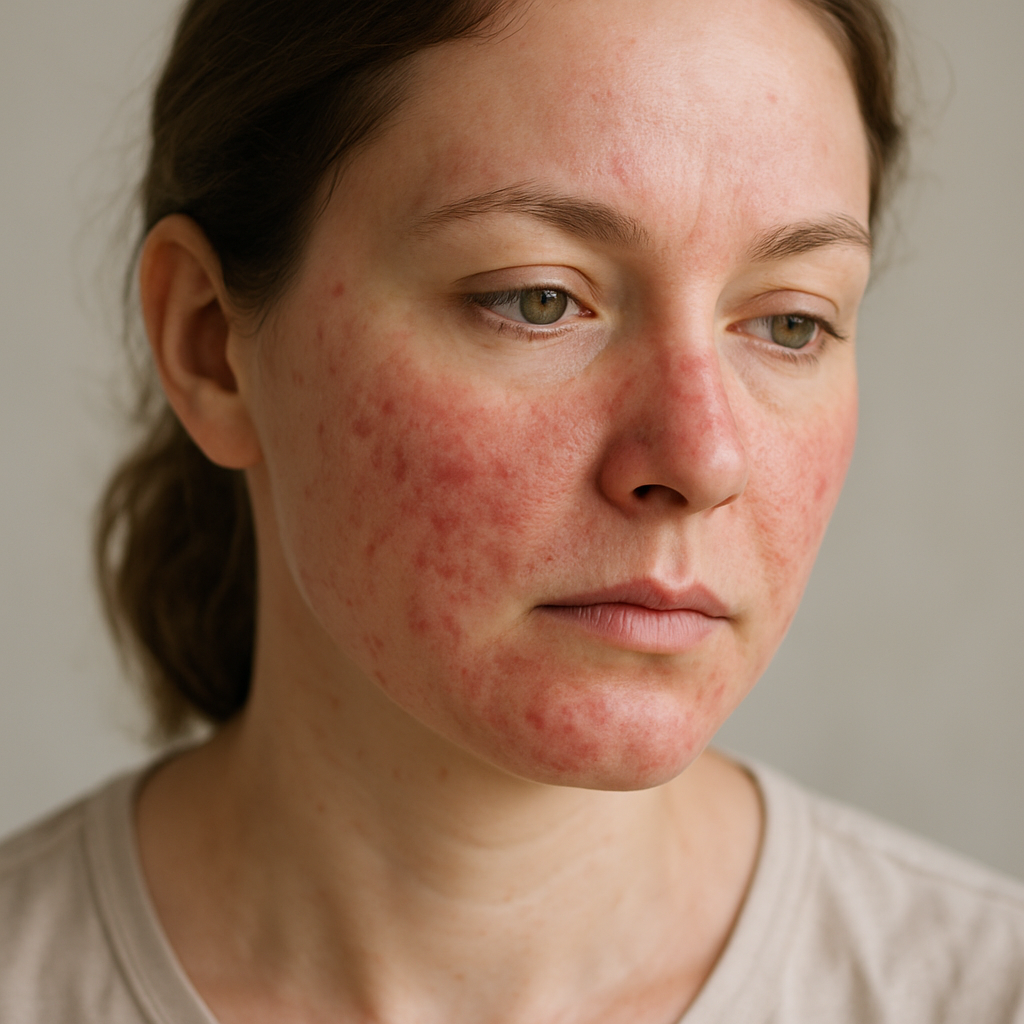
The condition manifests as persistent background redness with dome-shaped red bumps (papules) and white or yellow-topped pimples (pustules) that come and go in cycles. These breakouts don't respond to typical acne treatments, which often frustrates patients who expect quick results from over-the-counter products.
While papulopustular rosacea can feel embarrassing and look alarming during flares, it rarely causes permanent scarring when properly managed. The key lies in understanding that this isn't traditional acne and requires specialized dermatological care. Most patients see significant improvement within 6-12 weeks of starting appropriate treatment, though the condition requires ongoing management to prevent future breakouts.
Key Symptoms and Signs
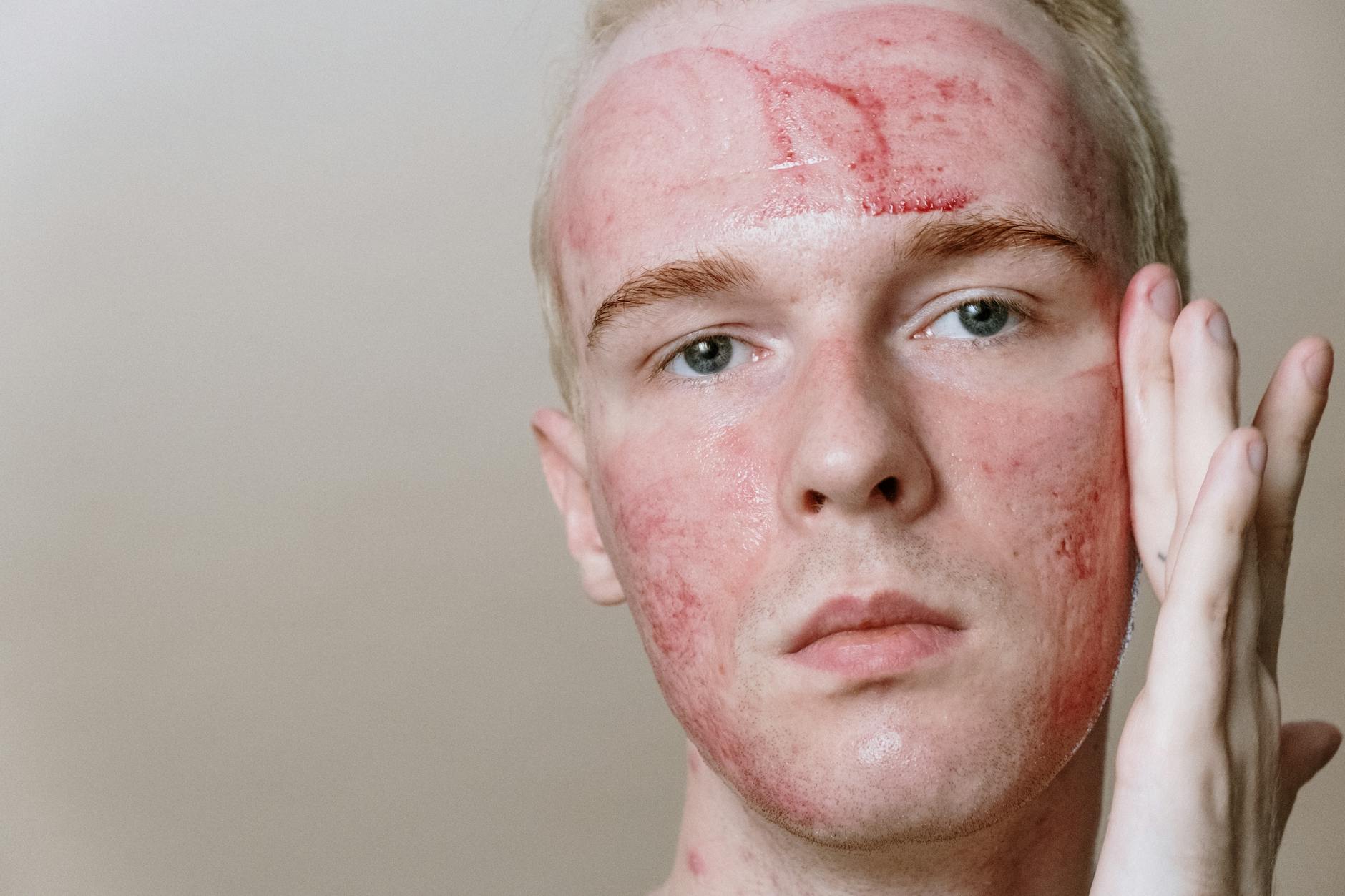
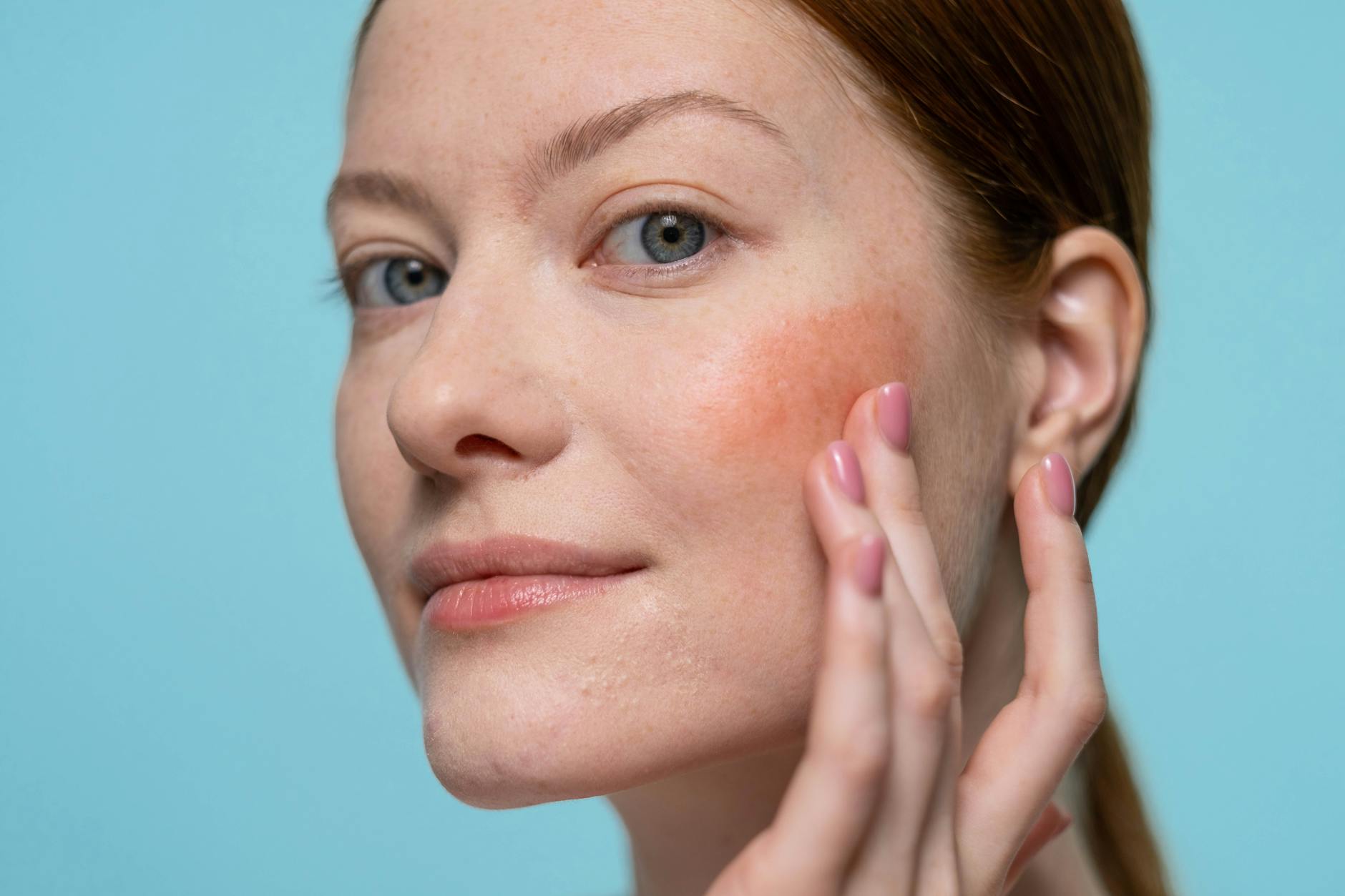
Recognizing papulopustular rosacea starts with understanding its telltale appearance. The condition creates persistent redness across your central face—your nose, cheeks, chin, and forehead. This redness differs from simple flushing because it doesn't fade after a few minutes.
The defining feature is the presence of red, inflamed bumps (papules) and white or yellow pus-filled bumps (pustules) that appear within these red areas. These bumps often cluster around your nose and spread outward across your cheeks. Unlike acne, you won't see blackheads or deep cysts.
“The burning and stinging sensations can be as troubling as the visible symptoms themselves.”
Beyond what you see, papulopustular rosacea creates uncomfortable sensations. Your skin may burn, sting, or feel unusually sensitive to touch. Many people describe their face feeling tight or raw, especially after washing or applying products.
The good news regarding your concerns about permanent damage: papulopustular rosacea rarely causes scarring when properly managed. The bumps typically resolve without leaving marks, making early recognition and treatment your best strategy for maintaining healthy skin long-term.
How Papulopustular Rosacea Differs from Acne

Many people confuse papulopustular rosacea with acne conditions like Acne Vulgaris, Cystic Acne, or Hormonal Acne, leading to frustrating misdiagnosis and ineffective treatments. Understanding these key differences can save you months of trial and error.
The most telling difference is location. Rosacea appears primarily on your central face—cheeks, nose, chin, and forehead. Acne typically spreads beyond the face to your chest, back, and shoulders. Rosacea also notably avoids the eye area, while acne can appear anywhere.
Blackheads and whiteheads are hallmarks of acne but completely absent in rosacea. If you see comedones (those black dots or white bumps), you're dealing with acne, not rosacea. Rosacea presents only as red bumps and pus-filled lesions without these clogged pores.
Age provides another crucial clue. Acne typically begins during teenage years, while rosacea usually starts after age 30. Adult-onset "acne" on your central face is more likely rosacea, especially if traditional acne treatments aren't helping or are making things worse.
Causes and Risk Factors
Scientists haven't pinpointed the exact cause of papulopustular rosacea, but research reveals several contributing factors that work together to trigger this condition. The primary mechanism involves dysfunction in your facial blood vessels, which become overly sensitive and dilate easily in response to triggers.
Your immune system also plays a significant role. People with papulopustular rosacea often have an overactive immune response in their facial skin, leading to chronic inflammation that creates those persistent bumps and pustules. This immune dysfunction explains why the condition tends to flare and calm in cycles rather than following a predictable pattern.
Demodex folliculorum mites, which naturally live in hair follicles, are found in higher concentrations on rosacea-affected skin. These microscopic mites may trigger inflammatory responses in susceptible people.
Your risk increases if you're fair-skinned, between ages 30 and 50, or female. While these factors don't cause scarring, early treatment prevents the condition from worsening and helps you regain confidence in your appearance.
Treatment Options That Work
The good news is that papulopustular rosacea responds well to proven treatments when used consistently. While permanent scarring is rare with this condition, early intervention gives you the best chance at clear skin and prevents symptoms from worsening over time.
Topical metronidazole gel ranks as the gold standard first-line treatment. Applied twice daily to affected areas, this prescription medication reduces inflammation and controls the bacterial overgrowth that worsens symptoms. Most patients see improvement within 4-6 weeks of consistent use.
For moderate to severe flares, dermatologists often prescribe oral antibiotics like doxycycline or minocycline. These work from the inside out to calm inflammation throughout your facial blood vessels. A typical course lasts 6-12 weeks, with many patients experiencing significant clearing within the first month.
Azelaic acid offers another effective option, particularly for those who can't tolerate metronidazole. This ingredient gently exfoliates while reducing inflammation and redness.
Your daily routine matters just as much as medication. Use gentle, fragrance-free cleansers and moisturizers designed for sensitive skin. Daily broad-spectrum sunscreen with SPF 30 or higher protects against UV triggers that can spark new flares.
Who Should Seek Treatment

Papulopustular rosacea affects approximately 16 million Americans, with women three times more likely to develop the condition than men. Most cases emerge between ages 30-50, though the condition can appear at any age.
Schedule a dermatologist appointment when you notice persistent red bumps or pustules lasting more than two weeks, especially if they worsen with sun exposure or stress. Early treatment prevents progression to severe stages and reduces your risk of permanent scarring.
The condition significantly impacts quality of life, with many patients reporting decreased self-confidence and social withdrawal. Professional treatment becomes essential when symptoms interfere with daily activities or cause emotional distress. Dermatologists can prescribe targeted medications that control inflammation and prevent the condition from advancing to more severe forms involving thickened skin or eye complications.
Living with Papulopustular Rosacea
Successfully managing papulopustular rosacea requires building sustainable daily habits that protect your skin while maintaining realistic expectations about improvement timelines.
Keep a daily log of foods, weather, stress levels, and products to spot patterns that worsen your symptoms.
Use lukewarm water and fragrance-free cleansers twice daily, patting skin dry instead of rubbing.
Choose mineral sunscreens with zinc oxide or titanium dioxide that won't irritate sensitive rosacea-prone skin.
Most patients see gradual improvement over 6-12 weeks rather than immediate results. While concerns about permanent scarring are understandable, papulopustular rosacea rarely causes lasting damage when properly managed. Focus on consistency with your treatment plan rather than expecting overnight transformation.
Your dermatologist can adjust medications if initial treatments don't provide adequate relief within the expected timeframe.
Consistent trigger avoidance and gentle skincare habits matter more than expensive products for long-term rosacea control.
Frequently Asked Questions
What is papulopustular rosacea?
Papulopustular rosacea is a chronic inflammatory skin condition that creates red bumps, pus-filled lesions, and persistent redness across the central face. This subtype of rosacea primarily affects the nose, cheeks, chin, and forehead, creating a pattern that many patients mistake for adult acne. The condition manifests as persistent background redness with dome-shaped red bumps and white or yellow-topped pimples that come and go in cycles.
How is papulopustular rosacea different from acne?
Unlike acne, papulopustular rosacea rarely causes blackheads and typically appears in adults over 30. Rosacea appears primarily on your central face—cheeks, nose, chin, and forehead—while acne typically spreads beyond these areas. These breakouts don't respond to typical acne treatments, which often frustrates patients who expect quick results from over-the-counter products.
What are the main symptoms of papulopustular rosacea?
The defining features include persistent redness across the central face, red inflamed bumps (papules), and white or yellow pus-filled bumps (pustules). Beyond visible symptoms, the skin may burn, sting, or feel unusually sensitive to touch. Many people describe their face feeling tight or raw, especially after washing or applying products.
Does papulopustular rosacea cause permanent scarring?
Papulopustular rosacea rarely causes permanent scarring when properly managed. The bumps typically resolve without leaving marks, making early recognition and treatment your best strategy for maintaining healthy skin long-term. While the condition can feel embarrassing during flares, it doesn't usually result in lasting damage with appropriate care.
How long does it take to see improvement with papulopustular rosacea treatment?
Most patients see significant improvement within 6-12 weeks of starting appropriate treatment. However, the condition requires ongoing management to prevent future breakouts. The key lies in understanding that this isn't traditional acne and requires specialized dermatological care rather than over-the-counter acne products.
Disclaimer: This content is for informational purposes only and does not constitute medical advice. Always consult a qualified healthcare provider before making health decisions.