Quick Verdict: Rosacea vs Acne

The fastest way to distinguish between Rosacea and Acne Vulgaris lies in three key differences. Acne typically starts during teenage years with blackheads and whiteheads scattered across the T-zone, chest, and back. Rosacea emerges in adults over 30, creating persistent redness across the central face without any blackheads or whiteheads present.
“If you see blackheads or whiteheads, it's acne—rosacea never produces these comedones.”
Location matters too: acne spreads beyond the face to shoulders and back, while rosacea stays confined to the nose, cheeks, chin, and forehead. Understanding these patterns prevents misdiagnosis and helps you choose appropriate treatments that won't worsen your condition or cause unnecessary scarring.
Key Differences at a Glance
Understanding the distinct characteristics of Rosacea and Acne Vulgaris helps you identify which condition you're dealing with and avoid treatments that could worsen your skin.
"The location and type of bumps on your face tell the real story about whether you have rosacea or acne."
Age patterns reveal crucial differences. Acne Vulgaris typically strikes during teenage years, affecting 85% of people aged 12-24, while rosacea usually begins after age 30. Location matters too—acne spreads across your T-zone, chest, and back, but rosacea concentrates on your central face around your nose and cheeks.
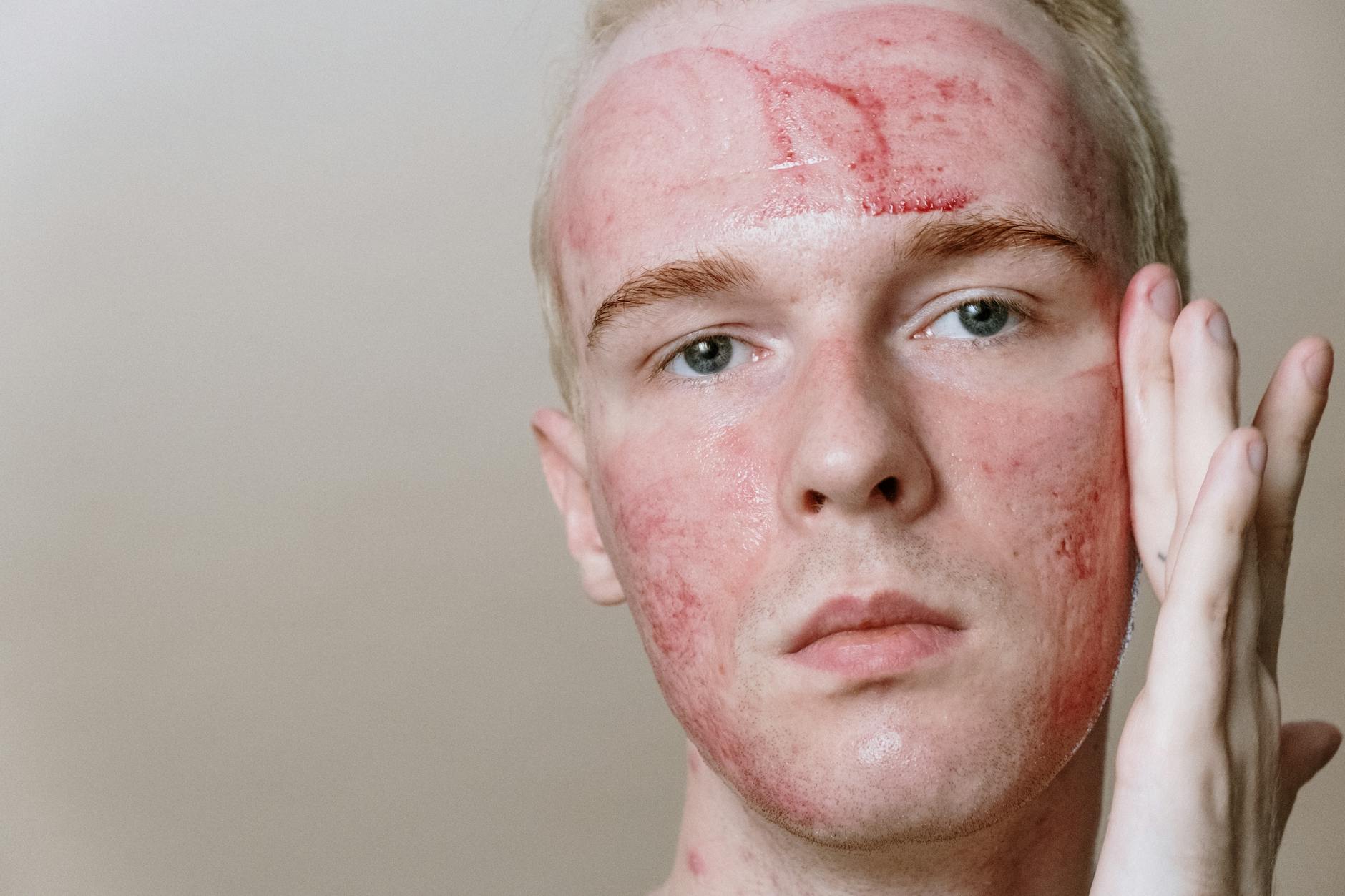
The bumps themselves look different. Acne produces blackheads, whiteheads, and deep cysts that can cause permanent scarring if picked or squeezed. Rosacea creates red papules and pustules without comedones, plus persistent facial redness that flares with triggers like sun exposure, spicy foods, or stress.
Recognizing these patterns early prevents you from using harsh acne treatments on rosacea-prone skin, which often backfires and increases inflammation instead of clearing your complexion.
Understanding Rosacea

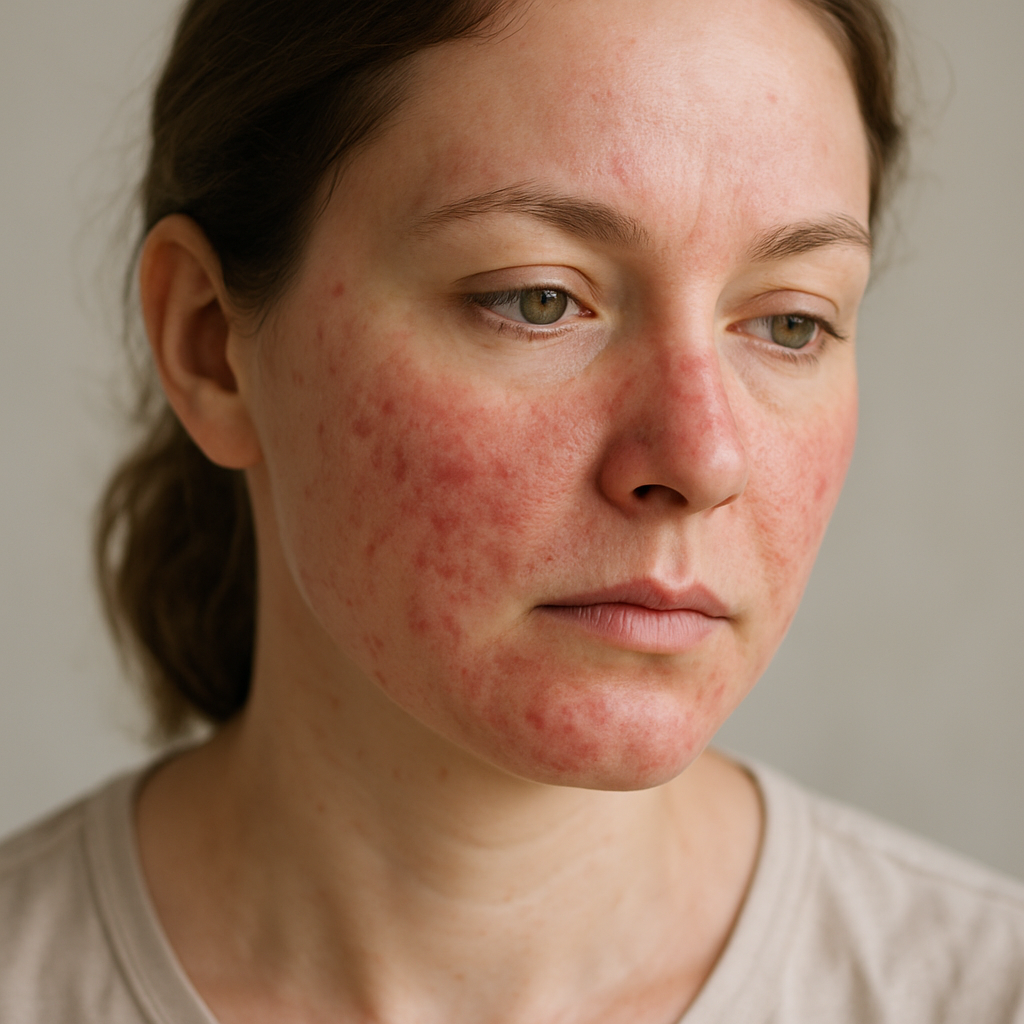
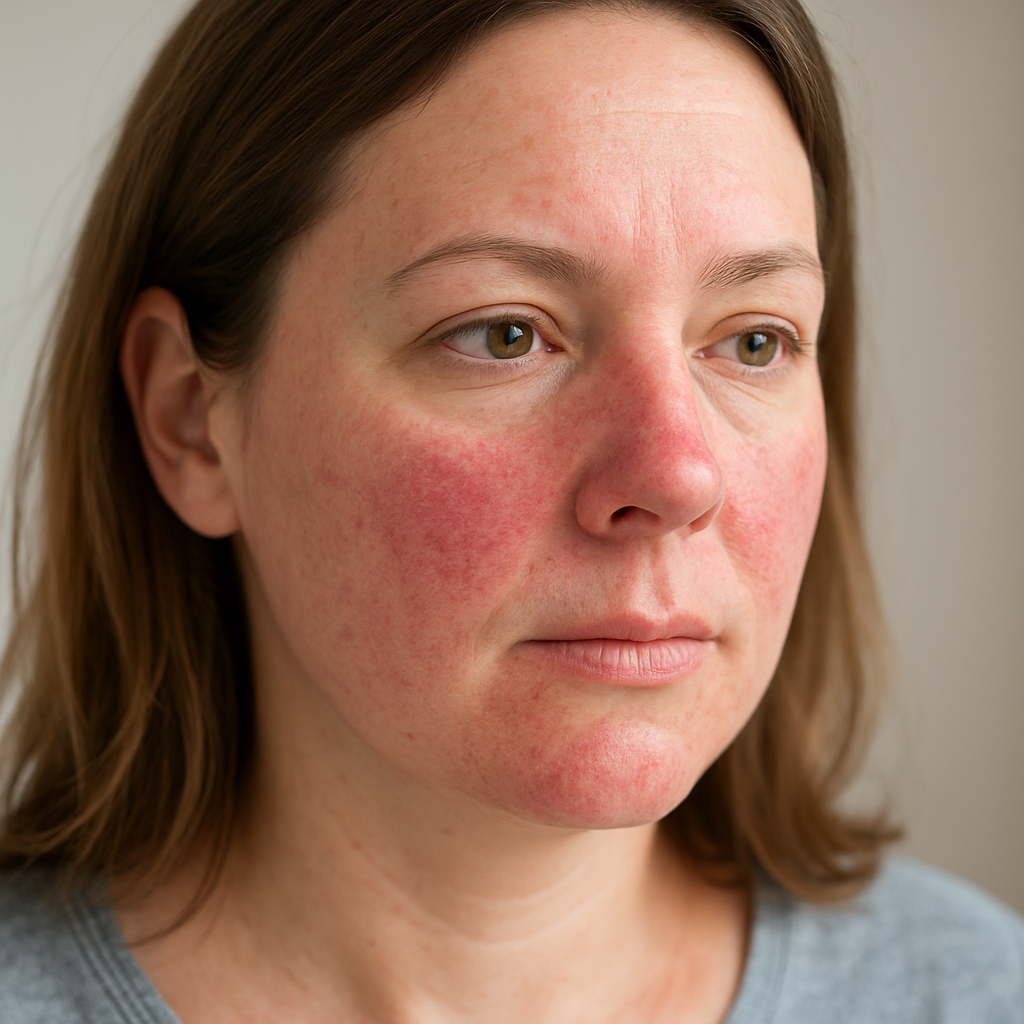
Rosacea is a chronic inflammatory skin condition that primarily affects the central portion of your face. Unlike acne that can appear anywhere on your body, rosacea concentrates on your nose, cheeks, chin, and forehead in a distinctive butterfly pattern.
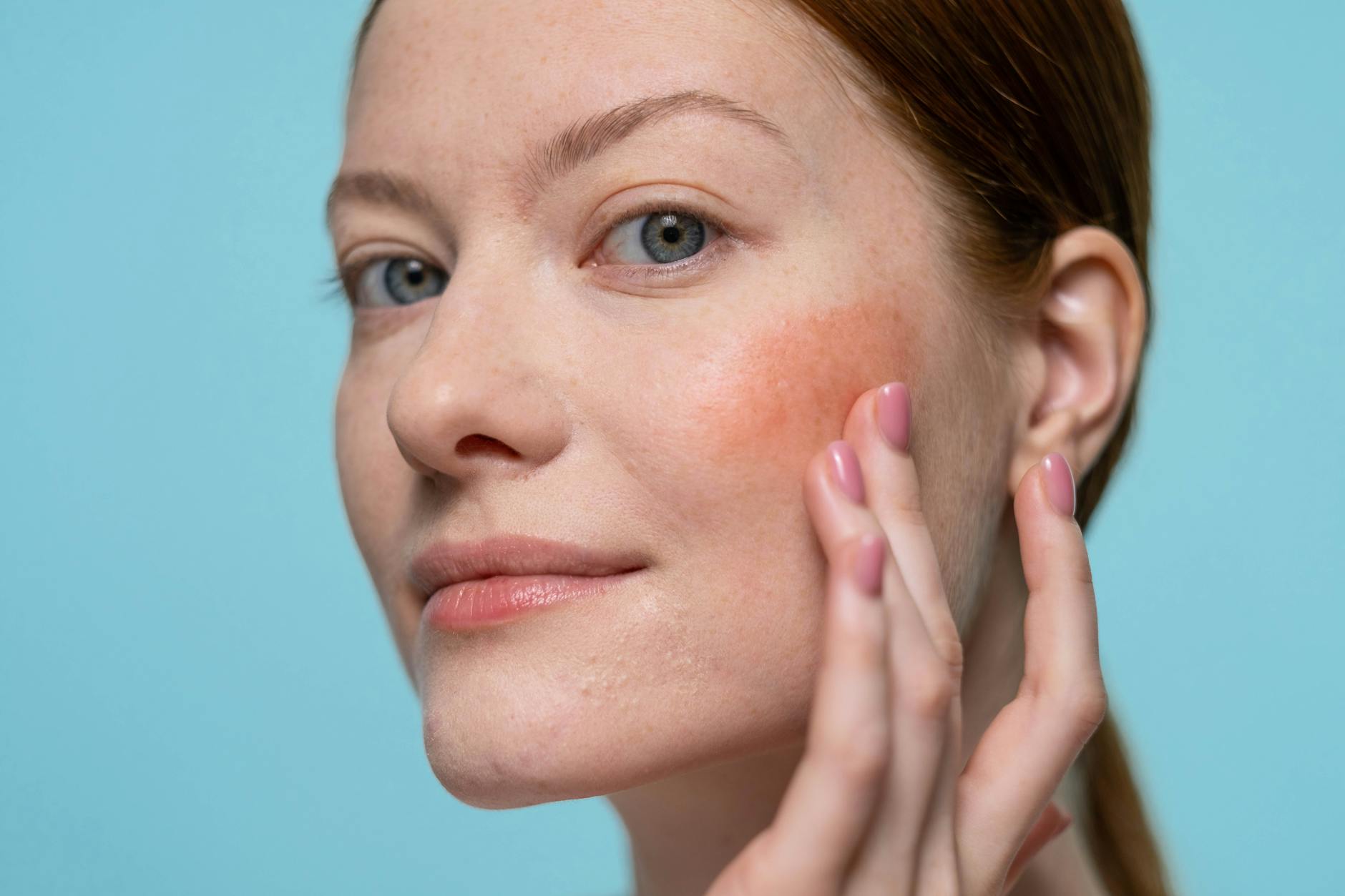
The hallmark sign is persistent facial redness that doesn't fade like a temporary blush. This redness often comes with visible blood vessels called telangiectasias that create a web-like appearance beneath your skin. You might notice your face looks constantly flushed, even when you're not embarrassed or overheated.
Many people with rosacea also experience eye irritation, including dryness, burning, and a gritty feeling. This ocular rosacea can make your eyes appear bloodshot or watery. While rosacea rarely causes permanent scarring like severe acne can, the persistent redness and visible blood vessels can feel socially challenging without proper treatment and management.
Understanding Acne
Acne Vulgaris affects your sebaceous glands, which produce oil to keep your skin moisturized. When these glands become overactive, excess sebum combines with dead skin cells to clog your pores, creating the perfect environment for bacterial growth and inflammation.
The hallmark of acne is comedone formation—those blackheads and whiteheads you see on your skin. Blackheads form when clogged pores remain open to air, while whiteheads develop when pores close completely. These can progress into inflamed papules, pustules, and in severe cases, painful cysts that carry the risk of permanent scarring.
Hormonal Acne typically appears along your jawline and chin, especially worsening before menstruation due to androgen fluctuations. This type affects 25% of women aged 40-49, proving acne isn't just a teenage problem.
Cystic Acne represents the most severe form, creating deep, painful nodules that can cause lasting psychological distress alongside physical scarring. Understanding these variations helps you recognize your specific acne type and pursue appropriate treatment quickly, minimizing long-term skin damage.
Conditions Often Confused with Both
Several other skin conditions can mimic both rosacea and acne, making diagnosis challenging. Atopic Dermatitis (eczema) affects 15-20% of children and creates red, inflamed patches with intense itching that can appear similar to rosacea's persistent redness. The dry, scaly skin and facial involvement often confuse patients and even healthcare providers.
Plaque Psoriasis occasionally affects facial areas with thick, scaly patches that can resemble severe acne lesions. These autoimmune-driven plaques create silvery scales and red inflammation that worries patients about permanent scarring. Multiple conditions sometimes coexist, requiring careful examination to distinguish overlapping symptoms and develop appropriate treatment strategies for clear, healthy skin.
Treatment Approach Differences
Rosacea and Acne Vulgaris require fundamentally different treatment strategies, and using the wrong approach can actually worsen your symptoms. Understanding these differences is crucial for avoiding setbacks that could lead to scarring or prolonged skin issues.
Rosacea treatment focuses on identifying and avoiding personal triggers like spicy foods, sun exposure, or stress. Anti-inflammatory medications and gentle skincare routines form the foundation of management. The goal is calming inflammation rather than aggressive oil removal.
Acne Vulgaris treatment targets excess sebum production and bacterial overgrowth. Topical retinoids, benzoyl peroxide, and salicylic acid help unclog pores and control oil. Stronger treatments like isotretinoin may be necessary for severe cases affecting 85% of people aged 12-24 years.
Using acne treatments on rosacea can trigger severe flares, while rosacea treatments won't address the underlying causes of acne breakouts. Professional diagnosis ensures you receive the appropriate treatment plan, preventing months of frustration and potential skin damage from incorrect product choices.
When to See a Dermatologist

Schedule a dermatology appointment if your skin symptoms persist longer than six weeks despite consistent home treatment. This timeline allows adequate testing of over-the-counter products while preventing potential scarring that causes lasting social embarrassment.
Seek professional help immediately if you notice worsening redness, increased breakouts, or new symptoms after starting treatment. Dermatologists can distinguish between rosacea and acne through specialized examination techniques, eliminating guesswork that often leads to inappropriate product choices.
Don't wait if you're uncertain about your diagnosis. Professional evaluation prevents months of trial-and-error treatments that may worsen your condition or delay effective therapy.
The Bottom Line
Getting the right diagnosis makes all the difference between clear skin and ongoing frustration. Rosacea and acne require completely different treatment approaches, so misidentifying your condition leads to wasted time and potentially worsened symptoms. A dermatologist can distinguish between these conditions in minutes, preventing the trial-and-error approach that often causes permanent scarring.
Professional guidance saves both time and your skin's health in the long run.
See a dermatologist for accurate diagnosis—the right treatment plan starts with knowing exactly what you're treating.
Frequently Asked Questions
What is the main difference between rosacea and acne?
The key difference is that acne produces blackheads and whiteheads, while rosacea never creates these comedones. Acne typically starts in teenage years and spreads to the T-zone, chest, and back, whereas rosacea begins after age 30 and stays confined to the central face. Rosacea creates persistent facial redness with red papules and pustules, while acne can cause deep cysts and permanent scarring.
At what age does rosacea typically start?
Rosacea usually begins after age 30, which is distinctly different from acne that typically strikes during teenage years. While 85% of people aged 12-24 experience acne, rosacea emerges in adulthood and affects approximately 16 million Americans.
Where does rosacea appear on the face?
Rosacea concentrates on the central portion of your face, including the nose, cheeks, chin, and forehead in a distinctive butterfly pattern. Unlike acne that can spread to the T-zone, chest, and back, rosacea stays confined to these central facial areas.
Does rosacea cause blackheads and whiteheads?
No, rosacea never produces blackheads or whiteheads (comedones). If you see blackheads or whiteheads, it's acne, not rosacea. Rosacea creates red papules and pustules along with persistent facial redness, but never forms the comedones that are characteristic of acne.
Can rosacea affect the eyes?
Yes, about 75% of people with rosacea report eye symptoms, a condition called ocular rosacea. This can include eye irritation, dryness, burning, and a gritty feeling. Your eyes may appear bloodshot or watery as part of this condition.
Disclaimer: This content is for informational purposes only and does not constitute medical advice. Always consult a qualified healthcare provider before making health decisions.