Understanding Your Rosacea Before Building a Routine

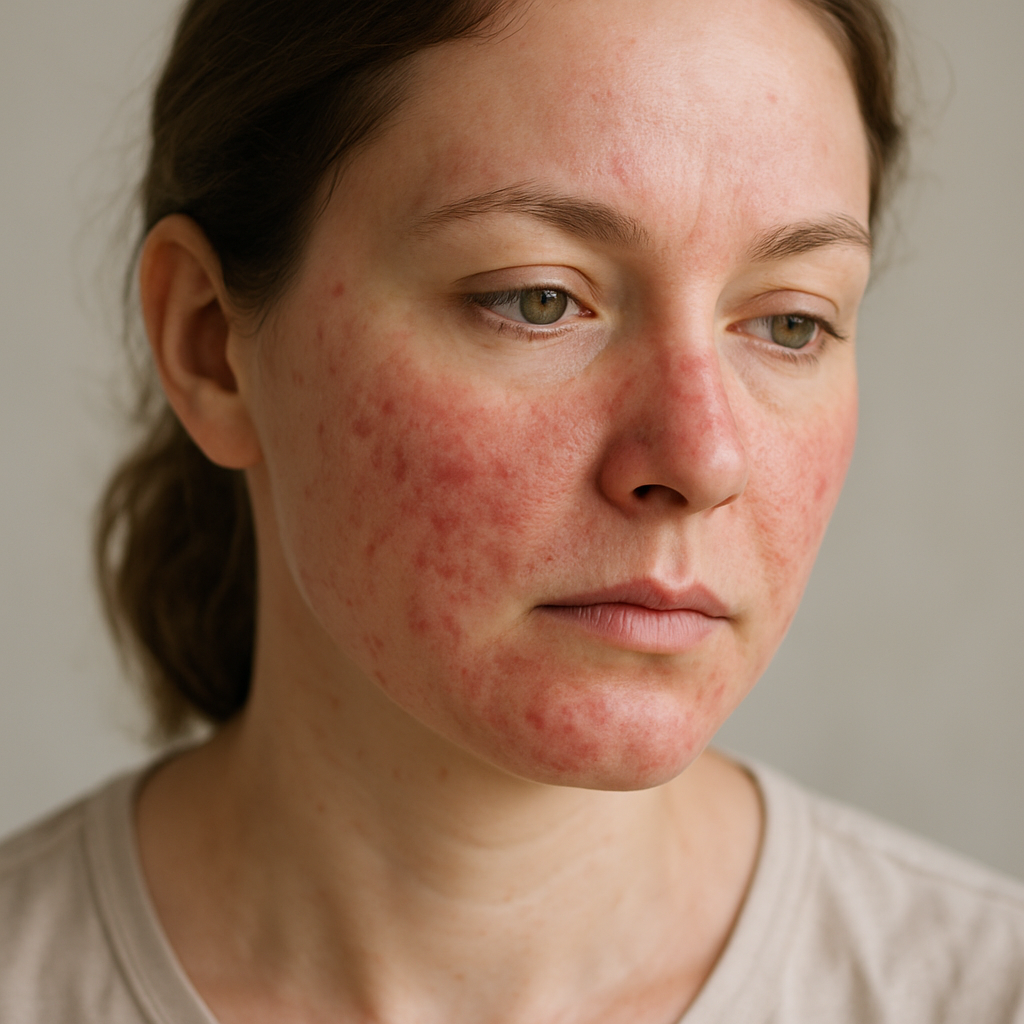
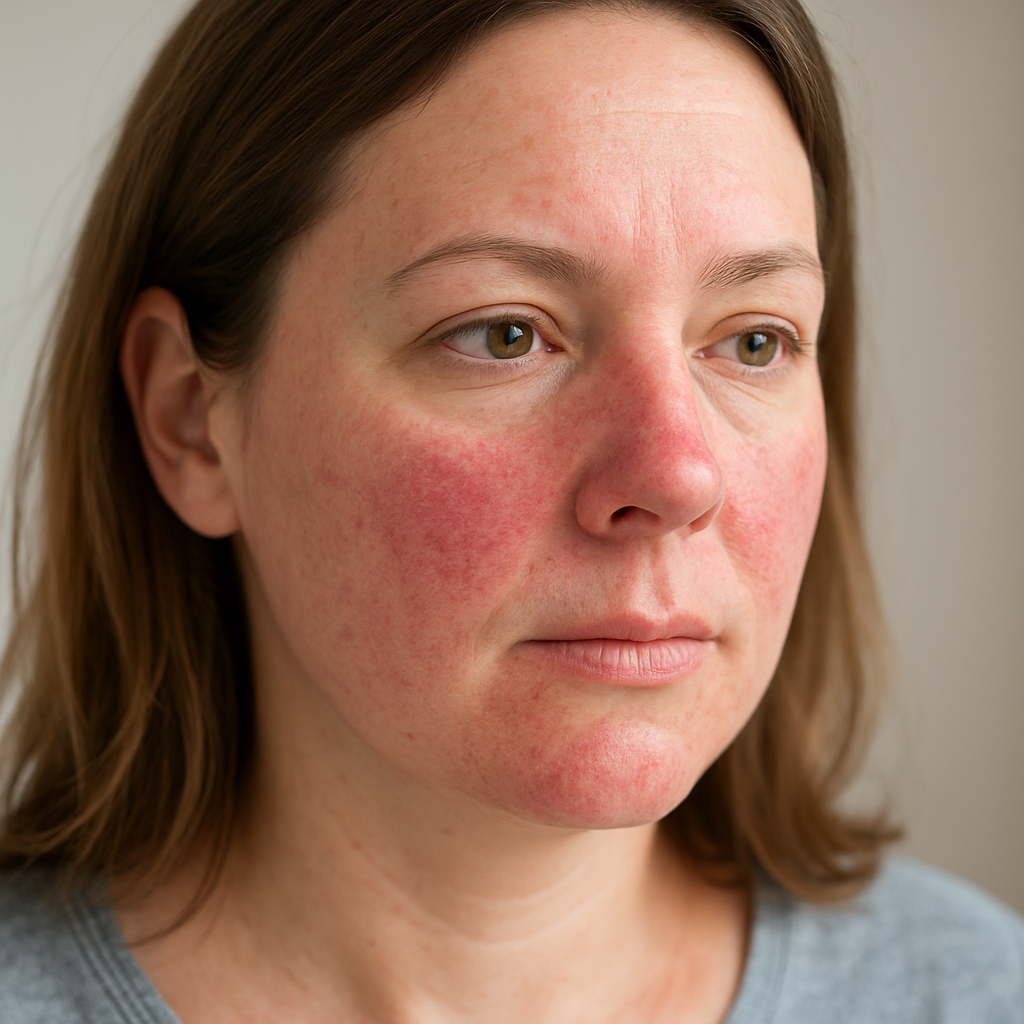
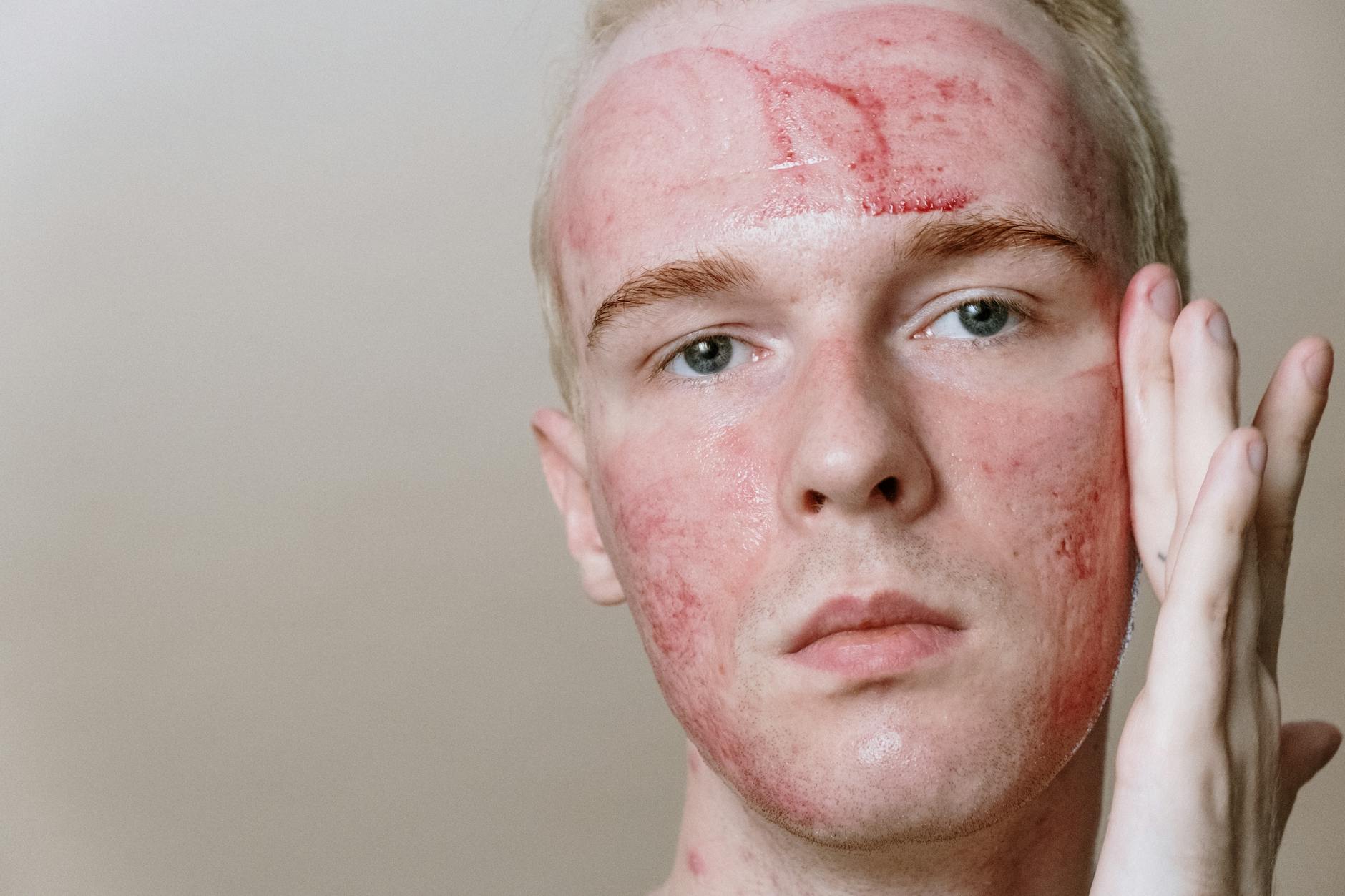
Rosacea is a chronic inflammatory skin condition that causes persistent facial redness, visible blood vessels, papules, pustules, and sometimes eye irritation. Unlike breakouts you may have experienced before, rosacea affects blood vessels and requires a fundamentally different approach than treating other skin conditions.
“Understanding the difference between rosacea and other skin conditions is the first step toward clear skin.”
Many people confuse rosacea with Acne Vulgaris, which is characterized by comedones, papules, pustules, and cysts primarily affecting sebaceous gland-rich areas. While both conditions can cause bumps and redness, acne involves clogged pores and excess oil production, whereas rosacea stems from inflammation and vascular sensitivity.
The distinction becomes even more important when considering severe cases. Cystic Acne involves deep, painful, inflamed cysts that respond to aggressive treatments like isotretinoin or high-strength acids. These same treatments would devastate rosacea-prone skin, potentially causing permanent damage and worsening your symptoms.
Your rosacea requires a gentle approach focused on reducing inflammation and protecting your skin barrier. Harsh scrubs, strong actives, or aggressive treatments will backfire. Instead, you need products specifically formulated for sensitive, reactive skin that calm rather than stimulate your complexion.
Morning Skincare Routine for Rosacea
Starting your day with the right routine protects your sensitive skin while preventing the flare-ups that can cause lasting damage and visible redness. A gentle morning approach sets the foundation for healthier skin throughout the day.
“The key to managing rosacea is consistency with gentle products, not aggressive treatments that promise quick fixes.”
Your morning routine should focus on three essential goals: cleansing without irritation, maintaining moisture balance, and protecting against UV damage. This approach helps prevent the inflammation that leads to permanent changes in your skin's appearance.
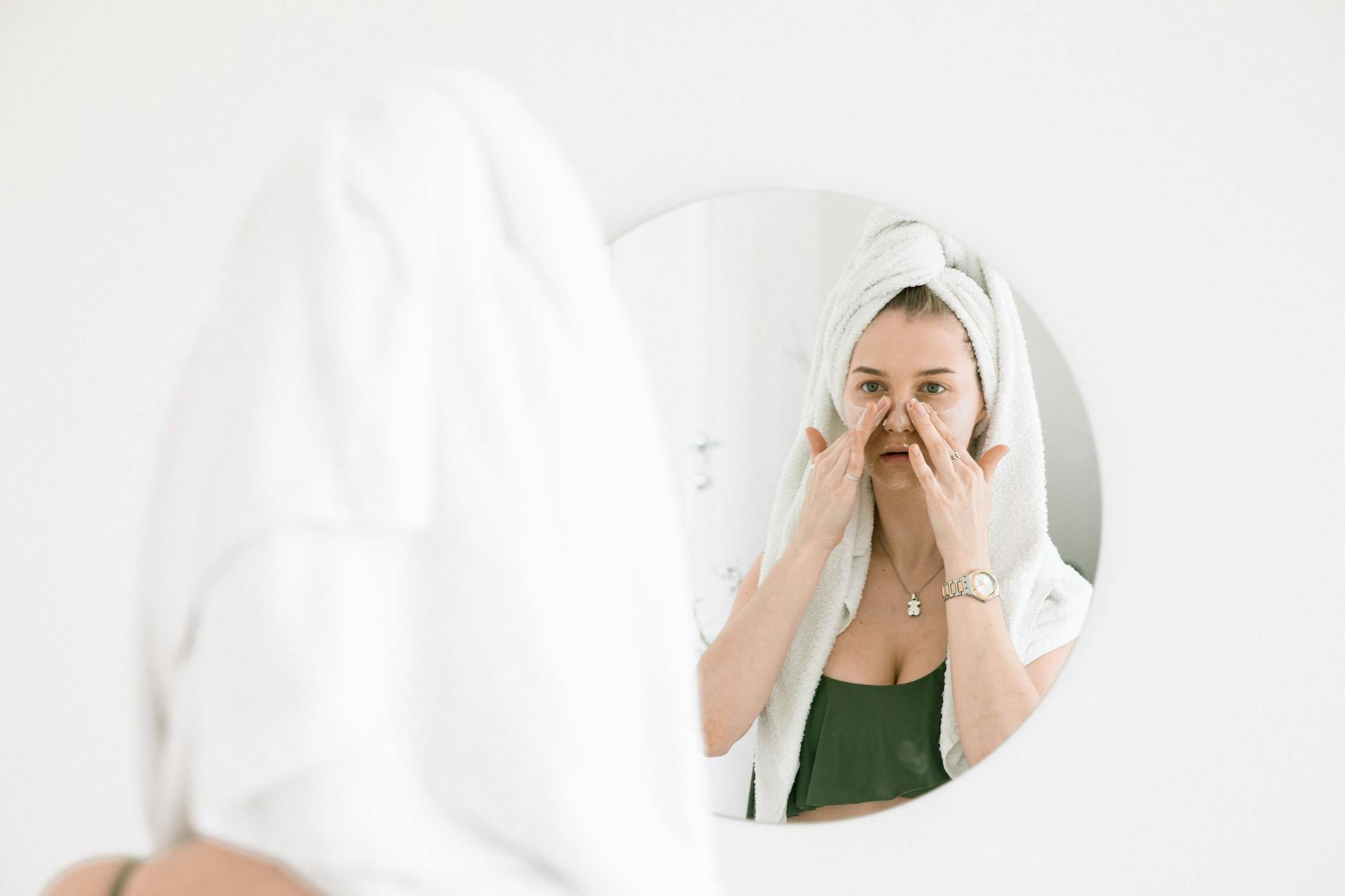
Use lukewarm water and a creamy, fragrance-free cleanser like Cetaphil Gentle Skin Cleanser, applying with fingertips in circular motions for 30 seconds.
Gently press a clean towel against your skin rather than rubbing, leaving skin slightly damp to help lock in moisture.
Apply a lightweight, hyaluronic acid-based moisturizer while skin is still damp, focusing on areas prone to dryness and irritation.
Finish with broad-spectrum SPF 30 or higher containing zinc oxide or titanium dioxide, which provide physical protection without chemical irritants.
Wait two to three minutes between each step to allow products to absorb properly. This prevents pilling and ensures each layer can work effectively. Avoid products containing alcohol, menthol, or strong fragrances, as these common ingredients trigger inflammatory responses in rosacea-prone skin.
Remember that improvement takes time. Focus on protecting your skin barrier rather than trying harsh treatments that promise immediate results but often worsen rosacea symptoms.
Evening Skincare Routine for Rosacea

Your evening routine focuses on gentle cleansing and overnight repair without triggering flare-ups. Nighttime offers the perfect opportunity to restore your skin's barrier while avoiding daytime irritants that can worsen redness and inflammation.
Remove makeup and sunscreen with micellar water, then follow with your gentle cream cleanser to avoid over-cleansing.
Use prescription treatments like metronidazole gel on clean, dry skin and wait 10 minutes before moisturizer.
Apply a thicker, barrier-repairing moisturizer with ceramides or hyaluronic acid to support skin regeneration.
Treatment timing matters significantly for effectiveness. Apply any prescribed topicals to completely dry skin to prevent increased absorption that can cause irritation. For example, if using azelaic acid, wait at least 20 minutes after cleansing before application.
Overnight moisturizing strategies should focus on occlusives that lock in hydration without clogging pores. Look for ingredients like squalane, shea butter, or dimethicone that create a protective seal while your skin repairs itself during sleep.
Avoid common evening mistakes that can set back your progress. Skip retinoids, alpha hydroxy acids, or vitamin C serums that can inflame sensitive rosacea skin. Never use clay masks, alcohol-based toners, or essential oils before bed. These products can cause overnight irritation that leaves you with increased redness and potential scarring by morning.
Keep your bedroom cool and use a humidifier to prevent environmental factors from undoing your careful skincare work while you sleep.
Ingredients to Embrace and Avoid
Understanding which ingredients help versus harm your rosacea-prone skin can prevent permanent scarring and reduce embarrassing flare-ups. The wrong product choice can trigger weeks of inflammation, while the right ingredients actively calm your skin and strengthen its protective barrier.
Three ingredients deserve a permanent place in your routine. Niacinamide, a form of vitamin B3, reduces redness and inflammation without irritation. Ceramides repair your skin's natural barrier, preventing moisture loss and external irritants from penetrating deeper layers. Hyaluronic acid provides intense hydration without clogging pores or causing reactions.
Certain ingredients act as guaranteed triggers for rosacea flare-ups. Alcohol-based toners and astringents strip away protective oils, leaving skin vulnerable and inflamed. Fragrances, whether synthetic or natural, commonly cause immediate burning and long-term sensitivity. Harsh physical scrubs and chemical exfoliants like glycolic acid create micro-tears that worsen rosacea symptoms.
Rosacea treatment differs significantly from Atopic Dermatitis management. While Atopic Dermatitis responds well to topical corticosteroids and calcineurin inhibitors for immune suppression, these powerful medications often worsen rosacea by thinning already sensitive skin. Your rosacea requires gentler anti-inflammatory approaches that respect your skin's unique sensitivity pattern rather than the aggressive immune suppression needed for eczema's intense itching and inflammation.
Weekly and Monthly Routine Additions
Once your daily routine feels stable, you can carefully introduce gentle weekly treatments that support your skin without triggering flares. The key lies in patience and gradual introduction.
Start with gentle exfoliation using a soft washcloth with your regular cleanser once weekly. Avoid scrubs, brushes, or chemical exfoliants initially. As your skin tolerates this, you might graduate to a mild lactic acid product once every two weeks, but only after consulting your dermatologist.
Hydrating masks work well for rosacea-prone skin. Look for masks with oatmeal, honey, or hyaluronic acid. Avoid clay masks, which can be too drying. Apply these treatments for 10-15 minutes weekly, removing gently with cool water.
Apply new product to inner forearm for 24-48 hours before facial use.
Wait two weeks between adding new products to identify triggers.
Track reactions in a skincare diary to identify patterns.
Never introduce multiple new products simultaneously. If you experience increased redness or burning, discontinue the product immediately and return to your basic routine. Remember, consistency with gentle care prevents the scarring and persistent inflammation that worries many rosacea patients more than rushing results.
Common Skincare Mistakes That Worsen Rosacea

Many people unknowingly sabotage their rosacea progress by falling into common skincare traps. Understanding these mistakes helps prevent setbacks and permanent damage to your skin barrier.
Over-cleansing represents the most frequent error. Washing your face more than twice daily strips natural oils, triggering compensatory inflammation. Harsh scrubbing with washcloths, exfoliating brushes, or grainy scrubs creates micro-tears that invite infection and worsen redness.
Using treatments designed for other conditions often backfires. Hormonal acne products containing spironolactone, salicylic acid, or benzoyl peroxide work differently than rosacea requires. Hormonal Acne affects 25% of women aged 40-49 through deep cystic lesions along the jawline, but its treatments can devastate rosacea-prone skin with harsh drying effects.
Mixing incompatible ingredients creates chemical reactions that burn sensitive skin. Combining retinol with vitamin C or layering multiple acids causes irritation. Always introduce one product at a time, waiting two weeks between additions.
Skipping patch tests leads to expensive mistakes and potential scarring. Test new products behind your ear for 48 hours before facial application.
When to Seek Professional Help
Even with a careful skincare routine, rosacea sometimes requires professional intervention. Recognizing when self-care isn't enough can save you months of frustration and prevent potential scarring.
Your routine isn't working if symptoms persist or worsen after 6-8 weeks of consistent use. Watch for signs like increasing redness, new broken blood vessels, or spreading inflammation beyond your usual areas.
Seek immediate medical attention for eye symptoms like burning, dryness, or vision changes. Severe swelling, painful bumps, or thick skin texture also warrant professional evaluation.
Rosacea treatment differs significantly from plaque psoriasis management. While plaque psoriasis often responds to topical corticosteroids and biologics targeting autoimmune dysfunction, rosacea requires gentler approaches focused on reducing inflammation and identifying triggers.
Before your dermatologist visit, document your symptoms with photos and track potential triggers like foods, weather, or stress. Bring your current skincare products and note which ingredients help or harm your skin.
Professional help prevents permanent damage and provides targeted treatments your skincare routine alone cannot achieve.
Frequently Asked Questions
What is the difference between rosacea and acne?
Rosacea is a chronic inflammatory condition that affects blood vessels and causes persistent facial redness, while acne involves clogged pores and excess oil production. Unlike acne, which is characterized by comedones and cysts in oil-rich areas, rosacea stems from inflammation and vascular sensitivity. Treatments that work for acne, like strong acids or isotretinoin, can actually worsen rosacea and cause permanent damage.
What should I use to cleanse my face if I have rosacea?
Use a creamy, fragrance-free cleanser like Cetaphil Gentle Skin Cleanser with lukewarm water. Apply the cleanser with your fingertips in circular motions for 30 seconds, then gently pat your skin dry with a clean towel rather than rubbing. Avoid products containing alcohol, menthol, or strong fragrances as these can trigger inflammatory responses in rosacea-prone skin.
What type of sunscreen is best for rosacea?
Use a broad-spectrum SPF 30 or higher sunscreen containing zinc oxide or titanium dioxide. These physical sunscreens provide protection without chemical irritants that can trigger rosacea flare-ups. Apply the sunscreen as the final step in your morning routine to protect against UV damage that can worsen inflammation.
Why can't I use harsh acne treatments on rosacea?
Harsh treatments like strong acids, aggressive scrubs, or isotretinoin can devastate rosacea-prone skin and potentially cause permanent damage. Rosacea requires a gentle approach focused on reducing inflammation and protecting the skin barrier, not aggressive treatments. These harsh products will backfire and worsen your symptoms because rosacea stems from vascular sensitivity rather than clogged pores.
How long should I wait between skincare steps for rosacea?
Wait two to three minutes between each skincare step to allow products to absorb properly. This prevents pilling and ensures each layer can work effectively on your sensitive skin. Rushing through your routine can cause irritation and reduce the effectiveness of your rosacea-friendly products.
Disclaimer: This content is for informational purposes only and does not constitute medical advice. Always consult a qualified healthcare provider before making health decisions.